Co-Regulation: Helping Your Child Navigate Emotions
This article is part of our complete guide to Self-Regulation in Kids: A Parent's Complete Guide (CASEL Self-Management).
What Co-Regulation Actually Is
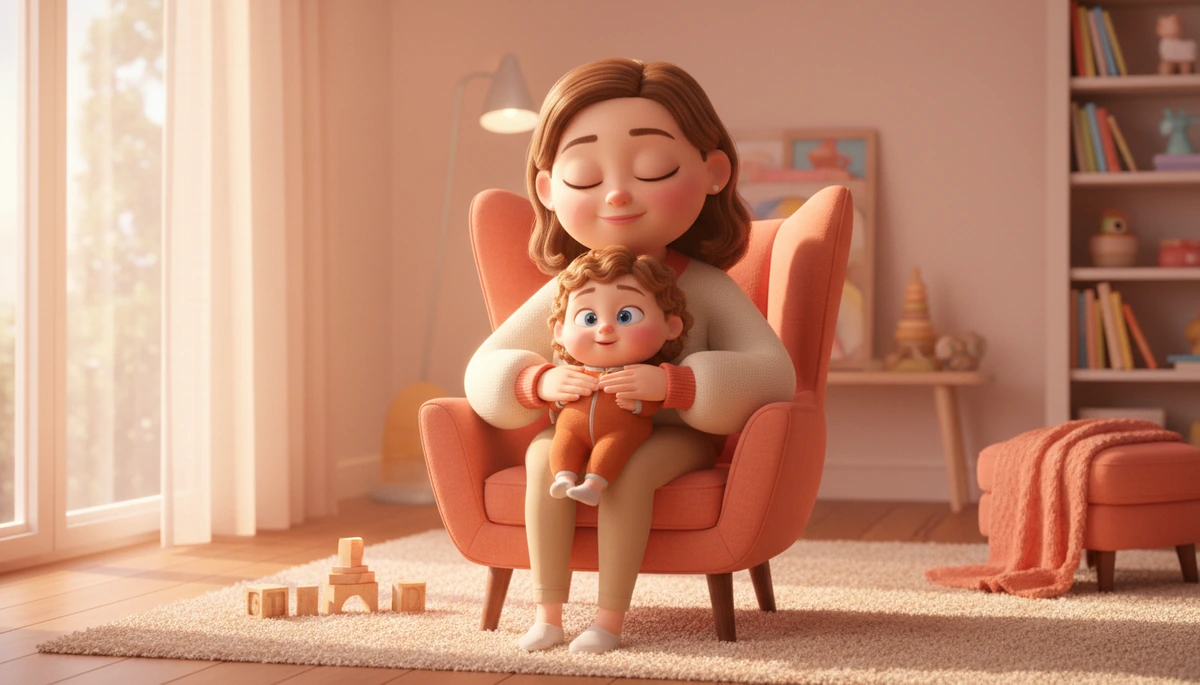
Co-regulation is a process where caregivers help children manage their emotions and behaviors through supportive interactions. It’s a foundational step in developing self-regulation, which is the ability to manage one’s own emotions and actions independently. In simple terms, co-regulation is about parents and caregivers being an emotional guide for children, helping them navigate their feelings and reactions in a safe and supportive environment.
Co-regulation is not just about managing meltdowns or tantrums. It’s about creating a consistent and reliable environment where children feel understood and supported. This involves both verbal and non-verbal communication, such as tone of voice, body language, and facial expressions that convey empathy and understanding. Research indicates that these supportive interactions can significantly enhance a child's emotional and social development 1.
The Importance of Co-Regulation
Children are not born with the ability to regulate themselves. Instead, they rely on adults to help them manage their emotional responses. According to Vygotsky’s theory of the Zone of Proximal Development, children learn best with the guidance of more capable individuals 1. Co-regulation fits perfectly into this framework, providing the external support young children need to gradually develop their own regulation skills.
In my practice, I've observed that children who receive consistent co-regulation support tend to develop stronger self-regulation skills over time. They are better able to handle stress and adapt to new situations, as they've had a reliable foundation to build upon. This underscores the importance of caregivers being present and attentive to a child's emotional needs.
Why Nature Designed It This Way
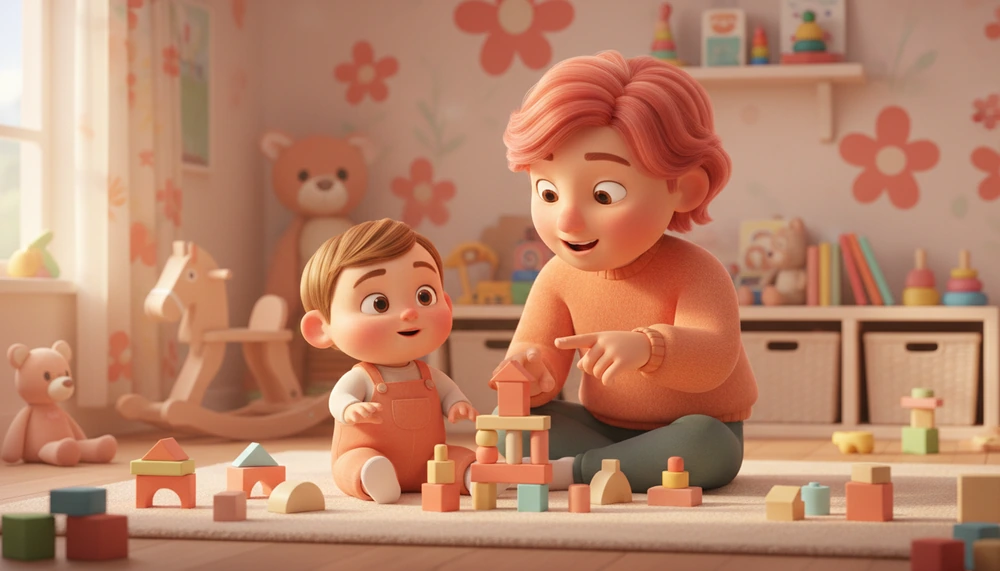
Children's brains are not fully developed at birth. The parts of the brain responsible for self-regulation, such as the prefrontal cortex, mature over time. This developmental timeline means that young kids require external support from caregivers to manage overwhelming emotions. The work of Shanker emphasizes that co-regulation is a necessary precursor to self-regulation, as it helps children learn to calm their bodies and minds with the assistance of an adult 3.
The Role of Developmental Neuroscience
Research in developmental neuroscience shows that stress and emotional dysregulation can affect a child’s brain development. By engaging in co-regulation, caregivers can help mitigate these effects, providing a stable environment that promotes healthy emotional and cognitive growth.
When caregivers model calmness and emotional regulation, they activate neural pathways that encourage similar development in children. This is particularly important during the formative years when the child's brain is most adaptable. Studies suggest that consistent co-regulation can lead to more resilient neural pathways, aiding long-term emotional health 2.
Co-Regulation in the Supermarket Meltdown
Imagine you're at the supermarket, and your child starts to cry and scream because they want a candy bar. This is a common scenario where co-regulation can be particularly effective.
- Stay Calm: Take a deep breath and remain calm yourself. Your calm presence can help your child feel more secure.
- Acknowledge Feelings: Say, "I see you're upset because you want the candy bar."
- Provide Comfort: Offer a hug or a reassuring touch to help them feel supported.
- Redirect Attention: Gently steer them towards another activity or item that interests them.
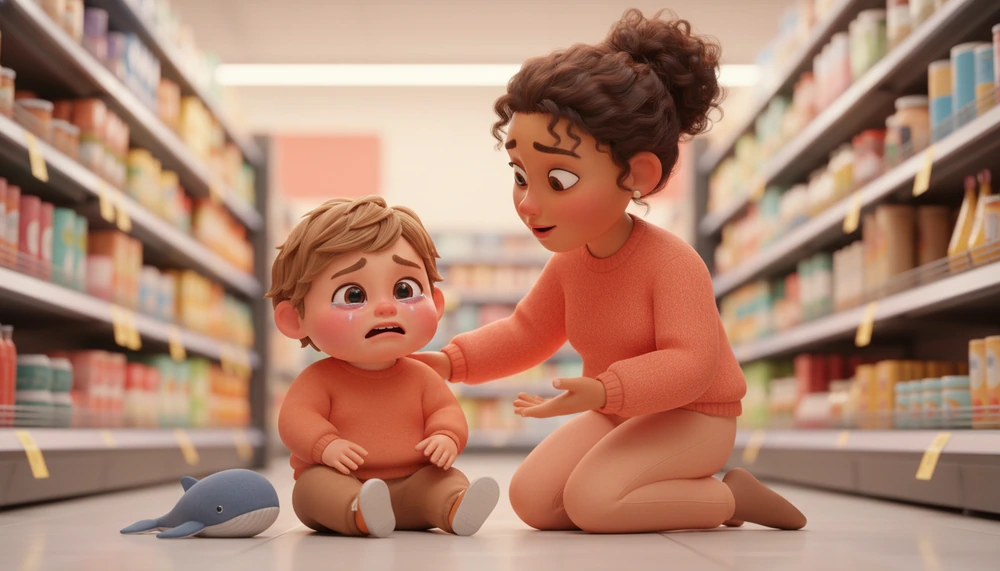
In my practice, I've seen many parents transform challenging moments like these into opportunities for connection by simply being present and empathetic. By maintaining a calm and supportive demeanor, parents can de-escalate a situation and teach their children how to manage overwhelming emotions effectively.
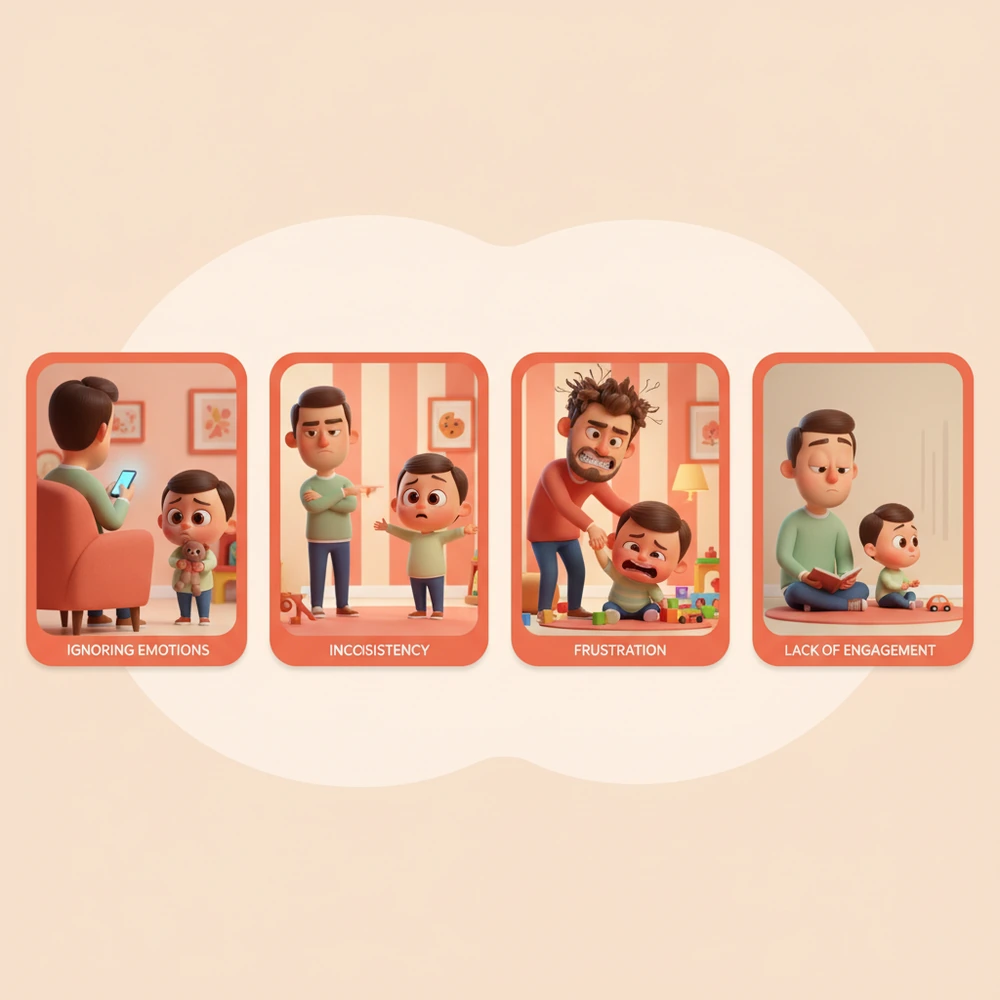
The 4 Things Parents Do That BLOCK Co-Regulation
While many parents strive to co-regulate, certain behaviors can inadvertently hinder the process.
Common Blocks to Co-Regulation
- Ignoring Emotions: Dismissing a child's feelings can make them feel unheard and escalate the situation.
- Being Inconsistent: Inconsistent responses can confuse children, making it harder for them to learn regulation skills.
- Showing Frustration: Demonstrating frustration or anger can increase a child's stress and make co-regulation difficult.
- Lack of Engagement: Not fully engaging with a child during a meltdown can leave them feeling isolated.
What to Do Instead
- Acknowledge Emotions: Validate your child's feelings, even if you don't agree with their behavior.
- Consistency is Key: Try to respond in a consistent manner to similar situations.
- Model Calmness: Show your child how to stay calm by managing your own emotions effectively.
- Be Present: Engage with your child, showing them they have your full attention.
In an instance with a family I worked with, a mother learned to recognize her own triggers and practiced staying calm during her child's outbursts. Over time, she noticed that her child began to mimic her calm demeanor, leading to fewer meltdowns and more constructive interactions.
From Co-Regulation → Self-Regulation: The Gradual Handoff
As children grow, the goal is to transition from co-regulation to self-regulation. This gradual handoff involves fostering independence while still providing support.
Steps to Foster Self-Regulation
- Model Self-Regulation: Demonstrate how to manage emotions and solve problems effectively.
- Encourage Problem-Solving: Ask open-ended questions that guide children to think through solutions.
- Provide Choices: Empower children by letting them make choices within safe boundaries.
In practice, the transition often involves gradually reducing the support provided as the child gains confidence in their own abilities. For instance, you might initially help a child calm down by guiding their breathing but gradually encourage them to start the process on their own.
What This Looks Like with Autistic + ADHD Kids
Children with autism or ADHD may have unique needs when it comes to co-regulation. According to Kopp, these children often require more tailored support to manage their emotions 2.
Strategies for Autistic and ADHD Kids
- Use Visual Supports: Tools like charts or social stories can help children understand and follow emotional cues. Consider using Kind Words with Nina: A Printable Social Story to encourage positive interactions.
- Set Clear Routines: Predictability can help reduce anxiety and improve co-regulation.
- Break Tasks into Steps: Simplifying tasks into manageable steps can aid in understanding and execution.
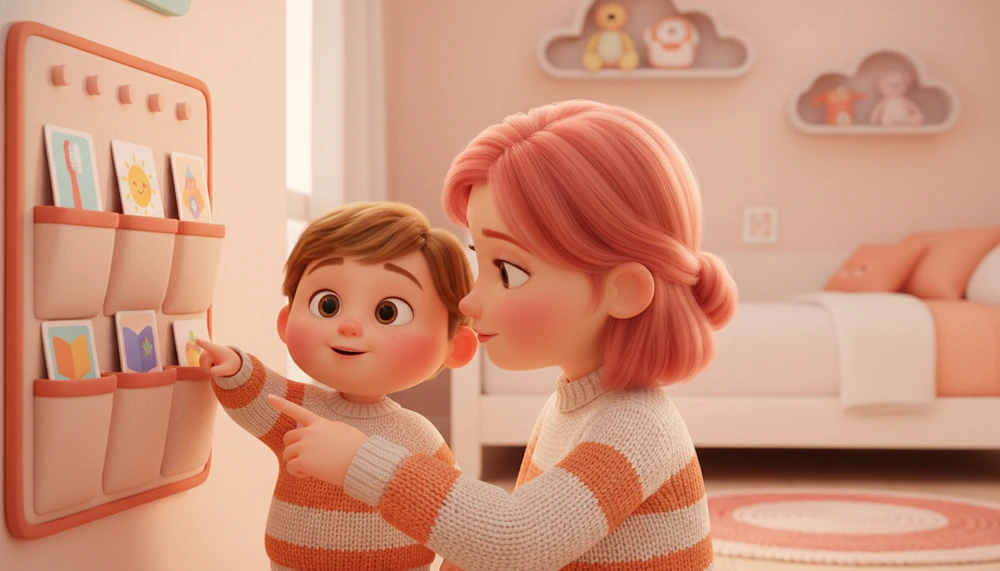
For more on supporting these children, explore our Self-Regulation Strategies for Autistic Children. In my practice, I've found that visual supports are particularly effective for children with autism, as they often rely on visual cues more than verbal instructions.
References
1 Vygotsky, L. (1978). Mind in Society — Zone of Proximal Development. Retrieved from Wikipedia.
2 Kopp, C. B. (1989). Regulation of distress and negative emotions: A developmental view. Developmental Psychology, 25, 343. Retrieved from PubMed.
3 Shanker, S. (2016). Self-Reg — co-regulation as the path to self-regulation. Retrieved from self-reg.ca.
Try It This Week
Reading is the easy part. Skills build through small, repeated practice — here's a low-pressure plan you can try with your child.
- 1Catch one calm moment togetherDaily, 5 minIdentify a quiet time each day to sit with your child, focusing on calmness and connection.use this story →👉 What this looks likeEach evening after dinner, sit with your child on the couch. Say, 'Let's have a calm moment together.' Use this time to match their breathing and listen if they wish to talk. If they prefer silence, simply stay close and provide a reassuring presence.
- 2Narrate your emotions2-3 times a weekModel emotional regulation by narrating your feelings and actions in challenging situations.👉 What this looks likeWhen you're late and feeling stressed, say out loud, 'I'm feeling stressed because we're running late. I'll take a deep breath to calm down.' This models how to handle emotions constructively.
- 3Validate your child's feelingsDailyAcknowledge and validate your child's emotions during difficult moments to foster connection.👉 What this looks likeWhen your child is upset about a broken toy, say, 'I see you're sad that your toy broke. It's okay to feel upset about it.' This shows empathy and understanding without immediately fixing the problem.
- 4Create a visual scheduleThis weekendDevelop a visual schedule to provide structure and predictability for your child.👉 What this looks likeOn Saturday, create a simple visual schedule with your child. Use pictures or drawings for each part of the day, like breakfast, playtime, and bedtime. This helps them anticipate and prepare for transitions.
- 5Practice co-regulation during playTwice this weekUse playtime to practice co-regulation, focusing on shared activities and emotional cues.👉 What this looks likeDuring playtime with blocks, stay engaged and responsive. If your child gets frustrated, say, 'I see you're upset the tower fell. Let's try building it together.' This teaches co-regulation in a fun, supportive setting.
Frequently Asked Questions
What is co-regulation in parenting?
Why is co-regulation important for children?
How does co-regulation differ for children with autism or ADHD?
Can co-regulation help reduce tantrums?
What are some common mistakes in co-regulation?
References
- Vygotsky, L. (1978). Mind in Society — Zone of Proximal Development. Retrieved from Wikipedia.
- Kopp, C. B. (1989). Regulation of distress and negative emotions: A developmental view. Developmental Psychology, 25, 343. Retrieved from PubMed.
- Shanker, S. (2016). Self-Reg — co-regulation as the path to self-regulation. Retrieved from self-reg.ca.