Printable social stories
Social stories for autistic and ADHD kids
Short picture stories about everyday moments: the bathroom, a new school, waiting a turn, big feelings, staying safe. Print one, read it together, and read it again before the real thing.
- 115 stories
- ₹20 each
- Printable PDF
115 stories
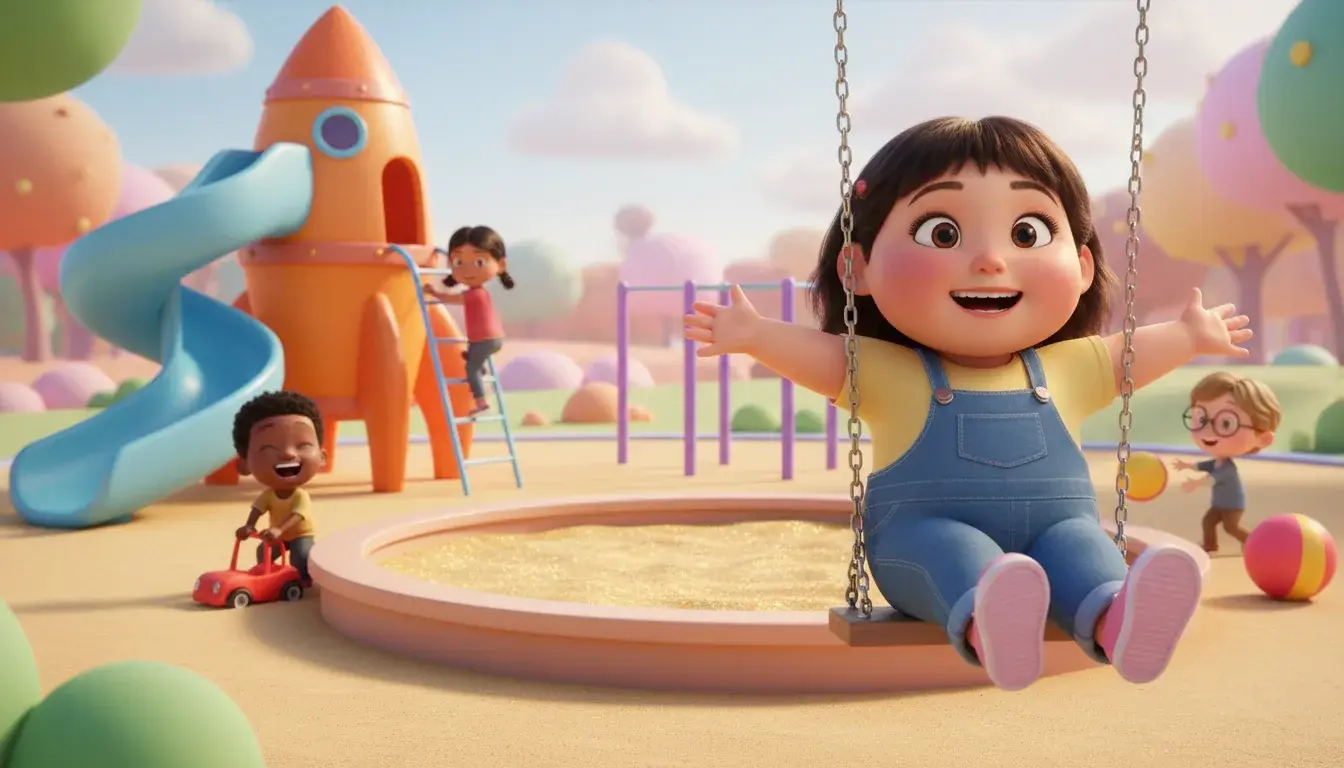 Finding New Ways to PlayExplore fun and creative ways to play with friends! This printable social story helps children understand the joy of sharing and playing together at the playground.₹20See the story
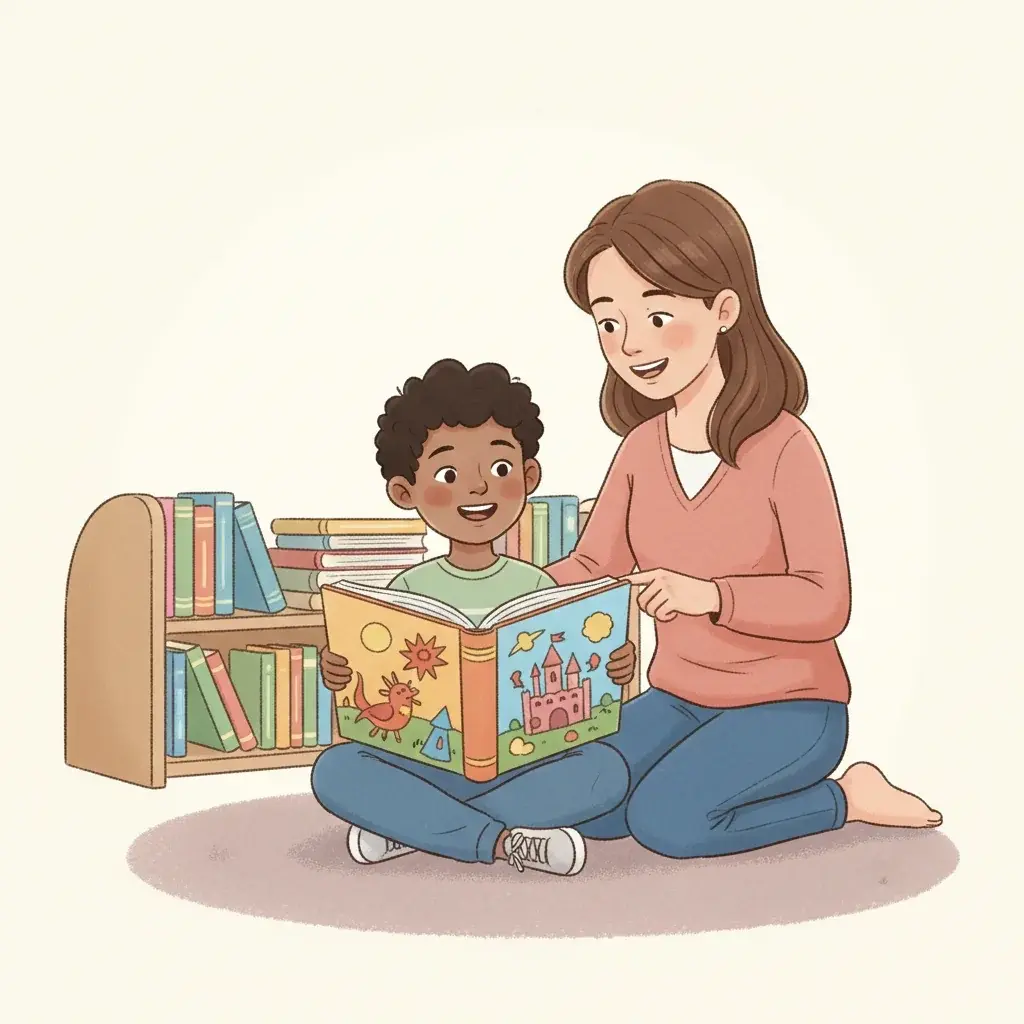 Вечер сказок в библиотекеExplore the joy of library visits with this engaging social story. Perfect for young readers, it encourages vocabulary building and comprehension skills.₹20See the story
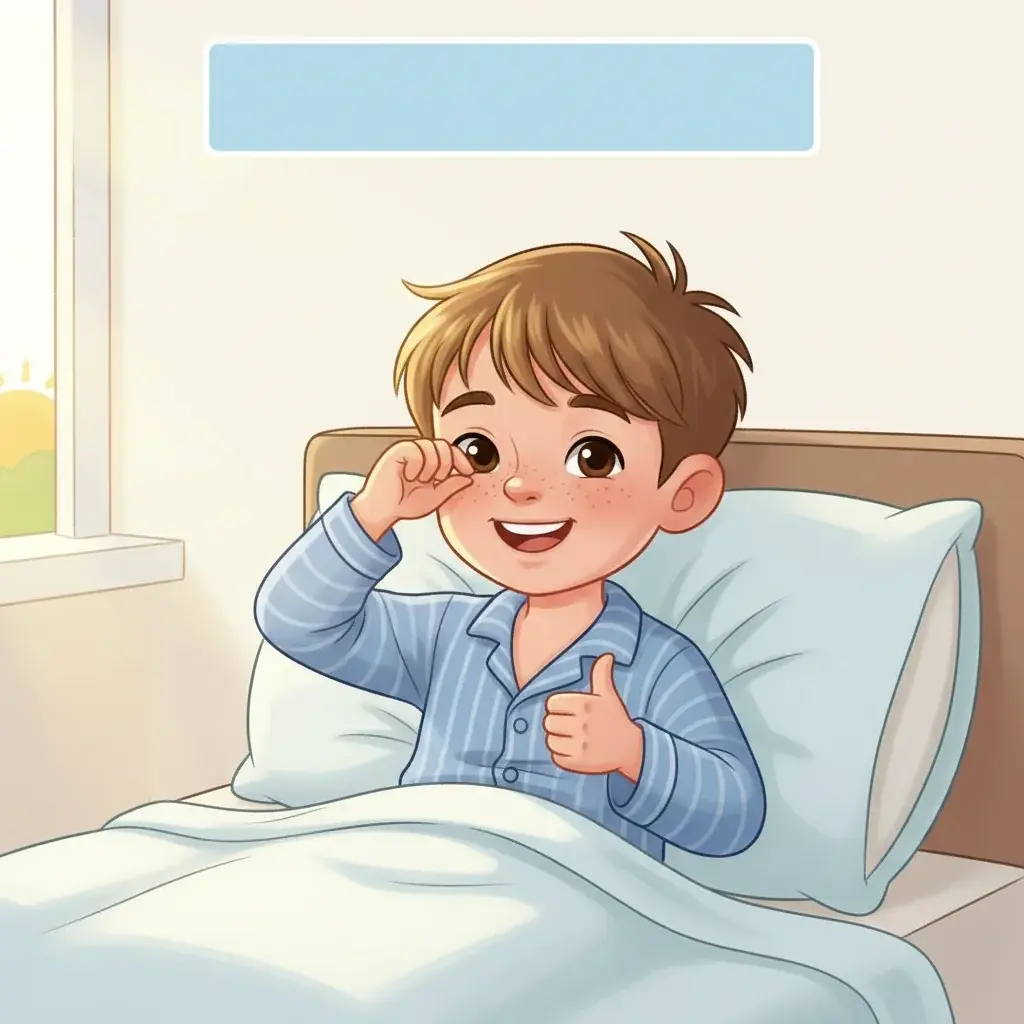 Starting My Day: A Fun Morning RoutineHelp your child embrace a joyful morning routine with this engaging printable social story. Perfect for preschoolers, it encourages excitement and readiness for the day ahead.₹20See the story
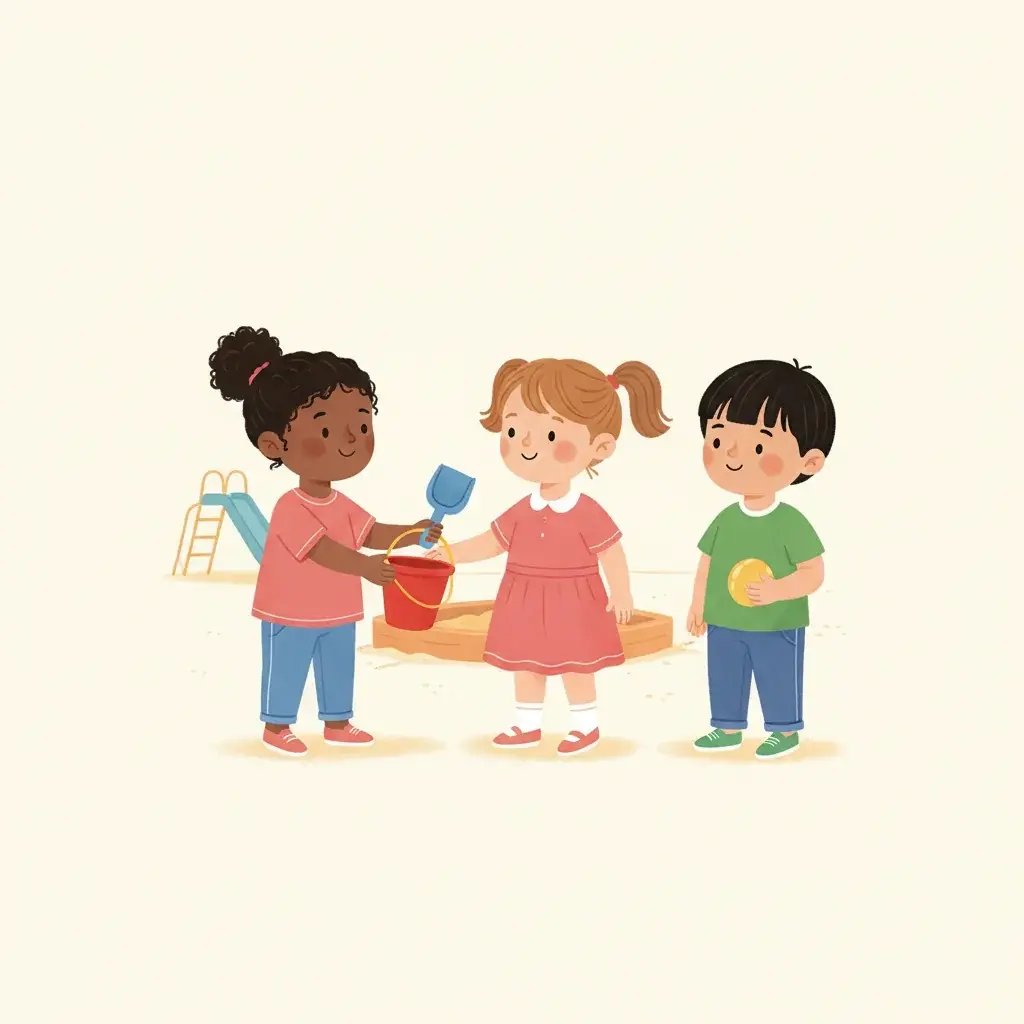 Friendship & PlayFun with Friends: Sharing and Taking TurnsHelp your child learn the importance of sharing and taking turns with this engaging social story. Perfect for preschoolers, it encourages positive interactions with friends.₹20See the story
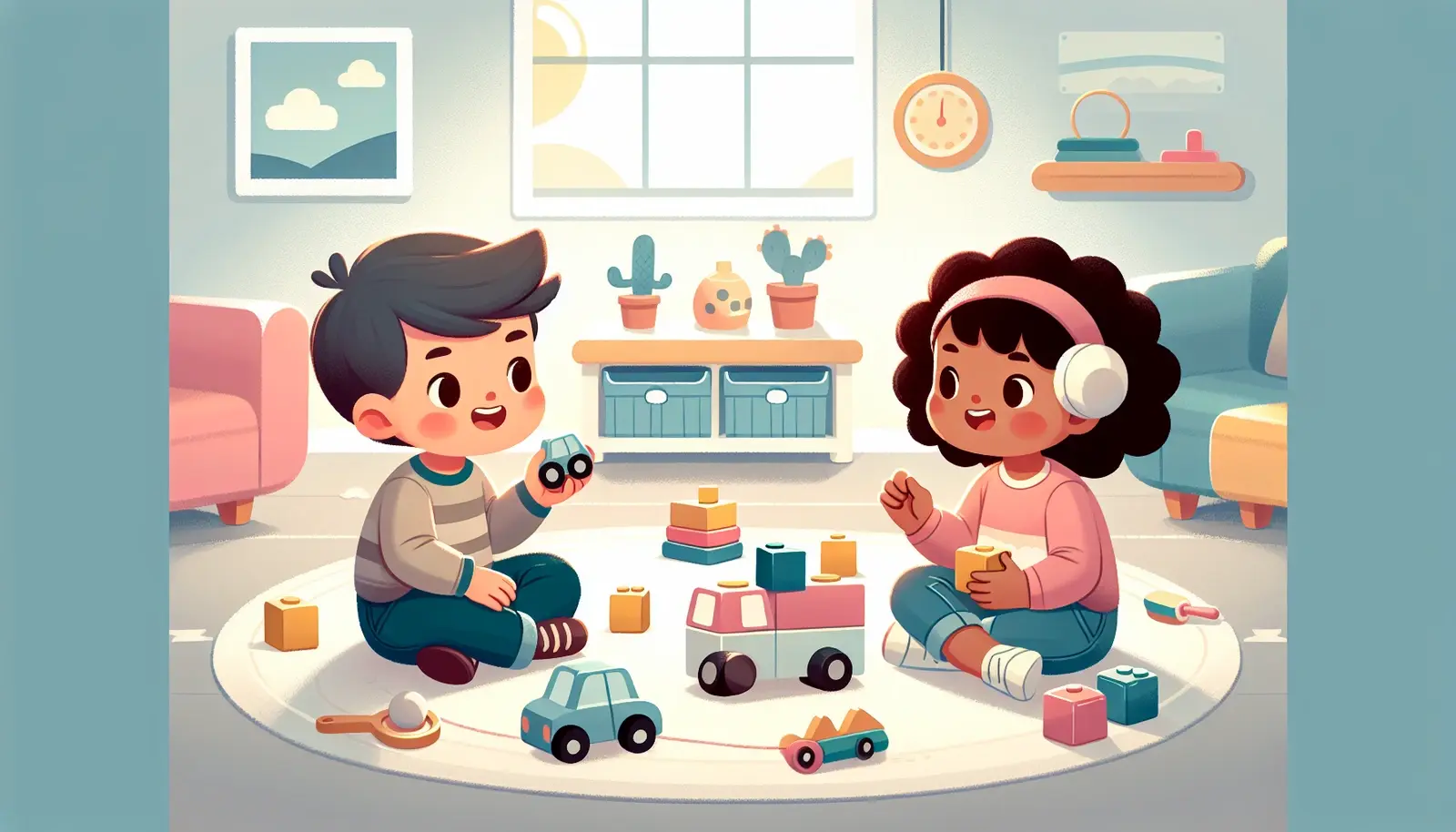 Communication & LanguageListening and Sharing: Respecting What Others SayHelp your child learn the importance of listening and sharing with friends. This printable social story encourages respectful communication and strengthens friendships.₹20See the story
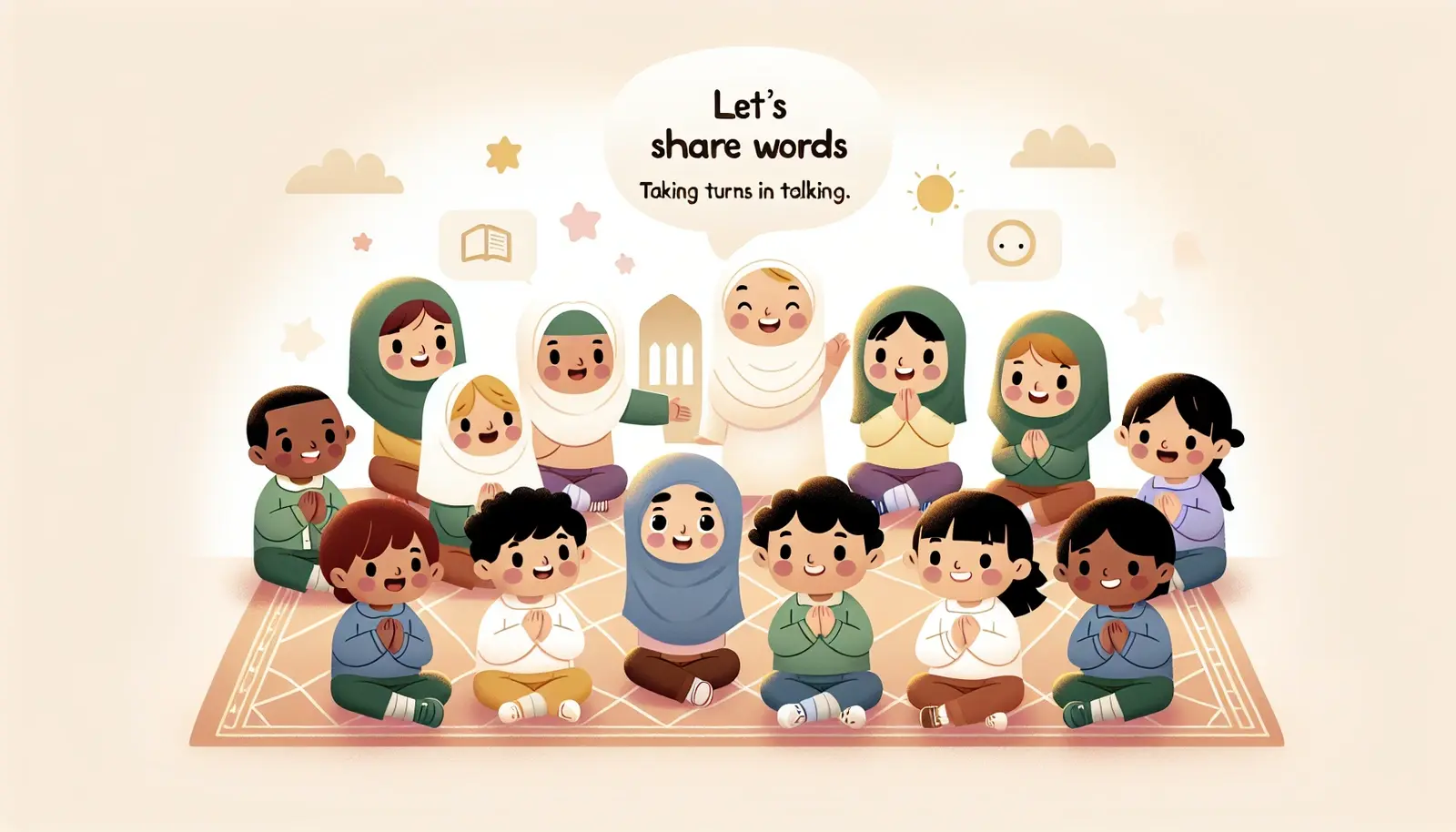 Communication & LanguageLet's Share Words: Taking Turns in TalkingHelp your child learn the importance of taking turns in conversation with this engaging printable social story. Perfect for preschoolers, it encourages sharing words and listening skills.₹20See the story
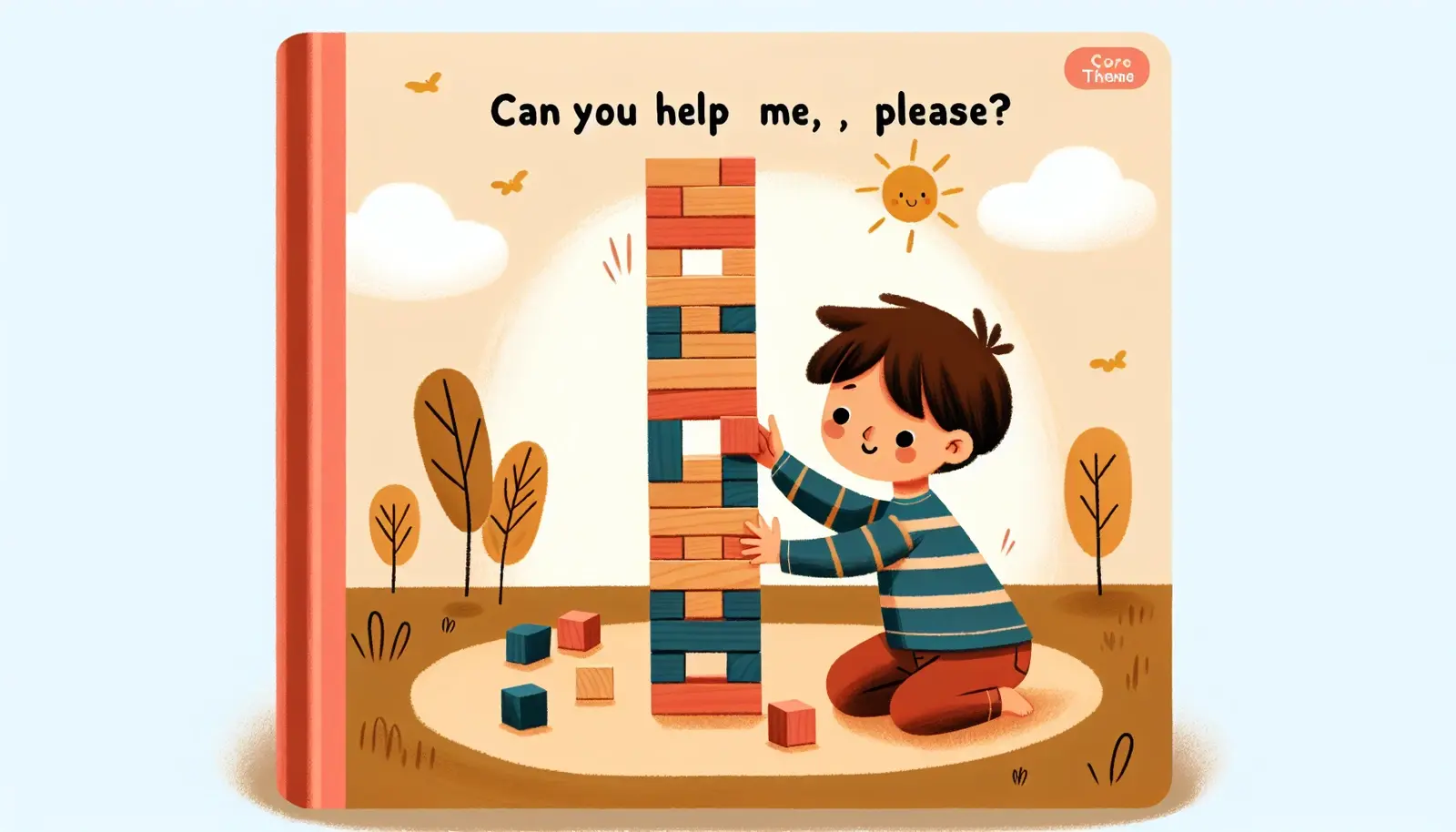 Social SkillsCan You Help Me, Please?This printable social story encourages children to ask for help and promotes teamwork. Perfect for preschoolers learning social skills.₹20See the story
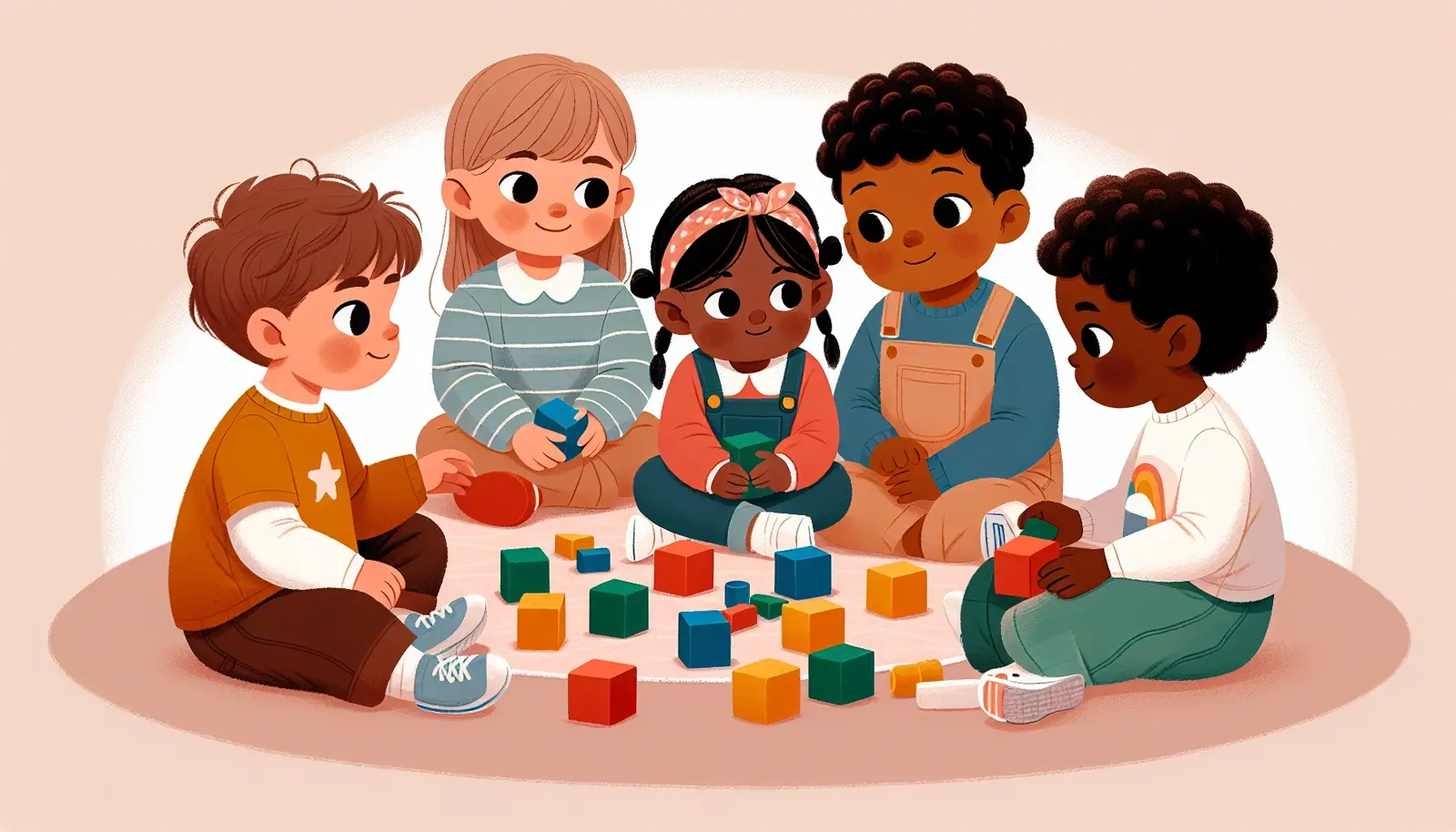 Friendship & PlayLet's Be Friends: Asking to Play TogetherHelp your child learn to ask to play with others through this engaging social story. Perfect for building friendship skills in a supportive way.₹20See the story
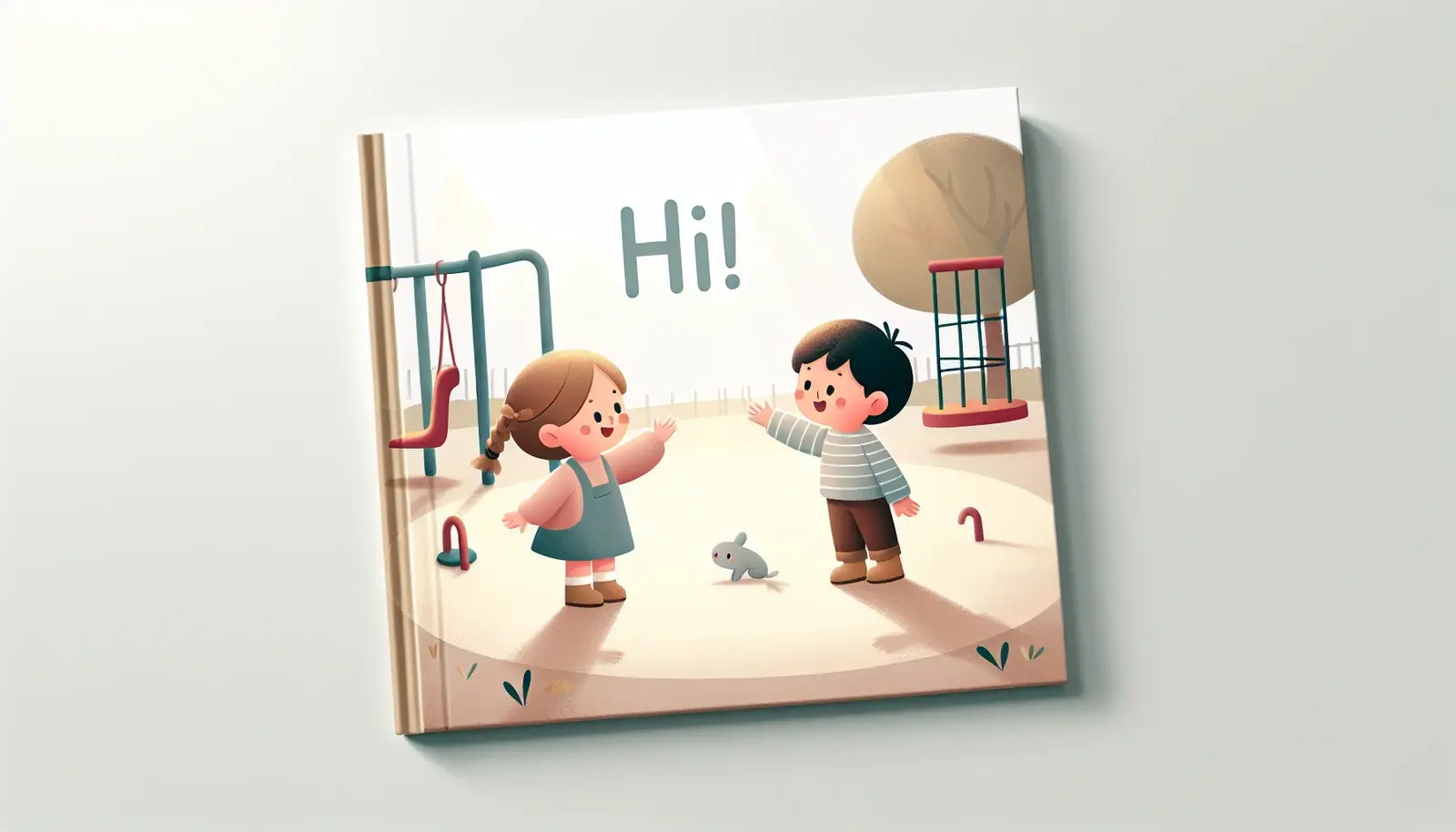 Social SkillsHello, Friend! Learning to Say HiHelp your child learn the joy of greeting friends with this engaging printable social story. Perfect for preschoolers, it encourages social interaction and friendship.₹20See the story
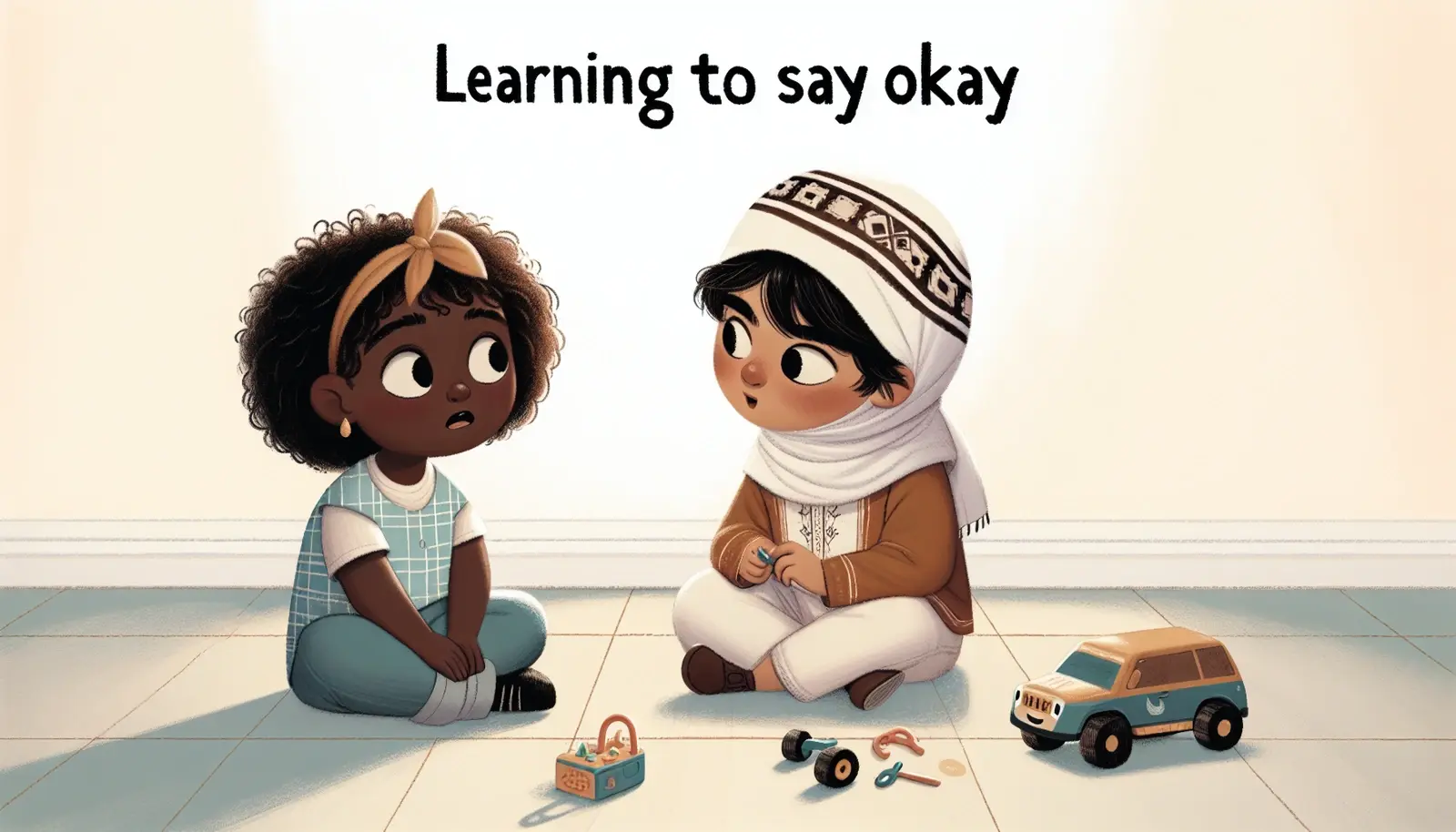 Social SkillsLearning to Say OkayHelp your child learn the importance of saying 'okay' with this engaging social story. Perfect for developing emotional regulation and social skills.₹20See the story
How to use one
One story, one real moment
Pick the moment
Choose a situation coming up soon, or one that keeps being hard: haircuts, bedtime, a new teacher.
Read it when calm
Read together at a quiet time, not in the middle of the hard moment. Let your child turn the pages.
Read it again
Read it in the days before, and keep it where your child can find it. Familiar words help when the moment comes.
Writing your own? Read how to write your first social story and the Carol Gray method, explained.
In the app
Stories, read aloud, with games to practise
The SocialBlossom app has social stories read by a calm voice, plus gentle games for feelings, calm, friends and safe choices. Made for autistic and ADHD kids, played together.
Questions
About social stories
What is a social story?
A social story is a short, calm story about one everyday situation: what happens, what people might feel, and what a child can do. It was first described by Carol Gray. Each one uses simple sentences and a picture on the page, so a child can read it again and again before the real moment.
Do social stories work?
They can help with a specific situation. In the largest trial so far, with 249 autistic children aged 4 to 11 in UK schools, children who used social stories met their own personal goals more often, though wider social measures did not change. That fits how they are best used: one story for one real moment.
How do I use a printable social story?
Print it, read it together at a calm time, and read it again in the days before the situation, like the first day at school or a visit to the dentist. Keep it somewhere your child can find it. Short and often works better than one long talk.
What ages are they for?
Most are written for children about 3 to 10. The sentences are short and literal, so many older children who like clear information find them helpful too.
How do I get the story after I pay?
After checkout you get a link to download the PDF, which you can print at home.
Trial: Wright et al. (2025), ASSSIST-2, Child and Adolescent Mental Health.