Supporting Self-Regulation in Autistic Children: Strategies for Parents
Understanding Self-Regulation in Autistic Children
Self-regulation is a crucial skill for every child, and it can be particularly unique for autistic children. Unlike masking, where a child suppresses their true feelings to fit in, or compliance, where they follow instructions without personal input, self-regulation is about supporting the child's own goals for managing emotions and behaviors. This article is part of our complete guide to Self-Regulation in Kids: A Parent's Complete Guide (CASEL Self-Management).
Self-regulation involves understanding one's own emotions, recognizing how external factors can influence these emotions, and developing strategies to manage them effectively. For autistic children, this means finding ways to manage sensory overload, communicate needs effectively, and use personal interests as calming or focusing tools.
Self-Regulation vs. Masking vs. Compliance
Self-regulation empowers autistic children to manage their feelings and actions in a way that aligns with their internal goals. In contrast, masking involves hiding autistic traits to blend in socially, which can lead to stress and burnout. Compliance often means adhering to external expectations, which might not foster genuine self-regulation skills.
In My Practice
In my practice, I've seen many parents struggle when their child seems to comply in public but melts down at home. This often results from masking, where the child uses up all their energy to appear typical, leaving them exhausted and unable to cope later. Parents find themselves at a loss, wondering why their child is well-behaved at school but struggles at home. This is a classic example of the pitfalls of prioritizing compliance over true self-regulation.
Why Traditional Strategies Often Backfire
Traditional behavior management strategies may not always be effective for autistic children because they often focus on compliance rather than self-regulation. These approaches can overlook the child's unique sensory and emotional needs.
Example: Case of Overwhelming Stimuli
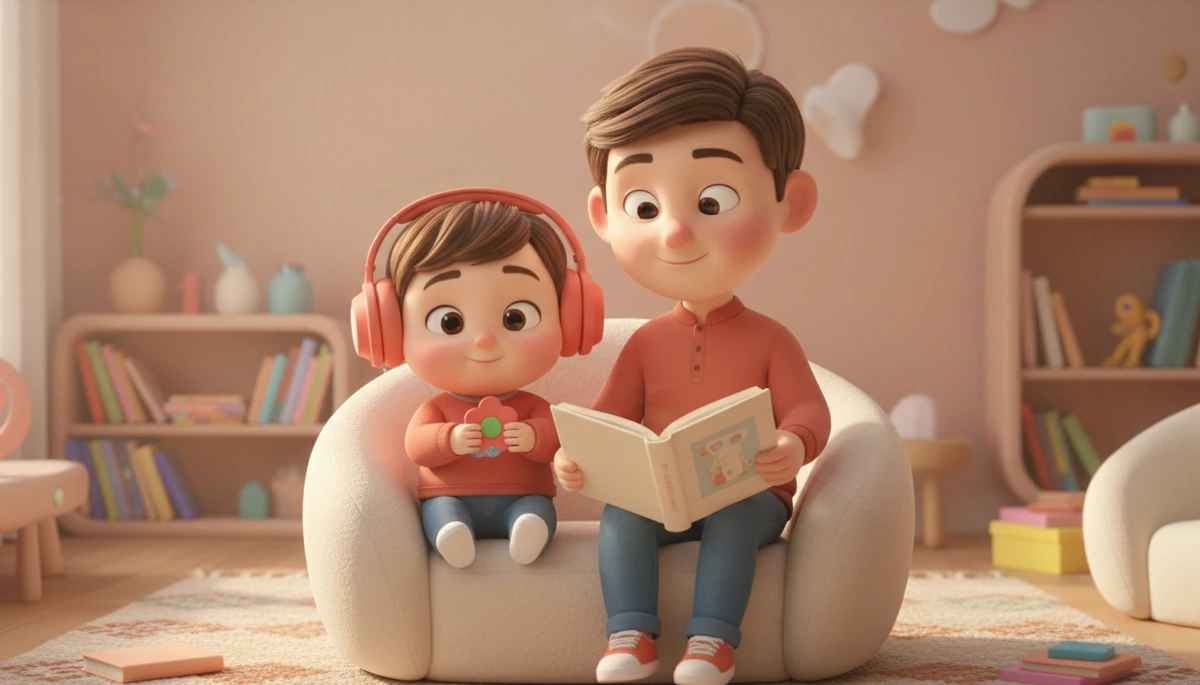
Imagine a child who becomes overwhelmed in a noisy classroom. Traditional strategies might focus on making the child stay and "get used to it." However, this can result in increased anxiety rather than helping the child learn to manage their environment in a supportive way. Instead, offering the child tools, such as noise-cancelling headphones or a quiet space to retreat to, can empower them to manage their sensory input effectively.
- They often ignore the root causes of distress and focus on surface behaviors.
- They may inadvertently reinforce masking by prioritizing outward calm over internal comfort.
- They can result in burnout as children struggle to maintain expected behaviors without the necessary support.
Sensory-First Regulation
Starting with the sensory needs of an autistic child can create a foundation for effective self-regulation. This approach recognizes that sensory experiences significantly impact emotions and behaviors.
Implementing Sensory Strategies
- Identify Triggers: Work with your child to identify sensory triggers such as loud noises or bright lights.
- Create a Sensory Kit: Include items like noise-cancelling headphones, fidget toys, or weighted blankets to help manage sensory overload.
Scripted Dialogue
Instead of saying, "You have to sit still," try, "I see the room is noisy. Would you like to use your headphones or take a break?"

In My Practice: A family I worked with found success by creating a sensory-friendly corner at home. This space included a small tent with soft pillows, dim lighting, and a selection of sensory toys. The child learned to retreat to this area when feeling overwhelmed, which significantly reduced meltdowns and increased their ability to self-regulate.
Special-Interest-Led Regulation Strategies
Autistic children often have deep interests that can be harnessed to support self-regulation. These interests can be powerful tools for calming and focusing.
Using Special Interests
- Scheduled Interest Time: Allow periods in the day where the child engages with their special interest to decompress.
- Incorporate Interests in Learning: Use their interests as a theme for educational content to increase engagement.
Real-Life Script
"I know you love dinosaurs. How about we read a dinosaur book after you finish your homework?"
Example: Harnessing Interests for Regulation Consider a child fascinated by trains. During stressful times, allowing them to watch a short video clip about trains or build a train set can provide comfort and help them transition back to other activities with a calmer state of mind.
Visual Supports That Actually Work
Visual supports can be incredibly effective if tailored to fit the child's needs. Generic emotion charts may not resonate, but personalized visuals can make a difference.
Creating Personalized Visuals
- Custom Schedule Boards: Use visuals to map out daily activities, incorporating favorite themes or characters.
- Emotion Thermometers: Help the child identify and communicate their feelings in a more intuitive way.

Example of Effective Visual Support: One family created a daily schedule using pictures of favorite cartoon characters to signify different parts of the day. This visual aid helped their child anticipate changes and reduced anxiety around transitions.
Co-Regulation in Autistic Families
Co-regulation involves parents guiding the child through emotional and behavioral management, providing a model for self-regulation.
Parent-Side Practices
- Model Calmness: Show how you manage your emotions in stressful situations.
- Create a Safe Space: Designate a calm area at home where the child can decompress.
Example: Morning Routine
In the morning, you might say, "I’m feeling a bit rushed. Let’s take three deep breaths together before we start." This models self-regulation and provides a calming influence.
Practical Co-Regulation During a tense moment, such as preparing for school, a parent might say, "I notice you're feeling stressed about getting dressed. Let's choose one item together to wear," thereby involving the child in decision-making and lowering stress.
When to Bring in Professionals
There are times when additional support from professionals like Speech-Language Pathologists (SLPs), Occupational Therapists (OTs), or psychologists can be beneficial.
Indicators for Professional Support
- Persistent Struggles: If the child faces ongoing challenges despite home strategies.
- Complex Needs: When sensory or communication needs require specialized intervention.
While self-regulation strategies can be very effective, professional guidance can offer tailored approaches to further support the child. Consulting with professionals can provide insights into specific tools and strategies that may not be apparent to parents alone. This support can be crucial for developing a fully supportive environment that respects the child's unique needs.
References
1 Mazefsky, C. A., et al. (2013). The role of emotion regulation in autism. JAACAP 52:679.
2 Shanker, S. (2016). Self-Reg — co-regulation as the path to self-regulation.
3 Howlin, P. & Magiati, I. (2017). Autism spectrum disorder: outcomes in adulthood. Curr Opin Psychiatry.
Try It This Week
Reading is the easy part. Skills build through small, repeated practice — here's a low-pressure plan you can try with your child.
- 1Identify sensory triggersDay 1Observe your child to identify sensory triggers like loud noises or bright lights. Understanding these can help manage environments to support self-regulation.👉 What this looks likeSpend 15 minutes observing your child during play. Note if they react to specific sounds, lights, or textures. For instance, if the vacuum cleaner bothers them, plan to vacuum when they are in another room or offer them noise-cancelling headphones.
- 2Create a sensory kitDay 2-3Assemble a kit with items like headphones and fidget toys to help your child manage sensory overload.👉 What this looks likeGather items such as a stress ball, a small weighted blanket, and noise-cancelling headphones into a backpack. Explain to your child, "This is your calming bag. You can use it whenever you feel overwhelmed." Encourage its use during potentially stressful times, like car rides or crowded outings.
- 3Schedule interest timeDaily 30 minDedicate daily time for your child to engage with their special interest, allowing them to decompress and refocus.👉 What this looks likeSet aside 30 minutes after school for your child to work on their model train set. Say, "You can play with your trains before we start homework. This is your time to relax and enjoy." This helps them transition out of school mode and into a calmer state.
- 4Use visual supportsThis weekendImplement personalized visual aids to help your child anticipate daily routines and manage emotions.👉 What this looks likeCreate a daily schedule chart with your child’s favorite characters. For example, use a superhero for playtime and a turtle for quiet time. Go over the chart each morning, saying, "Here's our plan for today," helping them feel prepared and less anxious about transitions.
- 5Practice co-regulationOnce this weekModel calmness and engage in joint calming activities to support your child's emotional management.use this story →👉 What this looks likeDuring a busy morning, pause and say, "Let's take a calming break together." Sit in a quiet area, hold their hand, and breathe deeply, modeling calmness and encouraging them to join in. This shared activity can teach your child how to regulate their emotions in a supportive way.
Frequently Asked Questions
What is self-regulation in autistic children?
How does self-regulation differ from masking and compliance?
What role do sensory strategies play in self-regulation?
How can special interests support self-regulation in autistic children?
When should parents seek professional help for self-regulation challenges?
References