Supporting Self-Regulation in Children: Strategies and Insights

Understanding Self-Regulation in Kids
Self-regulation is the ability to manage one's emotions, thoughts, and behaviors effectively in different situations. It's a crucial life skill that helps children navigate challenges and interactions with others. But what happens when children struggle with self-regulation? How can parents support them?
The Role of Co-Regulation
Co-regulation is the foundational step in teaching self-regulation. Derived from Vygotsky's Zone of Proximal Development, co-regulation involves an adult—often a parent—helping a child manage their emotions and behaviors 3. This support is essential because young children inherently lack the ability to self-regulate independently.
Research by Shanker emphasizes that co-regulation is the path to self-regulation. It involves modeling calm behavior and providing a supportive presence that guides children through emotional turmoil 4. During these interactions, children learn to recognize and manage their feelings, gradually building self-regulation skills.
In my practice, I've seen many parents feel guilty when their children can't calm down independently. Understanding the importance of co-regulation relieves this guilt, reframing it as a necessary step in development.
Moreover, co-regulation is not a one-size-fits-all approach. It requires attunement to individual children's needs, which can vary significantly. For some, a gentle touch and soothing words might suffice, while others might need a more structured approach, such as a visual schedule or a designated calming space.
Why Self-Regulation Matters
Self-regulation is linked to positive outcomes in health, social relationships, and academic success. Moffitt et al. found that children with strong self-control had better health, wealth, and public safety outcomes later in life 5. Teaching children to self-regulate can set the stage for lifelong success.
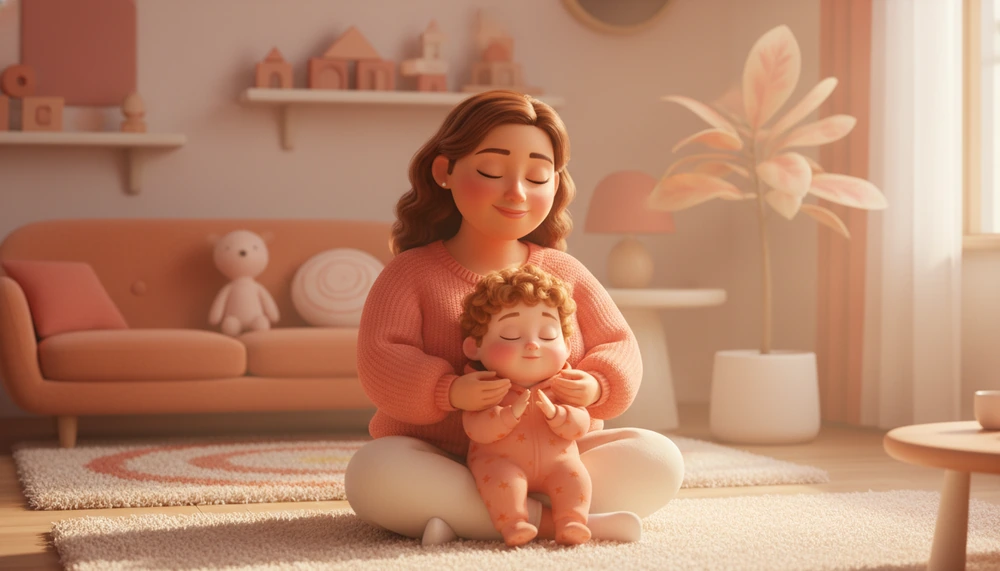
The ability to self-regulate is not just about managing one's own emotions; it's about creating a foundation for healthy relationships and effective communication. Children who can regulate their emotions are better equipped to handle conflicts and express themselves in socially appropriate ways.
In This Guide
- Co-Regulation Explained: Why Young Kids Can't Self-Regulate Alone
- Calm-Down Corner Setup: 12 Items Every Kid Needs
- Deep Breathing for Kids: 8 Techniques That Actually Work
- Self-Regulation Strategies for Autistic Children
Developing Self-Regulation: The CASEL Framework
The CASEL framework outlines five core competencies essential for social-emotional learning (SEL): self-awareness, self-management, social awareness, relationship skills, and responsible decision-making 1. Self-management, in particular, is closely related to self-regulation.
Self-Management Skills for Kids
Self-management involves setting goals, managing stress, and regulating emotions. It allows children to control impulses and stay focused on tasks. This competency is crucial for developing independence and resilience.
Example Scenario: Imagine a child named Mia who often gets frustrated during homework. By teaching her self-management skills, such as taking breaks or using deep breathing techniques, Mia can learn to manage her frustration and focus on her tasks.
Developing self-management in children can be a gradual process. Parents can start by helping their child set small, achievable goals, like completing a puzzle or reading a short book. Celebrating these small victories can boost a child's confidence and motivation to tackle more challenging tasks.

Teaching Self-Regulation Through Activities
Activities that promote self-regulation can be both fun and educational. They help children practice managing their emotions in a safe environment.
Self-Regulation Activities
- Deep Breathing Exercises: A simple yet effective way to calm the mind and body. Encourage your child to take slow, deep breaths when they feel overwhelmed. Consider using the Dragon Breaths to Calm Down - Printable Social Story to make it engaging.
- Mindfulness Practices: Activities like yoga or guided meditation can enhance focus and emotional regulation.
- Emotion Identification Games: Help children label and express their emotions through games or role-playing.
- Creating a Calm-Down Corner: Designate a space where your child can retreat to calm down. Include sensory tools, books, and comfort items. Learn more about setting up a calm-down corner.
Scripted Dialogue: When your child is upset, instead of saying "Calm down," try "I see you're feeling angry. Let's go to the calm-down corner and breathe together." This reinforces co-regulation and self-regulation learning.
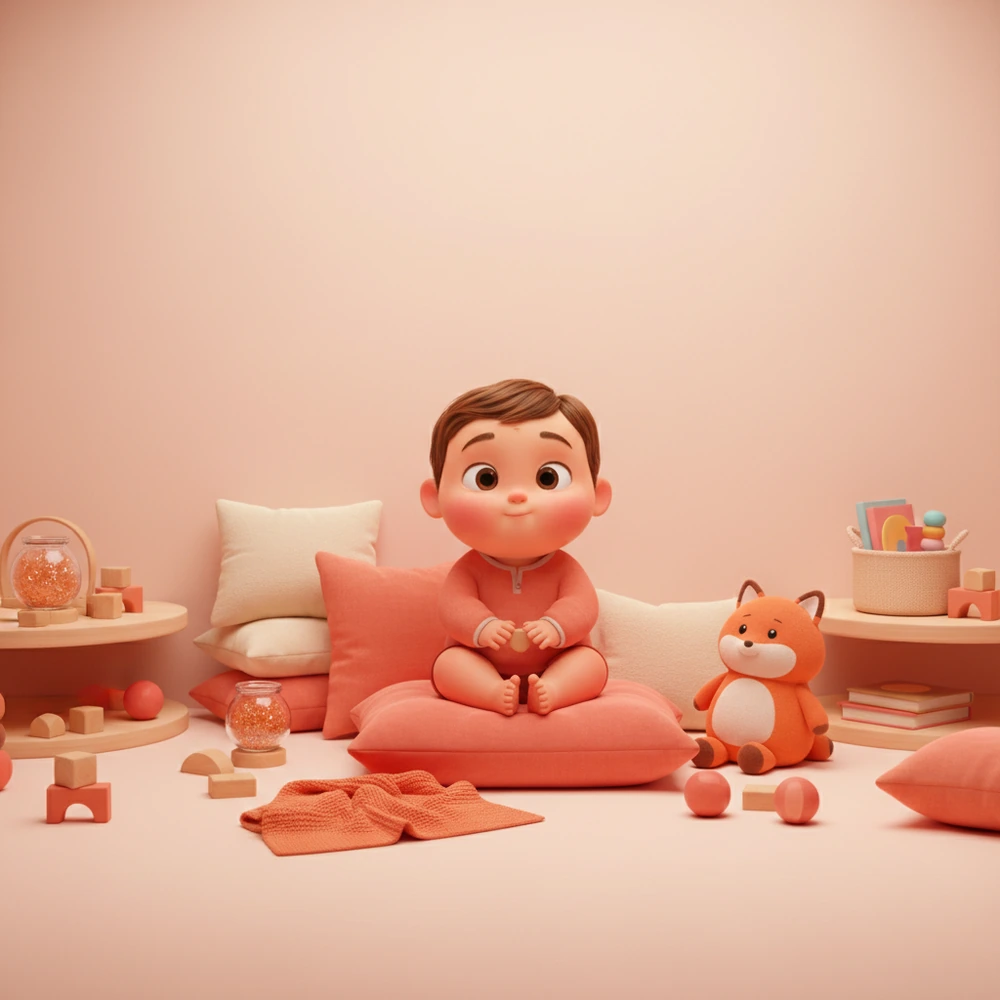
In my practice, I often recommend incorporating self-regulation activities into daily routines. For example, a family might schedule a "mindfulness minute" before dinner, where everyone takes a moment to breathe deeply and share something positive from their day.
Emotional Regulation in Kids
Emotional regulation is a subset of self-regulation that specifically involves managing emotions. It includes recognizing, understanding, and responding to emotions in a healthy way 7.
Strategies for Emotional Regulation
- Labeling Emotions: Encourage your child to name their feelings. Use books or social stories like Finding Calm: My Upset to Happy Journey to facilitate this process.
- Modeling Behavior: Demonstrate how to handle emotions by expressing your feelings openly and calmly.
Example: Picture this—Liam, feeling sad after losing a game, is comforted by his mom. She says, "It's okay to feel sad. Let's talk about it and find something fun to do." This approach helps Liam understand and manage his emotions.
Emotional regulation is not just about avoiding negative feelings; it's about understanding and expressing them constructively. Teaching children to express their emotions through art, music, or storytelling can provide healthy outlets for their feelings.
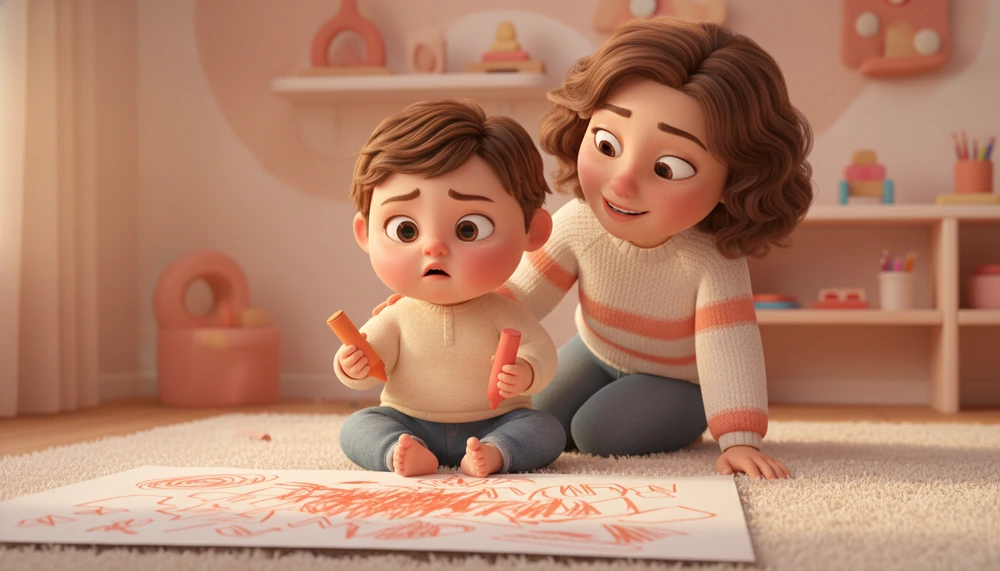
Co-Regulation: A Parent's Role
Co-regulation is not just about calming a child but involves teaching and guiding them through emotional challenges. It requires patience and consistency.
Techniques for Effective Co-Regulation
- Stay Calm: Your calm presence provides a model for your child to follow.
- Use Gentle Touch: Physical reassurance like a hug can help soothe anxiety.
- Be Present: Actively listen to your child's concerns and validate their feelings.
In my practice, I encourage parents to use co-regulation as a tool for connection. One family I worked with found success by incorporating a nightly routine of talking about the day's emotions, which helped their child feel supported and understood.
Parents can also use co-regulation as an opportunity to teach problem-solving skills. For example, if a child is upset about a broken toy, a parent might say, "Let's see if we can fix it together," turning a moment of distress into a collaborative effort.
Teaching Self-Control to Children
Self-control is a crucial aspect of self-regulation that involves managing impulses and delaying gratification. Bandura's social cognitive theory highlights the importance of self-regulation in achieving personal goals 6.
Practical Tips for Teaching Self-Control
- Set Clear Expectations: Establish rules and consequences to guide behavior.
- Practice Delayed Gratification: Use games like "Simon Says" to teach patience.
Worked Example: During a trip to the store, you might say, "We will buy ice cream after we finish shopping." This simple promise helps teach delayed gratification and impulse control.
Teaching self-control can also involve creating "if-then" scenarios. For instance, "If you finish your homework, then you can have 10 extra minutes of playtime." This helps children understand the reward of managing their impulses.
Supporting Self-Regulation in Neurodivergent Kids
Children with ADHD, autism, or other neurodivergent conditions may face unique challenges with self-regulation. It's important to approach these challenges with empathy and understanding.
Tailored Strategies for Neurodivergent Children
- Use Visual Supports: Tools like picture schedules can help children anticipate and manage transitions.
- Incorporate Sensory Activities: Sensory play can regulate overstimulation and enhance focus. Explore self-regulation strategies for autistic children for more insights.
Example: For an autistic child who struggles with transitions, using a visual timer can help them prepare for change. "In 5 minutes, we'll switch from playtime to dinner. Let's set the timer together." This approach offers predictability and reduces anxiety.
In my practice, I've seen visual supports transform a child's ability to cope with daily changes. One family implemented a picture schedule and noticed their child was less anxious and more cooperative during transitions.
Responsible Decision-Making and Self-Regulation
Responsible decision-making is intertwined with self-regulation. It involves making choices that are informed, thoughtful, and considerate of others.
Encouraging Responsible Decision-Making
- Discuss Consequences: Talk about the outcomes of different choices to help your child think ahead.
- Role-Playing Scenarios: Use role-playing to practice decision-making in a safe environment.
Scripted Dialogue: "What do you think will happen if we choose to leave the park now? How about if we stay a bit longer?" Encouraging reflection helps children weigh their options and learn from experience.
Responsible decision-making can also be supported through storytelling. Reading books with moral dilemmas and discussing the characters' choices helps children consider different perspectives and outcomes.
Conclusion: Building a Foundation for Life
Self-regulation is a journey that begins with co-regulation and evolves as children grow. By supporting them with empathy, patience, and practical tools, parents can help their children develop the skills they need to navigate life's challenges with confidence.
References
1 CASEL.org. (n.d.). What is the CASEL Framework? Retrieved from https://casel.org/fundamentals-of-sel/what-is-the-casel-framework/
2 Kopp, C. B. (1989). Regulation of distress and negative emotions: A developmental view. Developmental Psychology, 25(3), 343-354.
3 Vygotsky, L. (1978). Mind in Society: The Development of Higher Psychological Processes. Cambridge, MA: Harvard University Press.
4 Shanker, S. (2016). Self-Reg: How to Help Your Child (and You) Break the Stress Cycle and Successfully Engage with Life. Toronto: Penguin Press.
5 Moffitt, T. E., Arseneault, L., Belsky, D., Dickson, N., Hancox, R. J., Harrington, H., ... & Caspi, A. (2011). A gradient of childhood self-control predicts health, wealth, and public safety. Proceedings of the National Academy of Sciences, 108(7), 2693-2698.
6 Bandura, A. (1991). Social cognitive theory of self-regulation. Organizational Behavior and Human Decision Processes, 50(2), 248-287.
7 Brackett, M. (2019). Permission to Feel: Unlocking the Power of Emotions to Help Our Kids, Ourselves, and Our Society Thrive. New York: Celadon Books.
Try It This Month
Reading is the easy part. Skills build through small, repeated practice — here's a low-pressure plan you can try with your child.
- 1Model calm behaviorDay 1Demonstrate self-regulation by handling your emotions visibly and calmly to set an example for your child.👉 What this looks likeNext time you feel frustrated, like when you're stuck in traffic or dealing with a long line, narrate your process out loud: "I'm feeling impatient. Let's take a deep breath together." By showing your child how to manage frustration, you provide them with a real-life example of self-regulation.
- 2Create a calm-down cornerThis weekendSet up a designated space for your child to retreat and relax when feeling overwhelmed.learn more here →👉 What this looks likeChoose a corner in your living room or your child's bedroom and fill it with pillows, a favorite blanket, and sensory toys. Explain to your child that this is their special place to go when they need a moment to calm down. Encourage them to use it whenever they feel upset or anxious.
- 3Practice deep breathingDaily 5 minTeach your child to use deep breathing as a tool to calm down in stressful situations.Dragon Breaths to Calm Down →👉 What this looks likeStart each day with a few minutes of deep breathing exercises. Sit together with your child and encourage them to breathe in deeply through the nose and out through the mouth. Use the "Dragon Breaths to Calm Down" story to make it engaging.
- 4Use emotion identification gamesOnce a weekHelp your child learn to label and express their emotions through interactive games.👉 What this looks likePlay a game where you and your child take turns acting out different emotions. Ask your child to guess the emotion you're displaying and discuss times they have felt the same way. This activity helps them recognize and verbalize their feelings.
- 5Incorporate mindfulnessEvenings, 5 minIntroduce short mindfulness practices into daily routines to enhance focus and calm.👉 What this looks likeBefore bedtime, guide your child through a simple mindfulness exercise. Ask them to close their eyes and focus on the sounds they hear, the sensation of the bed beneath them, or their breath. This practice can help them relax and prepare for sleep.
- 6Discuss consequences of actionsTwice a weekUse storytelling to help your child understand the impact of their decisions.👉 What this looks likeRead a story together and discuss the characters' choices. Ask your child what they think about the decisions made and what they would have done differently. This helps them learn to think ahead and consider consequences.
- 7Encourage role-playingWeekend activityUse role-playing to practice decision-making skills in a supportive environment.👉 What this looks likeCreate a scenario, such as deciding what to do if they find a lost toy at the park. Role-play different outcomes and discuss which decision feels right and why. This builds confidence in making thoughtful choices.
Frequently Asked Questions
What is self-regulation in children?
How can I teach my child self-regulation?
Why is co-regulation important?
What strategies work for neurodivergent children?
How does self-regulation affect academic success?
Can storytelling help with self-regulation?
References
- CASEL.org. (n.d.). What is the CASEL Framework? Retrieved from https://casel.org/fundamentals-of-sel/what-is-the-casel-framework/
- Kopp, C. B. (1989). Regulation of distress and negative emotions: A developmental view. Developmental Psychology, 25(3), 343-354.
- Vygotsky, L. (1978). Mind in Society: The Development of Higher Psychological Processes. Cambridge, MA: Harvard University Press.
- Shanker, S. (2016). Self-Reg: How to Help Your Child (and You) Break the Stress Cycle and Successfully Engage with Life. Toronto: Penguin Press.
- Moffitt, T. E., Arseneault, L., Belsky, D., Dickson, N., Hancox, R. J., Harrington, H., ... & Caspi, A. (2011). A gradient of childhood self-control predicts health, wealth, and public safety. Proceedings of the National Academy of Sciences, 108(7), 2693-2698.
- Bandura, A. (1991). Social cognitive theory of self-regulation. Organizational Behavior and Human Decision Processes, 50(2), 248-287.
- Brackett, M. (2019). Permission to Feel: Unlocking the Power of Emotions to Help Our Kids, Ourselves, and Our Society Thrive. New York: Celadon Books.