April: From Autism Awareness to Acceptance in Your Home

The History: 'Awareness' vs 'Acceptance'
In 2007, the United Nations established World Autism Awareness Day to bring global attention to the needs and rights of individuals with autism 2. While this initiative increased visibility, many within the autistic community felt that mere awareness wasn't enough. In 2011, the Autistic Self Advocacy Network (ASAN) spearheaded a shift towards Autism Acceptance Month, arguing that understanding and embracing autism fosters genuine inclusion and respect 1.
Awareness often focuses on identifying autism and understanding its challenges, but acceptance encourages a deeper appreciation of autistic individuals' unique contributions to society. By promoting acceptance, families and communities can work together to create environments where autistic individuals feel valued and included.
This article is part of our complete guide to Awareness Months: A Year-Round SEL Calendar for Families.
Why the Autistic Community Pushed for the Change
The move from awareness to acceptance is rooted in the desire for autistic individuals to be seen and valued for who they are, not just as subjects of awareness. Acceptance emphasizes understanding autistic experiences and respecting neurodiversity, moving beyond stereotypes and misconceptions.
In my practice, I've seen many parents initially focus on awareness activities, such as wearing blue or participating in awareness walks. However, when they shift towards acceptance, they find more meaningful connections by engaging in activities that honor their child's unique strengths and perspectives. This change often leads to a more supportive and inclusive environment at home and in the community.
Concrete Example: Imagine your child is preparing a presentation about their favorite hobby. Instead of focusing solely on their ability to deliver the presentation traditionally, emphasize their enthusiasm and deep knowledge about the topic. Celebrate these strengths with family and friends, showing your child that their unique interests are valued.
What 'Acceptance' Looks Like at Home This April
To foster acceptance at home, focus on activities that celebrate your child's unique abilities. Here are some ideas:
- Story Time: Read books featuring autistic characters or themes of acceptance. This can help children understand and appreciate diversity.
- Creative Projects: Encourage your child to express themselves through art or music. Celebrate their creativity and individuality.
- Family Discussions: Talk openly about autism and neurodiversity. Use simple language to explain what autism is and why acceptance is important.
Scripted Dialogue Example:
Instead of saying, "We need to be aware of autism," you might try, "Let's learn about and celebrate all the things that make people unique, just like you and your friends."
In My Practice Example:
In my practice, I've worked with a family who transformed their approach by hosting a family movie night featuring films with autistic characters. After watching, they discussed the characters' traits and how they related to real-life experiences. This not only enhanced understanding but also strengthened family bonds.

Light It Up Blue vs Red Instead vs Gold Infinity
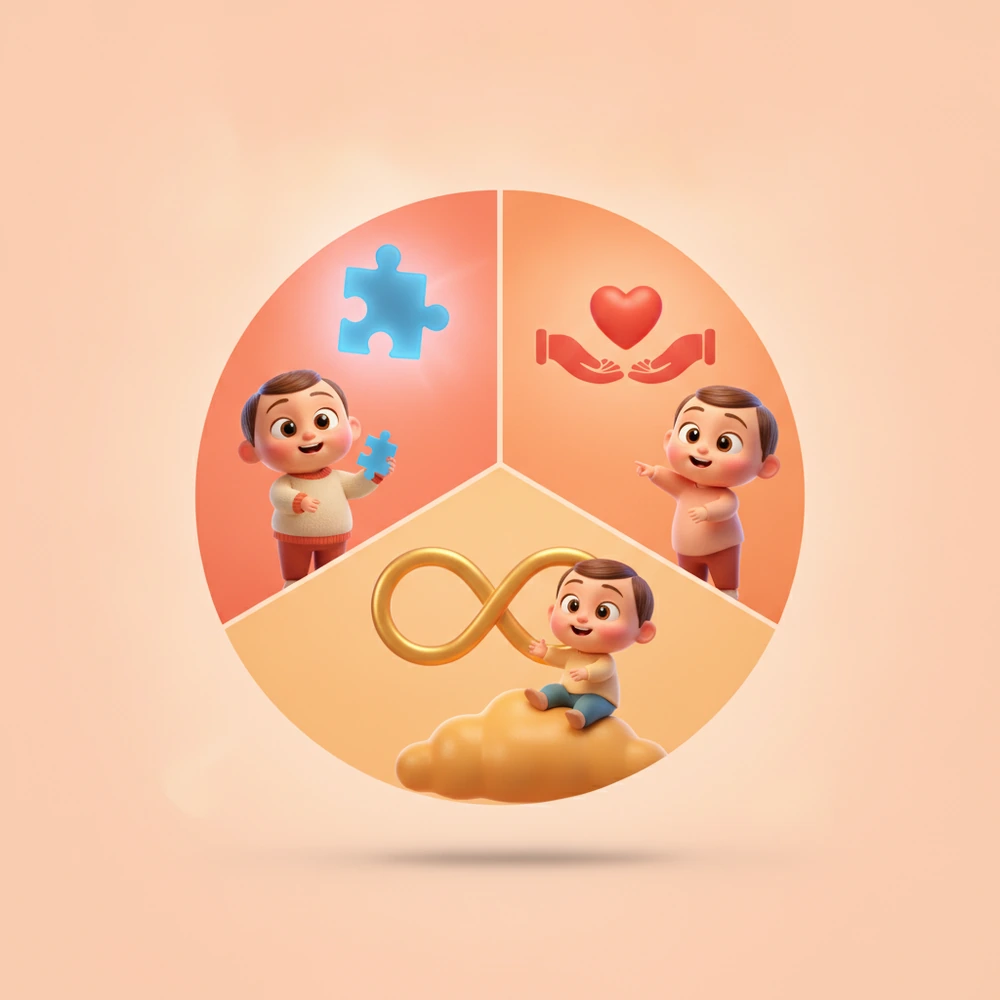
Color symbolism plays a significant role in autism advocacy. "Light It Up Blue" was popularized by Autism Speaks to promote awareness. However, many in the autistic community prefer "Red Instead" or the "Gold Infinity" symbol, which represent acceptance and neurodiversity 1.
Choosing the right symbol is a personal decision. It can help align your family's values with those of the autistic community, emphasizing acceptance over mere awareness.
Example Decision-Making:
During a family meeting, discuss the various symbols and their meanings. Decide together which symbol best represents your family's commitment to acceptance and display it proudly in your home or on social media.
Books to Read with Your Kids This April
Books are a powerful tool for building empathy and understanding. Here are some recommended reads:
- "El Deafo" by Cece Bell - A graphic memoir about growing up deaf, which can spark discussions on differences and acceptance.
- "All My Stripes: A Story for Children with Autism" by Shaina Rudolph and Danielle Royer - Explores the diversity within autism, encouraging kids to embrace their unique stripes.
Reading these books together can open conversations about acceptance and the value of diversity.
Family Reading Night:
Host a family reading night where everyone selects a book that resonates with them. After reading, share thoughts on how the stories reflect themes of acceptance and diversity, creating a platform for open dialogue.
Activities That Build Belonging (Not Pity)
To create a sense of belonging, focus on activities that promote inclusivity and respect:
- Play Dates with Purpose: Organize inclusive playdates where children can learn from each other through shared experiences. Use Sharing Toys with Friends - Printable Social Story to guide these interactions.
- Community Engagement: Volunteer as a family at local autism-friendly events. This can foster empathy and understanding.
Example Activity:
Imagine hosting a "diversity day" at home where each family member shares something unique about themselves. This can be a fun way to celebrate differences and build a supportive family culture.
In My Practice Example:
In my practice, I encouraged a family to organize a talent show in their neighborhood. Each child showcased a talent, and the event celebrated the diversity of abilities and interests, promoting a strong sense of community and belonging.

Talking to Teachers About Acceptance vs Awareness
Communicating with your child's educators about the importance of acceptance can enhance their learning environment. Here are some tips:
- Share Resources: Provide teachers with materials that explain the significance of acceptance.
- Collaborative Planning: Work with teachers to integrate acceptance-focused activities into the classroom.
- Open Dialogue: Encourage regular discussions with teachers about your child's needs and strengths.
In My Practice Moment:
I once collaborated with a teacher who initially focused on awareness by hosting autism-themed events. After discussing the benefits of acceptance, she began incorporating stories and activities that highlighted diversity and inclusion. The change was palpable, with students showing more empathy and understanding towards their autistic peers.
Concrete Example:
Consider scheduling a meeting with your child's teacher to discuss integrating a "Buddy System" in the classroom, where students are paired to support each other's learning and social interactions. This approach fosters mutual respect and understanding.
Free Download: 30 Days of Acceptance Calendar
To help families embrace acceptance throughout April, we've created a downloadable calendar featuring daily activities that promote understanding and inclusivity. This calendar is an excellent tool for integrating acceptance into your family's routine.
Activity Highlight:
Each day includes a simple action, such as "Compliment a peer for a unique talent" or "Share a story about kindness." These small steps can significantly impact your child’s perception of diversity and acceptance.
References
1 ASAN. (n.d.). Acceptance vs Awareness. Retrieved from https://autisticadvocacy.org
2 UN. (2007). World Autism Awareness Day, A/RES/62/139. Retrieved from https://www.un.org
3 Pearson, A., & Rose, K. (2021). Conceptual analysis of autistic masking. Autism in Adulthood. Retrieved from https://doi.org
Try It This Month
Reading is the easy part. Skills build through small, repeated practice — here's a low-pressure plan you can try with your child.
- 1Host a Family Reading NightThis weekendChoose a book about autism or diversity. Discuss its themes to promote understanding and acceptance.explore more stories →👉 What this looks likeGather your family for a reading night. Select "All My Stripes" and read together. Afterward, discuss how the story portrays autism and what acceptance means. Encourage everyone to share their thoughts on diversity and empathy.
- 2Create a Symbol Craft DayDay 1Make crafts of autism advocacy symbols. Talk about their meanings to foster family values.👉 What this looks likeSet up a craft station with paper, colors, and scissors. Make a Gold Infinity symbol together. Discuss what each symbol means and why your family chose it. Display the crafts proudly in your home.
- 3Plan an Inclusive PlaydateNext SaturdayInvite friends for a playdate focused on inclusivity. Use social stories to guide interactions.use this story →👉 What this looks likeInvite friends from school for a playdate. Use the "Sharing Toys with Friends" social story to teach sharing and empathy. Encourage children to discuss what they enjoy about playing together and how they can support one another.
- 4Discuss Autism with TeachersThis weekMeet teachers to discuss integrating acceptance into the classroom activities.👉 What this looks likeSchedule a meeting with your child's teacher. Share resources on autism acceptance and suggest activities like a 'Buddy System.' Discuss how these can support all students in understanding and respecting diversity.
- 5Celebrate Diversity Day at HomeDay 10Host an event where family members share unique talents, promoting acceptance and belonging.👉 What this looks likeOrganize a Diversity Day at home. Each family member presents a talent or interest. For example, have a child perform a magic trick or showcase a drawing. Discuss everyone's unique qualities and how they contribute to the family.
- 6Volunteer at an Autism EventThis monthParticipate in a local autism event as a family to foster community empathy.👉 What this looks likeFind a local autism-friendly event and volunteer as a family. Discuss the event's goals and how your participation helps promote acceptance and understanding in the community. Reflect on the experience together afterward.
- 7Download and Use Acceptance CalendarDailyUse the 30 Days of Acceptance calendar to integrate daily activities.download the calendar →👉 What this looks likeDownload the calendar and place it in a visible spot. Each day, pick an activity like 'Compliment a peer for a unique talent' and encourage your child to complete it. Discuss the activity's impact in your child's perception of diversity and acceptance.
Frequently Asked Questions
Why shift from autism awareness to acceptance?
How can families promote autism acceptance at home?
What are some symbols associated with autism advocacy?
What books can help teach children about autism?
How can schools incorporate autism acceptance?
What activities build belonging for autistic children?
How does acceptance benefit autistic individuals?
References