 Free
Meet the Feelings
Meet happy, sad, angry and scared: what each one looks like on a face, in the body, and when it happens. Then copy the face.
For autistic and ADHD kids, 3 to 10
90 games for feelings, calm, friendship and good choices. No wrong answers, no timers, no ads. A calm voice reads everything, and you play together.
Start here
Made for autistic and ADHD kids. Several start with a short video of a child in a real moment, then let your child try it.
FreeMeet happy, sad, angry and scared: what each one looks like on a face, in the body, and when it happens. Then copy the face.
 Free
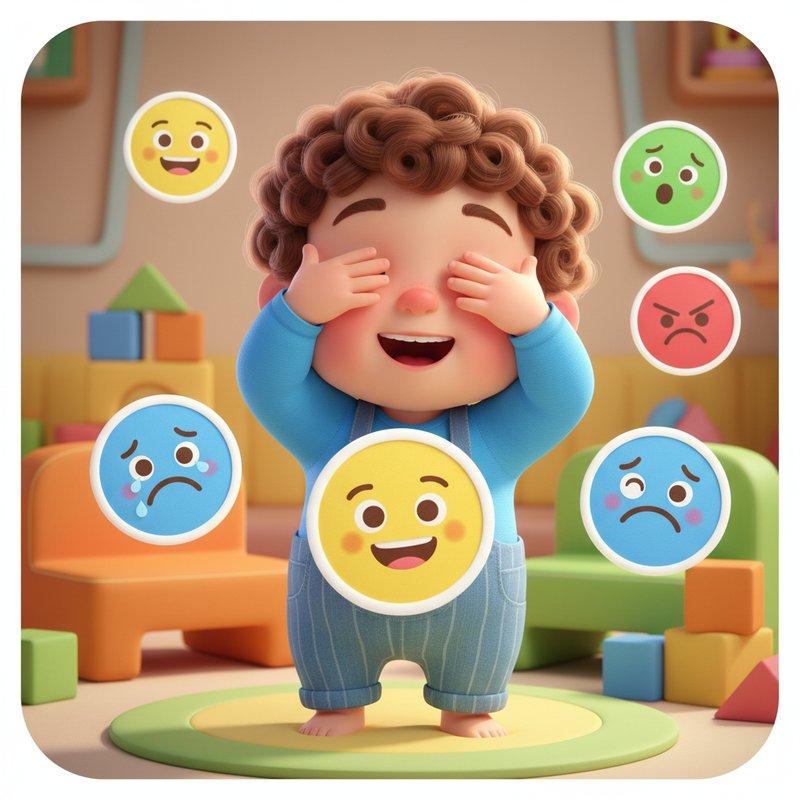
Open the curtain, the door or the box, and name the hiding friend's feeling. A different tap gets a gentle clue.
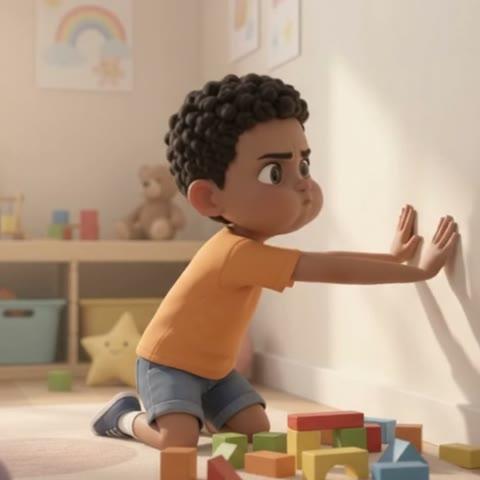
While calm, meet five tools (push, jump, squeeze, a quiet spot, smell and blow). Watch each one, try it together, keep your favourites.
 Free
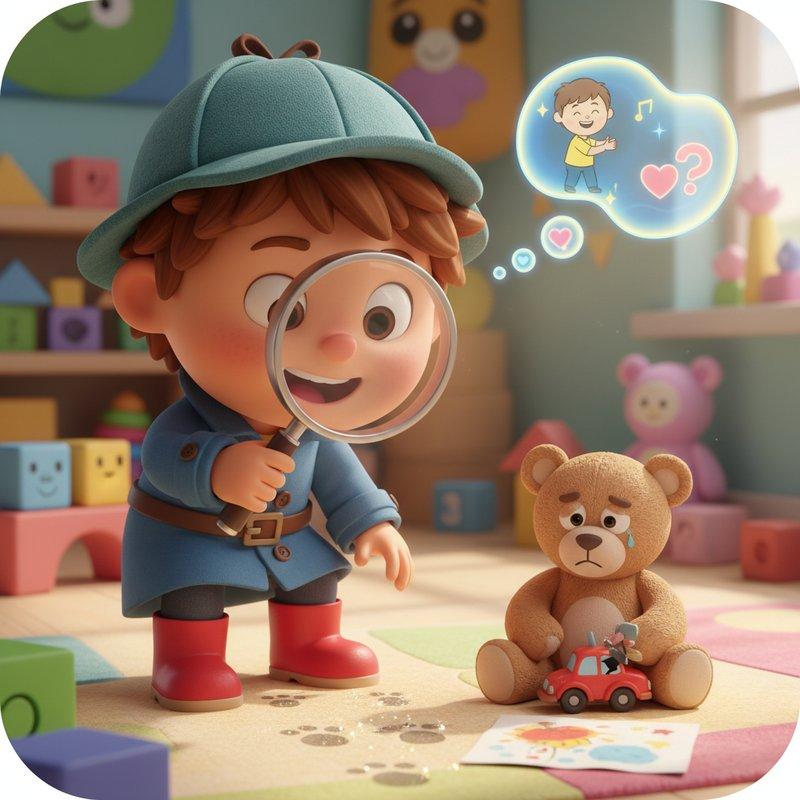
Watch what happens to a child, guess how they feel, then lift the cloud to see. Later, work out what happened from the feeling.
 Free
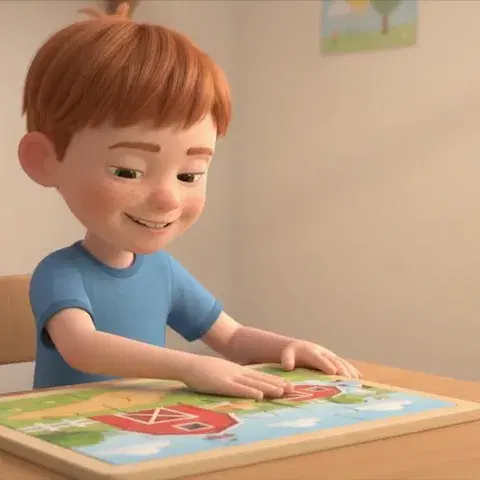
Watch a child get stuck and find a new way. Then gently tricky puzzles: try again, ask for help, or take a break. All three count.
 Free
When a plan breaks, notice the feeling, calm the body and pick a Plan B. “Still sad” is always a real answer.
How it feels to play
A different choice gets a gentle clue and another look. No buzzers, no red crosses, no scores.
No flashing, no sudden sounds, no timers. Tricky steps are announced before they happen.
A calm voice reads every line. Children answer by tapping big pictures.
Short games for you and your child. The newest ones end with one thing to try at home this week.
Self-awareness is noticing what you feel, naming it, and spotting it in your body. For many autistic and ADHD children this is the first step: a feeling you can name is easier to handle.
More about self-awarenessSelf-management is what you do when a feeling gets big, a task gets tricky or a plan changes. Children practise calm tools while they are calm, so the tools are there when they need them.
More about self-managementRelationship skills are the everyday parts of being with others: saying hello, taking turns, joining in, listening, and fixing things after a falling-out.
More about relationship skillsDecision-making is stopping, thinking ahead and choosing, in moments children really meet: staying safe, being fair, and guessing what happens next.
More about responsible decision-makingAnd more
11 activities
New words, finding, matching, describing
6 games
Mystery Box, Odd One Out, Word Rain and more
3 games
Word Train, Story Strips, Tell Me About It
1 game
Sound Bubbles
3 games
Conversation Ping Pong, Wait and Listen
5 games
Feelings DJ, Dress the Face, Emotion Wheel
6 games
Sensory Spin, Calm Down Jar, Breathing Buddy
1 game
Help Me
7 games
Balloon Pop, Bubble Wrap, Music Tap
Comparing apps? See SocialBlossom vs Touch Autism, or browse our social stories.
Questions
Games that are calm, predictable and never punish a mistake. Every SocialBlossom game shows what to do first, uses a gentle voice, and answers a different choice with a clue instead of a buzzer. Many start with a short video of a child in a real moment, then let your child try it.
Yes. 30 of our games are free to play for as long as you like, including Meet the Feelings, Peek-a-boo Feelings, What Happened?, Keep Trying and Plan B. A subscription unlocks all 90.
Yes. Games are short, give quick feedback, never add waiting or timers, and include calm-down and keep-trying games that many ADHD families find useful.
About 3 to 10. Each skill starts with a Starter game and builds up to Challenging ones, so younger children begin with faces and feelings and older ones work up to flexibility and fairness.
No. A calm voice reads everything aloud, and children answer by tapping pictures.
No. There is no flashing, no sudden sound and no time pressure. Tricky steps are announced before they happen, and you control the volume.
Yes, on iPhone, iPad and Android phones and tablets. Bigger screens get bigger pictures.
Meet the Feelings and Peek-a-boo Feelings are free, and a good first five minutes.
Understanding-others games
What is social awareness?
Social awareness is noticing how someone else feels and why, and what they might need. Games show clear, real moments so the clues are easy to see.
More about social awareness