Social Awareness: Seeing the World Through Other People's Eyes
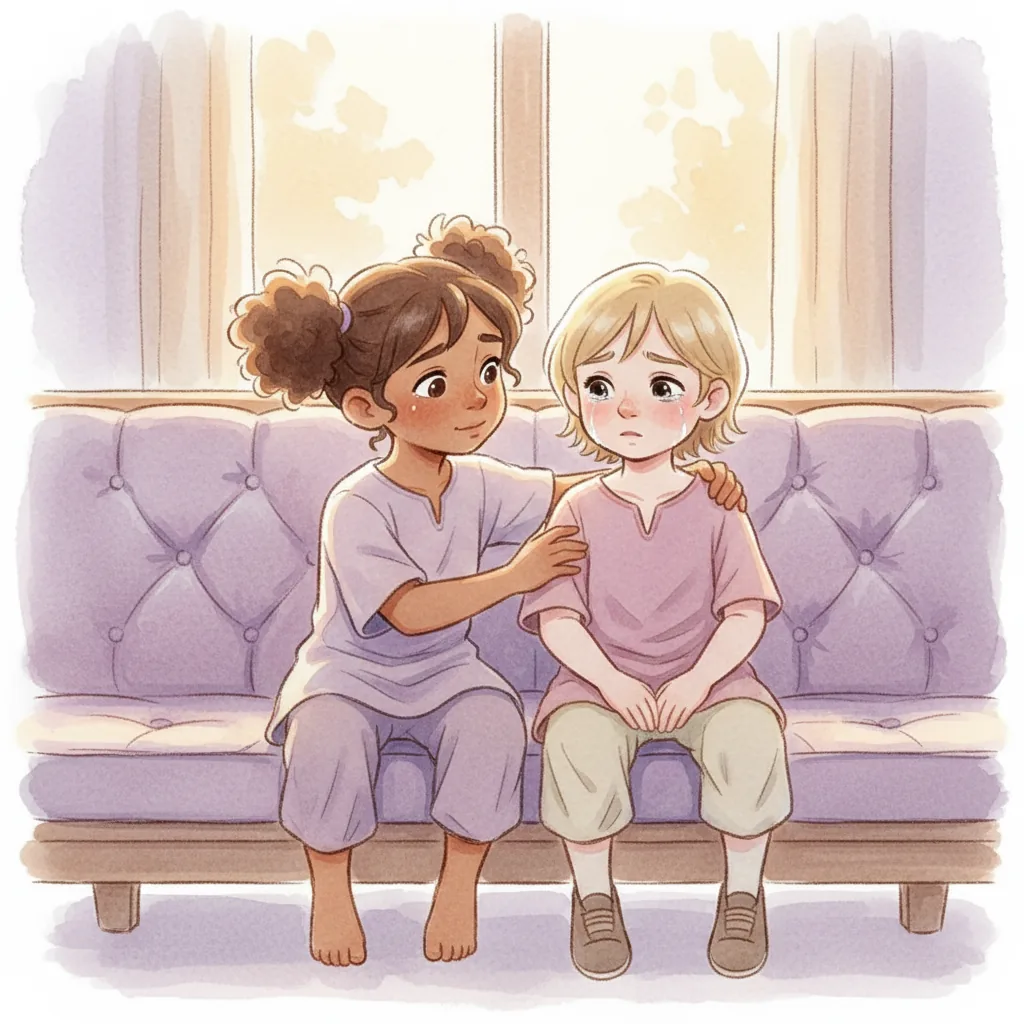
Social Awareness is how a child notices, understands, and responds to what other people are feeling. It's the foundation of empathy, kindness, and inclusion. For every child — including those who find social cues harder to read, where this skill rewards patient, explicit teaching.
What it is
- Reading facial expressions and body language
- Taking another person's perspective (theory of mind)
- Recognizing how culture and background shape behavior
- Understanding social norms in different settings
- Showing empathy — feeling with someone, not just for them
Why it matters — for every child
Social Awareness is what turns 'me' into 'we.' Without it, kids struggle to make and keep friends, miss when someone needs help, and can come across as unintentionally unkind. Some kids pick this up by osmosis; others need it taught explicitly. Both are normal. SocialBlossom teaches it the way a kind teacher would — with picture cues, video examples, role-plays, and gentle stories where kids see characters reading social situations and responding.
What kids learn
- Reading faces
- Identifying common emotions from facial expressions — happy, sad, surprised, scared, angry
- Perspective-taking
- Asking 'how might THEY be feeling?' before reacting
- Empathy in action
- Doing something useful when someone is upset — not just noticing
- Respecting differences
- Understanding that people from different backgrounds may behave differently
- Reading the room
- Adjusting volume, energy, and behavior to fit the setting
Age-by-age milestones
Ages 2–4
Recognizing basic emotions on faces; comforting (offering a hug)
Ages 5–7
Beginning perspective-taking ('she's sad because she lost her toy')
Ages 8–10
Reading subtle cues; recognizing sarcasm and complex emotions
Ages 11–12
Understanding cultural differences in expression; navigating group dynamics
A parent strategy that works
Narrate other people's feelings out loud when you're with your child. 'Look at that mom — she looks really tired carrying all those bags. I bet she'd love some help.' This isn't preachy; it's modeling the noticing. Kids who hear their adults narrate other people's emotional states grow up doing it automatically.
Read more from Rajini
Nurturing Social Awareness in Children: A Guide for Parents
Social awareness in children involves understanding and empathizing with others. Parents can nurture this through empathy-building activities, perspective-taking exercises, and cultural competence. Creating a supportive environment and engaging in practical activities like social stories can enhance these skills.
Read article →Understanding Theory of Mind in Neurodiverse Children
Theory of Mind (ToM) helps children understand others' thoughts and feelings. It's crucial for empathy and effective communication. This article explores ToM development, its impact on neurodiverse children, and offers practical strategies to support this essential skill.
Read article →
In the SocialBlossom app
Social Awareness games include face-matching activities, 'how might they feel?' scenarios with multiple correct answers, perspective-taking story cards, and personalized stories where the protagonist learns to read someone else's feelings before reacting.
Try SocialBlossom Free
16+ SEL games, social stories, and personalized AI-generated stories — all in one app for every kid. Free trial, cancel anytime.
Prefer the web first? Try the free story generator →