Relationship Skills: Friendships That Last
Relationship Skills are what kids use to build and keep friendships, work in teams, ask for help, and handle conflict without it ending the friendship. The most testable SEL pillar — you see it in the playground every day. Builds for every child at their own pace.
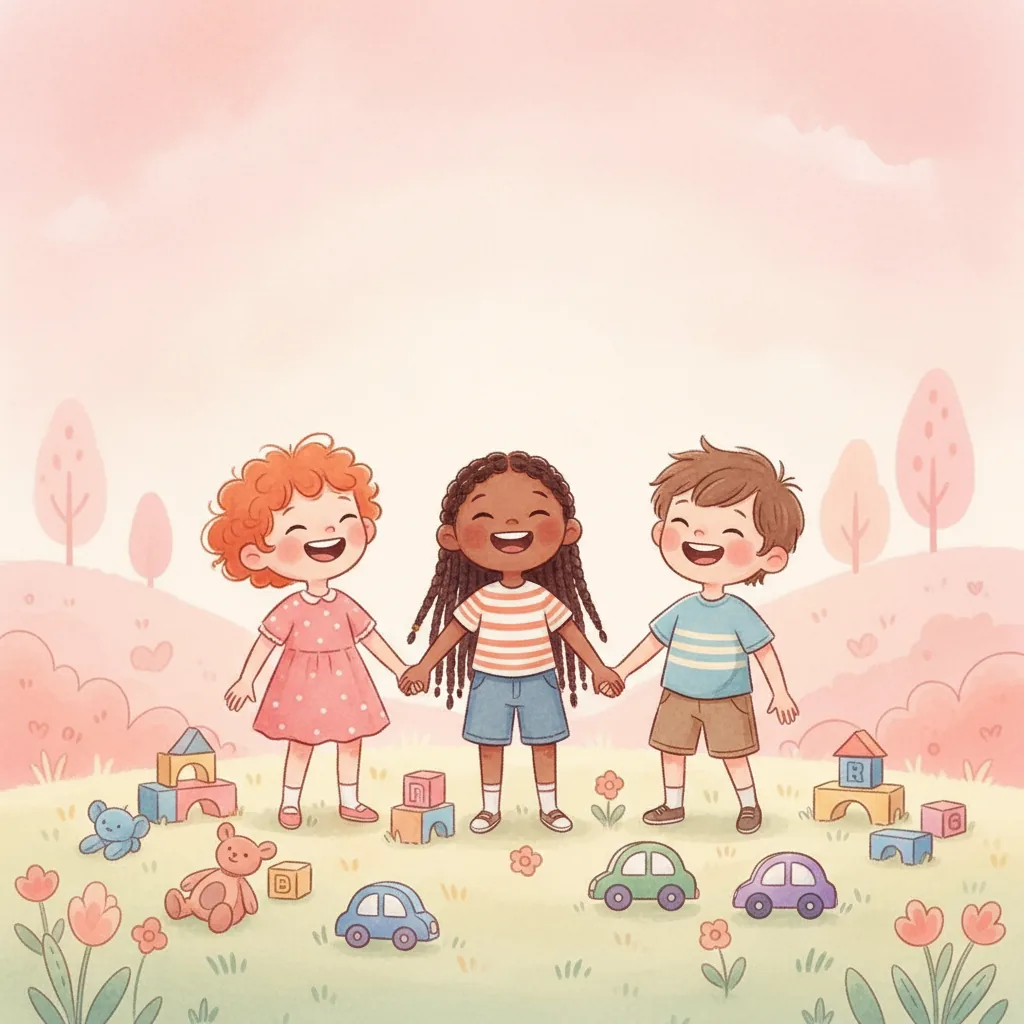
What it is
- Starting and maintaining conversations
- Active listening (eye contact, nodding, asking back)
- Resolving conflicts without aggression or withdrawal
- Working as part of a team
- Asking for help, offering help, accepting help
Why it matters — for every child
Friendship is the single biggest predictor of childhood happiness — and an absence of friendship is the single biggest predictor of childhood loneliness. Relationship skills can be taught explicitly: how to start a conversation, how to take turns in play, how to handle a disagreement without breaking the friendship. Kids who learn this early carry it for life.
What kids learn
- Starting friendships
- Approaching, introducing, finding shared interests
- Listening actively
- Looking, nodding, responding to what was actually said
- Sharing & taking turns
- Tolerating wait time and managing disappointment
- Resolving conflict
- Using words to repair after a disagreement instead of shutting down or escalating
- Inviting and including
- Noticing who's left out; bringing them in
Age-by-age milestones
Ages 2–4
Parallel play; brief turn-taking with adult support
Ages 5–7
Beginning cooperative play; first 'best friends'; using words to ask for things
Ages 8–10
Loyal friendships; basic conflict resolution; small-group cooperation
Ages 11–12
Navigating cliques; deeper friendships; handling betrayal and repair
A parent strategy that works
Practice friendship skills in low-stakes ways: role-play with stuffed animals, narrate what worked when your child handled something well ('I noticed you asked Maya if she wanted to share — that's how friendships grow'), and don't intervene immediately when your child has a small conflict — let them try repair first, only step in if they're stuck.
Read more from Rajini
Nurturing Social Skills in Neurodivergent Children: A Comprehensive Guide
Social skills are vital for children's development, enabling them to form meaningful relationships. This guide explores SEL strategies to support children, especially those who are neurodivergent, in developing these skills without the pressure to conform.
Read article →Understanding Friendship Skills by Age: A Guide for Parents
Friendship skills evolve significantly from ages 3 to 12, moving from simple playmates to deep, mutual bonds. Understanding these stages helps parents support social-emotional growth through empathy, cooperation, and trust.
Read article →Teaching Children to Share: Strategies for Building Empathy
Teaching children to share involves recognizing developmental stages and using strategies like the "when you're done" approach. Encouraging empathy and understanding through SEL can lead to more genuine sharing. Learn how to create a supportive environment for children to practice and value sharing as they grow.
Read article →Resolving Children's Conflicts with Restorative Practices
Restorative practices guide children in resolving conflicts effectively by enhancing their self-awareness, empathy, and relationship skills. This 5-step framework encourages children to cool down, express themselves, brainstorm solutions, and repair relationships, promoting responsible decision-making and social awareness.
Read article →Supporting Authentic Social Connections for Autistic Children
Supporting autistic children in forming authentic friendships involves embracing their unique ways of connecting. Encourage special-interest-based friendships, parallel play, and neurodivergent-first connections to help them thrive socially without masking.
Read article →
In the SocialBlossom app
Relationship Skills games include friendship-scenario role-plays, sharing/turn-taking activities, conflict-resolution choose-your-own-adventure stories, and personalized stories tailored to specific situations your child faces (a new classmate, a friend who got upset, a sibling conflict).
Try SocialBlossom Free
16+ SEL games, social stories, and personalized AI-generated stories — all in one app for every kid. Free trial, cancel anytime.
Prefer the web first? Try the free story generator →