Self-Management: Riding the Wave of Big Feelings
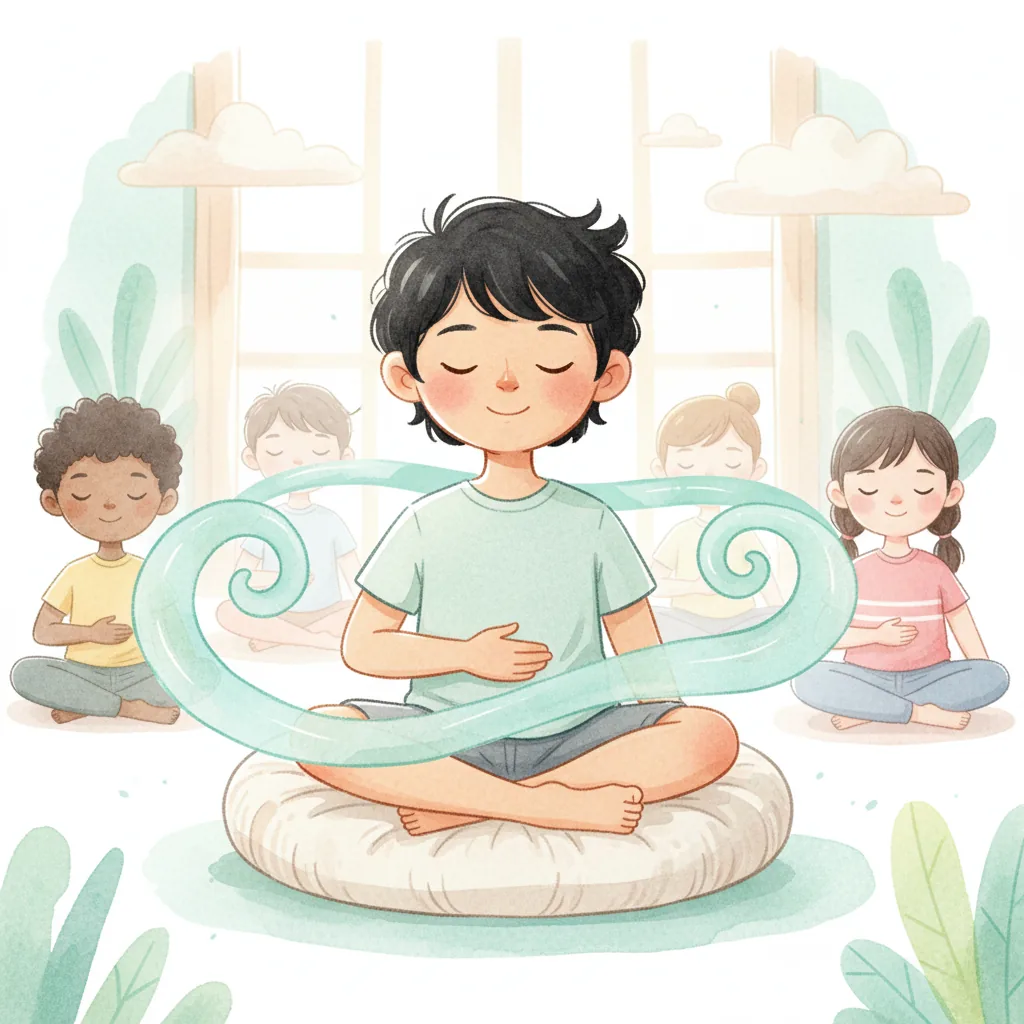
Self-Management is what kids do AFTER they know they're upset — the calm-down, the deep breath, the choice to keep trying. It's a learned skill, not a personality trait, and every child can build it. Especially helpful for kids who experience emotions intensely.
What it is
- Calming the body when emotions run high
- Pausing before reacting (the famous 'count to 10')
- Persisting through hard or boring tasks
- Setting small goals and working toward them
- Bouncing back from setbacks (resilience)
Why it matters — for every child
A child without self-management strategies isn't 'badly behaved' — they're a child without tools. The good news: tools can be taught explicitly. Research shows that even 4-year-olds can learn 'belly breathing' or 'turtle pose,' and 7-year-olds can use a 5-step calm-down plan. The earlier kids learn these, the more automatic they become later in life.
What kids learn
- Deep breathing
- Slowing the body's stress response through diaphragmatic breaths
- Calm-down corners
- Having a known safe place + ritual to reset when overwhelmed
- Pause-before-act
- Catching the urge to react and choosing a different response
- Persistence
- Sticking with hard tasks; using 'yet' ('I can't do it yet')
- Goal-setting
- Breaking big things into small steps; celebrating progress
Age-by-age milestones
Ages 2–4
Co-regulation with a trusted adult; first calm-down strategies (deep breath, hug)
Ages 5–7
Independent calm-down corner use; naming the strategy they're using
Ages 8–10
Multiple strategies; choosing which one fits the situation
Ages 11–12
Pre-planning for known triggers; reflecting on what worked
A parent strategy that works
Teach the strategy when your child is CALM, not when they're melting down. Practice belly breathing during a relaxed moment, talk through what a calm-down corner is when you're snuggling at bedtime, role-play 'pausing before reacting' with stuffed animals. The brain only learns new skills in a regulated state. Trying to teach during the storm doesn't work for anyone.
Read more from Rajini
Supporting Self-Regulation in Children: Strategies and Insights
Supporting self-regulation in children involves teaching them to manage their emotions, behaviors, and thoughts. Through co-regulation, parents can model calmness and guide children in developing these crucial skills. Activities like deep breathing, mindfulness, and creating calm spaces can further enhance self-regulation, particularly for neurodivergent kids.
Read article →Creating a Calm-Down Corner: A Guide to Supporting Your Child's Emotional Regulation
A calm-down corner is a dedicated space with sensory tools and activities that supports children's emotional regulation. Unlike punitive time-outs, it encourages self-awareness and self-management through tailored items like weighted lap pads, emotion charts, and calming activities such as coloring or listening to music. Engage your child in the setup for a personalized experience.
Read article →Breathing Techniques for Kids: A Gentle Guide for Parents
Teaching kids breathing techniques can enhance their self-regulation and emotional management. Techniques like Balloon Breath and Lazy 8 are simple yet effective for children from ages 3 and up. Regular practice helps integrate these skills into daily routines, aiding children in managing stress and emotions effectively.
Read article →Co-Regulation: Helping Your Child Navigate Emotions
Co-regulation is a supportive process where caregivers help children manage emotions. It's essential for developing self-regulation, providing external guidance as children learn to handle their reactions. Understanding and practicing co-regulation can transform emotional challenges into opportunities for growth and connection.
Read article →Supporting Self-Regulation in Autistic Children: Strategies for Parents
Self-regulation in autistic children can be nurtured through tailored strategies that prioritize sensory needs, leverage special interests, and emphasize co-regulation. Unlike masking or compliance, these approaches empower children to manage their emotions and behaviors genuinely. Explore sensory-first methods and interest-led activities to effectively support your child's self-regulation journey.
Read article →
In the SocialBlossom app
Self-Management games include guided breathing exercises (with animated visuals), choose-your-own calm-down stories, persistence challenges, and personalized stories where the protagonist faces and works through a hard emotion. Co-regulation tips are included for parents too.
Try SocialBlossom Free
16+ SEL games, social stories, and personalized AI-generated stories — all in one app for every kid. Free trial, cancel anytime.
Prefer the web first? Try the free story generator →