Empowering Autistic Children Through Choice Boards: An SEL Approach
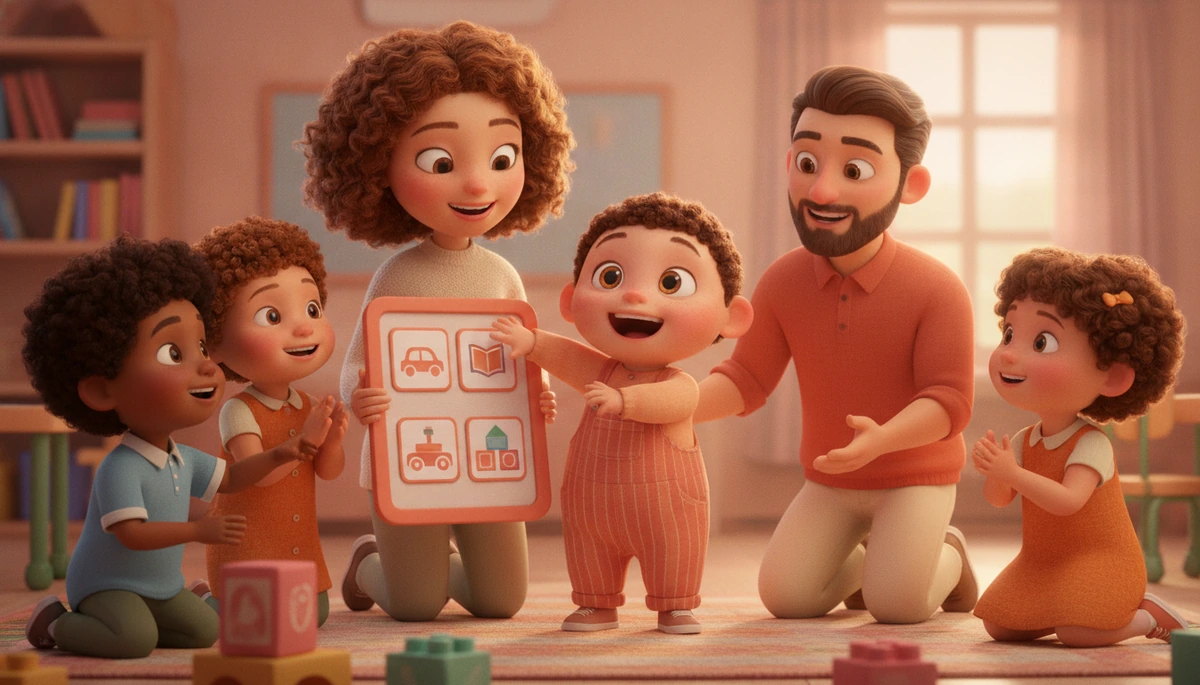
Autonomy and self-advocacy are vital components of social-emotional learning (SEL), especially for autistic children. Choice boards are an effective tool to support these skills, transforming decision-making into a child-centric experience. This article is part of our complete guide to Visual Supports for Autistic Kids: An SEL-First Guide. Let's explore how choice boards can empower your child.
Why Choice = Autonomy = SEL
Choice boards offer more than just a way to prevent meltdowns. They are fundamental in promoting autonomy and responsible decision-making among autistic children. According to CASEL, responsible decision-making involves making caring and constructive choices about personal behavior and social interactions 2. By allowing children to make choices, we nurture their independence and self-confidence.
Example: Imagine a child choosing between two activities: drawing or playing with blocks. This decision-making process builds their self-awareness and confidence, as they learn to express preferences and understand the consequences of their choices.
In My Practice: In my practice, I've seen many parents use choice boards to empower their children. One family shared that their child's ability to make simple choices improved their willingness to engage in new activities. This progress was marked by fewer frustrations and more moments of joy. Such tools not only enhance decision-making but also promote emotional regulation by providing children with a sense of control over their environment.
Further Benefits of Choice Boards
In addition to fostering decision-making, choice boards can enhance other SEL competencies. They encourage self-management by helping children plan their activities and manage transitions. This management of transitions reduces anxiety and provides structure, crucial for autistic children. Additionally, choice boards foster social awareness as children learn to understand and respect others' choices, leading to improved interpersonal interactions.
When to Introduce Choice Boards
Introducing choice boards depends on the child's age and readiness. Typically, children as young as three can start using simple choice boards. Readiness is key, so observe if your child can recognize pictures and express preferences. If they're showing signs of interest in making decisions, it's a good time to introduce a choice board.
Example: Picture Maya, a four-year-old who loves dinosaurs. Her parents introduce a choice board with dinosaur stickers for her to choose which one to wear on her shirt each morning. This small decision empowers Maya and makes her eager to get ready for the day.
In My Practice: I've observed that children who start early with choice boards become more adaptable to changes in routine. One parent noted that their child was more willing to try new foods after using a food choice board at meals, which involved picking between two new food items.

2-Choice Board (Start Here)
Start with a simple two-choice board to prevent overwhelming the child. This setup helps them understand the concept of making a decision without too many options.
Steps to Create a 2-Choice Board:
- Select Two Items or Activities: Choose familiar and exciting options your child enjoys.
- Visual Representation: Use images or symbols that your child recognizes, such as a picture of a toy car and a stuffed animal.
- Encourage Decision-Making: Prompt your child to pick one of the two options, reinforcing their autonomy.
- "Do you want to play with the toy car or the stuffed animal? It's your choice!"
- "I see you chose the toy car. Great choice!"
Example: Imagine a young child at a playdate. The parent uses a two-choice board to offer snacks: apple slices or crackers. Choosing their snack enhances the child's independence and comfort in social settings, supporting their social-emotional learning.
4-Choice Board (Next Step)
Once your child is comfortable with two options, you can introduce a four-choice board. This expansion allows for more complex decision-making, promoting further independence.
Example: Imagine Lily, who has mastered the two-choice board. Her parents create a four-choice board with options like drawing, building blocks, reading a book, or playing with a puzzle. Lily feels empowered as she navigates these choices, enhancing her decision-making skills.
In My Practice: An increase in options often leads to greater self-awareness and exploration. One child I worked with began expressing preferences in more detail, which helped his parents understand his likes and dislikes better, strengthening their relationship.

Open-Ended Choice with Visual Menus (Advanced)
As children grow, open-ended choices become crucial. Visual menus provide a broader array of options without overwhelming the child.
- Broad Categories: Include categories like "Art", "Games", and "Outside Play" with several options under each.
- Encourage Exploration: Allow the child to explore within categories, fostering creativity and self-expression.
In My Practice: I've guided several families in transitioning to visual menus. The flexibility in choices not only expanded their child's interests but also reduced rigidity and frustration during decision-making. One family noted a significant decrease in meltdowns as their child felt more in control of daily activities.
Bridging from Board to Verbal Choice
The ultimate goal of using choice boards is to help children transition from visual choices to verbal decision-making. This step involves encouraging verbal expression of preferences and fostering communication skills.
Steps to Bridge:
- Encourage Naming: Ask the child to name their choice aloud.
- Praise Verbal Attempts: Reinforce any verbal attempts with positive feedback.
- Model Verbal Choices: Demonstrate making verbal choices in daily routines.
Example: During snack time, you might say, "Would you like an apple or a banana today?" Encourage your child to respond verbally, praising their effort regardless of clarity.
In My Practice: Transitioning to verbal choice-making can be gradual. I've seen children initially struggle but eventually thrive when supported consistently. One child, after weeks of practice, began using words to express preferences confidently, which improved their interactions at school and home.
Free Downloads: 3 Choice Board Templates
To support you in implementing choice boards, we offer free downloadable templates:
- 2-Choice Template: Perfect for beginners.
- 4-Choice Template: For expanding decision-making.
- Visual Menu Template: For advanced decision-making.
These templates are designed to be easily customized to fit your child's unique interests and needs. Download them to get started on building autonomy and decision-making skills today.
References
1 Prizant, B. et al. (2006). The SCERTS Model — comprehensive AS framework. 2 CASEL.org. Responsible Decision-Making competency. https://casel.org/fundamentals-of-sel/what-is-the-casel-framework/
Explore our social stories to further support your child in social-emotional learning.
Try It This Week
Reading is the easy part. Skills build through small, repeated practice — here's a low-pressure plan you can try with your child.
- 1Introduce a Simple Choice BoardDay 1Start with a 2-choice board to introduce decision-making. It builds autonomy and reduces frustration.👉 What this looks likeCreate a simple board with options like 'red shirt' or 'blue shirt'. At dressing time, ask your child, 'Which shirt would you like to wear today?' Encourage them to point or verbalize their choice. This exercise helps them feel in control of their daily routine.
- 2Expand Choices GraduallyDay 3-4Move to a 4-choice board when your child is comfortable with two choices. This supports complex decision-making.👉 What this looks likeFor playtime, present options like 'puzzle', 'blocks', 'drawing', or 'story'. Ask, 'What would you like to do?' as they review options. This helps in practicing broader decision-making, encouraging exploration.
- 3Use Visual Menus at MealtimesDaily at mealIntroduce visual menus to offer variety in meals, helping children feel in control and less anxious.in the SocialBlossom app →👉 What this looks likeDuring breakfast, use a visual menu with options like 'pancakes', 'cereal', or 'eggs'. Ask your child, 'What would you like to eat?' Praise their choice. This reduces mealtime stress and encourages verbal skills.
- 4Encourage Verbal Choice-MakingTwice this weekPrompt your child to verbalize their choices, building communication skills.use this story →👉 What this looks likeAt snack time, ask, 'Do you want apples or grapes?' Encourage them to say their choice aloud. Even if speech is unclear, praise their effort. This reinforces verbal expression and decision-making.
- 5Reflect on Choices TogetherEvening reflectionDiscuss choices at day's end to reinforce learning and self-reflection.👉 What this looks likeBefore bedtime, chat about the day's choices like, 'You chose the puzzle today. How did that feel?' Use this to build self-awareness and emotional vocabulary, supporting their SEL journey.
Frequently Asked Questions
How do choice boards help autistic children?
What age should you start using choice boards?
Can choice boards reduce anxiety in autistic children?
How do you transition from choice boards to verbal choices?
Are there different types of choice boards?
References