The Power of Quality Content in Children's Media: Enhancing SEL Through Screen Time
Why Content Quality Matters More Than Total Minutes
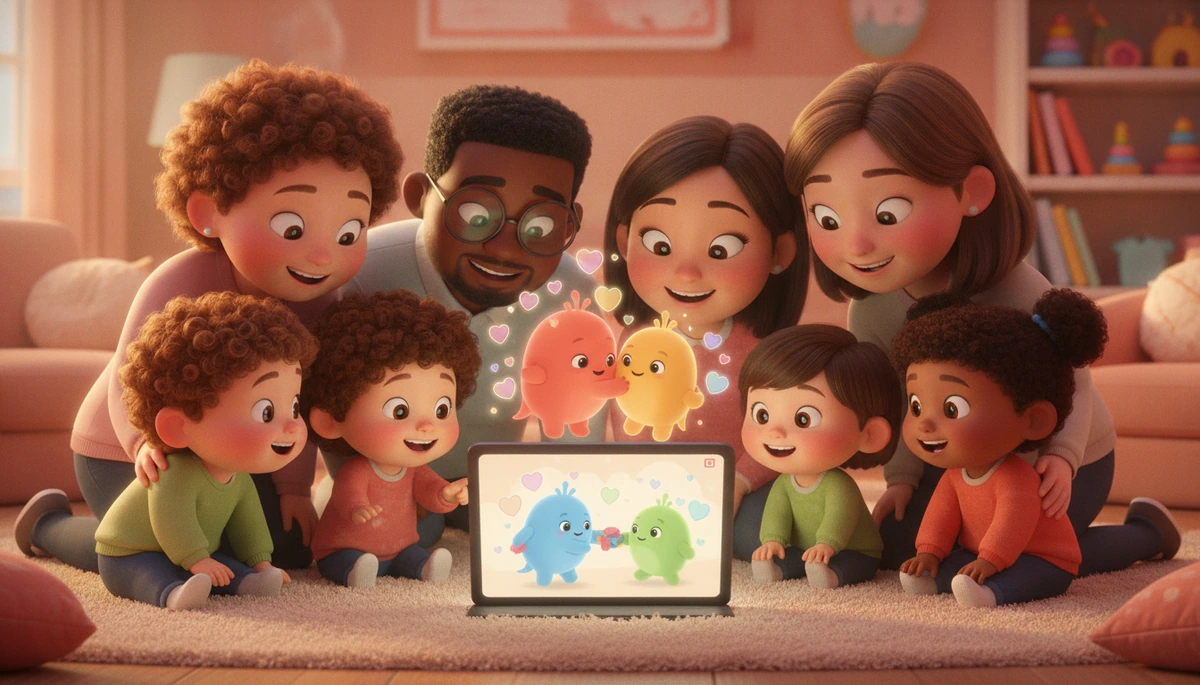
In today's digital age, children have access to an overwhelming amount of content. While it's tempting to focus on limiting screen time, the quality of what's watched is even more crucial. Content that nurtures social-emotional learning (SEL) can significantly impact a child's development. This article is part of our complete guide to Screen Time as a Co-Regulation Moment. By selecting shows and apps that build SEL skills, parents can transform screen time from a potential battle into a co-regulation moment.
Research supports this focus on quality. A study by the American Academy of Pediatrics (AAP) emphasizes creating a Family Media Plan that prioritizes educational and emotionally enriching content 3. This holistic approach helps in developing crucial skills like empathy, communication, and problem-solving.
Moreover, when children are exposed to high-quality content, they learn to process emotions and situations that mirror real-life interactions. This can be especially beneficial for neurodivergent children who might find social cues challenging to interpret. In this way, screen time becomes not just a passive activity but a dynamic learning experience.

Ages 2-4: Bluey, Daniel Tiger
For the youngest viewers, shows like Bluey and Daniel Tiger's Neighborhood are exceptional choices. These programs are not just entertaining but also rich in lessons about emotions and relationships.
Bluey, an Australian series, is celebrated for its ability to teach emotional understanding and social skills. An Australian study highlighted Bluey as a significant vehicle for emotional learning 2. Each episode offers relatable family scenarios that help children learn about cooperation, empathy, and problem-solving.
Imagine your toddler watching an episode where Bluey and her sister, Bingo, resolve a conflict over a toy. The dialogue models how to express feelings and negotiate — foundational SEL skills.
On the other hand, Daniel Tiger's Neighborhood builds on the legacy of Mr. Rogers by providing children with simple, memorable strategies for managing emotions. This gentle approach helps young children understand their feelings and those of others, laying a strong foundation for SEL.
In my practice, I've observed that parents find these shows particularly helpful in initiating conversations about emotions with their toddlers. These discussions often lead to role-playing scenarios where children can practice what they've seen.
Ages 5-7: Sesame Street, Stillwater
As children grow, their media consumption can expand to include shows like Sesame Street and Stillwater. These programs cater to their developing curiosity and social awareness.
Sesame Street has long been a staple in educational television, promoting diversity and inclusion while teaching fundamental social skills. With characters from different backgrounds, children learn about empathy and respect.
Stillwater, based on the book series "Zen Shorts," introduces mindfulness and emotional self-regulation. This show uses the character of a wise panda to teach children about patience, gratitude, and understanding through beautifully animated stories.
Consider a scene where a child watches a Stillwater episode about dealing with disappointment. The panda's calm voice guides them through breathing exercises, helping them manage emotions constructively.

I've seen parents use episodes of Stillwater to create a peaceful bedtime routine. By watching the show together, they instill a sense of calm and reflection.
Ages 8-11: Octonauts, Wild Kratts
For older children, shows like Octonauts and Wild Kratts offer engaging ways to develop skills like cooperation and curiosity.
Octonauts is a series that combines adventure with teamwork. Each episode involves characters working together to solve problems, fostering a sense of cooperation and collaboration. These are essential skills for developing strong relationship skills.
In contrast, Wild Kratts encourages children to explore their curiosity about the natural world. The show blends science and adventure, inspiring children to ask questions and seek knowledge — a key component of responsible decision-making.
In my practice, I've seen many parents use Wild Kratts episodes to spark discussions about animal behavior and habitats, further reinforcing curiosity and learning.
To better illustrate, imagine a child watching an episode of Wild Kratts where the brothers discover a rare animal. This sparks curiosity, leading the child to ask questions and conduct further research about habitats, thereby enhancing their learning experience.
Apps That Genuinely Build SEL (Vetted)
Beyond television shows, several apps can support SEL development. Common Sense Media, a trusted authority, provides guidelines for apps that nurture emotional learning [C1].
Some recommended apps include:
- Breathe, Think, Do with Sesame: This app helps children practice problem-solving and emotional regulation.
- Emotions with Zee: A fun way for kids to explore their feelings through interactive stories and games.
These apps are designed to be interactive, allowing children to practice SEL skills in a digital format. They provide a valuable supplement to traditional media.
Equipped with these tools, parents can encourage children to explore emotions and social scenarios in a controlled environment. This practice can lead to real-world applications where children demonstrate improved social skills.
What to AVOID + Why (Research)
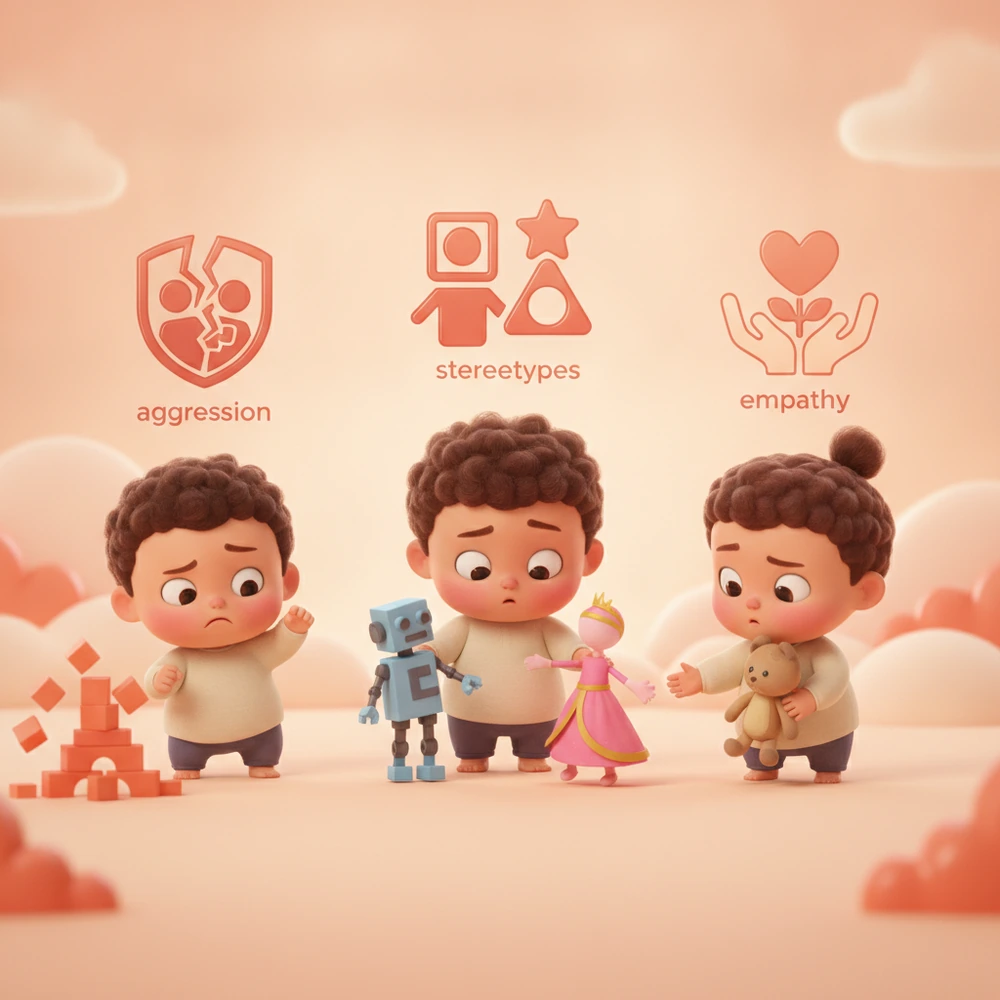
While there is plenty of beneficial content, it's crucial to avoid shows and apps that promote negative behaviors or unrealistic standards. Studies have shown that exposure to violent or overly commercialized content can hinder social development and emotional regulation [C3].
Avoid content that features:
- Violence or aggression: This can normalize negative behaviors and reduce empathy.
- Stereotypes: Shows that perpetuate stereotypes can limit a child's understanding of diversity and inclusion.
In my practice, I advise parents to preview content and discuss any concerning elements with their children, turning potential negatives into learning opportunities.
Consider a family watching a popular show that unexpectedly introduces aggressive behavior. Instead of allowing it to pass unnoticed, parents pause the show and discuss why the behavior is inappropriate, fostering critical thinking and responsible decision-making.
Updating List as Content Changes
The landscape of children's media is ever-evolving. As new content is released, it's important to continuously evaluate its educational and emotional value. Parents can stay updated by consulting resources like Common Sense Media and adapting their media plans accordingly [C1].
Regularly revisiting and updating your family's media choices ensures that children continue to benefit from high-quality, SEL-rich content. This proactive approach helps parents maintain a media environment that aligns with their values and supports their children's development.
Parents may also engage in community discussions, sharing insights about new shows or apps that have positively influenced their children's SEL skills. This exchange of information can be invaluable in navigating the vast media landscape.

References
1 Common Sense Media. (n.d.). Retrieved from https://www.commonsensemedia.org/
2 Australian study: Bluey identified as a vehicle for emotional learning. Pediatrics journal coverage 2022-2023.
3 AAP Family Media Plan. (n.d.). Retrieved from https://www.healthychildren.org/MediaUsePlan
Try It This Week
Reading is the easy part. Skills build through small, repeated practice — here's a low-pressure plan you can try with your child.
- 1Create a Family Media PlanDay 1Draft a plan prioritizing SEL-rich content. Discuss with your child why these choices matter.Learn more about SEL-rich media →👉 What this looks likeSit down with your child and draft a Family Media Plan. Explain why you’ve chosen certain shows and apps, like Bluey or Breathe, Think, Do with Sesame. Discuss how these choices help with emotions and social skills. Involve your child by asking which shows they enjoy and why they think they're helpful.
- 2Watch Bluey TogetherThis weekendCo-view an episode of Bluey to teach emotional regulation and problem-solving.Explore Bluey-themed activities →👉 What this looks likePick an episode of Bluey that focuses on sharing or resolving conflict. Watch it with your child and pause to discuss how Bluey and Bingo handle their emotions. Ask your child, 'What would you do in this situation?' This encourages them to think critically about emotions and solutions.
- 3Explore SEL AppsDay 2-3Introduce your child to SEL-focused apps like Breathe, Think, Do with Sesame.Find more apps for SEL →👉 What this looks likeSet aside time to explore the app Breathe, Think, Do with Sesame. Sit with your child as they navigate the app, helping them understand the breathing exercises and problem-solving scenarios. Use this as an opportunity to discuss feelings and coping strategies.
- 4Discuss Media ChoicesDaily, 5 minHave a conversation about the importance of quality media content.👉 What this looks likeDuring dinner, open a discussion about the shows they're watching. Ask what they like about them and how they make them feel. Guide the conversation towards understanding the impact of the content on their mood and behavior, reinforcing the idea of mindful media consumption.
- 5Reflect on Media UseEnd of the weekReview the week's media experiences and discuss improvements.Update your Media Plan →👉 What this looks likeAt the week's end, gather as a family and reflect on the media you’ve consumed. Discuss what you liked, what you learned, and what could be improved. Encourage each family member to share their thoughts. Use this reflection to adjust your Family Media Plan as needed.
Frequently Asked Questions
What makes content suitable for children's SEL?
How can parents ensure screen time is beneficial?
What are the risks of inappropriate content?
Are there specific apps that support SEL?
How often should parents update their children's media plan?
References