Fostering Cultural Awareness in Children Through SEL
What Cultural Awareness Has to Do with SEL
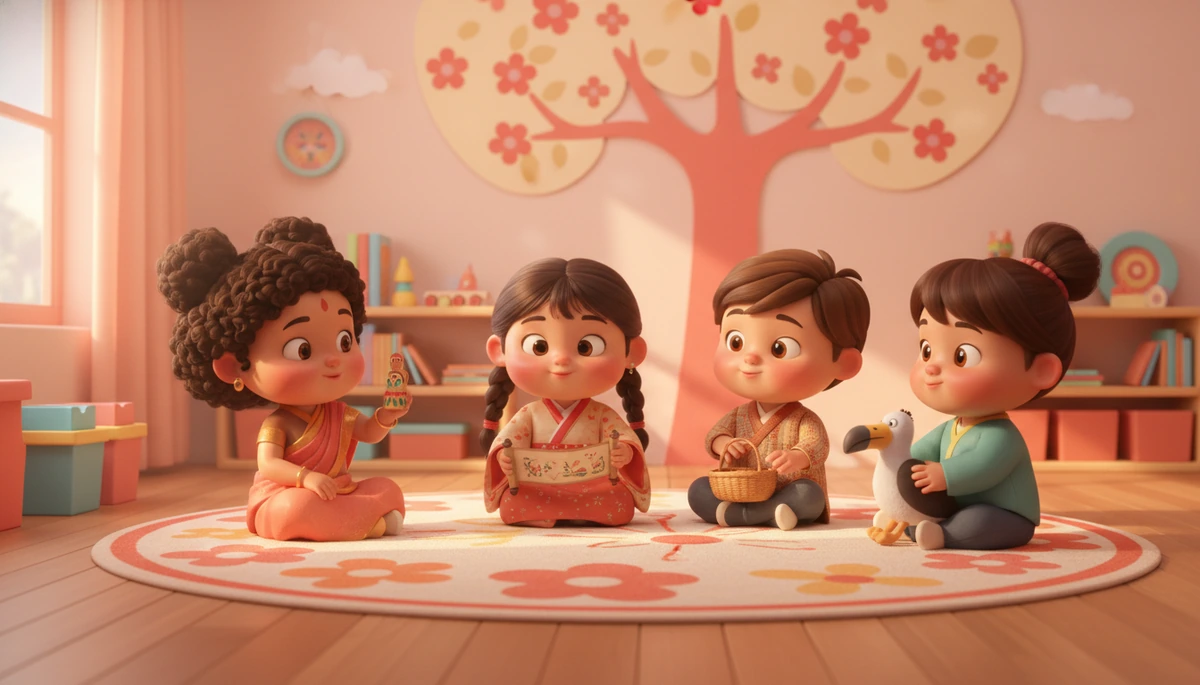
Cultural awareness is more than just recognizing differences in food, dress, or language. It's a crucial component of social-emotional learning (SEL), specifically tied to the CASEL competency of social awareness. By fostering cultural awareness, children learn to empathize and appreciate diverse perspectives, which are key to building meaningful relationships and making responsible decisions. This article is part of our complete guide to Social Awareness in Kids: Empathy, Perspective-Taking & Cultural Competence.
Incorporating cultural awareness into SEL not only enriches a child's understanding of the world but also enhances their ability to engage with it empathetically and respectfully. As children grow, their capacity to understand and appreciate cultural differences evolves, which is where targeted activities and discussions can play a pivotal role. SEL frameworks, such as CASEL, emphasize the development of these skills as fundamental to a child's overall well-being and success 2.
In my practice, I've observed that children who actively engage in cultural awareness activities tend to demonstrate greater empathy and adaptability. They are more equipped to navigate diverse social settings, which is increasingly crucial in our globalized world. Parents often report improvements in their child's ability to make friends and resolve conflicts peacefully when cultural awareness is a regular part of their learning.
Ages 5-7: 'People Are Different in Lots of Ways'
At this early age, children are keen observers of the world around them. They start to notice physical differences such as skin color, clothing, and language. Fostering cultural awareness begins with simple yet meaningful conversations that highlight these observations without judgment.
Example Activity: "Family Traditions"
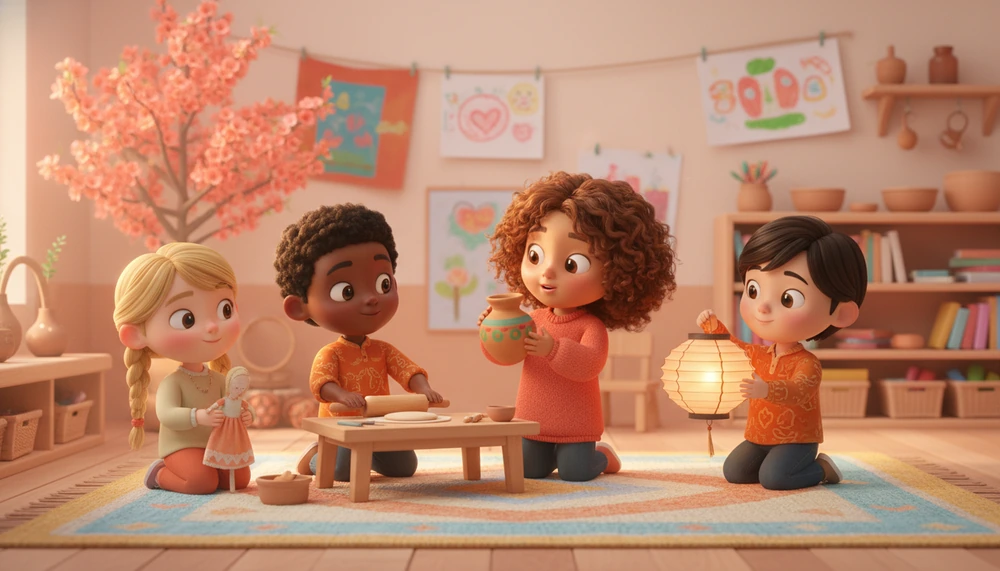
Encourage kids to share a unique tradition from their own family. This could be as simple as a favorite holiday meal or a song they sing at home. Sharing these stories in a mixed group allows children to appreciate diversity firsthand. This activity not only enhances self-awareness but also helps children recognize and celebrate the uniqueness of their peers.
In my practice, I've seen many parents use family storybooks to bring this concept to life. By collecting stories and pictures into a book, children see their family's uniqueness as part of a larger tapestry of cultures. These storybooks can become cherished keepsakes that children return to, reinforcing their understanding and appreciation over time.
Scripted Dialogue for Parents
- Child: "Why does my friend eat different food?"
- Parent: "That's a great question! Every family has their own special foods. Just like we love spaghetti, your friend's family might love rice and beans. Isn't it cool how we all have our favorites?"
This dialogue can be expanded into a more engaging conversation by asking the child about their friend's food preferences and discussing how they might try some of these foods together.
Ages 8-10: Noticing Privilege and Difference
As children approach middle childhood, they begin to understand more abstract concepts like privilege and inequality. This is the ideal time to discuss social justice and fairness. These discussions can lay the groundwork for children to become proactive, empathetic community members who appreciate diversity and work towards inclusivity.
Example Activity: "Privilege Walk"
This activity helps children visualize privilege through a series of statements where they step forward if true for them or step back if not. It can be a powerful moment of realization when done in a supportive environment.
- Statement: "Step forward if you have more than 50 books in your home."
- Statement: "Step back if you have ever felt unsafe because of who you are."
The Privilege Walk can spark important conversations about equity and justice. It encourages children to think critically about their own experiences and the experiences of others.
Real-Life Script
Imagine a situation where a child notices a difference in treatment among peers:
- Child: "Why does the teacher spend more time with some kids?"
- Parent: "Sometimes, people need different kinds of help to succeed. It's like when you learn something new and need a little extra help. Everyone deserves the support they need."
This script can be enhanced by discussing specific examples of when the child needed extra help and how it felt to receive it, thereby building empathy and understanding.

Ages 11-12: Structural Awareness Begins
By this age, children can grasp complex societal issues. They start to understand how systems can affect individuals differently, which is crucial for their responsible decision-making skills. Understanding these structures helps children become more informed and compassionate individuals, better equipped to advocate for positive changes in their communities.
Example Activity: "Community Mapping"
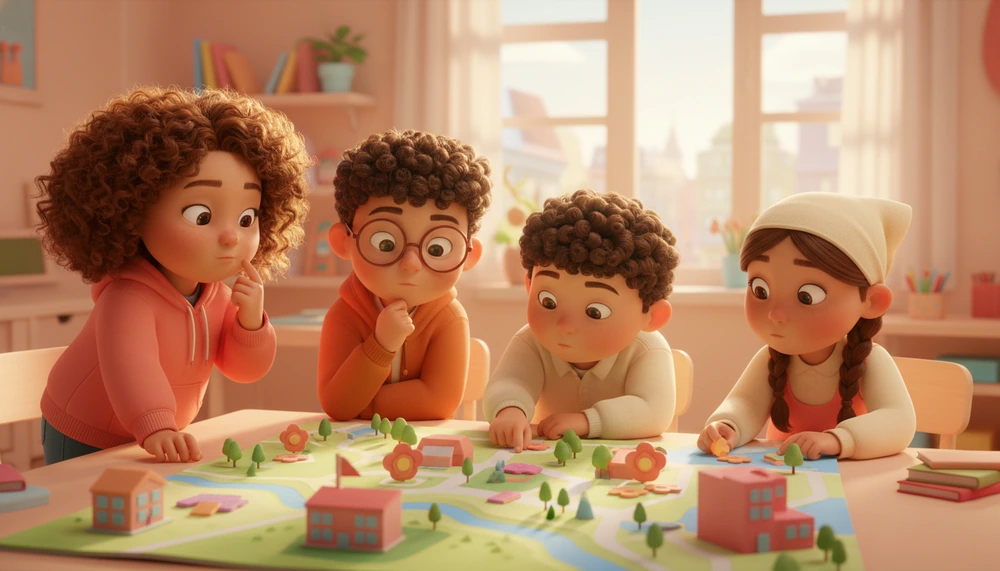
Have children map out their community, noting resources like libraries, parks, and schools. Then discuss how these resources might vary in different neighborhoods. This highlights how access can shape opportunities.
The activity can lead to deeper discussions about why certain resources are available in some areas but not others, encouraging children to think about solutions and advocacy.
In-My-Practice Moment
In my practice, I've worked with preteens who were surprised to learn about "food deserts"—areas where access to fresh food is limited. This led to a rich discussion about equity and how they can contribute to positive change. One student suggested organizing a community garden to help address this issue, demonstrating responsible decision-making and leadership.
Activities by Age
Engaging children in age-appropriate activities can significantly enhance their cultural awareness. Here are some suggestions based on age groups:
- Ages 5-7: Host a "cultural dress-up day" where each child can wear traditional clothing from their culture and share its significance.
- Ages 8-10: Organize a "pen pal program" with kids from a different country to exchange letters about daily life and traditions.
- Ages 11-12: Encourage participation in community service projects that focus on diverse communities.
Each of these activities is designed to build empathy, social awareness, and relationship skills, which are key components of SEL.
Difficult Moments — When Your Kid Says Something Biased
It's natural for children to repeat things they've heard without understanding them fully. Addressing these moments with patience is key. It's an opportunity to teach empathy and social awareness by correcting misconceptions and encouraging open dialogue.
Scripted Conversation
- Child: "That person talks funny."
- Parent: "People from different places have different accents. It's like how some people say 'soda' and others say 'pop.' Let's try to learn from those differences."
By expanding on this dialogue, parents can help children understand the beauty of linguistic diversity and the importance of respectful communication.
Books, Films, Social Stories that Build Cultural Awareness
Multimedia resources can be powerful tools in building cultural awareness. Consider these options:
- Books: "The Name Jar" by Yangsook Choi for younger kids.
- Films: "Coco," which explores Mexican culture and traditions.
- Social stories: Our Sharing Toys with Friends Social Story encourages children to appreciate and share across cultural lines.
These resources provide accessible ways for children to explore and understand different cultures, contributing to their social-emotional development.
References
1 Aboud, F. E. (2008). A social-cognitive developmental theory of prejudice. In Handbook of Race, Racism, and Child Development. 2 CASEL.org. What is the CASEL Framework? Retrieved from https://casel.org/fundamentals-of-sel/what-is-the-casel-framework/
Try It This Week
Reading is the easy part. Skills build through small, repeated practice — here's a low-pressure plan you can try with your child.
- 1Explore Family TraditionsDay 1Discuss a unique family tradition with your child to foster cultural awareness and self-awareness.👉 What this looks likeAfter dinner, sit with your child and talk about a family tradition. For example, if your family makes a special dish during holidays, explain its significance. Ask your child to share their thoughts or memories about this tradition. This helps in appreciating cultural roots and encourages sharing.
- 2Organize a Cultural Dress-Up DayDay 2Encourage your child to wear traditional clothing to school to celebrate diversity.👉 What this looks likeHelp your child pick an outfit that represents your culture. Discuss its significance and history. When they share this at school, encourage them to listen to others' stories. This activity promotes social awareness and cultural appreciation.
- 3Privilege Walk DiscussionDay 3Discuss the concept of privilege with your child using simple language and examples.👉 What this looks likeDuring a walk, talk about privilege in terms of everyday experiences—like having a park nearby. Ask your child how they would feel if these weren't available. This helps them understand inequality and the importance of fairness.
- 4Create a Community MapDay 4Map out local resources with your child to discuss access and opportunity.👉 What this looks likeUse a large sheet of paper to draw a map of your neighborhood. Mark places like libraries, parks, and stores. Ask your child what they notice about where things are located. Discuss why some areas might have more resources than others, fostering critical thinking about equity.
- 5Read a Culturally Diverse BookThis weekendChoose a book that explores cultural diversity to read with your child.👉 What this looks likeSelect "The Name Jar" by Yangsook Choi. Read it together and discuss the themes. Ask your child how they would feel if they were in the main character's shoes. Encourage empathy by exploring different cultural perspectives.
Frequently Asked Questions
Why is cultural awareness important in SEL?
How can I teach my child about cultural diversity?
What age should I start teaching cultural awareness?
How do I address biased comments from my child?
What are some good resources for cultural awareness?
References
- Aboud, F. E. (2008). A social-cognitive developmental theory of prejudice. In Handbook of Race, Racism, and Child Development.
- CASEL.org. What is the CASEL Framework? Retrieved from https://casel.org/fundamentals-of-sel/what-is-the-casel-framework/