Empowering ADHD Kids: Mastering the Art of Asking for Help
Why Asking for Help is Difficult for ADHD Kids
Children with ADHD often face unique challenges when it comes to asking for help. Their difficulty with self-regulation and executive function can make recognizing the need for help a daunting task. Self-advocacy is a crucial skill, yet many ADHD kids find it hard to articulate when they are struggling, often due to fear of judgment or past negative experiences 1.
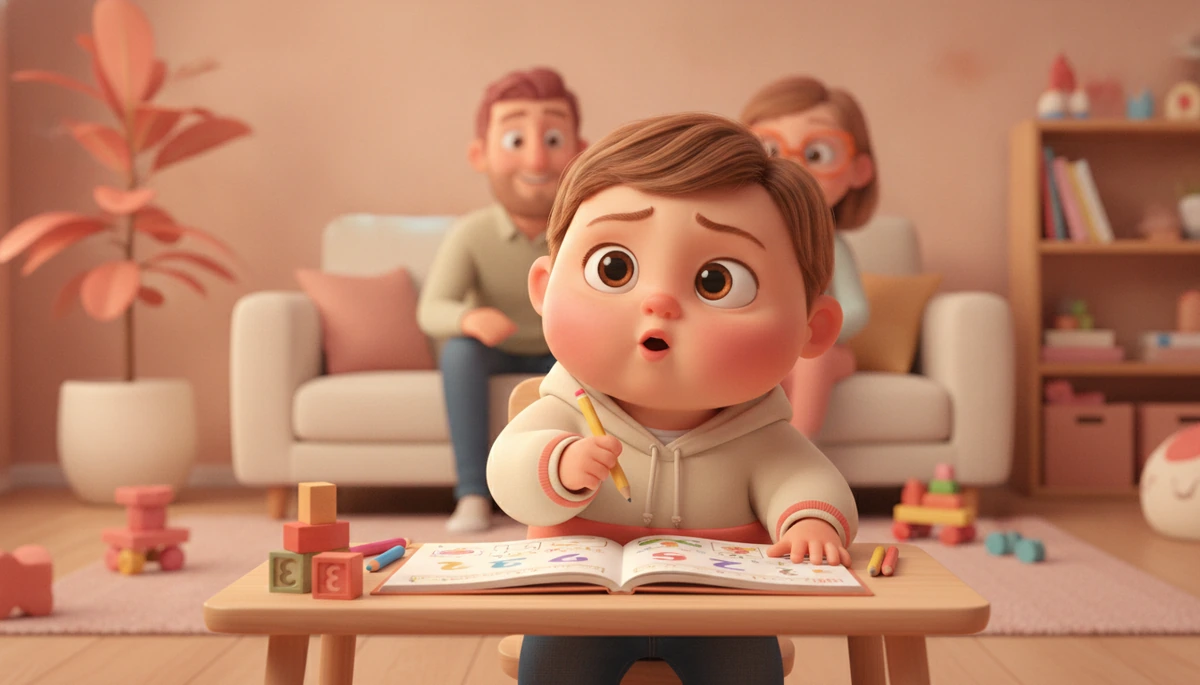
Imagine your child, Alex, sitting at the homework table. He stares at his math problems, feeling the frustration mount. Despite knowing he needs help, Alex might hesitate to ask because past attempts were met with impatience. This scenario is common and underscores the importance of teaching kids that asking for help is a strength, not a weakness.
To further illustrate, consider the case of Sarah. Sarah often gets overwhelmed with her reading assignments. She feels embarrassed to ask her teacher for help because she doesn't want to seem "different" from her peers. By teaching Sarah that seeking assistance is a form of self-advocacy and strength, we can help her overcome this barrier.
This article is part of our complete guide to ADHD Homework Battles: An SEL-First Approach, where we explore how social-emotional learning can ease homework stress.

Identifying When Help is Needed
Recognizing when to ask for help is the first step towards self-advocacy. Self-awareness allows children to notice their feelings and understand when they are stuck. Encourage your child to pause and ask themselves: "Am I feeling confused or overwhelmed?"
A deeper understanding can be fostered by discussing emotions openly. Talk about how certain tasks make them feel and why it's okay to express those feelings. Encourage this conversation by sharing your own experiences where asking for help made a difference.
Example: Self-Check Routine
Create a simple self-check routine for your child. Have them take a break every 20 minutes to assess how they're feeling. Use a color chart: green for "I'm good", yellow for "I'm starting to struggle", and red for "I need help now." This visual cue helps them articulate their needs more clearly.
Concrete Example: Morning Struggle
Imagine a child named Liam who struggles to get ready for school on time. By using a color-coded chart, Liam can signal his need for help when he feels overwhelmed by the morning rush. This routine not only helps Liam communicate but also builds his self-awareness and regulation skills.
Role-Playing Help-Request Scenarios
Role-playing can be an effective way to practice asking for help in a safe environment. By acting out scenarios, children can rehearse what to say and how to say it, building confidence and reducing anxiety about future situations.
To enhance this, try introducing props or visual aids to the role-playing exercises. These can be objects from their daily life, like a pencil or book, which can make the scenarios feel more real and relatable. It's also beneficial to vary the scenarios, including both academic and social situations, to give children a broad range of experiences.
Scripted Dialogue Example
- Parent: "Imagine you're working on a tough math problem. What might you say if you need help?"
- Child: "I tried this problem a few times, and I'm not sure how to start. Can you help me figure it out?"
- Parent: "That's a great way to ask! Remember, it's okay to need help."

Creating a Safe Environment for Asking
A child is more likely to ask for help if they feel safe and supported. This involves fostering an environment where their requests are met with patience and understanding. Social awareness plays a key role here, as children learn to trust that their needs will be respected.
It's vital to model positive behavior yourself. Show them how you seek help in your tasks. Let them see you asking others for help and responding to others' requests with kindness.
Example: Encouraging Environment
Encourage open communication by acknowledging your child's feelings. If they say, "I feel stuck," respond with, "Thank you for telling me. Let's figure this out together." Reinforce that their feelings are valid and that seeking help is a proactive step.
Using Visual Cues and Prompts
Visual aids can act as reminders for children to ask for help. Placing sticky notes with prompts like "Need help? Ask!" on their desk can encourage them to seek assistance.
Consider creating a "helping hand" chart where children can stick stars or smiley faces each time they ask for help. This visual tracker can encourage them to seek assistance more frequently and view it positively.
Infographic: Visual Cues for Help-Seeking
Create an infographic showing different scenarios where asking for help is beneficial. Include situations like "Stuck on a problem", "Feeling overwhelmed", and "Not understanding instructions" to guide them.

Reinforcing Positive Help-Seeking Behavior
Reinforcement strengthens behaviors. When a child successfully asks for help, acknowledge their effort. Positive reinforcement can be verbal praise or a small reward.
Additionally, celebrate these moments with small family traditions, like a special dinner or extra playtime, to solidify the positive association with asking for help.
Example: Praise and Encouragement
After your child asks for help, say, "I'm proud of you for asking when you needed it. That shows great self-awareness!" This reinforces that reaching out is a positive action.
Collaborating with Teachers and Tutors
Teachers and tutors can be allies in helping children learn to ask for help. By communicating with educators about your child's challenges, you can create a consistent support system across home and school.
Encourage regular updates between teachers and parents. This can be through emails or a shared journal where teachers note when the child asks for help and how they responded. This documentation helps track progress and areas for improvement.
Example: Teacher Collaboration
Set up a meeting with your child’s teacher to discuss strategies for encouraging help-seeking behaviors in the classroom. Ask about using hand signals or a "help needed" card that your child can place on their desk when they need assistance.
References
1 CHADD - ADHD and Communication Skills. Retrieved from chadd.org
2 Journal of Attention Disorders - Self-Advocacy in ADHD. Retrieved from Journal of Attention Disorders
Try It This Week
Reading is the easy part. Skills build through small, repeated practice — here's a low-pressure plan you can try with your child.
- 1Create a Self-Check RoutineDay 1Develop a routine where your child pauses every 20 minutes to assess their feelings using a color chart. This builds self-awareness.👉 What this looks likeStart with a simple color chart: green for 'I'm good', yellow for 'I'm starting to struggle', and red for 'I need help now'. Have your child take a break every 20 minutes to point to a color. This helps them articulate their needs and recognize when to ask for help.
- 2Role-Play Asking for HelpDay 2-3Practice asking for help through role-playing scenarios. This builds confidence and reduces anxiety.👉 What this looks likeSet up a role-play scenario with your child. Pretend they're struggling with a math problem. Encourage them to say, 'I've tried this and I'm not sure how to start. Can you help?' Reinforce their confidence by praising their effort to ask for help.
- 3Use Visual PromptsDay 3Place visual prompts like sticky notes with help reminders on their desk. This encourages seeking help.👉 What this looks likeAttach a sticky note to their homework folder that reads, 'Need help? It's okay to ask!' Encourage them to read it whenever they feel stuck, reinforcing the habit of seeking assistance when needed.
- 4Model Help-SeekingDailyShow your child how you ask for help in daily tasks. This models positive behavior.👉 What this looks likeDuring dinner preparation, ask your child, 'Can you help me with setting the table? I'm a bit behind.' This shows that asking for help is normal and can be part of everyday life.
- 5Collaborate with TeachersWeek's endDiscuss help-seeking strategies with your child's teacher to ensure support at school.👉 What this looks likeEmail your child’s teacher asking about strategies they use in class to support kids needing help. Suggest a 'help needed' card that your child can use discreetly when they need assistance. This ensures a consistent approach between home and school.
Frequently Asked Questions
Why do ADHD children struggle to ask for help?
How can role-playing help ADHD kids?
What are some visual aids for help-seeking?
How can teachers support help-seeking behaviors?
How does social-emotional learning help with asking for help?
References
