Understanding Autism Through the Lens of Social-Emotional Learning

In This Guide
- When a Celebrity Discloses Autism: How to discuss celebrity autism disclosures with your child.
- New Research Drops: Understanding new autism research and its implications for your family.
- Media Portrayals: Evaluating media portrayals of neurodiversity and discussing them with your child.
- School Policy Changes: Navigating school SEL news and its impact on IEPs and 504 plans.
Understanding Autism Research News
When new autism research is published, it can feel overwhelming to interpret complex findings. Research from spectrumnews.org often highlights breakthroughs in understanding autism spectrum conditions, and it's crucial for parents to break down these studies into digestible insights 1.
Why It Matters: Understanding the latest research is essential for parents aiming to support their neurodivergent children effectively. These studies can reveal new strategies for enhancing social-emotional learning (SEL) competencies, which are fundamental in fostering self-awareness, self-management, and social awareness.
Practical Steps for Parents
- Stay Informed: Subscribe to reliable sources such as spectrumnews.org. Engage with summaries and expert analyses to understand the key points.
- Discuss with Professionals: Bring up new research findings with your child’s SLP or OT. They can provide context and apply insights to your child’s support plan.
- Relate to SEL: Focus on how new research impacts SEL competencies. For example, if a study highlights the benefits of structured routines, consider how this translates to self-management skills in daily life.
Example: Imagine a new study reveals that sensory-friendly classrooms enhance learning for autistic children. Discuss this with your child’s teacher to explore potential adaptations in their classroom.

Real-Life Application
In my practice, I've observed that parents who engage with research are better equipped to advocate for their children. One parent shared how understanding the benefits of sensory integration therapy led to a productive conversation with their child’s teacher, resulting in tailored classroom strategies that improved their child's focus and comfort.
Media Portrayals of Neurodiversity
Media plays a significant role in shaping perceptions of neurodivergent individuals. Movies and TV shows can either break stereotypes or reinforce them. Evaluating these portrayals through an SEL lens helps in fostering social awareness and empathy in children.
Impact of Media: The way neurodivergence is portrayed in media can influence public perception and self-image for neurodivergent individuals. Positive portrayals can support self-esteem and acceptance, while negative stereotypes can do the opposite.
Discussing Media with Children
- Watch Together: Choose films or shows featuring neurodivergent characters. Discuss how these characters are portrayed, focusing on their strengths and challenges.
- Use Social Stories: Incorporate social stories like "Playing Nicely with Friends at Preschool" to reinforce positive interactions and understanding.
- Encourage Critical Thinking: Ask questions like, "How do you think this character feels?" or "What could they have done differently?"
Example: After watching a movie with a neurodivergent character, have a conversation about the character's experiences and how they relate to your child's own experiences.

In My Practice
I've seen many families use media as a springboard for deeper discussions about diversity and inclusion. One parent told me how a movie night became an opportunity to talk about how everyone has different strengths and needs, fostering empathy and understanding.
Celebrity Autism and ADHD Disclosures
When a celebrity discloses being autistic or having ADHD, it often makes headlines. These moments are powerful opportunities to discuss acceptance and diversity with your child.
Why Celebrity Disclosures Matter: They can normalize neurodiversity, showing children that success comes in many forms and that they are not alone in their experiences.
Approaching the Conversation
- Normalize Neurodiversity: Highlight that many successful individuals are neurodivergent. Use examples to illustrate that it's a part of human diversity.
- Foster Self-Awareness: Discuss how the celebrity’s disclosure might relate to your child’s experiences, focusing on self-awareness and self-acceptance.
- Connect with SEL Skills: Discuss how the celebrity manages challenges, emphasizing skills like self-management and responsible decision-making.
Example: "Did you know [Celebrity Name] is autistic too? They’ve achieved so much by understanding their unique strengths, just like you can!"

Real-Life Conversations
In my practice, parents have used celebrity disclosures to help children see the value in their unique perspectives. One family discussed the achievements of a well-known autistic celebrity, which helped their child feel proud of their identity.
School SEL News and Policy Changes
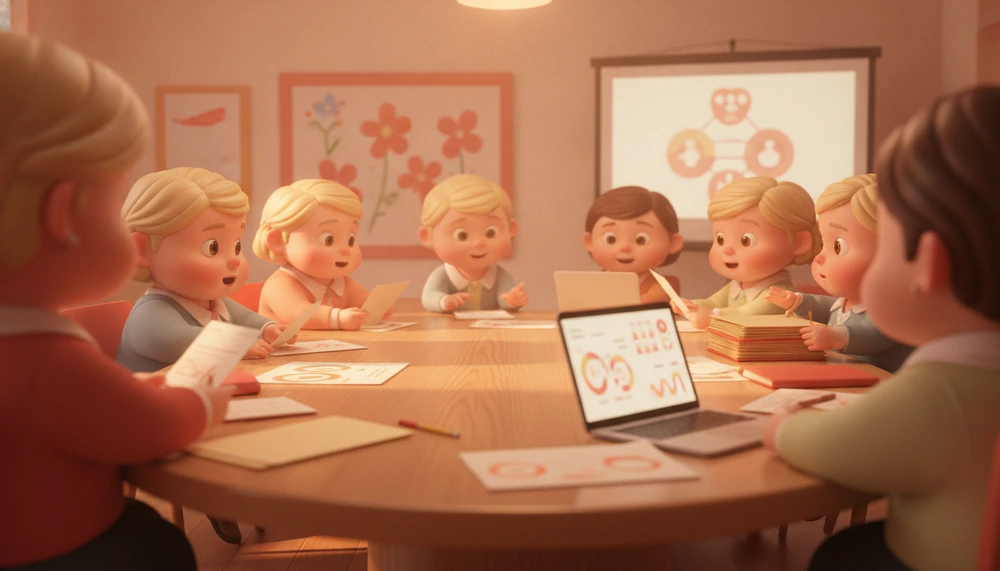
School policies around SEL are evolving, impacting IEP and 504 plans. Staying informed helps ensure your child receives the necessary support.
Understanding Policy Changes: As schools integrate more SEL frameworks, parents can advocate for these changes to be reflected in their child's personalized learning plans.
Navigating Changes
- Stay Updated: Follow school newsletters and local education news for updates on SEL policies.
- Advocate: Attend IEP meetings prepared to discuss how new policies can support your child’s SEL development.
- Collaborate with Educators: Work with teachers to integrate SEL goals into your child’s learning plan.
Example: If a school adopts a new SEL curriculum, meet with your child’s teacher to discuss how it aligns with their IEP goals.
Practical Advice
I've guided many families through navigating school policy changes. One mother shared how attending a school board meeting helped her understand new SEL initiatives, enabling her to advocate more effectively for her child’s educational needs.
In My Practice
In my practice, I've seen many parents struggle to keep up with the rapid pace of news and research. One family felt overwhelmed by conflicting information from various sources. I recommended focusing on trusted, clear explanations and applying new insights to specific SEL goals. We worked on integrating these insights into everyday situations, supporting the child’s growth and confidence.
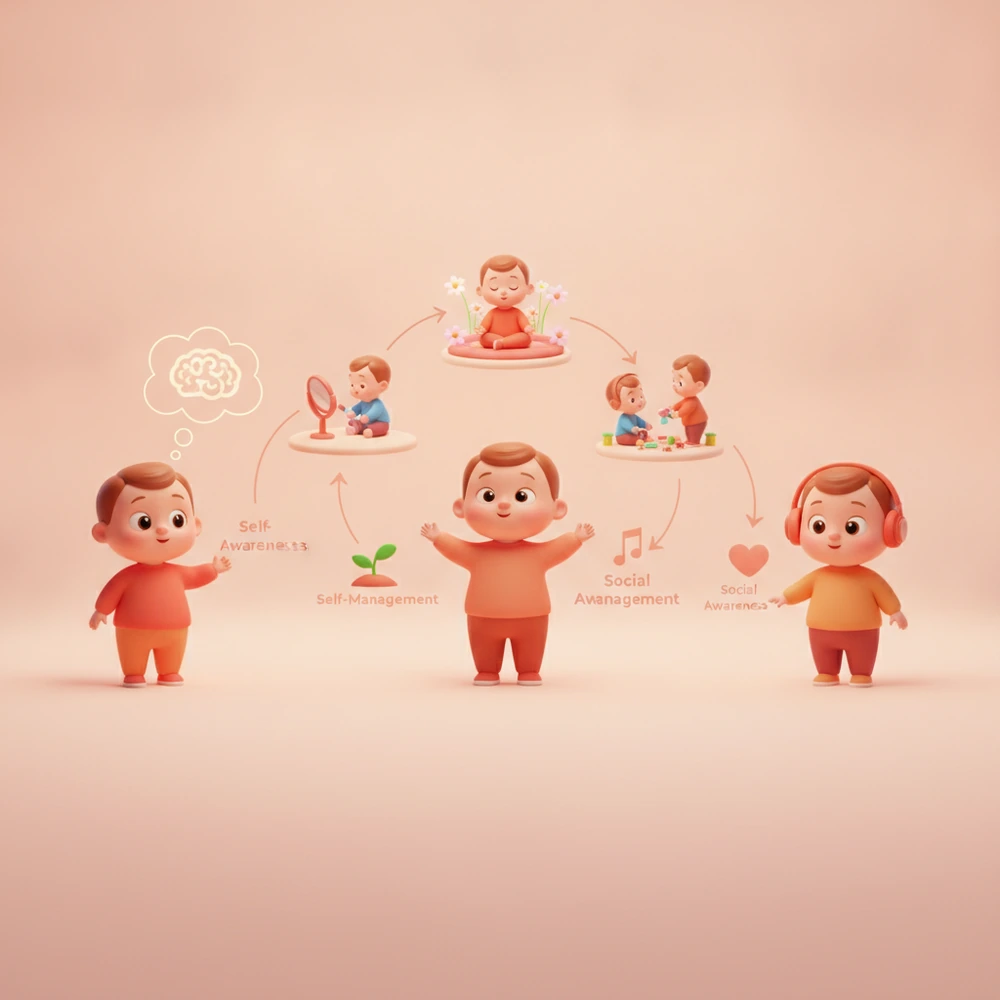
Why Focus on SEL?: SEL provides a framework for children to understand themselves and others, manage their emotions, and make responsible decisions. These competencies are particularly beneficial for neurodivergent children, offering tools to navigate social challenges and build resilience.
References
1 spectrumnews.org — Autism Research News. 2 Pediatrics journal (AAP). 3 JAACAP — Child Psychiatry.
1 spectrumnews.org. (n.d.). Autism Research News. Retrieved from https://spectrumnews.org/ 2 Pediatrics Journal, American Academy of Pediatrics. (n.d.). Retrieved from https://www.aap.org/ 3 Journal of the American Academy of Child & Adolescent Psychiatry. (n.d.). Retrieved from https://www.jaacap.org/
Try It This Month
Reading is the easy part. Skills build through small, repeated practice — here's a low-pressure plan you can try with your child.
- 1Watch a Movie with a Neurodivergent CharacterThis weekendPick a movie featuring a neurodivergent character. Discuss their portrayal and relate it to real-life experiences, fostering empathy.Discover more about media portrayals →👉 What this looks likeChoose a family film featuring a neurodivergent character, such as 'Inside Out'. Watch together, then discuss how the character feels and overcomes challenges. Ask, 'How did they handle their big emotions?' and relate it to your child's feelings.
- 2Discuss a Celebrity's Autism DisclosureDay 2-3Share a news article about a celebrity who disclosed their autism. Discuss what it means for neurodiversity.Explore celebrity disclosures →👉 What this looks likeRead an article together about a celebrity like Greta Thunberg or Anthony Hopkins who has disclosed being autistic. Talk about their achievements and how they manage challenges, emphasizing self-awareness and strengths.
- 3Create a Sensory-Friendly Space at HomeOnce this weekSet up a calming area with sensory tools, supporting self-management and relaxation.Learn about sensory-friendly environments →👉 What this looks likeDesignate a corner in your child’s room as a 'calm zone'. Include items like a soft blanket, noise-canceling headphones, and a few favorite books. Encourage your child to use this space when they need a break, modeling its use yourself by saying, 'Let's take a calming moment here together.'
- 4Attend a School Meeting about SEL PoliciesNext school meetingParticipate in a school meeting to discuss SEL policy changes and advocate for your child's needs.Read about school policy changes →👉 What this looks likeJoin the next PTA meeting where SEL policies are on the agenda. Prepare by reviewing recent policy documents. Discuss how these changes can be integrated into your child's IEP, highlighting specific SEL competencies like self-regulation and emotional awareness.
- 5Practice SEL Skills DailyDaily, 5 minIntegrate SEL skills into daily routines, enhancing self-awareness and social awareness.👉 What this looks likeDuring dinner, have a 'feelings check-in'. Ask each family member to share one feeling they experienced that day and how they managed it. Emphasize listening and empathy by saying, 'Thank you for sharing. How do you feel now after talking about it?'
Frequently Asked Questions
How do I talk to my child about autism in the media?
Why are celebrity autism disclosures important?
How can I stay updated on autism research?
What should I do if my child's school changes its SEL policy?
How can SEL help my neurodivergent child?
References