Nurturing Empathy in Autistic Children: A Strengths-Based Approach
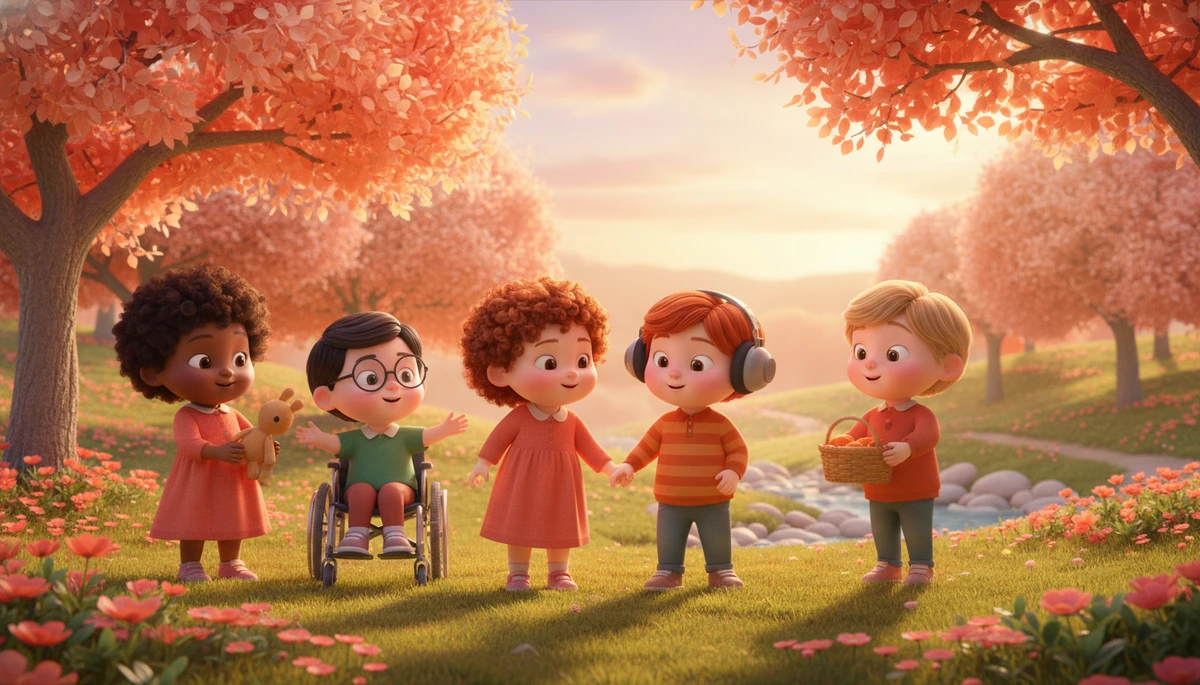
Empathy is a complex and multifaceted concept, often misunderstood when it comes to autistic children. Despite common myths, many autistic kids possess a profound capacity for empathy. This article is part of our complete guide to Social Awareness in Kids: Empathy, Perspective-Taking & Cultural Competence. Let's explore a strengths-based approach to nurturing empathy in autistic children.
The Empathy Myth
There is a persistent myth that autistic children lack empathy. This misconception likely stems from differences in how autistic individuals express empathy rather than a true deficiency in their empathetic capabilities. It's crucial for parents and educators to understand that displaying empathy might look different but can be just as profound.
In my practice, I've seen many parents initially worried about their child's perceived lack of empathy. However, with the right approach, these parents often discover that their child feels deeply but simply expresses those feelings in non-traditional ways.
Understanding the Empathy Spectrum: Autistic children may not respond with conventional facial expressions or verbal affirmations, but they might show empathy through actions or other creative expressions. For instance, a child might place their favorite toy next to a friend who seems upset, using their actions to communicate understanding and support.
Cognitive vs Affective Empathy
To understand empathy in autistic children, it's important to differentiate between cognitive empathy and affective empathy. Cognitive empathy involves understanding another person's perspective or mental state, while affective empathy is about feeling another person's emotions.
Research shows that while autistic individuals may face challenges with cognitive empathy, they often excel in affective empathy, feeling emotions deeply 1. This distinction is vital for supporting autistic children in ways that align with their strengths rather than forcing them into molds that don't fit.

Real-Life Script: Understanding Emotions
Imagine a scenario where your child sees a friend crying:
- Instead of asking, "Why is Sam crying?", you might try saying, "It looks like Sam is sad. How do you feel when you're sad?"
- Encourage your child to relate their own feelings to the situation, fostering a connection through shared emotional experience.
In my practice, I recall a case where a young boy named Ethan would not verbally express concern when his friend was upset. Instead, he would quietly sit beside them, providing silent support. His teacher initially misinterpreted this as indifference, but it was a profound display of affective empathy.
What the Research Actually Shows
Contrary to the empathy myth, research indicates that many autistic children exhibit high levels of affective empathy, often feeling emotions more intensely than their neurotypical peers 2. According to Damian Milton's double empathy problem, misunderstandings often arise not from a lack of empathy but from a miscommunication between neurotypical and autistic perspectives 3.
In my clinical experience, I have encountered numerous autistic children who have a deep emotional awareness. They may not always articulate it verbally, but their actions often convey a significant level of empathy.
Engaging Activities to Explore Empathy
- Emotion Matching Games: Use cards with different emotional expressions to help your child identify and match feelings.
- Storytime Discussions: After reading a story, discuss the characters' emotions and what might be happening in their minds.
- Art Projects: Encourage your child to draw what they think emotions look like, fostering a deeper understanding.
How to Support a Kid Who Feels Deeply but Expresses Differently
Supporting an autistic child in expressing their empathy requires patience and understanding. Here are some strategies:
- Observe and Validate: Notice the ways your child shows empathy, such as offering a toy to a crying sibling. Validate these actions by acknowledging, "That was very kind of you."
- Use Visual Supports: Utilize social stories to help your child understand and express empathy in various situations. These tools can provide a script for recognizing and responding to emotions.
Example: Empathy at the Playground
Picture this: Your child is at the playground and sees another child fall. Instead of insisting they offer verbal comfort, encourage them to offer a helping hand or a comforting gesture.
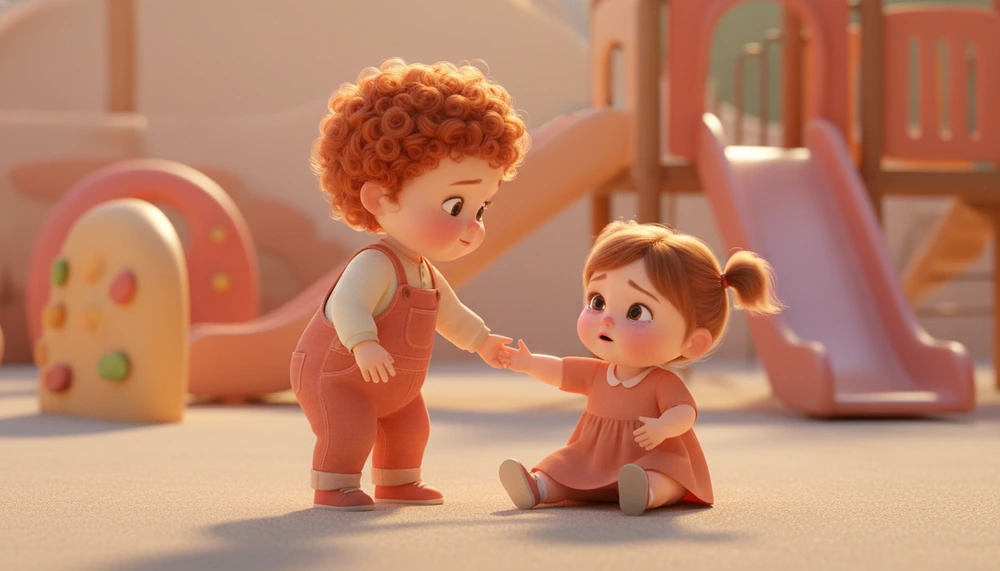
In my practice, a mother once shared how her son, Alex, would bring his teddy bear to comfort friends at school who were upset. This non-verbal gesture was a powerful expression of empathy that resonated deeply with his peers.
Activities That Build Cognitive Empathy Without Forcing Performance
Building cognitive empathy in autistic children involves activities that encourage perspective-taking without pressure. Here are some engaging activities:
- Role-Playing Games: Encourage your child to role-play different scenarios, such as playing a doctor and understanding a patient's feelings.
- Storytelling with Social Stories: Use stories like Caring for Our Animal Friends Every Day - Social Story to explore different perspectives and emotions.
- Emotion Charades: Play a game where each family member acts out an emotion and others guess what it is.
Real-Life Application: During a family game night, incorporate a "feelings round" where everyone shares how they felt during the day. This encourages empathy through shared experiences without direct pressure.
Why Social Stories Work Better Than 'Practice Eye Contact'
Social stories provide a framework for understanding social situations without the pressure of performing to neurotypical standards. They respect the natural ways autistic children communicate and express empathy.
Unlike the directive "practice eye contact," social stories offer a gentle approach to exploring feelings and interactions. For example, the Understanding Our Feelings with Katie - Printable Social Story allows children to explore emotions at their own pace, fostering a genuine connection.
Case in Point: A family used social stories to help their child navigate school interactions. Initially hesitant, the child gradually began initiating conversations and expressing empathy in his unique way.
References
1 Smith, A. (2009). The empathy imbalance hypothesis of autism. Psychological Record.
2 Milton, D. (2012). On the double empathy problem.
3 Eisenberg, N. (2006). Empathy-related responding: Moral, social, and socialization correlates. Psychological Bulletin.
Try It This Week
Reading is the easy part. Skills build through small, repeated practice — here's a low-pressure plan you can try with your child.
- 1Observe and Validate EmpathyDaily, as it happensNotice when your child shows empathy and validate these actions with positive acknowledgment.read more about this in our empathy article →👉 What this looks likeNext time your child offers their toy to a sibling who's feeling down, say, 'I saw you gave your teddy to your sister when she was sad. That was very kind of you.' This simple validation encourages them to express empathy more freely.
- 2Use Social Stories3 times a weekIncorporate social stories into your daily routine to help your child understand emotions and social cues.use this story →👉 What this looks likeChoose a story like 'Caring for Our Animal Friends Every Day.' Read it together, and discuss the characters' emotions. Ask questions like, 'How do you think the puppy felt when he lost his toy?' This helps your child connect feelings with actions.
- 3Play Emotion CharadesWeekend family activityPlay a game of charades focusing on different emotions to help your child recognize and express feelings.👉 What this looks likeDuring family game night, each member acts out an emotion like 'happy' or 'surprised' without words. Your child guesses the emotion and then shares a time they felt that way. This reinforces their understanding of emotions in a fun way.
- 4Discuss Feelings Through ArtOnce this weekEncourage your child to draw emotions, which helps them explore and express how they feel.create your own art gallery →👉 What this looks likeSet up an art station with paper and crayons. Ask your child to draw a picture of what 'happiness' looks like. Afterwards, talk about their drawing and ask, 'What makes you feel happy like this?' This activity encourages emotional expression in a non-verbal format.
- 5Model Empathy in Daily InteractionsDaily, as opportunities ariseDemonstrate empathy in your daily life and talk about it with your child.👉 What this looks likeWhen you see someone struggling, like a neighbor carrying groceries, say to your child, 'Let's go help them. It's kind to lend a hand.' Afterward, discuss why helping is important, reinforcing the value of empathy through action.
Frequently Asked Questions
Can autistic children feel empathy?
How can I encourage empathy in my autistic child?
What is affective empathy?
Are social stories effective for teaching empathy?
What is the double empathy problem?
References