Teaching Kids to Understand Long-Term Consequences
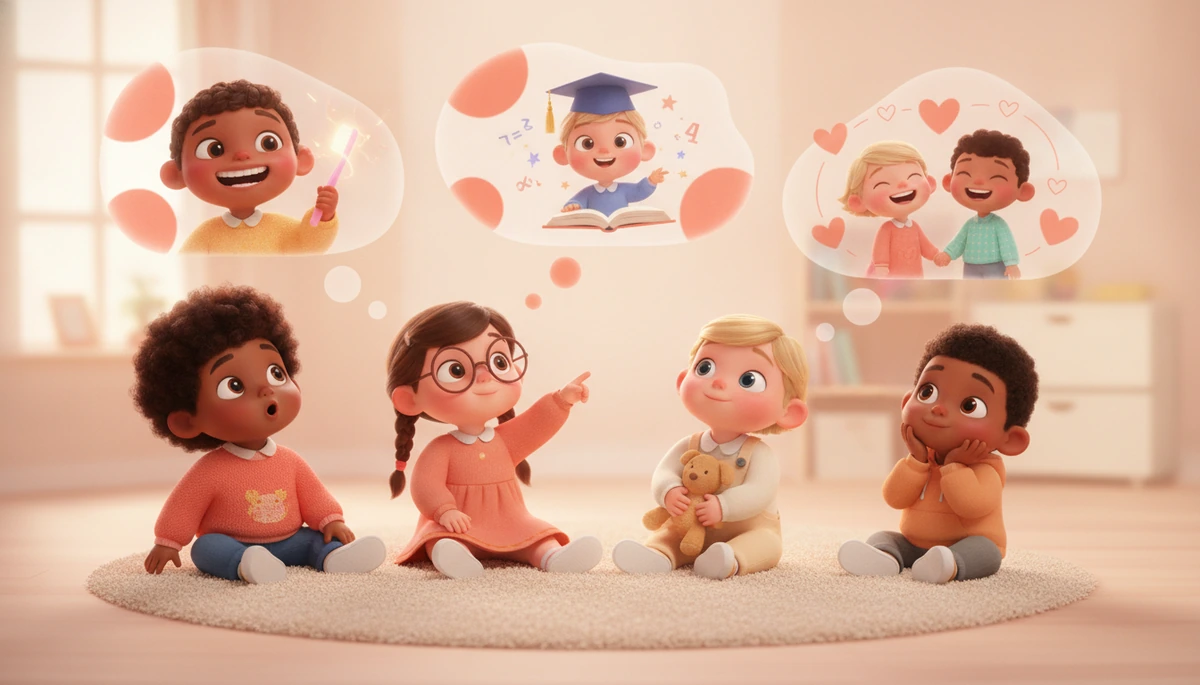
Understanding the impact of decisions on future scenarios is a crucial skill for children. By teaching kids to consider long-term consequences, we equip them with the tools to make responsible decisions. This article is part of our complete guide to Decision-Making Skills for Kids: A Parent's Guide (Ages 4-12).
Understanding Long-Term vs Short-Term Consequences
Children often focus on immediate rewards or results, which is natural given their developmental stage. However, helping them understand the difference between short-term and long-term consequences can significantly aid in their decision-making skills.
Short-term consequences are immediate results of an action. For example, if a child eats too much candy, they might feel a sugar rush followed by a stomach ache. On the other hand, long-term consequences involve outcomes that occur in the future, such as cavities from consistently eating too much candy.
Example: The Candy Dilemma
Imagine a child who loves candy. They might not see the immediate harm in indulging daily, but explaining how it affects their teeth over time can start a conversation about long-term consequences. Parents can illustrate this by showing pictures of healthy teeth versus unhealthy teeth, emphasizing the importance of moderation to maintain dental health.
To further this understanding, you can introduce a simple chart to track candy consumption against dental check-ups, making the connection between habits and health more tangible.

Why Long-Term Thinking Matters
Teaching children to consider long-term consequences fosters responsible decision-making, one of the core competencies of the CASEL framework 1. When children understand the future impact of their actions, they are more likely to make choices that align with their goals and values.
- Encourages planning and goal-setting.
- Reduces impulsive decisions.
- Promotes self-control and patience.
- Enhances problem-solving skills.
By nurturing these skills, we prepare them for more complex decision-making as they grow older. Research suggests that future thinking in children can lead to improved academic performance and social interactions 2.
Example: The Consequences of Procrastination
Consider a scenario where a child delays their homework for playtime. Initially, they enjoy the extra play, but the stress of unfinished work builds up, leading to rushed assignments and poor grades. This example helps them see how procrastination affects their academic success and stress levels over time.
Using Stories to Illustrate Long-Term Effects
Stories are a powerful tool in helping children visualize and understand the concept of long-term consequences. They provide relatable scenarios where characters face the outcomes of their choices.
Example: The Tale of Two Paths
Create a story about a character who faces a choice between playing video games or studying for a test. The story can explore two paths: one where the character plays games and struggles on the test, and another where they study and succeed. This narrative helps children see the direct link between actions and outcomes.
For more engaging scenarios, explore our social stories collection, such as Let's Complete Our Work Before Playtime Fun!.
Additionally, consider involving your child in creating their own stories. This activity can deepen their understanding and make the lessons more personal and memorable.
Role-Playing Future Scenarios
Role-playing allows children to practice decision-making in a safe environment. By acting out different scenarios, they can explore the potential consequences of their choices without real-world repercussions.
Role-Playing Exercise
- Select a Scenario: Choose a situation relevant to your child, like deciding whether to save or spend their allowance.
- Assign Roles: Let your child play the main character, and you or another child can play supporting roles.
- Act It Out: Discuss potential decisions and their outcomes.
- Debrief: Talk about what happened and why certain choices led to specific consequences.
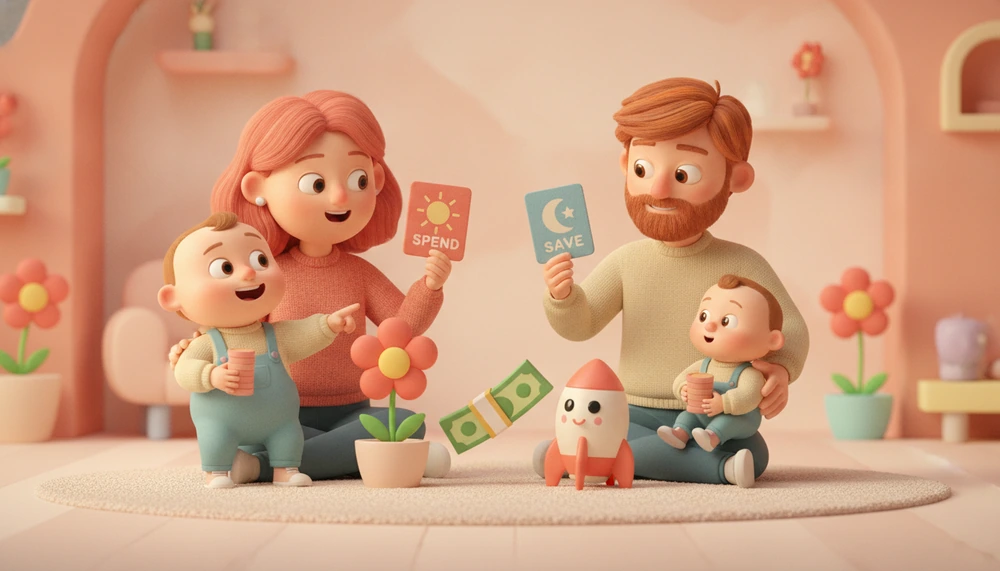
Example: Savings vs. Spending
Imagine your child wants a new toy but has limited allowance. Role-play a scene where they consider saving their money for a bigger purchase versus spending it immediately. Discuss how patience and planning can lead to more satisfying outcomes.
Games and Activities for Long-Term Thinking
Interactive games and activities make learning about long-term consequences fun and engaging. Here are some ideas:
- Future Journals: Encourage your child to keep a journal where they predict outcomes of their decisions and reflect on them later.
- Decision Trees: Create a decision tree that maps out possible choices and their long-term effects.
- Board Games: Play games that require strategic thinking, such as chess or checkers, where players must anticipate future moves.
Example: The Decision Tree Game
Set up a simple decision tree game at home. Present a scenario like "choosing to read a book instead of watching TV." Map out the short-term (enjoyment from the book) and long-term (improved reading skills) outcomes. Discuss these with your child to reinforce the concept.
Additionally, using apps such as the SocialBlossom app can provide interactive story-based scenarios that engage children in decision-making exercises.

Reflecting on Past Decisions
Reflection helps children learn from their experiences, making it a valuable tool for teaching about long-term consequences. Encouraging kids to think about past decisions and their outcomes can guide future choices.
Reflection Exercise
- Identify a Past Decision: Ask your child to recall a recent decision, like choosing to stay up late.
- Discuss the Outcome: What happened as a result? Did they feel tired the next day?
- Explore Alternatives: What could they have done differently? How might another choice have changed the outcome?
Reflecting on past decisions can be facilitated by maintaining a "reflection journal," where children note decisions and outcomes, fostering a continual learning process.
Encouraging Future-Oriented Thinking
To foster future-oriented thinking, consistently prompt your child to consider "what's next." Encourage them to envision their goals and the steps needed to achieve them.
Future Planning Activity
- Create a Vision Board: Help your child create a vision board that represents their future aspirations. Use images and words to visualize their goals.
- Set Achievable Goals: Break down long-term goals into manageable steps. Celebrate small successes to keep motivation high.
Example: Vision Board Creation
Imagine a weekend where you sit with your child to craft a vision board. Gather magazines, scissors, and glue. Encourage them to select images and words that reflect their dreams, such as learning a new skill or traveling. Place this board in a visible area to inspire ongoing conversations about their future.
References
1 CASEL - Responsible decision-making. Retrieved from https://casel.org/fundamentals-of-sel/what-is-the-casel-framework/
2 American Psychological Association - Future thinking in children. Retrieved from https://www.apa.org/
3 PBS Kids - Teaching kids about consequences. Retrieved from https://www.pbs.org/parents/thrive/teaching-kids-about-consequences
Try It This Week
Reading is the easy part. Skills build through small, repeated practice — here's a low-pressure plan you can try with your child.
- 1Start a Future JournalThis weekendEncourage your child to jot down decisions and predict outcomes. Reflect on these predictions weekly.use this story →👉 What this looks likeProvide your child with a dedicated notebook. Explain they can write about decisions like choosing between activities and predict outcomes. For example, 'I chose to read instead of play video games. I think this will help me do well in tomorrow's test.' Review these notes weekly to see how their predictions hold up.
- 2Create a Vision BoardDay 1Help your child visualize goals by creating a vision board with images and words representing future aspirations.👉 What this looks likeSpend a Saturday morning gathering old magazines and art supplies. Sit down with your child and help them pick images that represent their dreams, like learning to play an instrument or visiting a new place. Once complete, hang it in their room. It serves as a daily reminder of their aspirations and the steps needed to achieve them.
- 3Role-Play a DecisionDay 3Act out a scenario where your child makes a choice, exploring both positive and negative outcomes.in the SocialBlossom app →👉 What this looks likePick a simple decision, like whether to pack a healthy lunch or buy school lunch. Role-play the choice and discuss what happens if they choose each option. For instance, packing a lunch might save money and be healthier, while buying lunch could mean less prep time but fewer healthy options. This exercise highlights consequences in a tangible way.
- 4Reflect on a Recent DecisionOnce a weekHelp your child think back on a choice they made and discuss its outcome.👉 What this looks likeAt the end of the week, have a conversation with your child about a decision they made, like staying up late to watch a movie. Discuss how they felt the next day and what they might choose differently next time. This reflection helps in understanding the impact of decisions and planning better for the future.
- 5Play a Strategy Board GameThis weekendEngage in a board game that requires planning and foresight, like chess or checkers.in the SocialBlossom app →👉 What this looks likeSet up a game of chess on a Saturday afternoon. As you play, encourage your child to think a few moves ahead. Discuss how each move affects the game, helping them see the link between actions and long-term outcomes. This practice develops strategic thinking and patience.
Frequently Asked Questions
How can I teach my child about long-term consequences?
What are good activities for teaching future thinking?
Why is it important for kids to understand long-term consequences?
How do stories help in teaching consequences?
What role does reflection play in decision-making?
How can role-playing aid in understanding future consequences?
References
- CASEL - Responsible decision-making. Retrieved from https://casel.org/fundamentals-of-sel/what-is-the-casel-framework/
- American Psychological Association - Future thinking in children. Retrieved from https://www.apa.org/
- PBS Kids - Teaching kids about consequences. Retrieved from https://www.pbs.org/parents/thrive/teaching-kids-about-consequences
