Understanding Theory of Mind in Neurodiverse Children
What 'Theory of Mind' Actually Means
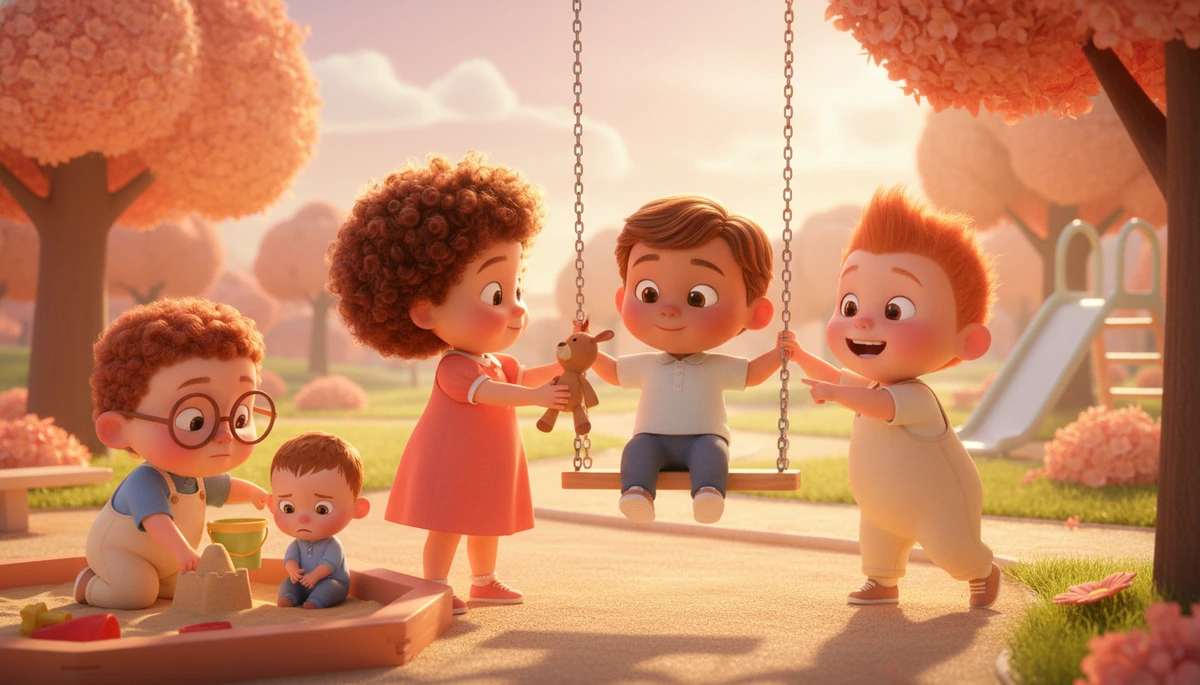
Theory of mind (ToM) is a fundamental concept in child development referring to a child's ability to understand that others have thoughts, feelings, and perspectives different from their own. It's a crucial part of social awareness, one of the core competencies in the CASEL framework for social-emotional learning (SEL). This competency helps children engage empathetically and effectively with peers and adults.
Understanding theory of mind is not just about recognizing that others think differently; it's about grasping that these differences can lead to varied actions and emotions. For example, when a child realizes that their friend is upset because of a lost toy, they're exercising their theory of mind. This understanding is pivotal in fostering empathy and the ability to navigate complex social interactions. It's also linked to developing self-awareness, as children learn to reflect on their own thoughts and how these might differ from others'.
This article is part of our complete guide to Social Awareness in Kids: Empathy, Perspective-Taking & Cultural Competence.

The Sally-Anne Test, in Plain English
The Sally-Anne test is a classic experiment used to demonstrate theory of mind. In this test, a child is shown a scenario involving two characters, Sally and Anne. Sally places a marble in a basket and leaves the room. Anne then moves the marble to a box. When Sally returns, the child is asked where Sally will look for the marble.
Children who understand that Sally has her own perspective and knowledge will say she will look in the basket, where she left it. Those who do not yet grasp this concept might say she'll look in the box, where the marble actually is. This test helps identify when children develop the ability to understand others' beliefs and perspectives.
Real-Life Application: Consider a similar scenario at home. If a sibling moves a toy from its original place, asking the child where the sibling might look first can mimic the Sally-Anne test. This helps parents gauge their child's perspective-taking ability in a familiar setting.
Typical Timeline: False-Belief Understanding by Age 4
Most children begin to understand false beliefs—the idea that others can hold beliefs that are untrue—by age 4. This milestone is crucial in the development of empathy and social interactions. It allows children to predict and interpret the actions of others based on their understanding of differing perspectives.
In my practice, I've seen many parents express surprise at how quickly their children pick up on these concepts. Often, it's during social play or through storytelling that these skills emerge. Encouraging pretend play and discussing characters' emotions in storybooks can significantly foster this understanding. A child engaging with a puppet show, where characters have hidden motives or misunderstandings, can be a fun and educational way to practice these skills.
Example from Practice: During a session, I observed a child who, through repeated storytelling sessions, began to predict a character's actions based on what they knew about the character's beliefs. This development was a breakthrough moment in enhancing their social interactions at school.
What the Autism + ToM Research Really Says
Research by Baron-Cohen and colleagues in 1985 highlighted that autistic children often show differences in ToM development 1. However, it's essential to emphasize that this doesn't mean autistic children lack empathy or understanding. Instead, they may process social information differently, leading to unique strengths and challenges.
It's crucial for parents and educators to recognize these differences and provide tailored support. Encouraging perspective-taking through structured activities, such as social stories, can be particularly beneficial. These stories help children visualize and process various social scenarios, which is a critical skill in developing theory of mind.
In My Practice: I worked with a child who initially struggled with understanding peer emotions during group activities. We incorporated social stories and role-playing into our sessions, which gradually improved their ability to infer others' feelings and react appropriately.
Milton's 'Double Empathy Problem' — The Modern Reframe
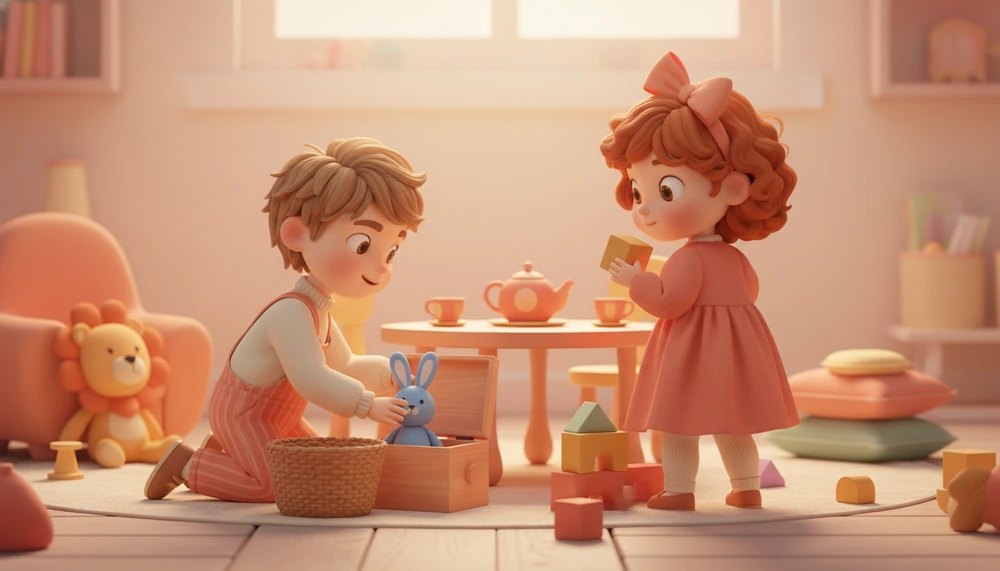
Damian Milton's 'double empathy problem' challenges the traditional view by suggesting that communication difficulties between autistic and non-autistic individuals are mutual 3. This perspective reframes the issue, highlighting that misunderstandings arise from both parties, not just the autistic individual.
Understanding this can help create more inclusive environments that value diverse communication styles. It encourages us to adjust our approaches, fostering mutual understanding and respect. For educators, this might mean altering classroom dynamics to better accommodate diverse ways of communication and interaction, thereby supporting every child's learning experience.
Example of Implementation: In a classroom setting, teachers can implement inclusive communication strategies by using visual aids and ensuring that instructions cater to different learning styles. This approach not only aids autistic children but enhances overall classroom engagement.
ToM-Building Activities for Ages 3-8
Engaging children in activities that promote theory of mind is essential. Here are some effective ways to nurture these skills:
-
Role-Playing: Enact different scenarios where children must guess what another character might think or feel. For example, "How do you think Teddy feels when he can't find his blanket?"
-
Storytelling and Discussion: Choose books that highlight characters with different feelings and discuss their perspectives. Stories like Shivani Learns to Listen with Care - Social Story PDF can be helpful.
-
Perspective Games: Simple games like "Guess what I'm thinking" can encourage children to consider others' thoughts.
Concrete Example: Imagine you're preparing dinner, and your child is playing nearby. You might say, "I wonder what your teddy bear is thinking right now." This prompts them to consider a perspective outside their own. This activity not only strengthens their theory of mind but also enhances their ability to engage in creative thinking.
When ToM Differences Become a Real-World Issue (and What Helps)
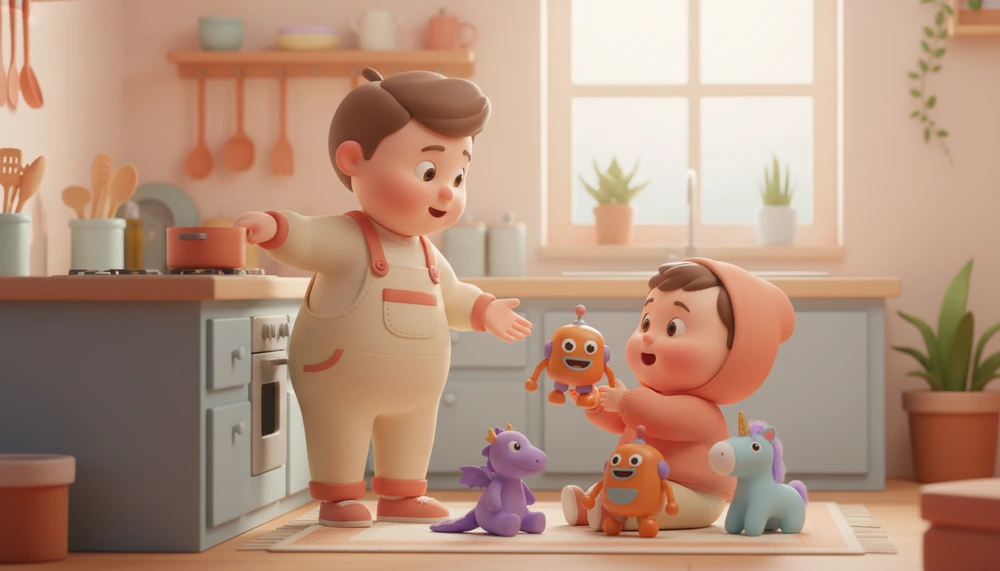
As children grow, differences in theory of mind can impact their social interactions. For example, a child who struggles with ToM might find it challenging to resolve conflicts or misunderstand social cues.
Support strategies include:
- Structured Playdates: These offer a controlled environment to practice social skills.
- Social Stories: Use tools like Happy Home Habits for Little Helpers - Printable Social Story to model various social situations.
- Parental Guidance: Encourage open discussions about feelings and thoughts. Use questions like "What do you think your friend felt when you did that?"
In My Practice: I've seen significant progress when parents consistently integrate these strategies into daily routines. Helping children become aware of their own and others' thoughts fosters empathy and effective communication. One family I worked with began using daily reflection sessions to discuss emotions experienced throughout the day, which dramatically improved their child's ability to empathize and communicate feelings effectively.

References
1 Baron-Cohen, S., Leslie, A. M., & Frith, U. (1985). Does the autistic child have a 'theory of mind'? Cognition, 21(1), 37-46.
2 Wellman, H. M. (2014). Making Minds: How Theory of Mind Develops.
3 Milton, D. (2012). On the ontological status of autism: the 'double empathy problem'. Disability & Society.
Try It This Week
Reading is the easy part. Skills build through small, repeated practice — here's a low-pressure plan you can try with your child.
- 1Discuss Feelings at BedtimeDaily, bedtimeUse bedtime as a moment to discuss feelings experienced during the day. Helps children reflect on emotions.use this story →👉 What this looks likeAt bedtime, ask your child, "What was the happiest part of your day?" Follow with, "Did anything make you feel sad?" Discuss why they felt this way and what they might do differently. This routine helps them become more aware of their emotions and consider others' feelings.
- 2Role-Play a Supermarket TripThis weekendAct out a trip to the supermarket, focusing on different characters' perspectives.in the SocialBlossom app →👉 What this looks likeSet up a mini supermarket at home with toy groceries. Assign roles: one is the shopper, another is the cashier. Ask, "How does the cashier feel when the line is long?" This helps children practice taking on different perspectives and understanding emotions in everyday situations.
- 3Create a Story TogetherOnce this weekCollaboratively create a story with your child, focusing on character emotions and thoughts.use this story →👉 What this looks likeSit with your child and say, "Let's make up a story! Our character is lost in a forest. What do they feel?" Encourage them to think about what the character might do and feel. This task enhances their ability to empathize and understand diverse perspectives.
- 4Play "Guess What I'm Thinking"Twice this weekEngage in a game where children guess your thoughts based on clues. Enhances perspective-taking.👉 What this looks likeDuring dinner, say, "I'm thinking of something that makes me happy. It's warm and bright." Guide them to guess "the sun." This game encourages children to think about others' thoughts and feelings, fostering empathy and understanding.
- 5Reflect on a StorybookDay 1Read a storybook and discuss characters' emotions and motivations with your child.read more about perspective games →👉 What this looks likeAfter reading a book, ask, "Why do you think the character felt that way? What would you have done?" This encourages your child to consider different perspectives, crucial for developing empathy and theory of mind skills.
Frequently Asked Questions
What is theory of mind in simple terms?
At what age do children develop theory of mind?
How does theory of mind affect social skills?
Why is theory of mind important for autistic children?
What activities can improve theory of mind?
How can parents support their child's theory of mind development?
References