Navigating School Counselors: A Parent's Guide to SEL Support

This article is part of our complete guide to Working with the School SLP, OT, and Counselor: A Parent's Playbook. School counselors are often unsung heroes in the educational landscape, playing a critical role in supporting students' social-emotional learning (SEL). Understanding when and how to engage with them can make a significant difference in your child's school experience.
What School Counselors Actually Do
Many parents are uncertain about the role of a school counselor. Their responsibilities can vary widely depending on the school district and individual school policies. Generally, school counselors focus on three domains: academic, career, and social-emotional development. According to the American School Counselor Association (ASCA), they provide guidance in helping students achieve success in these areas 1.
School counselors help students develop self-awareness and relationship skills, crucial components of SEL. They are involved in creating and implementing SEL programs, offering individual and group counseling, and supporting students' emotional well-being. In my practice, I've seen how counselors can effectively mediate conflicts and facilitate communication among students, enhancing their social awareness and responsible decision-making skills. For instance, school counselors might implement peer mediation programs where students are trained to help resolve conflicts among classmates, promoting a sense of community and understanding.
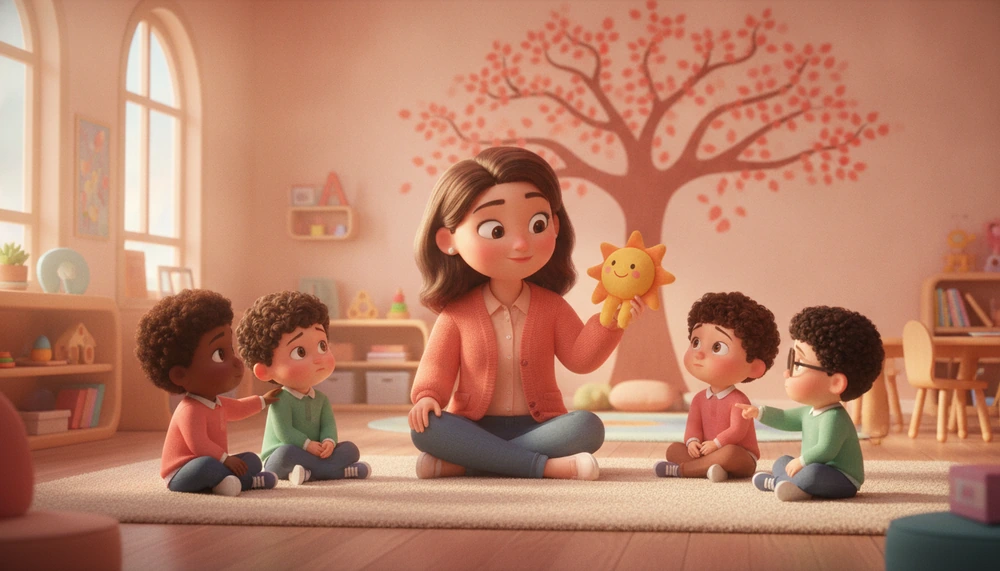
Concrete Example
Imagine a school counselor conducting a classroom lesson on empathy. They might use role-playing activities to teach students how to recognize and respond to others' feelings, promoting both self-awareness and social awareness. These lessons often involve students working in pairs or small groups to act out scenarios, discussing how different responses could affect the emotions of those involved. This hands-on approach not only makes the learning process engaging but also more impactful as students practice these skills in real-time.
When to Engage Them Proactively
Parents often only think of school counselors during crises, but there are many proactive reasons to reach out. Engaging with a school counselor early can help address concerns before they escalate. You might consider contacting the school counselor if:
- Your child is struggling with transitions, such as moving to a new school or grade.
- You notice changes in your child's behavior that affect their school performance.
- Your child is experiencing difficulties in making or maintaining friendships.
School counselors can provide strategies to support your child in managing these challenges, fostering growth in self-management and relationship skills. For example, a counselor might suggest creating a social story to help your child visualize and plan for new social situations. This approach can be particularly beneficial for neurodivergent children who thrive on structure and predictability.
Real-Life Script
Picture this: Your child is anxious about starting middle school. You meet with the school counselor, who suggests a gradual exposure plan and role-playing exercises to practice self-regulation skills. Together, you and the counselor develop a plan to ease your child's transition. The counselor might recommend meeting other students before the school year starts or visiting the school to become familiar with the new environment, helping your child feel more secure and confident.
Tier 1 vs Tier 2 vs Tier 3 Services
School counseling services are typically organized into three tiers of support:
- Tier 1: Universal interventions for all students, such as school-wide SEL programs and classroom lessons.
- Tier 2: Targeted interventions for groups of students with similar needs, such as social skills groups.
- Tier 3: Intensive, individualized support for students with significant needs, often involving collaboration with special education staff.
Understanding these tiers helps parents know what to expect and advocate for appropriate support. Tier 1 services might include activities like mindfulness sessions in class, while Tier 2 could involve lunch bunch groups where students practice social interactions in a guided setting. Tier 3 interventions are tailored for students who might require one-on-one sessions to address specific challenges, ensuring they receive the necessary support to thrive.

School Counselor vs Outside Therapist
While both school counselors and outside therapists support children's mental health, their roles differ significantly. A school counselor focuses on the school environment and educational success, while an outside therapist may address broader mental health issues. School counselors often act as the first line of support, identifying students who may benefit from additional resources outside of school.
In-My-Practice Moment
In my practice, I often recommend parents collaborate with both to ensure a comprehensive support system. For example, a school counselor might work on peer interactions, while an outside therapist addresses underlying anxiety issues. This holistic approach ensures that the child receives consistent support across different environments, promoting overall well-being. I've seen many families benefit from this dual support, as it allows parents to address both immediate school-related concerns and more profound emotional needs.
Confidentiality + When Info Goes to Teachers
Confidentiality is a critical aspect of the counselor-student relationship. However, there are situations where information must be shared with teachers or other school staff, such as when a student's safety is at risk. Understanding these boundaries helps parents and students feel secure in their interactions with counselors. Open communication about what information can be shared fosters trust and helps create a supportive school environment.
Scripted Dialogue
- Parent: "What information will you share with my child's teacher?"
- Counselor: "I will only share what is necessary for your child's educational support, like strategies that help them focus or calm down."
These conversations are essential in building a collaborative partnership aimed at supporting the student's best interests. It's important for both parents and students to know their rights and feel empowered to ask questions about confidentiality.
Email Template: Introducing Yourself
Establishing a relationship with your child's school counselor can start with a simple email introduction. Here's a template you can use:
Subject: Introduction - [Your Child's Name]
Dear [Counselor's Name],
I hope this message finds you well. I am [Your Name], the parent of [Your Child's Name], who is in [Grade/Class] this year. I wanted to introduce myself and express my willingness to work together to support [Child’s Name]'s growth and well-being in school.
Looking forward to a productive partnership.
Best regards,
[Your Name]
Building a Positive Relationship Over Years
A positive, ongoing relationship with the school counselor can enhance your child's school experience and SEL development. Regular communication and collaboration can ensure your child receives consistent support across different school years. Encourage your child to view the counselor as a resource they can turn to for both academic support and emotional guidance.
Example of Long-term Engagement
Consider scheduling periodic check-ins with the counselor to discuss your child's progress and any new challenges. This proactive approach fosters a supportive environment for your child. Over time, these check-ins can become a valuable space for problem-solving and celebrating achievements, reinforcing the importance of SEL in your child's educational journey.

References
1 American School Counselor Association (ASCA). https://www.schoolcounselor.org/
2 Turnbull, A. (2020). Families, Professionals, and Exceptionality. Pearson.
Try It This Week
Reading is the easy part. Skills build through small, repeated practice — here's a low-pressure plan you can try with your child.
- 1Email the School CounselorDay 1Introduce yourself and express willingness to collaborate for your child's success in school.👉 What this looks likeWrite an email to your child's school counselor introducing yourself. Mention your child's name, grade, and a brief note about your interest in supporting their SEL development. End with a positive note expressing eagerness to work together.
- 2Discuss SEL with Your ChildDay 2-3Talk to your child about their feelings regarding school to understand their perspective.👉 What this looks likeDuring dinner, ask your child how they feel about school. Use open-ended questions like, 'What was the best part of your day?' or 'Is there anything that made you feel worried at school?' Listen actively to their responses and validate their feelings.
- 3Role-play Social ScenariosThis weekendPractice social situations with your child to build their confidence and skills.use this story →👉 What this looks likeChoose a common social scenario, like asking to join a game at recess. Role-play with your child: you play as another student, and they practice what they might say. Encourage them to express their feelings and think of ways to initiate or join conversations.
- 4Schedule a Counselor MeetingOnce this weekPlan a meeting with the school counselor to discuss your child's needs and support strategies.👉 What this looks likeContact the school counselor to schedule a meeting. Prepare a list of topics you want to discuss, such as your child's social interactions, academic concerns, or any changes you've observed at home. Be open to suggestions and work collaboratively to support your child.
- 5Create a Transition PlanDaily 5 minDevelop a plan with your child and the counselor to ease school transitions.👉 What this looks likeSit with your child and the counselor to create a visual schedule or checklist for transitioning to a new school year. Include positive affirmations and goals your child can look forward to. Revisit the plan regularly to make adjustments as needed.
Frequently Asked Questions
What is the main role of a school counselor?
When should I contact my child's school counselor?
How do school counselors and outside therapists differ?
How is confidentiality handled by school counselors?
How can I establish a relationship with the school counselor?
References
- American School Counselor Association (ASCA).
- Turnbull, A. (2020). Families, Professionals, and Exceptionality. Pearson.