Back-to-School Success for Neurodivergent Kids: An SEL Guide

In This Guide
- Back-to-School Anxiety: A Parent's SEL Playbook - Strategies to tackle anxiety week by week.
- Building the Morning Routine in the First 2 Weeks of School - Establish a soothing start to each day.
- Meeting Your Child's New Teacher: An SEL Conversation Guide - Essential questions to foster a supportive relationship.
- Setting Up the Homework Space: An SEL Approach - Create an environment that supports learning and emotional well-being.
Understanding Back-to-School Anxiety
For many neurodivergent (ND) children, the back-to-school season can stir a mix of emotions. From the excitement of seeing friends to the anxiety of new routines and environments, it's a period that requires thoughtful preparation. SEL plays a crucial role in easing this transition by addressing the emotional and social needs of children.
SEL and Back-to-School: A Perfect Match
Social-emotional learning (SEL) helps children develop skills in self-awareness, self-management, social awareness, relationship skills, and responsible decision-making. These competencies are crucial for ND children during the back-to-school transition. By focusing on SEL, we can provide support that aligns with their unique needs.
Example Scenario: Imagine your child, Alex, who has ADHD, feels anxious about meeting new classmates. Through SEL, you can help Alex articulate these feelings, practice deep breathing, and role-play introductions, setting the stage for meaningful social interactions.
Research Insight: Dr. Stuart Shanker emphasizes the importance of self-regulation in managing disrupted routines. Teaching children to recognize their triggers and respond calmly can ease the school transition 2.
In My Practice: I've seen many parents successfully use role-playing as a tool to help children visualize and rehearse social situations. This practice not only builds confidence but also reduces anxiety as children feel more prepared to face new experiences.

Preparing Your Child Emotionally
Building Self-Awareness
Encouraging self-awareness involves helping your child understand their emotions and triggers. This knowledge empowers them to communicate their needs effectively.
- Journal Together: Use a feelings journal to track emotions daily.
- Role Play: Practice common school scenarios at home.
- Emotion Wheel: Introduce an emotion wheel to help your child identify and articulate their feelings.
Example: Maya struggles with transitions. Together, you can create a story about a "Day in the Life of Maya," highlighting how she navigates the school day with confidence. Consider using the Calm and Happy at School - Printable Social Story to guide this activity.
In My Practice: One family found success by creating a "feelings corner" at home, where their child could retreat to reflect on their emotions using tools like the emotion wheel and calming music.
Creating a Back-to-School Routine
Establishing a routine provides stability and predictability, reducing anxiety. Routines help children know what to expect, which can be particularly comforting for ND kids.
- Visual Schedules: Create a visual timetable for your child.
- Consistent Bedtime: Maintain a bedtime routine to ensure adequate rest.
- Morning Rituals: Develop a consistent morning routine to start each day positively.
Example: In my practice, I've seen families use visual schedules effectively. One family created a colorful chart with magnetic pieces for each day's activities. This interactive schedule became a morning ritual, providing comfort and clarity.
Practical Tip: Try including "transition time" in your child's schedule. Allow extra time for moving between activities, reducing stress associated with sudden changes.

Meeting the Teacher and IEP Considerations
Engaging with Educators
Meeting your child's teacher is an opportunity to build a collaborative relationship. Effective communication with educators can significantly enhance your child's learning experience.
- Prepare Key Points: List your child's strengths, challenges, and needs.
- Ask Questions: What strategies does the teacher use to support ND students?
- Share Strategies: Discuss successful strategies you've used at home.
Example: Before meeting the teacher, consider discussing these points with your child. Role-play the meeting, allowing your child to express what they hope to achieve this school year.
In My Practice: Parents who involve their children in preparing for teacher meetings often find that their children feel more empowered and engaged in their own education.
Reference Insight: Wrightslaw provides valuable insights into advocating effectively during IEP meetings, ensuring your child's needs are met 3.

Navigating the IEP Meeting
The IEP meeting is a crucial moment to align your child's educational goals with their developmental needs. Collaborative planning ensures that accommodations are tailored to support your child's growth.
- Review the IEP: Understand the goals and accommodations.
- Collaborative Mindset: Approach the meeting as a partnership.
- Set Goals: Establish clear, achievable goals for the school year.
Example: During the meeting, you might say, "Alex thrives with clear instructions. How can we incorporate more visual aids into his learning plan?"
In My Practice: I've observed that when parents and educators work together to set realistic and personalized goals, children often show significant progress in both academic and social areas.
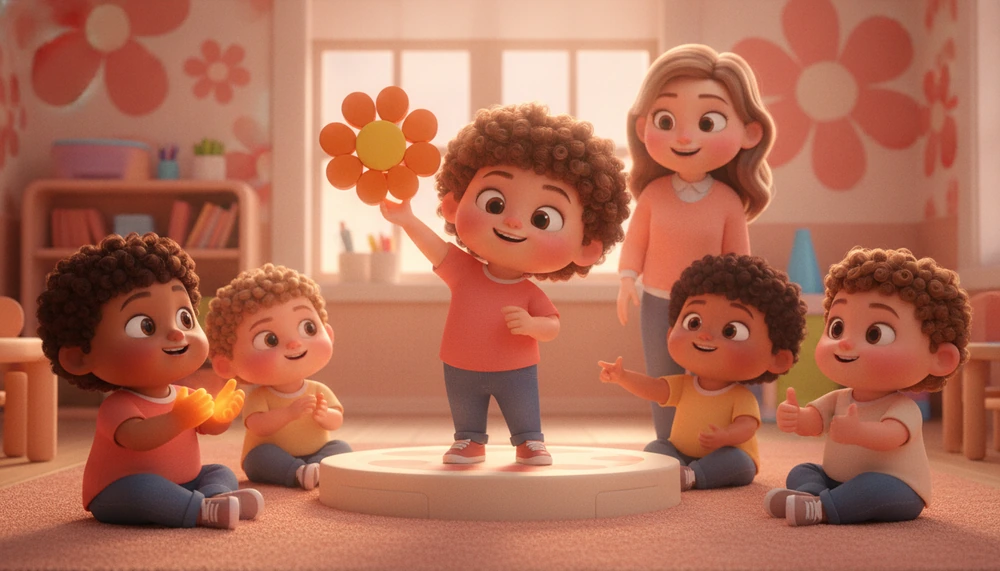
Building Social Connections
Fostering Friendships
Helping your child build friendships is key to their social and emotional development. Social connections provide a sense of belonging and can enhance self-esteem.
- Playdates: Organize casual meet-ups with classmates.
- Social Stories: Use Starting School: Meeting Friends and Following Routines to illustrate social scenarios.
- Group Activities: Encourage participation in group activities or clubs.
Example: Picture this: Alex is hesitant about joining a group at recess. Together, you can role-play different ways to join in, boosting his confidence.
Practical Tip: Encourage your child to share something they enjoy about their friends during dinner time, fostering appreciation and empathy.
Encouraging Empathy and Understanding
Teaching empathy helps children navigate diverse social landscapes. By understanding others' emotions, children learn to build stronger, more supportive relationships.
- Model Empathy: Share stories that highlight different perspectives.
- Discuss Feelings: Encourage discussions about emotions during family time.
- Empathy Games: Engage in games that promote understanding and respect.
Example: Create a "story time" where each family member shares a moment from their day, focusing on how others might have felt in that situation.

Managing First Day Jitters
Coping with Anxiety
First-day anxiety is common. Equip your child with strategies to manage these feelings. Preparing ahead can transform anxiety into excitement.
- Mindfulness Techniques: Practice breathing exercises.
- Comfort Objects: Allow a familiar item to accompany your child.
- Positive Visualization: Encourage your child to visualize a successful, happy school day.
Example: On the first day, remind your child to use a breathing technique: "Breathe in for four, hold for four, breathe out for four." This can be a comforting anchor during overwhelming moments.
In My Practice: I've found that children who practice mindfulness techniques regularly are better able to manage stress and anxiety in challenging situations.
Celebrating Small Wins
Recognizing achievements, no matter how small, builds confidence. Celebrate daily successes to encourage a positive attitude towards school.
- Daily Check-Ins: Celebrate positive moments each day.
- Positive Reinforcement: Use affirmations to encourage your child.
- Achievement Journal: Keep a journal where your child notes down their achievements.
Example: At dinner, discuss one thing that made your child proud that day. Respond with, "That sounds like a great achievement! How did you feel when that happened?"
Practical Tip: Create a "success jar" where your child can add notes about their achievements. Review them weekly to reinforce a sense of accomplishment.
References
1 AAP back-to-school health guidance. Retrieved from HealthyChildren.org
2 Shanker, S. (2016). Self-Reg — applied to disrupted routines.
3 Wrightslaw — special ed at start of year. Retrieved from Wrightslaw
Try It This Month
Reading is the easy part. Skills build through small, repeated practice — here's a low-pressure plan you can try with your child.
- 1Create a Feelings JournalDay 1Help your child track their emotions daily to build self-awareness and communication skills.use this story →👉 What this looks likeSit with your child each evening and reflect on their day. Ask questions like, 'What was the best part of your day?' and 'Was there anything that made you feel sad or angry?' Encourage them to draw or write about these feelings in a journal. This practice helps them recognize and articulate emotions over time.
- 2Establish a Morning RoutineDailyDevelop a consistent morning routine to provide stability and reduce anxiety before school.👉 What this looks likeStart each day with a 'morning checklist' that includes tasks like brushing teeth, packing the backpack, and a five-minute breathing exercise. Use a visual chart to help your child follow along. This predictable routine can ease the morning rush and set a calm tone for the day.
- 3Role-Play School ScenariosWeeklyPractice common school scenarios to boost your child's confidence and social skills.Starting School: Meeting Friends →👉 What this looks likeChoose a scenario, like 'joining a group at recess.' Act it out with your child, demonstrating how to approach peers and start a conversation. Use phrases like, 'Hi, can I play with you?' Reinforce the idea that it's okay to ask questions and join in.
- 4Meet with the TeacherThis monthEngage with your child's teacher to discuss their SEL needs and strategies for support.👉 What this looks likeSet up a meeting with your child's teacher. Prepare by listing your child's strengths and areas for growth. During the meeting, discuss specific strategies that have worked at home and inquire about classroom supports. This collaboration can enhance your child's educational experience.
- 5Celebrate Daily AchievementsDailyRecognize small wins to boost your child's confidence and reinforce positive behavior.👉 What this looks likeAt dinner, ask your child to share one thing they did well today. Respond with enthusiasm, like, 'That's amazing! I'm so proud of you.' This positive reinforcement helps build self-esteem and encourages them to continue striving for success.
- 6Use Mindfulness TechniquesTwice a weekIncorporate breathing exercises to help your child manage anxiety and stay focused.👉 What this looks likePractice a simple breathing exercise with your child, like '4-7-8 breathing.' Guide them: 'Breathe in through your nose for 4 seconds, hold for 7 seconds, and exhale through your mouth for 8 seconds.' This technique can be a useful tool for calming nerves before school.
- 7Organize a PlaydateOnce this monthFacilitate social connections by arranging a playdate with a classmate or neighbor.👉 What this looks likeReach out to another parent to arrange a casual playdate at a park. Encourage your child to pick a game or activity to share. During the playdate, observe how they interact and provide gentle guidance if needed. This experience can help strengthen social bonds and improve communication skills.
Frequently Asked Questions
How can I help my child manage back-to-school anxiety?
What are effective SEL strategies for back-to-school?
How do visual schedules help neurodivergent children?
What should I discuss in an IEP meeting?
How can I encourage my child to make friends at school?
References