Creating an Effective Homework Space for Neurodivergent Children through an SEL Lens
Why the Space IS a Regulation Tool
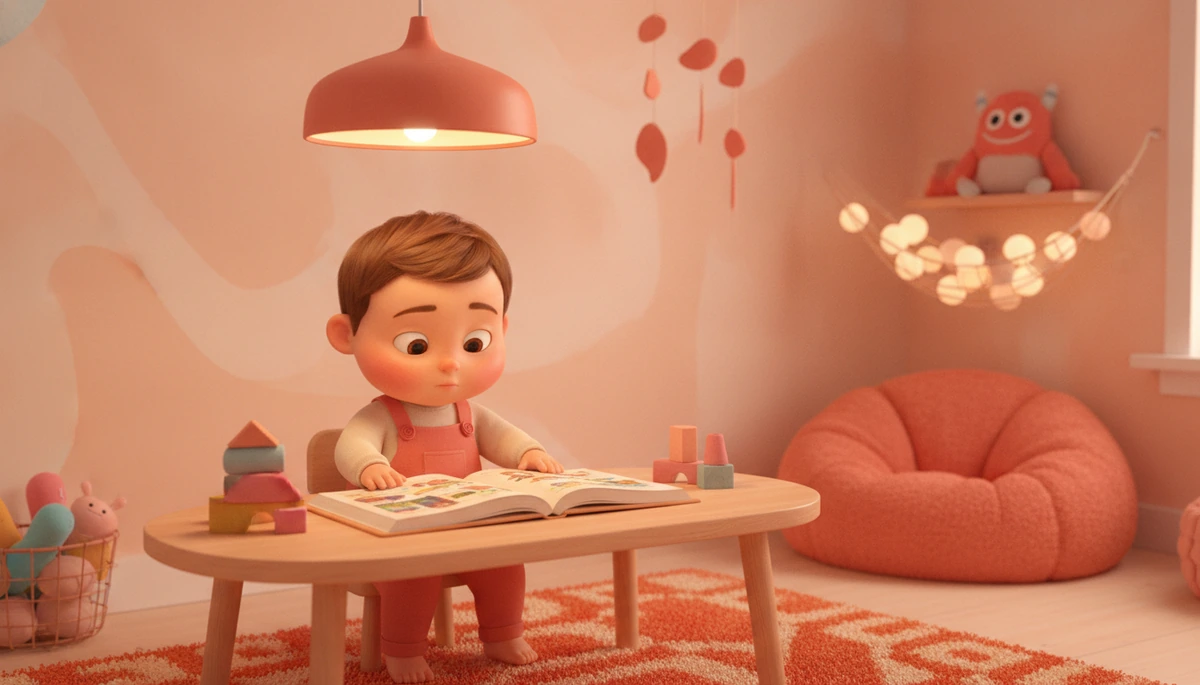
Creating a homework space is more than just setting up a desk and chair; it's about crafting an environment that supports your child's emotional and sensory needs. This article is part of our complete guide to Back-to-School Season for ND Families: A Parent's SEL Playbook. A well-designed homework area can be a powerful regulation tool, helping children manage their emotions and focus better.
Self-regulation is a vital competency within the SEL framework. It involves controlling one's emotions, thoughts, and behaviors in different situations. Imagine a space where the child feels calm and ready to learn, with distractions minimized, and their sensory needs met. This approach not only enhances productivity but also nurtures a sense of security and comfort.
Many parents find that transforming homework time from a struggle to a more peaceful experience can be achieved by focusing on creating the right environment. The right setup can make a significant difference in how a child approaches their work. Additionally, a thoughtfully organized space can foster independence and self-management, key components of social-emotional learning, by encouraging children to take ownership of their learning environment.
Sensory Profile Considerations
Every child is unique, and understanding their sensory profile is crucial in setting up an effective homework space. Children may be sensory seekers, who crave more input, or sensory avoiders, who need less stimulation to stay focused. 1
Creating a space that caters to these sensory needs can dramatically improve a child's ability to concentrate and feel comfortable. For instance, sensory seekers might benefit from textured materials that engage their tactile senses, while sensory avoiders might require a more subdued environment to prevent overstimulation.
Sensory Seekers
For sensory seekers, consider incorporating elements that provide stimulation without overwhelming them. This could include:
- Fidget tools: Keep a basket of fidget toys nearby.
- Textures: Use varied textures in the seating area, like a soft cushion or a textured mat.
- Visual interest: Have colorful, yet not overly distracting, posters or art pieces.
These elements can be subtly integrated into the space to keep it engaging but not distracting. Providing a sensory-rich environment for sensory seekers can help them channel their energy into productive activities rather than becoming restless.
Sensory Avoiders
For sensory avoiders, the focus should be on minimizing excess stimuli:
- Minimal decorations: Keep the walls clear of too many visual distractions.
- Quiet surroundings: Use noise-canceling headphones or a white noise machine.
- Soft lighting: Avoid harsh overhead lights; consider using lamps instead.
Creating a calming environment helps sensory avoiders maintain focus and reduce anxiety. This is crucial, as these children often need a predictable, serene environment to thrive.
Lighting, Sound, and Body Position
Lighting, sound, and body position are fundamental aspects of creating a supportive homework environment.
- Lighting: Opt for natural light if possible, or use soft, warm lighting to create a relaxing atmosphere. Avoid fluorescent lights that can be harsh and overstimulating.
- Sound: Background sounds can be soothing or distracting. Use classical music or nature sounds if they help your child focus, or ensure silence with noise-reducing options.
- Body Position: Ergonomics matter! Ensure the chair and desk are at the right height to prevent strain. A comfortable, supportive chair can make a big difference.
Example: Adjusting Lighting and Sound
Imagine your child, Alex, who struggles with focusing due to sensory sensitivities. By replacing the overhead fluorescent light with a desk lamp and using a white noise machine, Alex feels more at ease and can concentrate better on their homework.
Moreover, adjusting these elements can help children self-manage their learning environment, a key SEL competency. By being aware of what settings help them work best, children learn to advocate for their needs.

Visible Supports
Visible supports like timers and checklists can guide children through their tasks, fostering independence and confidence. 2
- Timers: Use a timer to help your child manage time and build awareness of breaks and focused work periods.
- Checklists: A checklist can serve as a roadmap, helping children know what to expect and what to do next.
Visible supports are effective tools for developing responsible decision-making skills. They empower children to plan their tasks and manage their time efficiently, which are critical skills for academic success and personal growth.
Example: Using a Timer
For Sam, a young learner who often feels overwhelmed by assignments, using a visual timer can break tasks into manageable chunks. This method empowers Sam to focus for short bursts, followed by breaks, enhancing both productivity and emotional well-being.
Snack and Hydration Setup
Nutrition and hydration significantly impact a child’s ability to focus and regulate emotions. A snack and hydration station can be a valuable part of the homework space.
- Healthy snacks: Provide snacks that are nutritious and not too sugary, like nuts, fruits, or yogurt.
- Water: Ensure a water bottle is always within reach to encourage regular hydration.
This setup should not be seen as a bribe but as part of a holistic approach to support the child's overall well-being.
Example: Snack Routine
Jessica finds that having a small bowl of almonds and a water bottle at her homework desk helps her keep her energy steady and her mind sharp during study sessions.
Including a nutrition and hydration setup can also encourage children to be aware of their bodily needs, promoting self-awareness, another core SEL competency.
Where It Should NOT Be
Debate often surrounds whether a homework space should be in a child's bedroom. While bedrooms can be convenient, they may also be filled with distractions and emotional associations that aren't conducive to learning.
Considerations
- Distractions: Bedrooms often have toys and gadgets that can divert attention.
- Emotional associations: The bedroom is typically a place for rest, which might conflict with the focus needed for homework.
Example: Avoiding Bedroom Setup
Imagine a family moving their child's homework area from the bedroom to a corner of the living room. They found that the change helped reduce distractions and improve their child's focus.
This relocation also helped the child separate work from relaxation time, supporting better self-management and responsible decision-making.

Adapting per Kid in Shared Spaces
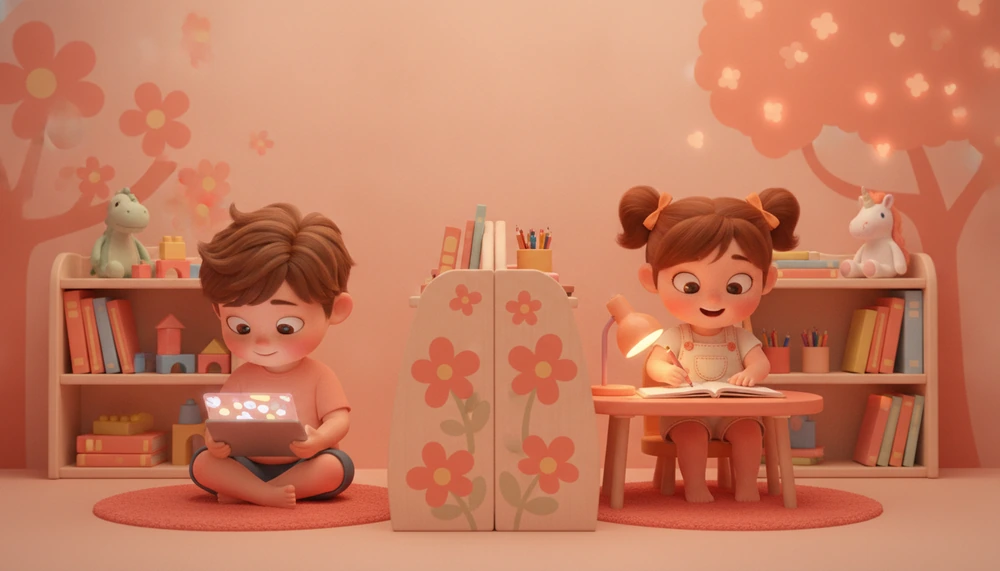
In shared spaces, it's essential to adapt the environment to meet the needs of multiple children.
- Defined zones: Use rugs or furniture arrangements to create distinct areas for each child.
- Personalized elements: Allow each child to personalize their space with their choice of colors or materials.
Example: Shared Space Adaptation
In the case of siblings, Mia and Ethan, their parents used bookshelves to create separate spaces for each child in the shared study room. They allowed each child to choose the color of their desk organizers, which helped them feel ownership and responsibility for their area.
Adapting spaces in this way not only supports individual needs but also fosters relationship skills and cooperation among siblings as they learn to share and respect each other's space.
References
1 Dawson, P. & Guare, R. (2018). Smart but Scattered. Retrieved from https://www.guilford.com/books/Smart-but-Scattered/Peg-Dawson-Richard-Guare/9781593854454
2 Shanker, S. (2016). Self-Reg — applied to disrupted routines. Retrieved from https://self-reg.ca/
Try It This Week
Reading is the easy part. Skills build through small, repeated practice — here's a low-pressure plan you can try with your child.
- 1Create a Sensory-Friendly ZoneDay 1Designate a space tailored to your child's sensory needs, enhancing focus and comfort.👉 What this looks likeIdentify your child's sensory profile. For a sensory seeker, add a textured mat and fidget tools to their desk. For a sensory avoider, use noise-canceling headphones and soft lighting. Observe their preferences and adjust the setup to ensure it's supporting them. This personalized space signals it's time for focused work.
- 2Implement Visible SupportsDay 2Use timers and checklists to guide your child's tasks, fostering independence.👉 What this looks likeIntroduce a checklist for your child's homework tasks. After school, sit together and list the tasks for the day. Use a timer for each segment, allowing breaks. If the task is reading, set the timer for 15 minutes, followed by a 5-minute break. This routine helps manage time and reduces overwhelm.
- 3Adjust Lighting and SoundDaily, 5 minModify lighting and sound to suit your child's preferences and enhance concentration.👉 What this looks likeDuring a study session, replace harsh lighting with a desk lamp. Play soft classical music or white noise. Ask your child how they feel and adjust based on their feedback. Over the week, notice any changes in their focus and comfort. This fine-tuning teaches them to advocate for their needs.
- 4Set Up a Snack and Hydration StationThis weekendInclude healthy snacks and water to support focus and energy levels.👉 What this looks likeDesignate a spot in the study area for snacks and water. Choose items like almonds and fruit, and keep a water bottle accessible. Explain to your child that these snacks help keep their brain fueled. Encourage them to take a snack break between tasks. This practice integrates nutrition into their study routine.
- 5Evaluate and Adjust the SpaceEnd of weekReflect on the setup's effectiveness and make necessary adjustments.👉 What this looks likeAt the week's end, review the space with your child. Ask what worked and what didn’t. If they found the lighting too dim, consider a brighter lamp. If fidget tools were distracting, try different options. This evaluation empowers your child to take charge of their learning environment, fostering self-awareness.
Frequently Asked Questions
How can I create a homework space for a sensory-seeking child?
Why is lighting important in a homework space?
What role do visible supports play in homework spaces?
Should a homework space be in a child's bedroom?
How do I manage a shared homework space for multiple children?
References
