Navigating Early Puberty: Supporting Your Child's Emotional Journey
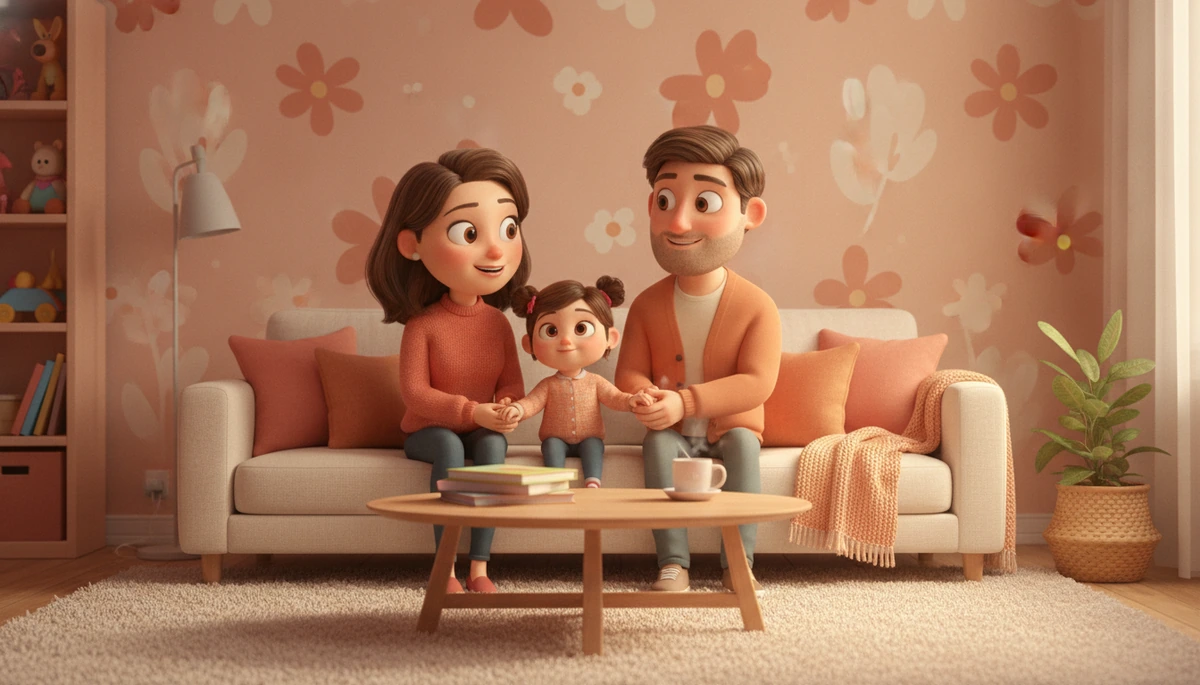
Exploring the journey of early puberty with your child can be a delicate experience filled with questions and concerns. This article is part of our complete guide to Late Elementary SEL (Ages 8-11): The Tween Runway.
Puberty Timing Has Shifted
Recent studies indicate that the age of puberty onset has shifted earlier, particularly for girls. According to the American Academy of Pediatrics, girls may now begin showing signs of puberty as early as age 8 2. This shift can be attributed to various factors, including nutrition and environmental influences. Understanding these factors can help parents and educators provide the right support.
Understanding the Emotional Landscape
Early puberty can be a confusing time for children and parents alike. The emotional impact of experiencing these changes earlier can be significant, affecting a child's self-awareness and social interactions. SEL skills like self-management and social awareness become critical as children navigate new emotions and social dynamics.
Example Scenario: Imagine a girl named Emily, who notices her body changing before her friends. She feels isolated and embarrassed, unsure of how to express these new emotions. Her parents notice she's become more withdrawn during family gatherings. Encouraging Emily to talk about her feelings and utilizing social stories from SocialBlossom's app can provide her with relatable scenarios and coping strategies.
Emotional Impact of Being 'First' (or 'Last')
Children who mature earlier or later than their peers may feel out of sync, leading to emotional distress. Being the first to experience puberty can make a child feel self-conscious or anxious, while being among the last might cause feelings of inadequacy. These experiences can impact their self-esteem and peer relationships.
In My Practice: I've encountered many parents who worry about their child being the first or last to go through puberty. Reassuring them that every child develops at their own pace helps alleviate some of these concerns. Open discussions and encouraging children to express their feelings can foster a supportive environment.
Supporting Children Through Transitions
Open conversations about what to expect can help normalize these feelings. Encourage your child to express their emotions freely, and remind them that everyone experiences these changes differently. Use SEL strategies like active listening and empathy to validate their experiences.
Body Image Starts NOW, Not in Teens
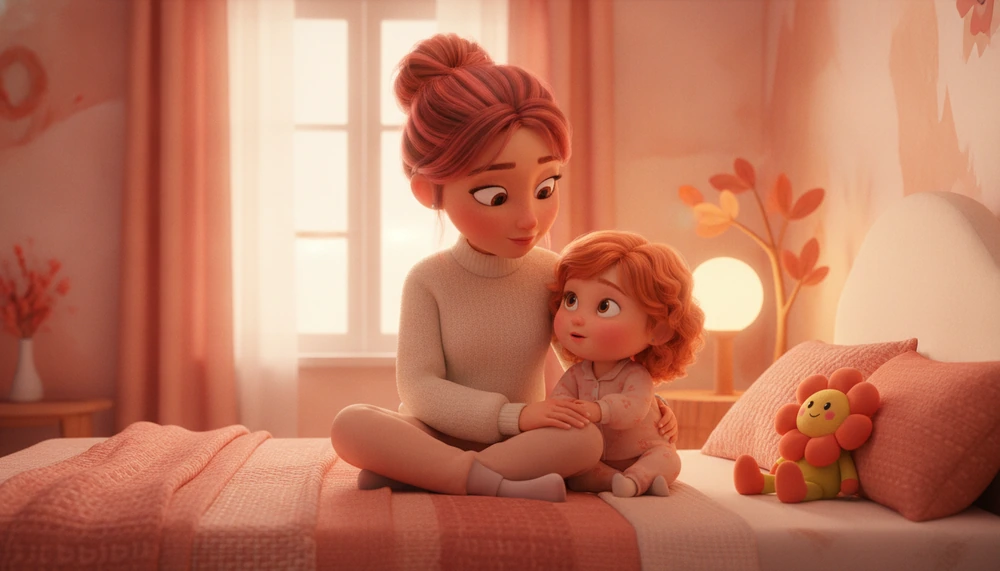
Body image issues can start as early as elementary school. Children begin to form opinions about their bodies, often influenced by peers and media. Helping your child develop a positive body image is crucial at this stage. Reinforce the idea that diversity in body types is normal and beautiful.
Scripted Dialogue:
- Parent: "I notice you've been looking in the mirror a lot lately. How do you feel about the changes you're seeing?"
- Child: "I feel weird. I don't like how different I look from my friends."
- Parent: "It's okay to feel that way. Everyone's body changes at different times. What's important is how you feel inside."
Encouraging Positive Self-Perception
A positive self-perception can be nurtured through SEL by focusing on strengths and individuality. Encourage your child to engage in activities that build confidence, such as sports or arts.
Conversations to Have at 8-9 (Yes, That Early)
It's never too early to start discussions about body changes and emotions. By starting these conversations early, you provide your child with the vocabulary to express their feelings and foster self-awareness. These conversations can empower them to navigate social situations with confidence.
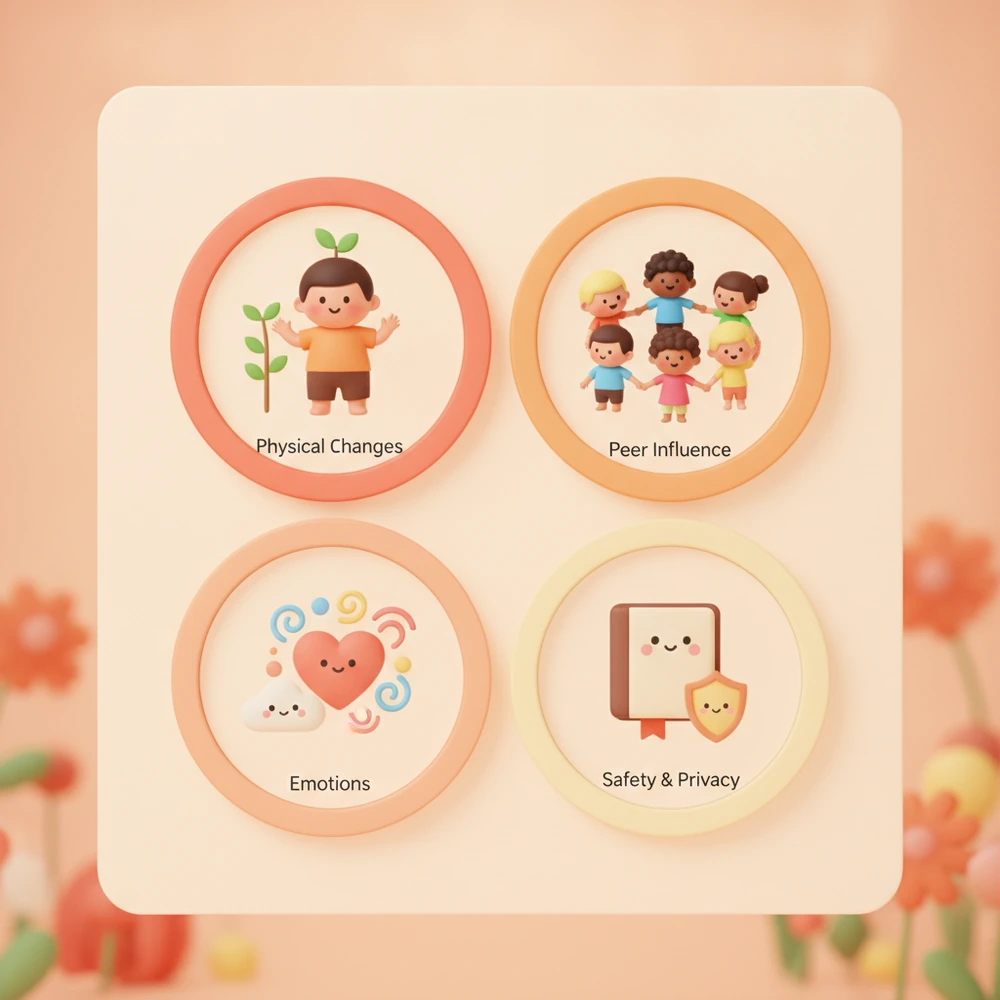
Key Topics to Discuss
- Physical Changes: Explain what changes to expect, like growth spurts or developing body hair.
- Emotions: Discuss how these changes might affect their mood and feelings.
- Peer Influence: Talk about how to handle comments from friends or classmates.
- Safety and Privacy: Discuss the importance of personal boundaries and respecting others' boundaries.
In My Practice: I've seen the power of early conversations in reducing anxiety. A family I worked with started discussing puberty with their son at age 8. They used social stories to role-play different scenarios, which helped him feel prepared and less anxious.
When Mood Swings Are Puberty vs Anxiety
Understanding the difference between puberty-related mood swings and anxiety can be challenging. While both can cause emotional fluctuations, recognizing patterns can help differentiate them. Responsible decision-making involves observing these patterns and seeking guidance when needed.
Example Scenario: Imagine your child becomes suddenly moody and withdrawn. Track if these changes occur around social or academic pressures, which might indicate anxiety rather than just puberty. Encourage open dialogue and consult a pediatrician if necessary.
Supporting Kids Through 'I Look Weird' Phase
Many children experience a phase where they feel their changing bodies look "weird" or "different." It's essential to support them through this period by emphasizing self-acceptance and resilience. Encourage them to share their feelings without fear of judgment.
Strategies for Support
- Reassurance: Continuously reassure your child that these feelings are normal and temporary.
- Positive Reinforcement: Highlight their strengths and qualities beyond physical appearance.
- Open Dialogue: Maintain open lines of communication, encouraging them to share their concerns.
- Role Models: Introduce them to diverse role models who celebrate body positivity.
In My Practice: I recall a girl who felt awkward about her height as she grew taller than her peers. Her parents and I worked on boosting her self-esteem by focusing on her interests in basketball, turning her height into a strength.
Books to Read Together
Reading together can be an excellent way to facilitate discussions about puberty and emotions. Choose age-appropriate books that address these topics sensitively and informatively.
Recommended Books
- "The Care and Keeping of You" by Valorie Schaefer: A guide for young girls about body changes.
- "What's Happening to Me?" by Peter Mayle: A book that explains puberty in a child-friendly manner.
- "Celebrate Your Body" by Sonya Renee Taylor: Encourages body positivity and self-love.
By reading together, parents can create a safe space for children to ask questions and express their feelings. Consider using interactive stories in the SocialBlossom app to engage your child further.
References
1 Mendle, J. et al. (2007). Detrimental psychological outcomes associated with early pubertal timing. Developmental Review
2 AAP Bright Futures: Guidelines for Health Supervision (4th ed.)
Try It This Week
Reading is the easy part. Skills build through small, repeated practice — here's a low-pressure plan you can try with your child.
- 1Start a Daily Check-InDaily, 5 minCreate a routine of checking in with your child about their feelings. This builds self-awareness and emotional vocabulary.👉 What this looks likeEvery evening, sit with your child for a few minutes to talk about their day. Ask, 'How was your day?' and 'Did anything make you feel happy or upset?' This helps them articulate emotions and opens the door for deeper conversations about puberty.
- 2Introduce Body PositivityDay 2-3Discuss body positivity by highlighting diverse body types and what makes each unique.👉 What this looks likeDuring a family meal, talk about a famous athlete or artist who embraces their unique body. Say, 'Did you know that Serena Williams is celebrated for her strength?' Encourage your child to share what they admire about themselves.
- 3Use Social StoriesThis weekendUtilize social stories to explore different puberty scenarios in a relatable way.use this story →👉 What this looks likeChoose a social story about body changes from the [SocialBlossom app](/products). Read it together and discuss what your child might do in a similar situation. Ask, 'How would you feel if you noticed changes before your friends?'
- 4Model Emotional RegulationDaily, 5 minDemonstrate emotional regulation during daily challenges to teach by example.👉 What this looks likeWhen you're frustrated (e.g., stuck in traffic), narrate your emotions: 'I'm feeling tense because we're late. I'll take a few deep breaths.' Then breathe deeply. This models self-regulation for your child, showing them how to manage feelings during puberty.
- 5Create a Safe Question BoxOnce this weekSet up a box where your child can anonymously leave questions about puberty.👉 What this looks likePlace a decorated box in your child's room. Tell them they can write any questions about puberty and place them inside. Later, review the questions together and discuss them openly, reinforcing the idea that no question is off-limits.
Frequently Asked Questions
What is the average age for the onset of puberty?
How can parents support children through early puberty?
How do I differentiate between mood swings and anxiety in my child?
When should we start talking about puberty with our child?
What books can help children understand puberty?
References