Social Emotional Learning for 8-11 Year Olds: A Comprehensive Guide
In This Guide
Explore the journey of social-emotional learning (SEL) for children aged 8-11. This guide covers typical development, potential red flags, and activities to support your child's growth. Dive into the nuances of SEL in late elementary years with these related topics:
- Tween Anxiety: A New Phase Starts at Age 8-10 - Understand the onset of anxiety during these transformative years.
- Why Self-Esteem Dips Around Age 8-10 (and What Helps) - Learn about the self-esteem challenges kids face and how to support them.
- Friend Group Dynamics: Cliques, Rejection, and Recovery (Ages 8-11) - Navigate the complex world of friendships and social circles.
- Body Changes + Emotions: Early Puberty SEL (Ages 8-11) - Explore emotional changes linked to early puberty.
Understanding Social Emotional Skills in Late Elementary
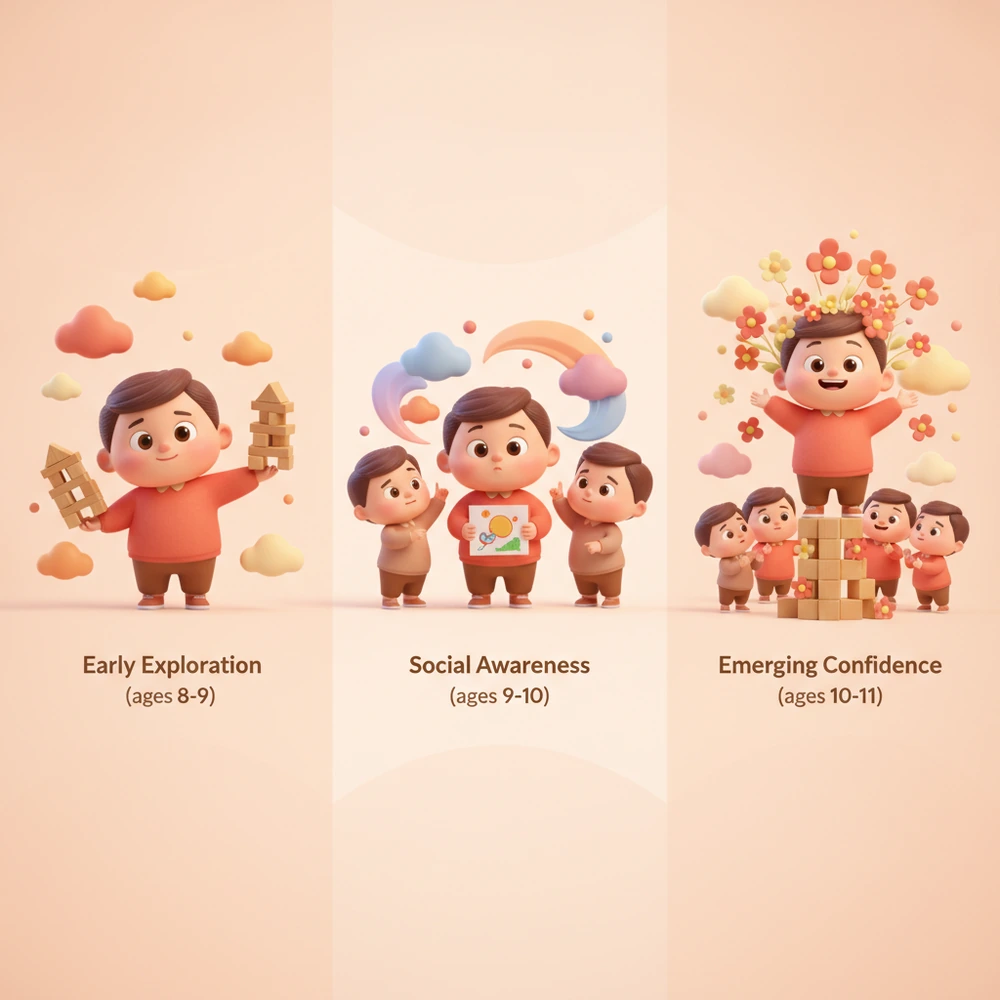
During the late elementary years, children aged 8-11 undergo significant emotional and social development. This period often marks the beginning of what psychologists refer to as the "tween runway," a phase that bridges early childhood with the more turbulent adolescent years. Understanding the typical social emotional skills of a 9-year-old can help parents support their child through these changes.
Typical SEL Milestones
At this age, children begin to develop more complex emotional and social skills. They start to understand their own emotions better and can articulate their feelings more clearly. Friendships become more important, and children begin to value peer approval and belonging more heavily than before.
- Enhanced empathy: Children can better understand the feelings of others and respond appropriately.
- Improved self-regulation: They can manage emotions like frustration or disappointment with less adult intervention.
- Complex problem-solving: Kids start to solve social problems on their own, such as negotiating play rules or resolving minor conflicts.
Research by Selman (1980) on friendship stages indicates that children in this age bracket move from simple, play-based friendships to more complex, loyalty-based relationships 1. This shift is crucial as it forms the foundation for deeper social connections in later years.
In my practice, I've seen many children thrive when given opportunities to engage in group activities that require teamwork and negotiation. This not only helps in developing empathy but also enhances their ability to view situations from multiple perspectives.
Red Flags to Watch
While many children navigate this stage with minimal issues, some may struggle. It's important to recognize potential red flags that might indicate a need for additional support. These include:
- Persistent difficulty in making friends
- Inability to manage emotions leading to frequent outbursts
- Extreme anxiety about social situations
If you notice these behaviors persistently, it's a good idea to talk to your pediatrician or consult a child psychologist. These professionals can help assess whether your child might benefit from additional support or resources.
Example Scenario: Imagine a child named Alex who frequently feels left out during recess. He struggles to join games and often ends up playing alone. His parents notice that Alex becomes upset and withdrawn when it's time to go to school. They decide to consult a school counselor, who suggests strategies to help Alex initiate play and join group activities. Over time, Alex learns to express his interest in joining games, and his social skills improve.
Activities to Support SEL
Helping your child develop social emotional skills involves creating opportunities for them to practice empathy, self-regulation, and communication. Here are some age-appropriate activities:
Role-Playing Scenarios
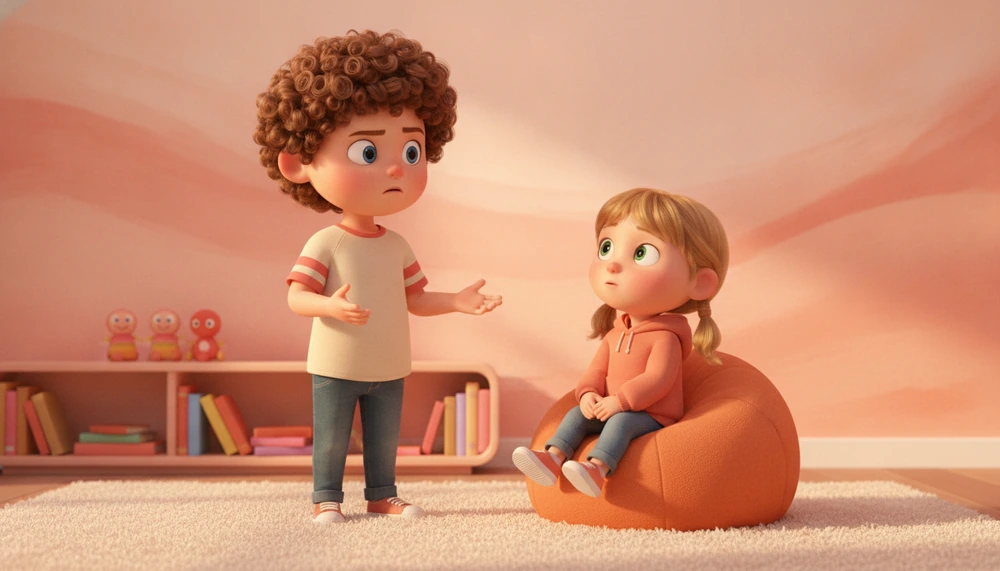
Role-playing can be an effective way for children to practice social situations and develop empathy. It allows them to explore different perspectives and responses in a safe environment.
Example Scenario: Imagine your child has a friend over, and they disagree over which game to play. Encourage them to role-play how to express their feelings and negotiate a solution. This practice can prepare them for real-life situations where compromise is necessary.
Activity Steps:
- Set up a simple scenario with your child.
- Ask them to play the role of themselves first.
- Switch roles so they can see the situation from their friend's perspective.
- Discuss how each person might feel and what words can help resolve the conflict.
Using Social Stories
Social stories can help children understand complex emotions and social scenarios by providing a narrative framework.
- Understanding Our Feelings with Katie - Printable Social Story is a great resource to explore emotions and empathy.
Social stories are not only helpful for understanding emotions but also serve as a comforting tool to return to when children face difficult social situations.
In my practice, I've noticed that children who regularly engage with social stories tend to have a better grasp of emotional vocabulary. They can express feelings more clearly and understand others' perspectives, which is vital for building empathy.
The Self-Esteem Dip
Research shows a decline in self-esteem during late elementary years due to increasing self-awareness and social comparison 3. This "dip" can be challenging for children and parents alike.
Understanding the Dip
Children begin to compare themselves more with peers, which can lead to feelings of inadequacy. They might become more self-conscious about their abilities, appearance, or social status. It's often a time when children start to question their self-worth and can become overly critical of themselves.
In my practice, I've observed that children who receive consistent positive reinforcement at home tend to navigate this dip more smoothly. Encouraging your child's unique strengths and celebrating small victories can bolster their confidence during this period.
Strategies to Boost Self-Esteem
- Positive Self-Talk: Teach your child to replace negative thoughts with positive affirmations.
- Encourage New Experiences: Help them try new activities where they can succeed and build confidence.
- Model Healthy Self-Esteem: Demonstrate self-acceptance and resilience in your own behavior.
For more detailed strategies on boosting self-esteem, check out our article Why Self-Esteem Dips Around Age 8-10 (and What Helps).
Real-Life Example: Consider a child named Lily, who struggles with self-esteem after not being chosen for the school choir. Her parents encourage her to try a different activity, like art class, where she can use her creativity and feel accomplished. Over time, Lily discovers her artistic talent, which boosts her confidence and helps her see herself in a more positive light.
Navigating Friendship Challenges
Friendship dynamics become more complex during late elementary years. Children need guidance to navigate conflicts and build lasting friendships.
Common Friendship Issues
- Exclusion and Cliques: Children may face feelings of exclusion as they try to fit into peer groups.
- Peer Pressure: The desire to be accepted can lead to challenging situations where children feel pressured to behave against their values.
Real-Life Example: Jenny, a 9-year-old, experiences exclusion from a playgroup at school. Her mother helps her by role-playing possible responses and encouraging her to invite classmates over for small group activities. This approach helps Jenny build confidence and expand her social circle.
An effective tool for managing these dynamics is the use of social stories which provide scripts for children to handle peer pressure and exclusion. Encouraging open communication at home can also empower children to discuss their feelings and seek guidance when needed.
Explore more about friendship dynamics in our article Friend Group Dynamics: Cliques, Rejection, and Recovery (Ages 8-11).
Managing Tween Anxiety
As children approach puberty, anxiety can increase due to changing bodies and social expectations. Understanding and addressing tween anxiety is crucial for helping them thrive.
Signs of Anxiety
- Increased worry about school performance or social acceptance
- Physical symptoms like stomachaches or headaches without a clear medical cause
- Avoidance of social activities
Supporting Your Child
- Open Communication: Create a safe space for your child to express their fears and worries.
- Mindfulness Practices: Introduce simple mindfulness exercises like deep breathing to help them manage anxious feelings.
Example Approach: Imagine a scenario where your child, Sam, often complains of a stomachache on Monday mornings. You suspect it might be related to anxiety about the upcoming school week. To address this, you practice deep breathing exercises with Sam each Sunday evening. You say, "Let's take a few deep breaths together to calm our minds for the week ahead." Over time, this ritual helps Sam feel more prepared and less anxious about returning to school.
For more insights, read Tween Anxiety: A New Phase Starts at Age 8-10.

Encouraging Responsible Decision-Making
At this stage, children start to make more independent decisions. Guiding them in responsible decision-making can set the stage for future success.
Teaching Decision-Making Skills
- Discuss Options and Consequences: Encourage your child to consider different choices and their potential outcomes.
- Provide Opportunities for Choice: Allow your child to make decisions in safe environments, like choosing their clothes or planning a family outing.
Example Approach: During a family outing planning session, let your child choose between two activities. Discuss why they made their choice and what they expect to enjoy about it. This practice helps them weigh options and understand the impact of their decisions.
In my practice, I've seen that when children are involved in decision-making processes, they develop a stronger sense of responsibility and accountability. For instance, a family allowed their child to decide on the weekend menu. The child chose a meal and helped in its preparation, which not only taught them about healthy food choices but also about the effort involved in cooking. This type of involvement strengthens their decision-making skills.
References
1 Selman, R. (1980). The Growth of Interpersonal Understanding. 2 Erikson, E. (1950). Childhood and Society. 3 Robins, R. & Trzesniewski, K. (2005). Self-esteem development across the lifespan. Current Directions in Psychological Science.
By embracing these strategies and insights, parents can provide crucial support to their children during the late elementary years. Understanding and addressing the social emotional needs of 9 and 10-year-olds can foster a strong foundation for their continued growth and well-being.
Try It This Week
Reading is the easy part. Skills build through small, repeated practice — here's a low-pressure plan you can try with your child.
- 1Engage in Daily Role-PlayingDaily, 10 minPractice role-playing with your child daily to enhance empathy and communication skills. Helps in understanding different perspectives.use this story →👉 What this looks likeEach evening, after dinner, pick a scenario your child faced during the day. Role-play the situation together. Start with a simple conflict, like a disagreement over a toy. Ask your child to play both roles. Discuss what each person might feel and how they can express themselves. This helps your child practice empathy and communication in a safe space.
- 2Create a Social StoryThis weekendDevelop a personalized social story with your child to address specific social challenges they face. Encourages creative problem-solving.👉 What this looks likeDuring the weekend, sit with your child to create a social story about a challenge they recently encountered, such as feeling left out at school. Use simple drawings or cutouts to illustrate the story. Include a beginning, middle, and end, focusing on how they can handle the situation positively. This activity fosters problem-solving skills and boosts their confidence.
- 3Practice Mindfulness TogetherDaily, 5 minIntroduce short mindfulness exercises to help your child manage stress and anxiety. Promotes emotional regulation and calmness.👉 What this looks likeChoose a quiet moment each day, like just before bedtime, to practice mindfulness with your child. Guide them through a simple breathing exercise: "Breathe in slowly for four counts, hold for four, and breathe out for four." Repeat this exercise three times. This daily practice helps them center their thoughts and reduce anxiety.
- 4Encourage Positive Self-TalkDay 3-4Help your child develop positive self-talk to replace negative thoughts. Enhances self-esteem and resilience.explore more strategies →👉 What this looks likeListen to how your child talks about their day. If they express doubt, like "I can't do this math problem," guide them to rephrase it: "I might need help, but I can try." Encourage this mindset shift by sharing your own positive self-talk moments. Discuss how changing words can change feelings, promoting a healthier self-image.
- 5Discuss Decisions and OutcomesDay 5Engage your child in discussions about the outcomes of their decisions. Builds responsible decision-making skills.read more on decision-making →👉 What this looks likeAfter choosing what to wear for a family outing, ask your child why they chose that outfit. Discuss what they like about it and how it makes them feel. Then, talk about any consequences, like being too warm or cold. This discussion helps them think critically about their choices and understand the impact of their decisions.
Frequently Asked Questions
What are common SEL milestones for ages 8-11?
How can I support my child's SEL development at home?
What are signs of social emotional challenges in late elementary kids?
How does SEL impact academic performance?
How can social stories help my child?
References