Empowering Autistic Children Through Self-Advocacy: A Comprehensive Guide
In This Guide
Explore our related resources to support your child's self-advocacy journey:
- Teaching 'I Need a Break': The First Self-Advocacy Skill
- Identity-First Language and Self-Acceptance: Talking to Your Autistic Kid
- When and How to Disclose Autism to Peers
- Self-Advocacy at School: Helping Your Autistic Kid Speak Up to Teachers
Understanding Self-Advocacy in Autism
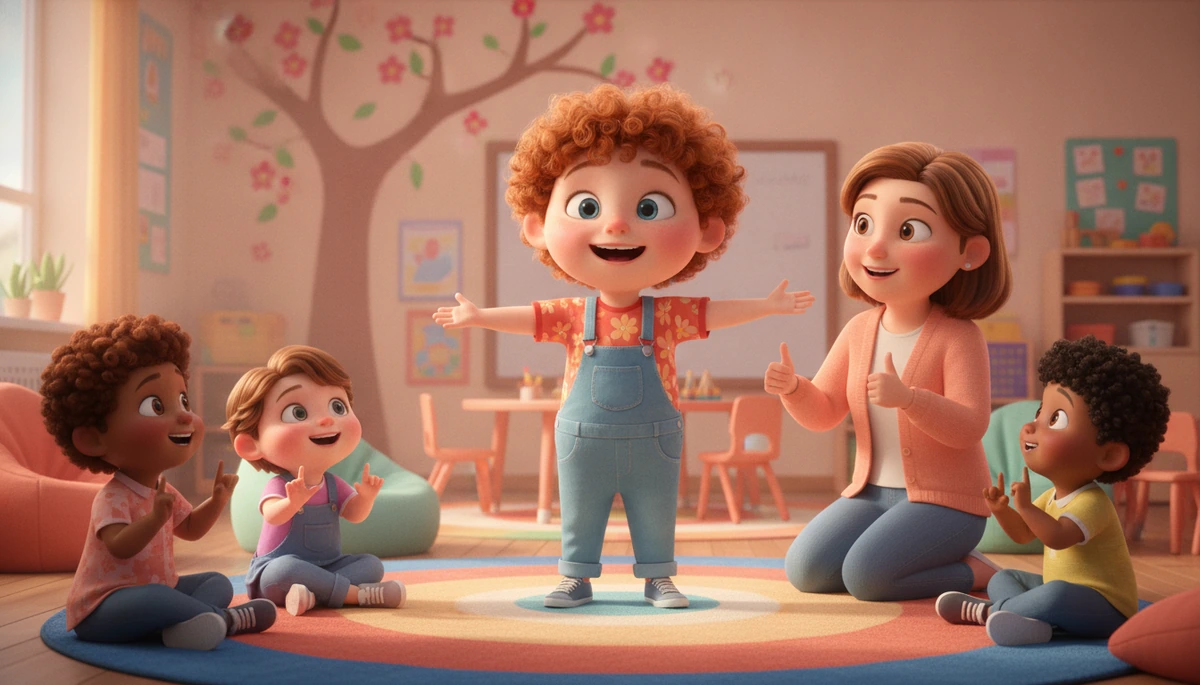
Self-advocacy is about empowering autistic children to express their needs and preferences. This is a journey that respects their unique ways of communicating and understanding the world. Unlike traditional approaches that focus on advocacy by others, self-advocacy encourages autistic individuals to speak up for themselves.
Autistic self-advocacy involves teaching children to communicate their needs, understand their rights, and make informed decisions. This is not about "fixing" them but supporting their ability to express their identity and preferences.
Why Self-Advocacy Matters
Research from ASAN highlights that self-advocacy can significantly enhance an autistic individual's quality of life 1. It fosters independence and is crucial for developing self-confidence, which is essential for all children, especially those who are neurodivergent.
In my practice, I've seen many parents initially focus on advocating for their children. While this is important, a shift towards helping children advocate for themselves leads to more sustainable long-term outcomes. Autistic children, when given the tools and opportunities, can become their own best advocates.
Imagine a child named Jake, who learned to express his need for quiet time during classroom activities. Initially, Jake's teachers would intervene, but as he developed self-advocacy skills, he began to independently ask for a "quiet corner" break. This small step boosted his confidence and reduced his anxiety, illustrating the power of self-advocacy.
Building the Foundation: Early Skills
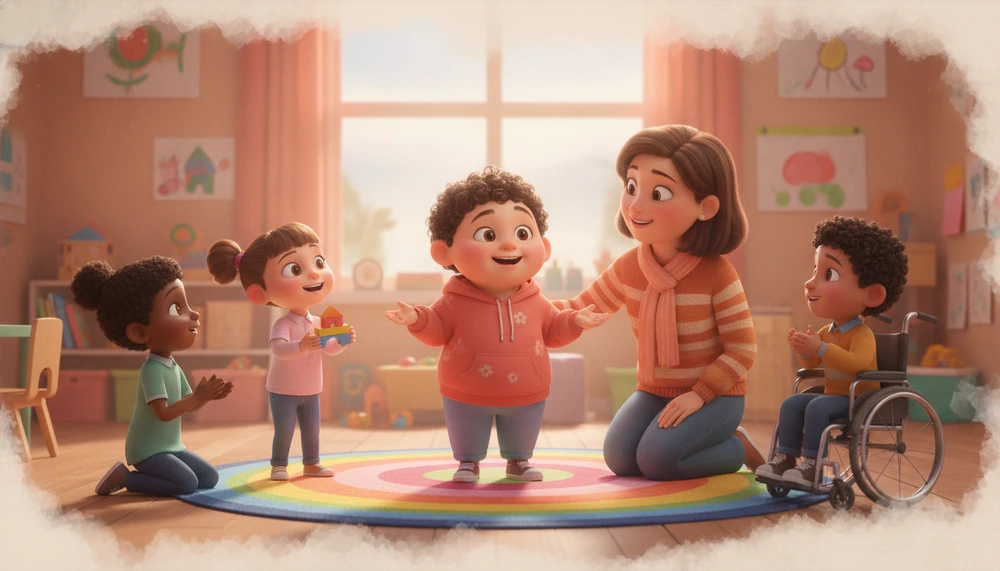
Starting young sets the stage for effective self-advocacy as children grow. Early skills are foundational for developing more complex advocacy abilities later in life.
Teaching "I Need a Break"
One of the first steps in self-advocacy is helping children communicate when they need a break. This skill is essential for managing overwhelm and sensory overload. By teaching this early, children learn to recognize their limits and express their needs respectfully.
- Model the Language: Use simple phrases like "I need a break" and encourage your child to use them in moments of distress.
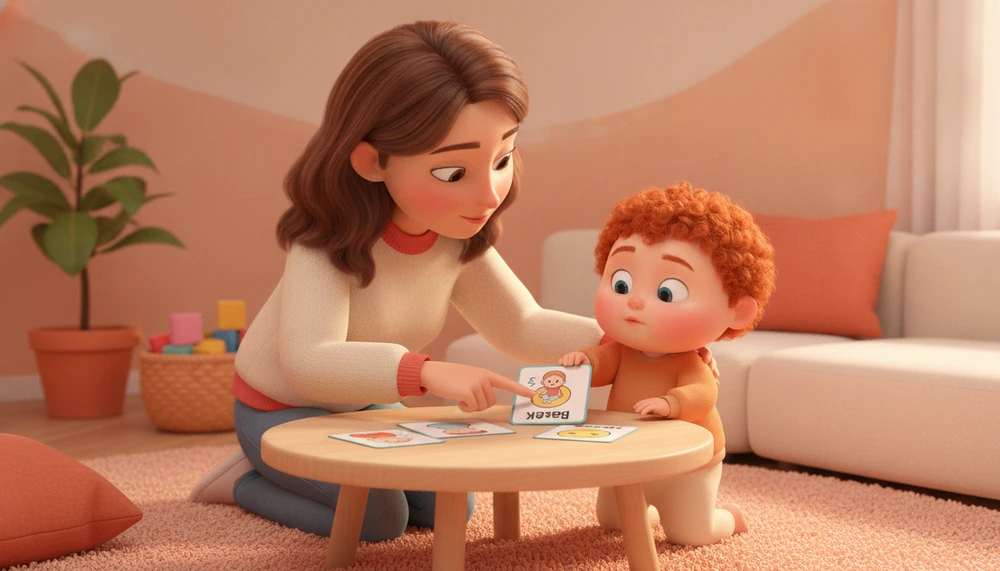
- Visual Supports: Tools like picture cards can help non-verbal children express the need for a break.
A practical example is during family gatherings, which can be overwhelming. You might say, "I see you're feeling overwhelmed; let's find a quiet spot together." Over time, your child will learn to identify and communicate these needs independently.
For more on teaching this foundational skill, check out our article on Teaching 'I Need a Break'.
Using Social Stories
Social stories are a powerful tool for teaching self-advocacy. Created by Carol Gray, these stories help children understand social situations and the appropriate responses.
- Create Personal Stories: Tailor stories to your child's experiences, like "Adam Learns to Pause and Play" to teach taking turns and asking for breaks.
- Consistent Practice: Regularly read these stories with your child to reinforce learning.
Consider a story about a trip to the dentist. The story could highlight the steps involved, the sensory experiences, and how to ask for a break if needed. This preparation helps reduce anxiety and empowers the child to advocate for their comfort during real visits.
Explore various social stories that can support your child's learning journey.

Developing Identity and Self-Acceptance
Identity-first language can empower autistic children by affirming their identity. Emphasizing "autistic person" rather than "person with autism" acknowledges their neurodiversity.
Language Matters
Using identity-first language fosters self-acceptance and can positively influence how children perceive themselves. Accepting their identity can significantly enhance their self-esteem and willingness to self-advocate.
- Discuss Identity: Talk openly about autism with your child, helping them understand that it's an integral part of who they are.
- Supportive Environments: Create spaces where your child feels accepted and understood.
An example from my practice involves a family who started using identity-first language. Their child, Sam, initially struggled with self-esteem issues. Over time, as the family embraced Sam's identity, his confidence grew, and he began to take pride in being autistic.
For more, see Identity-First Language and Self-Acceptance.
Embracing Neurodiversity
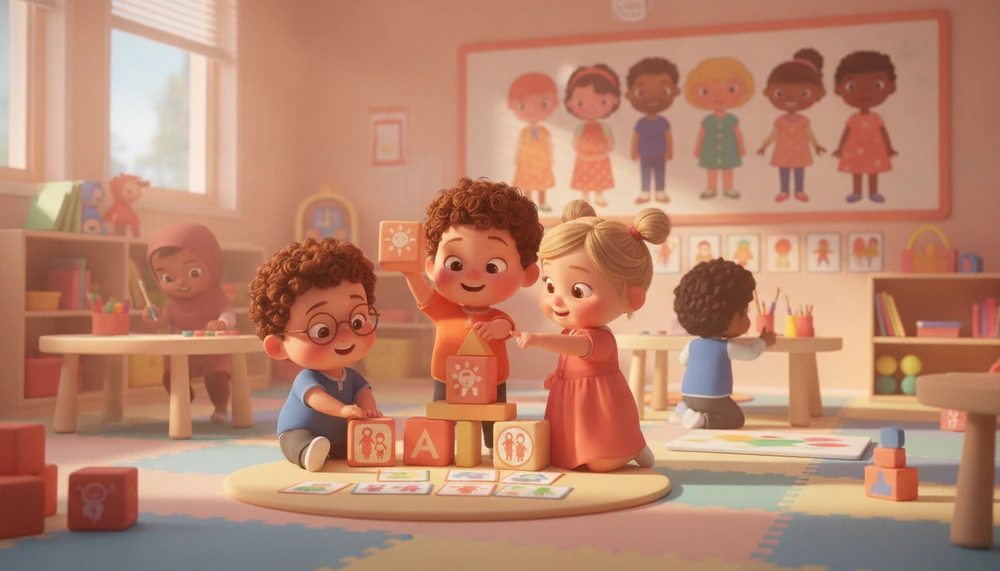
Neurodiversity celebrates different ways of thinking and processing the world. Encouraging children to embrace their unique traits can lead to greater self-confidence and advocacy.
- Highlight Strengths: Focus on your child's strengths, such as their attention to detail or unique perspective.
- Community Engagement: Connect with autistic-led organizations like ASAN to find supportive communities.
Imagine a child named Lily, who has a knack for solving puzzles. Her parents encouraged her to join a local puzzle club, where she met peers who appreciated her skills. This boosted her self-confidence and reinforced her advocacy skills, as she learned to communicate her needs and preferences within the group.
Practical Strategies for Everyday Advocacy
Incorporating self-advocacy into daily routines helps children practice and refine their skills. By integrating these strategies into everyday life, children become more comfortable and proficient in advocating for themselves.
Scripted Scenarios
Developing scripts for common scenarios can help children prepare for situations where they need to advocate for themselves.
- Role-Playing: Practice scenarios like ordering food or asking for help through role-playing.
- Visual Schedules: Use visual schedules to help children anticipate and prepare for daily activities.
Consider a scenario where your child needs to order food at a restaurant. Practice at home by role-playing with them. "Can I have a cheeseburger, please?" is a simple script that can build their confidence in public settings.

Disclosure and Communication
Teaching children how to disclose their autism in a way that feels comfortable to them is an important aspect of self-advocacy.
- Age-Appropriate Disclosure: Tailor the conversation to your child's age and understanding.
- Comfort with Disclosure: Ensure your child knows they have a choice in what they share and with whom.
A real-life example involves a teenager named Alex, who wanted to tell his classmates about his autism. With guidance, Alex prepared a short presentation that explained autism and how it affects him. This empowered him to control the narrative and fostered a supportive environment among his peers.
Learn more about disclosure in When and How to Disclose Autism to Peers.

Supporting Self-Advocacy in School
School is a key environment for practicing self-advocacy. Encourage children to voice their needs to teachers and peers. Schools provide a structured environment where self-advocacy can be safely practiced and encouraged.
Building Relationships
Strong relationships with teachers and peers can support a child's self-advocacy efforts. These relationships provide a network of support that encourages children to express their needs confidently.
- Teacher Collaboration: Work with teachers to create supportive classroom environments.
- Peer Support: Encourage friendships that respect and understand your child's needs.
For instance, a child named Emily found it difficult to ask for help in class. By building a trusting relationship with her teacher, she felt more comfortable expressing her needs, which led to improvements in her academic performance and confidence.
For strategies in school settings, see Self-Advocacy at School: Helping Your Autistic Kid Speak Up to Teachers.
Overcoming Challenges
Building self-advocacy skills isn't without its challenges. Patience and persistence are key. Recognizing and addressing these challenges is crucial for fostering effective self-advocacy.
Addressing Masking
Autistic masking, where children hide their true selves to fit in, can hinder self-advocacy. Awareness and support can help reduce the need for masking.
- Encourage Authenticity: Reinforce that your child can be themselves.
- Provide Safe Spaces: Ensure there are environments where your child feels comfortable expressing themselves.
Research shows that masking can lead to increased stress and anxiety 3. In my practice, I've observed that when children are provided with safe spaces to express themselves authentically, they flourish and become more effective self-advocates. An example is a school club dedicated to neurodiversity, where children can share experiences without judgment.
References
1 ASAN — Autistic Self Advocacy Network resources. (n.d.). Retrieved from https://autisticadvocacy.org/ 2 Howlin, P. & Magiati, I. (2017). Autism spectrum disorder: outcomes in adulthood. Curr Opin Psychiatry. Retrieved from https://doi.org/10.1097/YCO.0000000000000308 3 Pearson, A. & Rose, K. (2021). A conceptual analysis of autistic masking. Autism in Adulthood, 3, 52. Retrieved from https://doi.org/10.1089/aut.2020.0078
Try It This Month
Reading is the easy part. Skills build through small, repeated practice — here's a low-pressure plan you can try with your child.
- 1Introduce 'I Need a Break' at HomeDay 1-3Help your child practice saying 'I need a break' during daily activities. Supports self-regulation and advocacy.Teaching 'I Need a Break' →👉 What this looks likeDuring a hectic morning routine, notice when your child seems overwhelmed. Gently prompt, 'You can say, I need a break.' Offer a quiet space and join them in a calming activity like deep breathing together.
- 2Create a Social Story TogetherThis weekendDevelop a personal social story with your child about a common situation they face. Reinforces advocacy skills.Explore social stories →👉 What this looks likeSit with your child and co-create a story about a visit to the park. Include parts where they ask for space or express excitement. Read it together before the next park visit, reinforcing understanding and self-expression.
- 3Practice Role-Playing ScenariosTwice a weekEngage in role-playing exercises for common social interactions. Builds confidence in real-world situations.Self-Advocacy at School →👉 What this looks likeSet up a mock restaurant at home. Role-play ordering food, using scripts like 'I'd like a pizza, please.' Swap roles, letting your child be the server, enhancing empathy and perspective-taking.
- 4Discuss Identity-First LanguageOnce this weekTalk about identity-first language with your child. Promotes self-acceptance and confidence.Identity-First Language and Self-Acceptance →👉 What this looks likeAt bedtime, discuss how some people say 'autistic person' and why it can be empowering. Ask your child how they feel about it. Share stories of well-known autistic individuals who embrace their identity.
- 5Join a Supportive CommunityThis monthFind and connect with a neurodiversity-friendly community group or online forum. Encourages peer support and advocacy.Visit ASAN →👉 What this looks likeResearch local autistic-led groups or online forums with your child. Attend a virtual meeting or event together. Discuss your child's feelings about the experience, encouraging them to express what they liked or found challenging.
Frequently Asked Questions
What is self-advocacy for autistic children?
Why is identity-first language important?
How can parents teach self-advocacy skills?
What are common challenges in developing self-advocacy?
How can schools support self-advocacy?
References
- ASAN — Autistic Self Advocacy Network resources. (n.d.). Retrieved from https://autisticadvocacy.org/
- Howlin, P. & Magiati, I. (2017). Autism spectrum disorder: outcomes in adulthood. Curr Opin Psychiatry. Retrieved from https://doi.org/10.1097/YCO.0000000000000308
- Pearson, A. & Rose, K. (2021). A conceptual analysis of autistic masking. Autism in Adulthood, 3, 52. Retrieved from https://doi.org/10.1089/aut.2020.0078