Navigating Language and Autism: Embracing Identity and Empowerment
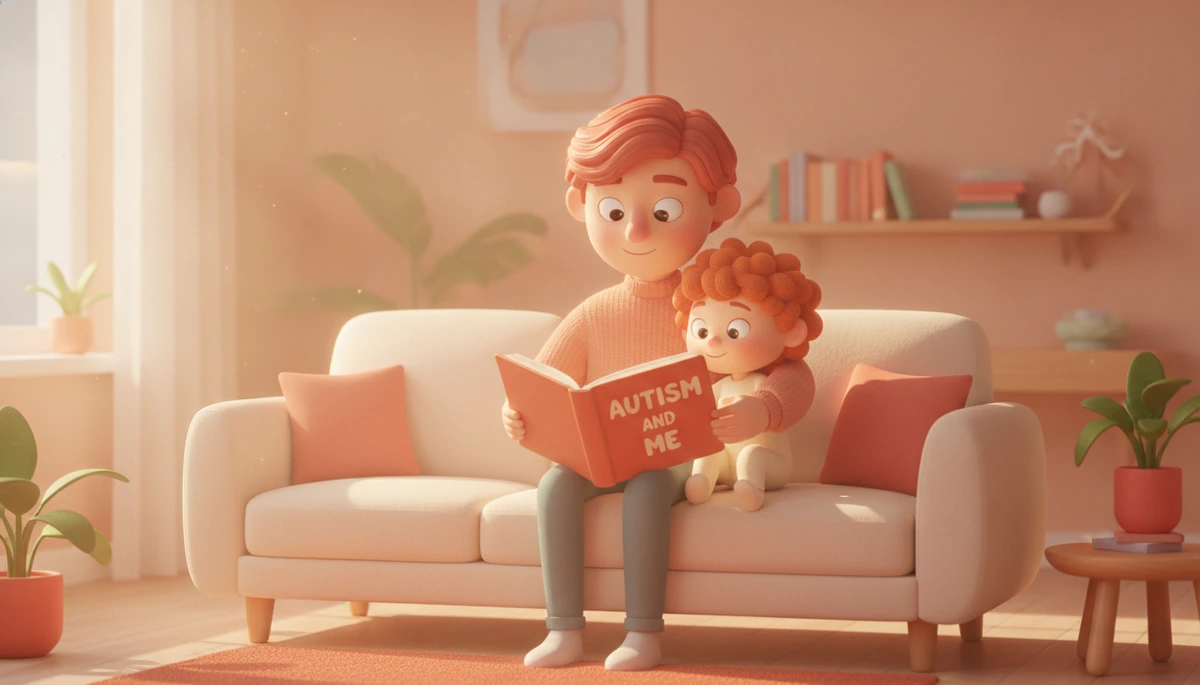
Understanding Identity-First vs. Person-First Language
Language shapes how we perceive ourselves and others. In the context of autism, identity-first language (e.g., "autistic person") has gained preference within the autistic community over person-first language (e.g., "person with autism"). This preference stems from a desire to recognize autism as an integral part of one's identity rather than a separate entity or a problem to be fixed. According to the Autistic Self Advocacy Network, identity-first language reflects the belief that being autistic is a fundamental aspect of an individual's character and should be embraced 1.
On the other hand, person-first language is often used in an attempt to emphasize the person over their condition. However, many in the autistic community argue that this approach inadvertently suggests that autism is something negative that needs to be distanced from the individual. Research by Bottema-Beutel et al. highlights the importance of avoiding ableist language, which can marginalize and stigmatize autistic individuals 2.
In my practice, I have seen many parents initially use person-first language, thinking it was more respectful. Yet, when they heard from autistic adults about their preference for identity-first language, it opened up meaningful dialogue and a shift towards greater acceptance and understanding.
Example Scenario: Consider a family gathering where a relative refers to "a child with autism". A parent gently responds, "Actually, we've been learning to say 'autistic child' because it acknowledges autism as part of who they are. This helps embrace their true identity." This simple correction can lead to broader conversations about acceptance and inclusion.
When and How to Tell Your Child They're Autistic
Discussing autism with your child can be a significant step in fostering their self-awareness and self-acceptance. Timing and approach are crucial. Here are some tips:
- Start Early: Introduce the topic casually and positively, emphasizing that being autistic is just another part of who they are.
- Use Age-Appropriate Language: Tailor the conversation to your child's developmental level. Use simple, clear terms for younger children.
- Emphasize Strengths: Highlight the unique talents and perspectives that come with being autistic.
- Normalize Autism: Reinforce that everyone is different and that being autistic is just one of many ways to be.
Example Scenario: Imagine a child named Maya, aged 7. Her parents decide to talk to her about being autistic. They sit down in her favorite reading nook and say, "Maya, you know how everyone has things that make them special? Well, being autistic is one of your special things. It helps you see the world in your own amazing way." This sets a positive tone that encourages Maya to embrace her identity.
In My Practice: I've seen children light up when they hear autism described positively. One child, after learning about their autism, proudly shared with classmates that they were "an amazing thinker," which fostered a supportive and inclusive environment in the classroom.
Books That Frame Autism Positively
Books can be a powerful tool to help children understand and embrace their identity. Here are a few recommendations:
- "All My Stripes: A Story for Children with Autism" by Shaina Rudolph and Danielle Royer
- "The Different Dragon" by Jennifer Bryan
- "Uniquely Wired: A Story about Autism and Its Gifts" by Julia Cook
These books not only validate the autistic experience but also celebrate the strengths and diversity within the community. For more resources, Feelings Matter: Let's Talk About Them! Social Story is a great tool to help your child express and understand their emotions.
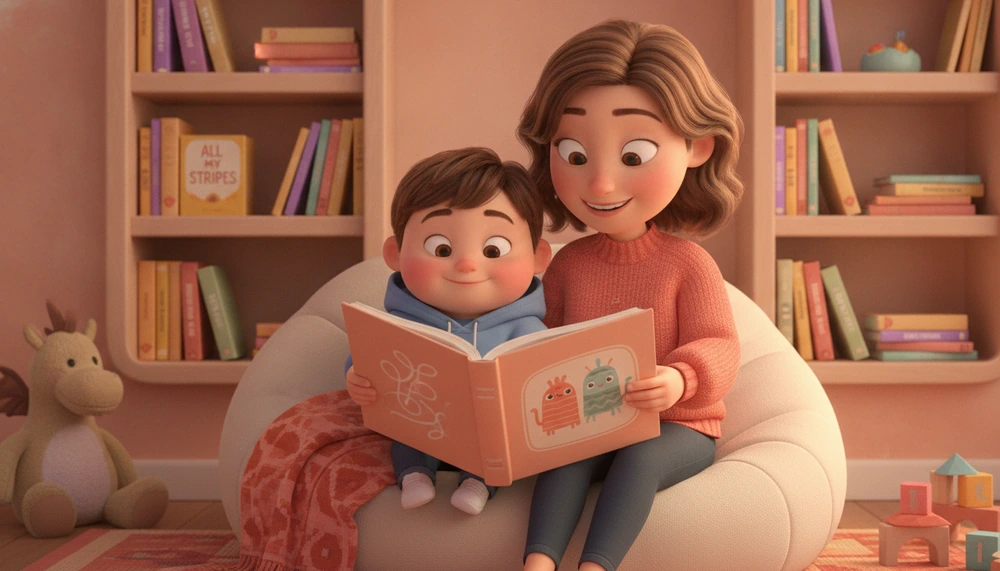
Example Scenario: Reading "All My Stripes" with your child can open up a dialogue about their own "stripes" or unique traits. You might say, "What do you think makes you unique? How can we celebrate that?" This encourages self-reflection and pride in their individuality.
Handling Well-Meaning Relatives Who Use Deficit Language
Relatives might unintentionally use language that seems outdated or negative. Here's how to address these situations:
- Educate Gently: Share information about identity-first language and why it's important.
- Provide Resources: Offer books or articles that explain the autistic perspective.
- Model Appropriate Language: Use identity-first language yourself as a way of teaching by example.
In My Practice: I've seen families face challenges when relatives use outdated terms. By providing them with articles from trusted sources like ASAN, they were able to gently shift the conversation towards more respectful and affirming language.
Example Script: When a relative says, "He suffers from autism," you might respond, "We prefer to say 'he's autistic' as it better reflects his identity." This not only educates but also affirms your child's identity.
Disability Pride: Introducing the Concept
Disability pride is about embracing one's identity, including being autistic, with confidence. It involves recognizing and celebrating unique abilities rather than focusing on limitations.
- Discuss Role Models: Share stories of successful autistic individuals.
- Celebrate Differences: Encourage your child to see diversity as strength.
- Participate in Events: Look for autism pride events or online communities that celebrate autistic identity.
Example Scenario: During a family gathering, you might say, "Did you know that Temple Grandin, an amazing scientist, is autistic? She uses her unique way of thinking to understand animals better than anyone else."
In My Practice: One family found that participating in local autism pride events transformed their perspective. Their child met others who shared their experiences and began to see themselves as part of a vibrant, supportive community.
Connecting Your Child to Autistic Role Models
Having role models can profoundly impact your child's self-esteem and aspirations. Here are ways to help them connect:
- Autistic Authors and Creators: Introduce your child to books and media created by autistic individuals.
- Community Groups: Find local or online groups where your child can meet peers and mentors.
- Attend Workshops: Look for workshops or talks by autistic speakers.
Example Script: "Next weekend, there's a virtual workshop by an autistic artist who paints amazing landscapes. Would you like to watch it together?" This not only provides exposure but also encourages your child to explore their interests.
In My Practice: I've observed children who attend workshops or meet autistic role models show increased self-confidence and motivation. One child, after meeting an autistic scientist, became passionate about science and started a small science club at school.
References
1 Autistic Self Advocacy Network. (n.d.). Identity First Language. Retrieved from https://autisticadvocacy.org/about-asan/identity-first-language/
2 Bottema-Beutel, K., et al. (2021). Avoiding Ableist Language. Autism in Adulthood. DOI:10.1089/aut.2020.0008
Try It This Week
Reading is the easy part. Skills build through small, repeated practice — here's a low-pressure plan you can try with your child.
- 1Introduce Autism PositivelyDay 1Start a conversation with your child about autism. Highlight it as a positive aspect of their identity.in the SocialBlossom app →👉 What this looks likeChoose a calm moment, perhaps during a bedtime routine. Say, 'Being autistic is like having superpowers. It makes you unique and wonderful.' Watch how your child reacts and encourage questions to foster understanding.
- 2Read TogetherThis weekendRead an autism-positive book with your child to help them embrace their identity.👉 What this looks likePick a story like 'All My Stripes'. As you read, pause to discuss what makes each character special. Ask, 'What makes you special?' to promote self-awareness and pride.
- 3Correct Language GentlyDay 3When a relative uses deficit language, model the preferred language calmly and kindly.ASAN →👉 What this looks likeAt a family gathering, if someone says 'suffers from autism', gently correct with 'We say he's autistic because it’s part of who he is.' Your calm approach educates without confrontation.
- 4Explore Role ModelsTwice this weekIntroduce your child to autistic role models through books or online content.Temple Grandin on YouTube →👉 What this looks likeWatch a YouTube video about Temple Grandin with your child. Discuss how Temple uses her autism to succeed, encouraging them to see autism as a potential strength.
- 5Join a Community EventThis monthParticipate in an autism pride event or online group to foster a sense of belonging.👉 What this looks likeResearch local events or join an online autism pride group. Discuss with your child what they liked about the event, reinforcing their identity and community connection.
Frequently Asked Questions
What is identity-first language?
When should I tell my child they're autistic?
How can I help relatives understand autism better?
Why is disability pride important?
How do role models impact autistic children?
References