The Power of Co-Watching: Enhancing SEL Through Shared TV Experiences
Why Co-Watching Beats Solo Watching
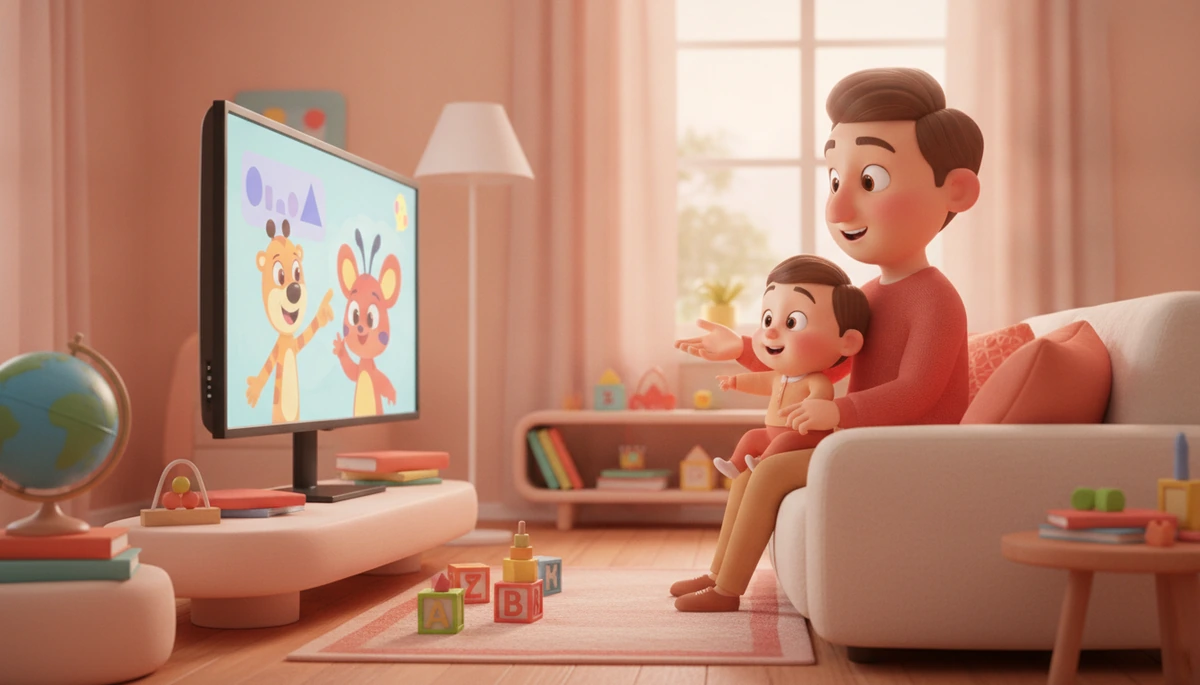
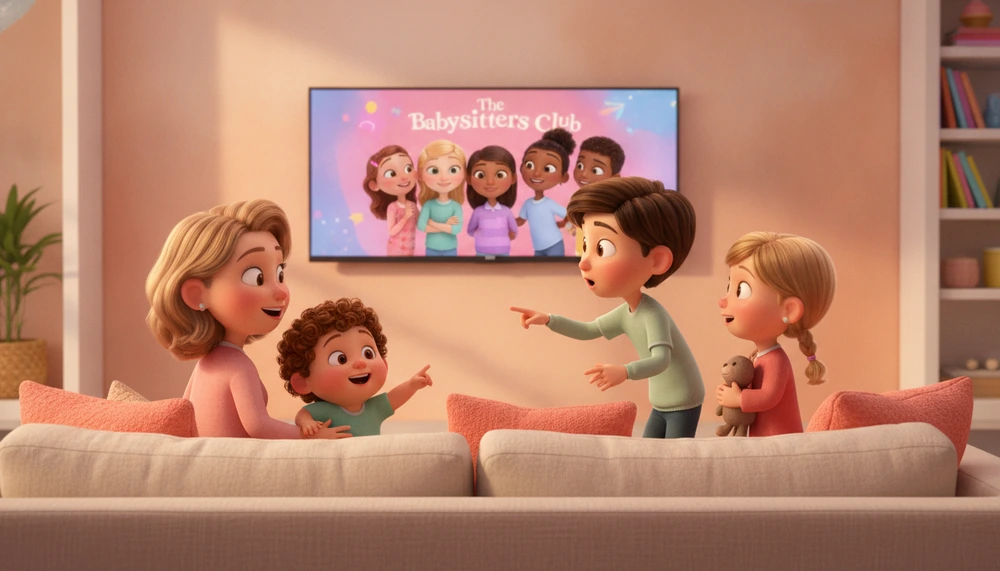
In our fast-paced world, it's tempting to let children watch TV alone, but co-watching offers a unique opportunity to enhance their social-emotional learning (SEL). Research has shown that when parents engage with their children during TV time, it fosters better communication skills and stronger emotional bonds 1. Co-watching allows parents to model self-awareness and social awareness by discussing characters' emotions and actions, providing children with real-time examples of these SEL competencies in action.
Imagine you're watching an episode of Bluey with your child. During the show, Bluey faces a challenge with a friend. You pause the episode and discuss what Bluey might be feeling and why. This simple act transforms a passive activity into an interactive learning experience.
In my practice, I've seen many parents who initially struggled with screen time management find success by implementing co-watching strategies. They reported their children not only enjoyed TV more but also began applying learned SEL skills in real-life interactions.
Concrete Example: Let's say you're watching "Bluey" and a character is learning to share. You pause and ask, "Why do you think sharing was hard for Bluey? What would you have done?" This encourages your child to think critically and apply these concepts outside of the screen.
The Pause-and-Discuss Technique
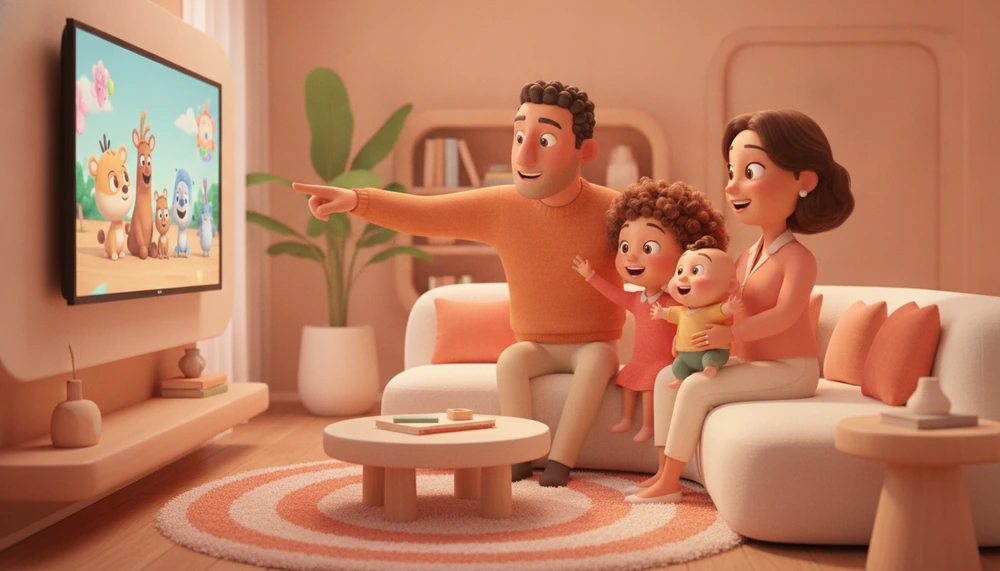
The pause-and-discuss technique is a powerful tool for turning TV time into a learning opportunity. It involves stopping the show at key moments to talk about what's happening. This technique encourages children to develop self-management and responsible decision-making by reflecting on characters' choices and emotions.
Scripted Dialogue Example:
- Parent: "Let's pause here. How do you think Bluey feels right now?"
- Child: "I think Bluey is sad because her friend left."
- Parent: "Why do you think that happened? What could Bluey do next?"
By engaging in this dialogue, children learn to articulate emotions and consider consequences, key aspects of SEL.
In my practice: Parents often share how this technique has helped them bond with their children, turning what was once considered a distraction into a meaningful educational tool.
- Use pauses to explore different perspectives: "How do you think the other character feels?"
- Encourage problem-solving by asking, "What would you do if you were in this situation?"
Bluey-Specific: 5 Episodes That Teach SEL Skills
Bluey, a popular Australian children's show, is known for its rich emotional content and relatable scenarios 2. Here are five episodes that offer excellent SEL teaching moments:
- "Grannies" - Teaches cooperation and imagination.
- "Copycat" - Explores empathy and understanding of others' feelings.
- "The Creek" - Highlights exploration and independence.
- "Camping" - Discusses friendship and adjusting to change.
- "Bike" - Focuses on perseverance and problem-solving.
For example, in "Grannies," pause to discuss how the characters work together to solve problems, reinforcing relationship skills.
Example Discussion: After watching "The Creek," ask your child, "What did Bluey learn from exploring? How can we explore in our own backyard?" This helps children connect their learning to real-world activities.
Daniel Tiger: Emotion-Coaching at Age 3
Daniel Tiger's Neighborhood is another excellent resource for teaching young children about emotions. This show uses catchy songs and simple stories to help kids understand their feelings and how to express them appropriately 3.
- Episode: "Daniel Gets Mad"
- Pause Moment: When Daniel is upset about losing a game.
- Discussion Prompt: "Daniel is really mad. What should he do to calm down?"
This approach helps children practice self-regulation and identify coping strategies like taking deep breaths. For more strategies, check out our self-regulation strategies for autistic children.
In my practice: I've observed that children who regularly watch Daniel Tiger episodes tend to develop a better vocabulary for their emotions, which they carry into playground interactions.
Open-Ended Questions to Ask After
After watching an episode, use open-ended questions to enhance reflection and understanding. These questions foster critical thinking and emotional insight:
- "What was your favorite part of the episode and why?"
- "How did the characters solve their problems?"
- "What would you have done differently?"
These questions encourage children to think deeply about the story and relate it to their own experiences, promoting responsible decision-making.
- "Who was your favorite character and why?"
- "What would you say to a friend who feels sad like the character did?"
When to NOT Pause (Let Them Just Enjoy)
It's crucial to balance learning with enjoyment. Sometimes, letting children watch without interruption is beneficial. It allows them to relax and enjoy the narrative, which is equally important for emotional well-being. Consider not pausing during particularly engaging or humorous parts, ensuring that TV remains a fun activity.
In my practice: I've advised parents to observe when their child is genuinely engrossed in the storyline. These moments are just as valuable for emotional development as structured discussions.
Tween Co-Watching (Different Game)
As children grow, so do their interests and the complexity of their SEL needs. For tweens, co-watching might look different. Choose shows that present more nuanced social situations suitable for their age.
- Show: "The Babysitters Club"
- Discussion Point: "How do the characters handle conflicts with friends?"
This approach helps tweens develop relationship skills and social awareness as they navigate more complex social dynamics. For more on creating screen time rules that work, explore our article on screen time rules that don't blow up.
- Discuss character motivations: "Why do you think this character acted that way?"
- Encourage empathy by exploring different outcomes: "What would happen if the character made a different choice?"
References
1 Common Sense Media. (n.d.). Retrieved from commonsensemedia.org
2 Australian study: Bluey identified as a vehicle for emotional learning. (2022-2023). Pediatrics. Retrieved from pubmed.ncbi.nlm.nih.gov
3 Gottman, J. (1997). Raising an Emotionally Intelligent Child. Retrieved from guilford.com
Try It This Week
Reading is the easy part. Skills build through small, repeated practice — here's a low-pressure plan you can try with your child.
- 1Start a co-watching routineOnce a weekDedicate one TV show episode a week to co-watching. Focus on discussing emotions and character decisions.👉 What this looks likeChoose a Saturday morning to watch "Bluey" with your child. As you watch, pause during key moments to discuss, "What do you think Bluey is feeling right now?" Encourage your child to express their thoughts and relate them to their own experiences.
- 2Use the pause-and-discuss techniqueTwice a weekPause TV shows at critical moments to discuss character emotions and decisions.in the SocialBlossom app →👉 What this looks likeDuring an episode of "Daniel Tiger", pause when Daniel encounters a problem. Ask, "What should Daniel do to solve this?" and "What would you do in his place?" Guide them to think through potential solutions.
- 3Explore emotions with open-ended questionsDailyAfter watching, ask open-ended questions to deepen understanding and empathy.use this story →👉 What this looks likeAfter watching a show, ask your child, "Who was your favorite character and why?" or "What would you do differently?" Encourage them to think about and articulate their feelings and decisions.
- 4Balance structured and free watchingThis weekendAllow some TV time without pausing to let children enjoy narratives fully.screen time rules that work →👉 What this looks likeLet your child choose a show to watch without interruptions. Observe their reactions and later discuss their favorite parts casually, fostering a relaxed conversation.
- 5Engage tweens with complex showsOnce a weekChoose shows with nuanced social situations and discuss them with tweens.👉 What this looks likeWatch "The Babysitters Club" with your tween. Discuss the characters' friendships and conflicts. Ask, "How would you handle a similar situation?" Encourage them to explore different conflict resolution strategies.
Frequently Asked Questions
What is co-watching?
How does co-watching help with social-emotional learning?
Which shows are best for co-watching with young children?
How can I use TV to teach empathy?
Is it okay to let kids watch TV alone sometimes?
References