Navigating Peer Conflict Between Autistic and Neurotypical Children
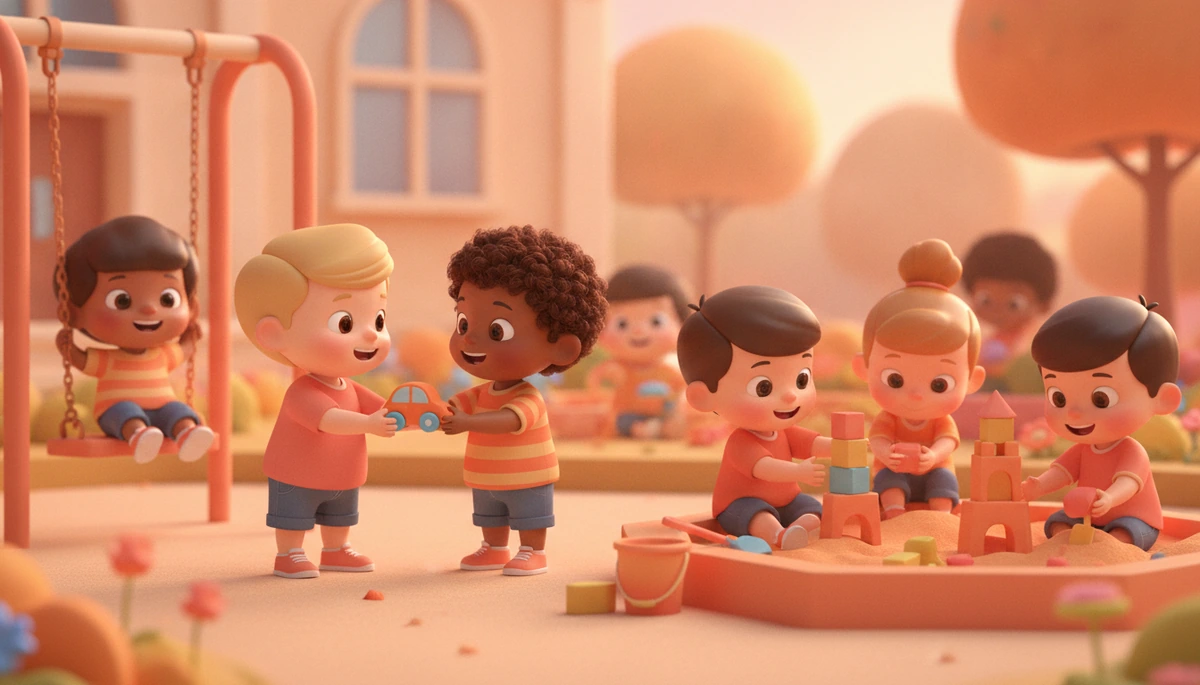
Navigating peer conflict can be challenging, especially when it involves autistic and neurotypical (NT) children. This article is part of our complete guide to Social Skills for Autistic Kids — Without Masking. Understanding the reasons behind these conflicts requires exploring concepts like the 'double empathy' problem.
Milton's Double Empathy Problem in Plain English
The 'double empathy problem', introduced by Damian Milton, highlights a fundamental misunderstanding between autistic and NT individuals. It's not just that autistic kids struggle with social norms—NT peers also have difficulty understanding autistic perspectives 1. This isn't a one-sided issue; it's mutual.
Imagine: An autistic child named Alex loves discussing trains. In a group setting, NT peers might see Alex’s focused interest as unusual. Meanwhile, Alex might find their topics equally bewildering.
Key takeaway: Both parties experience misunderstandings, creating a gap that needs bridging through empathy and effective communication.
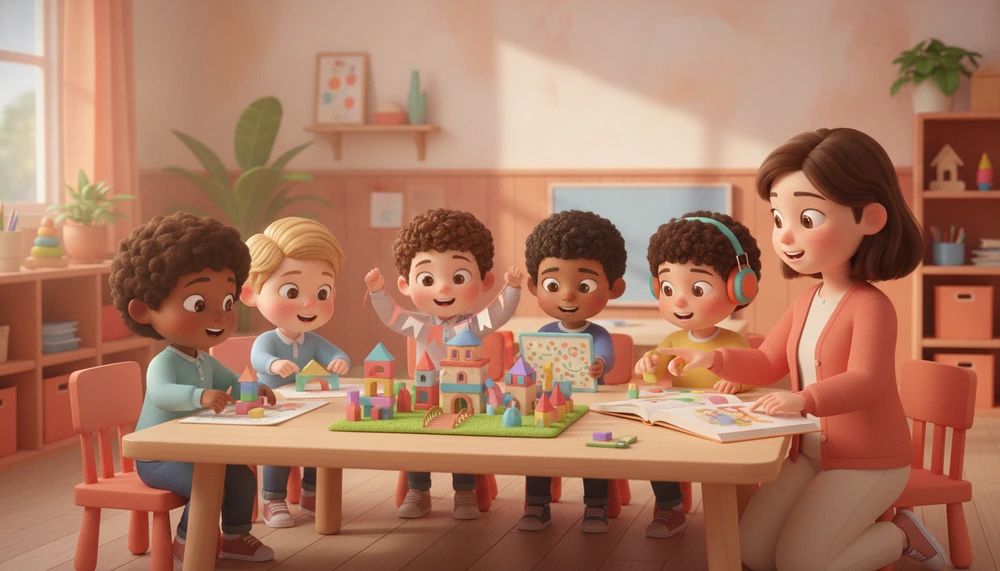
To truly bridge this gap, parents and educators can introduce activities that promote shared understanding. For instance, organizing group projects where each child gets to lead based on their interests can help. This approach allows NT children to see value in diverse perspectives while giving autistic children the chance to express themselves comfortably.
Why the Gap is Mutual
Research by Crompton in 2020 emphasized that autistic individuals communicate effectively with each other, suggesting that the empathy gap is due to differing communication styles rather than a lack of empathy 2. Autistic kids often process information uniquely, which can be misinterpreted by NT peers.
Common Autistic-NT Misunderstandings
Autistic and NT kids often clash due to misinterpretations. Here are some common scenarios:
- Literal Interpretation: Autistic kids might take phrases like “break a leg” literally, causing confusion.
- Facial Expressions: NT children may misread an autistic child’s neutral expression as disinterest.
Script to Repair:
- Parent to NT Child: "When Alex talks about trains, it's his way of sharing excitement. You can share your favorite topic too!"
- Parent to Autistic Child: "When Jamie says 'break a leg', he means good luck."
In my practice, I've observed that encouraging children to ask clarifying questions can help reduce misunderstandings. For example, teaching NT children to ask, "What do you mean by that?" when confused can open dialogues that clarify intentions.
Helping Your Autistic Kid + the NT Kid Both
In my practice, I've seen parents successfully use social stories to bridge gaps. Social stories can help autistic kids understand social cues and prepare NT kids for interactions. Understanding Our Feelings with Katie - Printable Social Story is a great tool for this.
- Use social stories to explain concepts like sharing and empathy.
- Encourage empathy by helping both children articulate their feelings.
Social stories can be particularly effective when tailored to specific situations the child often encounters. For example, a story about taking turns on the playground can prepare both autistic and NT children for real-life interactions.
Talking to Other Parents
Open communication with other parents can pave the way for better understanding. Share insights about your child’s communication style and encourage other parents to do the same.
- Example Conversation:
- "Alex really enjoys trains, and sometimes he talks about them excitedly. It’s his way of making friends."
- "If Jamie seems confused, he can ask Alex about his interests too!"

Building a community of understanding among parents can significantly impact how children interact. This network can provide support and share strategies that have worked, fostering an inclusive environment for all children.
When to Involve a Teacher/SLP
Sometimes, external help is beneficial. Teachers and Speech-Language Pathologists (SLPs) can offer strategies to improve peer interactions.
-
When to involve:
- Persistent misunderstandings affecting classroom dynamics.
- Situations where professional insight can bridge communication gaps.
-
Role of Professionals:
- Teachers can facilitate group activities that enhance mutual understanding.
- SLPs can offer targeted interventions to improve communication.
Example: A teacher might organize a "buddy system" where pairs of autistic and NT children are paired to foster understanding and communication. This can be a safe space for children to learn about each other's perspectives.
Why Autistic-Only Friendships Often Work Better
Autistic-only friendships can thrive due to shared communication styles and mutual understanding. These friendships offer a safe space where autistic kids feel understood without the pressure to conform to NT norms.
Example: In a group of autistic children, discussing trains might be the norm rather than the exception, facilitating smoother interactions.
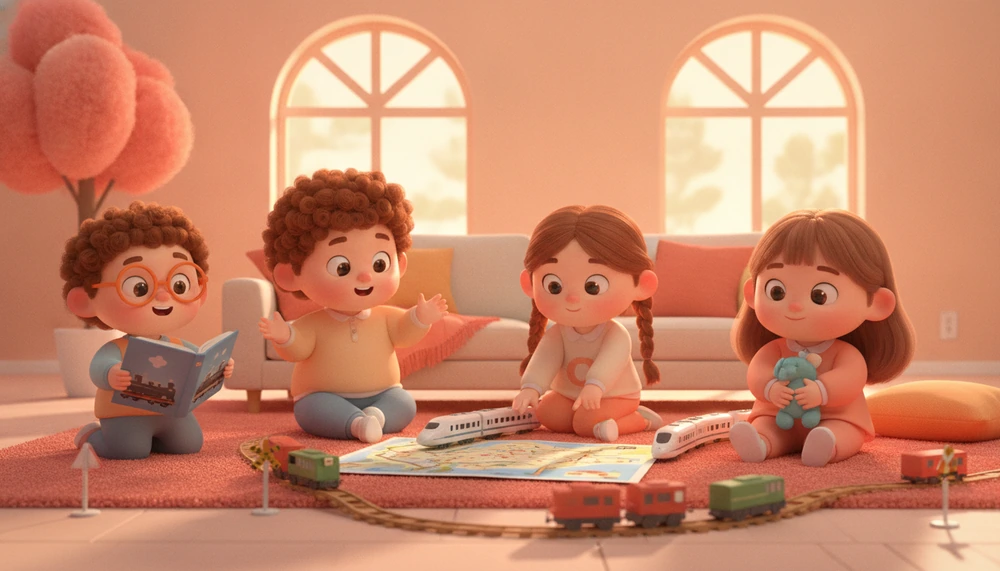
In these settings, children can engage in activities that align with their interests, promoting a sense of belonging and reducing anxiety associated with social interactions. These friendships often validate each child's unique way of communicating, fostering self-esteem and confidence.
References
1 Milton, D. (2012). On the ontological status of autism: the 'double empathy problem'. Disability & Society, 27:883. https://www.tandfonline.com/doi/abs/10.1080/09687599.2012.710008
2 Crompton, C. (2020). Autistic peer-to-peer transfer. Journal of Autism and Developmental Disorders. https://link.springer.com/article/10.1007/s10803-020-04624-x
3 DeBrabander, K. et al. (2019). Do first impressions of autistic adults differ between autistic and NT observers? Autism. https://journals.sagepub.com/doi/10.1177/1362361319852647
Try It This Week
Reading is the easy part. Skills build through small, repeated practice — here's a low-pressure plan you can try with your child.
- 1Introduce shared interest projectsDay 1Create group activities where children can express their interests, fostering mutual understanding.👉 What this looks likeOrganize a small group project where each child can choose a topic they love. For instance, if Alex loves trains, let him build a model train while others share their own hobbies. This approach allows children to learn from one another and appreciate different interests.
- 2Use social stories at homeDay 2-3Read social stories with your child to prepare them for social interactions.use this story →👉 What this looks likeBefore a family gathering, read a social story about meeting new people with your child. Discuss the story afterward, asking questions like, 'What would you do if someone asked about your favorite toy?' This prepares them for real-life situations.
- 3Encourage clarifying questionsDaily, 5 minTeach your child to ask questions when they don't understand something in a conversation.👉 What this looks likeDuring dinner, model asking clarifying questions. If your child shares about their day, ask, 'Can you tell me more about that?' Encourage them to do the same with peers, promoting clearer communication.
- 4Connect with other parentsThis weekendReach out to other parents to discuss your child's communication style and learn from their experiences.👉 What this looks likeInvite another parent for coffee. Share that your child loves talking about trains, and ask about their child's interests. This can open a dialogue about supporting each child's social needs.
- 5Observe a teacher-led activityOnce this weekWatch how teachers facilitate peer interactions and learn strategies to use at home.👉 What this looks likeAttend a class event and observe the teacher guiding children in group activities. Notice how they encourage sharing and collaboration. Apply these techniques during playdates at home.
Frequently Asked Questions
What is the double empathy problem?
How can social stories help autistic children?
When should I involve a teacher or SLP?
Why do autistic-only friendships often work better?
How can I talk to other parents about my autistic child?
References
- Milton, D. (2012). On the ontological status of autism: the 'double empathy problem'. Disability & Society, 27:883.
- Crompton, C. (2020). Autistic peer-to-peer transfer. Journal of Autism and Developmental Disorders.
- DeBrabander, K. et al. (2019). Do first impressions of autistic adults differ between autistic and NT observers? Autism.