Fostering Genuine Social Skills in Autistic Children: A Guide to Avoiding Masking
Introduction
Navigating the world of social skills for autistic children can often feel like a maze for parents and caregivers. Traditional methods often prioritize masking—teaching autistic kids to mimic neurotypical behaviors like making eye contact or memorizing scripted responses. However, recent research highlights the importance of embracing genuine interactions that respect the unique ways autistic children communicate and connect with the world around them.
In this guide, we explore how to develop social skills in autistic children without resorting to masking. We'll dive into strategies that foster genuine reciprocity and understanding, supporting your child in a way that honors their individuality.
In This Guide
- The Masking Problem: What Every Autism Parent Needs to Know: Understand why masking can be harmful and how it affects autistic children.
- Friendship Skills for Autistic Kids: Alternatives to 'Make Eye Contact': Explore alternative approaches to building friendships without forcing eye contact.
- Joining a Group: Scripts and Visual Supports for Autistic Kids: Discover practical tools to help autistic children join groups comfortably.
- When Autistic and NT Kids Clash: Navigating the 'Double Empathy' Gap: Learn about the empathy challenges between autistic and neurotypical kids and how to bridge them.
Understanding the Concept of Masking
Masking is often described as the act of hiding one's true self to fit into social norms. For autistic individuals, this can mean suppressing natural behaviors in favor of those perceived as more "socially acceptable." However, this can lead to stress, anxiety, and a sense of inauthenticity 1.
The Harmful Effects of Masking
Research indicates that masking can have detrimental effects on mental health, leading to increased anxiety and depression in autistic individuals 2. Autistic people often experience what is known as the "double empathy problem," where miscommunication arises between autistic and neurotypical individuals due to different perspectives and communication styles 3.
In my practice, I've encountered families who initially focused on teaching their children to "blend in." Over time, they noticed increased stress and emotional burnout in their children, prompting a shift towards fostering authentic interactions instead. This shift often results in more meaningful connections and a happier child.
Additionally, a study on social camouflaging highlights that while some autistic individuals can learn to mask effectively, the long-term psychological cost is significant 2. This underscores the importance of strategies that prioritize authenticity over conformity, reducing the need for masking behaviors that can lead to emotional exhaustion.
Encouraging Genuine Interactions
Promoting genuine reciprocity is key to developing social skills in autistic children. This involves encouraging interactions that are meaningful to the child rather than enforcing neurotypical norms.
Emphasizing Shared Interests
One effective strategy is to build on shared interests. For example, if your child loves trains, encourage playdates with other children who share this interest. This creates a natural context for social interaction and reduces pressure to conform to typical social behaviors.
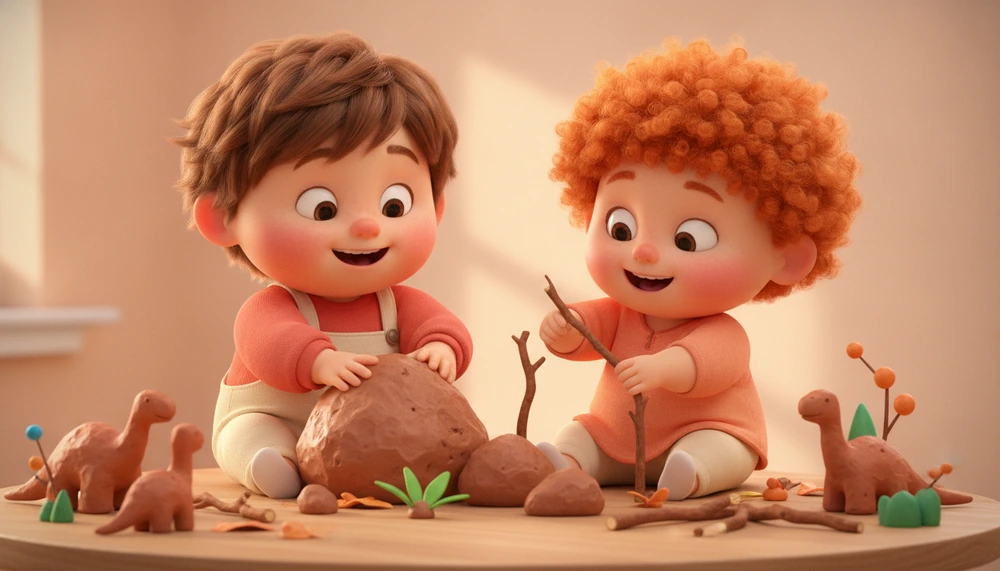
Imagine: Alex, a 7-year-old autistic child, loves dinosaurs. His parents arrange a playdate with Sam, who shares this interest. Instead of forcing eye contact, they facilitate joint activities like building a dinosaur habitat, allowing communication to flow naturally.
This approach not only enhances social skills but also supports the development of self-awareness and social awareness, two core competencies of social-emotional learning (SEL). When children engage in activities they are passionate about, they become more attuned to their own emotions and the emotions of others involved in the activity 6.
Using Visual Supports
Visual supports are powerful tools in promoting understanding and reducing anxiety in social situations. They provide a visual representation of social norms, expectations, and emotional cues, helping autistic children navigate interactions more comfortably.
-
Social Stories: These are short, descriptive stories that explain social situations and appropriate responses. For instance, a story about attending a birthday party can outline what to expect, reducing anxiety and promoting confidence.
-
Visual Schedules: These tools help children understand the sequence of events in a day, minimizing surprises and helping them prepare for transitions. For example, a visual schedule for a school day can show the order of classes and recess, providing a clear structure.
Explore our Social Stories collection, including Playing Nicely with Friends at Preschool - Social Story to support your child's social learning.
The Role of Co-Regulation
Co-regulation involves parents or caregivers helping children manage their emotions and behaviors by modeling calm and supportive interactions. This is crucial for autistic children, who may struggle with self-regulation.
Imagine a scenario where your child is overwhelmed at a family gathering. Instead of insisting they engage with relatives, you might say calmly, "I see it's a bit too much right now. Let's find a quiet space together." This approach models emotional management and respects the child's needs.
Incorporating co-regulation into daily routines can enhance a child's ability to engage socially. For instance, spending a few minutes each evening discussing the day's events and feelings can reinforce positive emotional expression and build stronger relationship skills.
Social Skills Through Play
Play is a natural way for children to learn social skills, and it can be particularly effective for autistic children when tailored to their interests and communication styles.
Structured Play Dates
Structured play dates can provide a safe environment for autistic children to practice social skills without pressure. Plan activities that align with the child's interests and use visual supports to outline the sequence of events.
Example Scenario
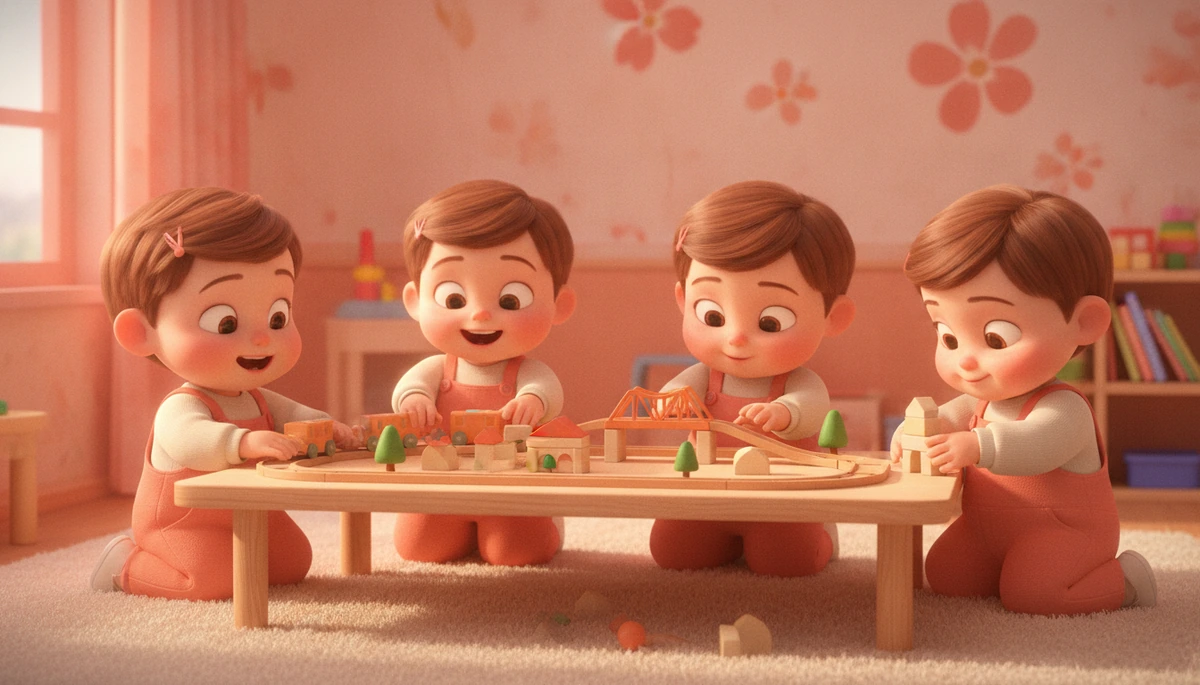
Imagine: Jamie is invited to a playdate with a new friend. His parents prepare by discussing the plan using a visual schedule: "First, you and Ella will build with blocks. Then, you'll have a snack. Finally, you can play outside." This structure helps Jamie feel secure and understand what to expect.

Structured play also allows parents to introduce turn-taking and sharing concepts in a controlled manner. By using games that naturally involve these skills, children can learn to navigate these social nuances in a supportive environment.
Encouraging Turn-Taking
Turn-taking is a fundamental social skill that can be nurtured through games and activities. Use visual cues, such as a "turn-taking" card, to signal when it's each child's turn.
- Game Example: Playing with a board game that requires taking turns can be a fun way to practice this skill. Reinforce the concept by praising efforts: "You waited patiently for your turn. That was great!"
Additionally, using digital tools like the SocialBlossom app can reinforce these skills through interactive stories and games designed to teach social concepts in a fun, engaging way.
Building Friendships Without Eye Contact
Forcing eye contact can be uncomfortable and unnatural for many autistic children. Instead, focus on building friendships through shared activities and mutual interests.
Alternatives to Eye Contact
- Parallel Play: Engaging in activities side-by-side can be more comfortable than direct interaction. This allows children to share space and experiences without the pressure of looking at each other.
- Joint Attention Activities: Encourage activities that require both children to focus on the same object or task, like building a model or solving a puzzle together.
In my practice, I've seen children thrive when allowed to interact on their terms. One child, Mia, bonded with her friend through parallel play, enjoying painting side-by-side without speaking. This approach respects the child's comfort levels and encourages interaction in a way that feels natural to them.
Utilizing Technology and Apps
Technology can offer innovative ways to support social skills development in autistic children. Apps and digital tools can provide interactive and engaging platforms for learning.
Apps for Social Skills
-
SocialBlossom App: Our app offers interactive social stories and scenarios that help children practice social skills in a safe, supportive environment. These tools are designed to respect the child's pace and preferences.
-
Other Apps: Consider apps that focus on emotion recognition, storytelling, and social problem-solving. These can be powerful resources for children to learn at their own pace.
Explore the SocialBlossom app for interactive stories that promote social skills development.
Conclusion
Developing social skills in autistic children without encouraging masking involves understanding and respecting their unique communication styles. By focusing on genuine interactions, shared interests, and supportive tools like visual aids and technology, we can create an environment where autistic children feel valued and understood. This approach not only nurtures social skills but also fosters a sense of authenticity and well-being in autistic children.
References
1 Pearson, A. & Rose, K. (2021). A conceptual analysis of autistic masking. Autism in Adulthood 3:52
2 Hull, L. et al. (2017). 'Putting on My Best Normal': Social camouflaging in adults with ASC. JADD 47:2519
3 Milton, D. (2012). On the ontological status of autism: the 'double empathy problem'. Disability & Society 27:883
4 Howlin, P. & Magiati, I. (2017). Autism spectrum disorder: outcomes in adulthood. Curr Opin Psychiatry
5 Autism Speaks. (n.d.). Social Skills and Autism. Retrieved from https://www.autismspeaks.org/social-skills-and-autism
6 CASEL. (n.d.). What is the CASEL Framework? Retrieved from https://casel.org/fundamentals-of-sel/what-is-the-casel-framework/
Try It This Month
Reading is the easy part. Skills build through small, repeated practice — here's a low-pressure plan you can try with your child.
- 1Schedule a Shared Interest PlaydateThis weekendOrganize a playdate around a shared interest like dinosaurs or trains. This reduces social pressure and fosters natural interaction.use this story →👉 What this looks likePlan a playdate for your child, Alex, who loves dinosaurs, with another child who shares this interest. Prepare dinosaur toys and a simple activity like building a dinosaur habitat. Encourage both children to participate without enforcing rules like eye contact. Afterward, discuss what they enjoyed most about the playdate.
- 2Create a Visual Schedule for Daily RoutinesDaily, 5 minDevelop a visual schedule to help your child anticipate daily events and reduce anxiety about transitions.👉 What this looks likeEvery morning, review the visual schedule with your child. Include major activities like meals, playtime, and bedtime. Use pictures or symbols for each activity. This visual representation helps your child understand the sequence of the day, encouraging independence and reducing stress.
- 3Practice Co-Regulation During StorytimeOnce a weekUse storytime as an opportunity to practice co-regulation and explore emotions together.👉 What this looks likeChoose a book that includes characters experiencing various emotions. During reading, pause to discuss the characters' feelings: 'Look at how the character is smiling. How do you think she feels?' Encourage your child to express their thoughts and feelings. This reinforces emotional understanding in a safe setting.
- 4Encourage Turn-Taking with a Board GameDay 2-3Use a favorite board game to practice turn-taking, a key social skill.👉 What this looks likePlay a simple board game like Candy Land with your child. Before starting, explain the rules and emphasize turn-taking. Use a 'turn-taking' card to signal whose turn it is next. Praise your child for waiting patiently and taking their turn, reinforcing the concept in a fun way.
- 5Explore Social Skills Apps TogetherOnce this weekSpend time exploring social skills apps designed for autistic children. These tools offer interactive learning opportunities.in the SocialBlossom app →👉 What this looks likeDownload the SocialBlossom app and explore an interactive social story together. Encourage your child to choose a story, then follow along with the activities. Discuss any new concepts or emotions after completing each story, reinforcing the learning experience.
Frequently Asked Questions
What is masking in autism?
How can I help my autistic child make friends?
What are some alternatives to forcing eye contact?
How can technology support social skills development in autistic children?
Why is co-regulation important for autistic children?
References
- Pearson, A. & Rose, K. (2021). A conceptual analysis of autistic masking. Autism in Adulthood 3:52.
- Hull, L. et al. (2017). 'Putting on My Best Normal': Social camouflaging in adults with ASC. JADD 47:2519.
- Milton, D. (2012). On the ontological status of autism: the 'double empathy problem'. Disability & Society 27:883.
- Howlin, P. & Magiati, I. (2017). Autism spectrum disorder: outcomes in adulthood. Curr Opin Psychiatry.
- Autism Speaks. (n.d.). Social Skills and Autism. Retrieved from https://www.autismspeaks.org/social-skills-and-autism.
- CASEL. (n.d.). What is the CASEL Framework? Retrieved from https://casel.org/fundamentals-of-sel/what-is-the-casel-framework/.