Navigating Sibling Dynamics: An SEL Guide for Parents
Why Same-House ≠ Same-Needs
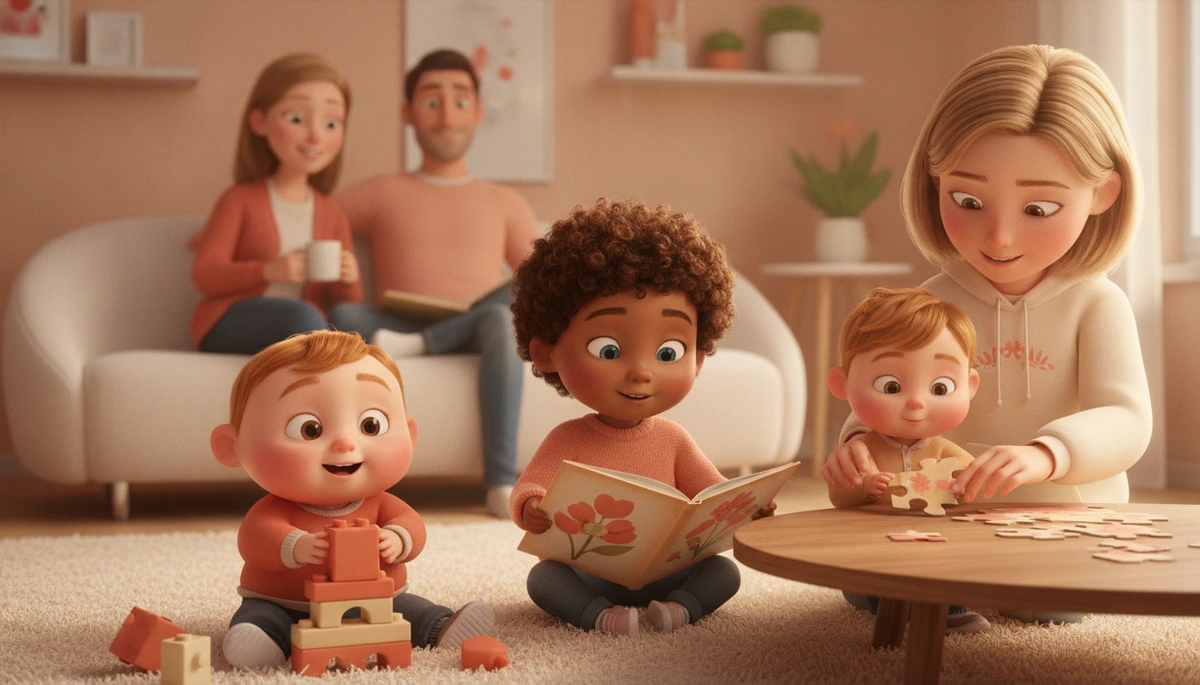
In many households, siblings may share a roof, but their needs can be worlds apart. This is especially true in families with significant age gaps between children. Each child is at a different developmental stage, which means their social-emotional learning (SEL) needs are distinct and unique. Understanding and respecting these differences is crucial for fostering harmony at home. This article is part of our complete guide to Sibling Dynamics: An SEL Approach to Rivalry, Sharing, and Connection.
According to research, siblings can have a profound influence on each other's development, but this influence is not always positive 1. The challenge for parents lies in meeting each child's needs without feeling overwhelmed. Social-emotional competencies like self-awareness and social awareness can help bridge these gaps by fostering empathy and understanding.
Moreover, recognizing that each child's perspective is shaped by their developmental stage is crucial. A toddler's insistence on autonomy is different from a tween's quest for independence. Both are valid, yet they require different approaches from parents. In my practice, I've seen families struggle with this, often trying to apply a one-size-fits-all approach that leaves some children feeling misunderstood.
Toddler + Preschooler Dynamics
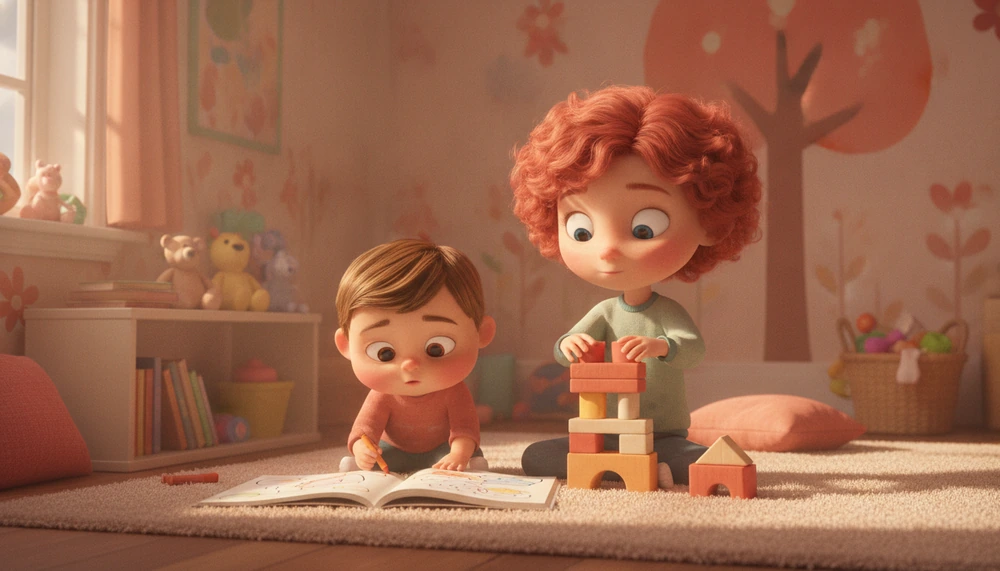
When you have a toddler and a preschooler, joint play is not always possible. Toddlers are often in their own world of discovery, while preschoolers are beginning to explore cooperative play. Parallel play, where children play side-by-side without interacting, is more common in these age groups.
Creating Positive Interactions
To nurture a bond between toddler and preschooler:
- Encourage parallel play: Set up activities that can be done side-by-side, like coloring or block building.
- Model sharing: Use social stories like Sharing Toys with Friends Social Story to show how sharing can be fun and rewarding.
Example: In my practice, I saw a family where the older child would get frustrated when the toddler grabbed toys. I suggested they use a timer to take turns, which helped both children understand and respect each other's space.
Additionally, consider creating a shared play area that respects both children's boundaries. This could mean having separate bins for each child's toys but encouraging them to play in the same room. This setup promotes a sense of togetherness while respecting each child's individual need for ownership and personal space.
Preschooler + Early-Elementary
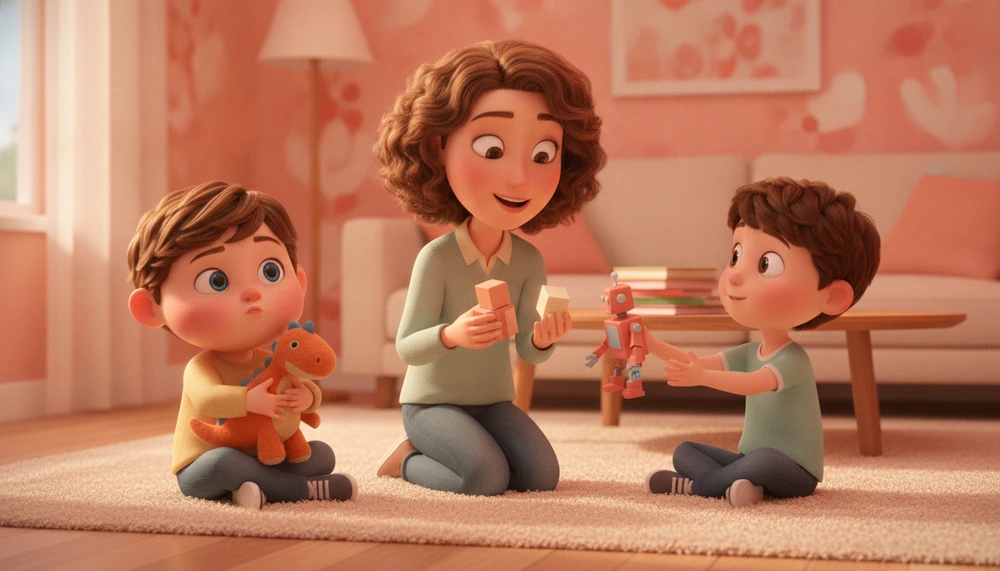
As children move into early elementary school, real conflicts can arise. Preschoolers are still learning about emotions, while early-elementary kids are starting to develop a sense of fairness and justice.
Handling Conflicts
- Teach negotiation: Introduce simple negotiation skills by role-playing scenarios where each child practices asking for what they want and listening to the other.
- Use SEL tools: The Understanding Our Feelings with Katie - Printable Social Story can help children express emotions constructively.
Example: Picture this: Maya is 6, and her brother Liam is 4. Maya wants to play a board game, but Liam wants to play with cars. Their parent steps in and suggests, "Let's play the board game for 10 minutes, then switch to cars." This compromise teaches both children about flexibility and fairness.
In my practice, I've observed that children at this stage benefit from having a "peace corner"—a designated space with calming tools like stress balls or a feelings chart. This area encourages self-regulation and gives children a physical space to retreat to when emotions run high.
Early-Elementary + Tween
The gap between early-elementary children and tweens can be challenging. Tweens are developing a sense of identity and independence, while younger siblings may still rely heavily on parental guidance.
Navigating Independence
- Respect autonomy: Allow the tween to have "big kid" responsibilities, like choosing a family activity.
- Foster mentorship: Encourage the older sibling to teach the younger one new skills, fostering a sense of responsibility and leadership.
Example: Imagine you're at the park. Your 10-year-old is playing soccer and your 6-year-old wants to join. Encourage the older child to explain the rules simply. This builds the older child's communication skills while making the younger child feel included.
Additionally, it's beneficial to hold regular family meetings where all members, including tweens, can voice their opinions and concerns. This practice not only respects the growing independence of older children but also models democratic decision-making.

Tween + Younger
Tweens often take on a protective role, which can be both beneficial and burdensome. Younger siblings may idolize their older siblings, which can lead to feelings of resentment if not managed well.
Balancing Roles
- Acknowledge efforts: Regularly appreciate the older sibling's help and encourage them to express their own needs.
- Prevent resentment: Make sure the older child has opportunities for their own age-appropriate activities.
Example: During a family gathering, an older sibling might feel obligated to "babysit" the younger ones. Acknowledge their effort with a simple "Thank you for watching over your sister," and allow them time to interact with peers.
In my practice, I recommend families create a "sibling contract," where roles and expectations are clearly defined and agreed upon. This can alleviate feelings of being overwhelmed and ensure that both younger and older children have their needs met.
Special-Needs Sibling Considerations
When one sibling has special needs, the dynamics can shift significantly. It's essential to address each child's unique needs while fostering an inclusive environment.
Supporting All Children
- Educate about differences: Use resources like When One Sibling Is Neurodivergent: A Family SEL Guide to promote understanding.
- Celebrate strengths: Focus on each child's strengths and encourage siblings to appreciate these qualities.
An effective strategy is to involve siblings in activities that highlight each child's abilities. For instance, if a neurodivergent child excels at art, organize a family "art day" where they lead the activity, boosting their confidence and giving siblings a chance to appreciate their talent.
1:1 Time as SEL Investment
Spending individual time with each child is a powerful way to meet their unique SEL needs. This one-on-one time allows parents to connect deeply and support each child in their individual development.
Making Time
- Schedule regular "dates": Whether it's a walk, a game, or reading a book, these moments are invaluable.
- Be present: Use this time to listen and validate feelings, reinforcing the child's sense of worth and belonging.
Example: For a 1:1 time with your child, you might plan a simple outing like visiting a bookstore. As you explore together, let your child pick a book. This activity not only strengthens your bond but also encourages a love for reading.
In my experience, parents who schedule consistent one-on-one time report improved behavior and emotional well-being in their children. This practice helps children feel valued and understood, which is foundational for developing strong social-emotional skills.
References
1 Whiteman, S. (2011). Sibling Influences on Adolescent Development. Journal of Youth and Adolescence, 40(9), 1024-1037. Retrieved from https://pubmed.ncbi.nlm.nih.gov/21638003/
2 Faber, A., & Mazlish, E. (1980). How to Talk So Kids Will Listen & Listen So Kids Will Talk. New York: Scribner.
Try It This Week
Reading is the easy part. Skills build through small, repeated practice — here's a low-pressure plan you can try with your child.
- 1Encourage Parallel PlayDay 1Set up side-by-side activities like coloring or building blocks to nurture bonding between younger siblings.use this story →👉 What this looks likeSet up a table with coloring books and blocks for your toddler and preschooler. Let them choose what to do, and encourage them to sit together. Say, 'Let's see how many blocks we can build while we color!' This approach respects their individual preferences while fostering a sense of togetherness.
- 2Teach Simple NegotiationDay 2-3Role-play scenarios to help children practice asking for what they want and listening to others.👉 What this looks likeDuring playtime, if a conflict arises over a toy, pause and say, 'Let's pretend we're on a TV show where we solve problems. How can we share this toy?' Guide them to suggest solutions, like 'I play first, then you.' This practice teaches negotiation through imaginative play.
- 3Create a Peace CornerDaily, 5 minDesignate a calming space with tools like stress balls for children to use when emotions run high.in the SocialBlossom app →👉 What this looks likeIdentify a quiet corner in your home and stock it with stress balls, a feelings chart, and soft pillows. Encourage your children to use this space whenever they feel upset. Say, 'This is your special place to feel better when things get tough.' Regular use can help them self-regulate more effectively.
- 4Organize a Family MeetingThis weekendHold regular meetings where all family members can voice opinions and concerns, fostering democratic decision-making.👉 What this looks likeGather the family on Saturday afternoon for a meeting. Start with, 'Let's talk about this week's plans. What does everyone want to do?' Allow each child to share their ideas. This practice teaches respect for others' opinions and builds communication skills.
- 5Schedule 1:1 TimeOnce this weekPlan individual time with each child to connect deeply and support their SEL needs.👉 What this looks likeChoose a day and take your child to a local park. Spend the time exploring and talking, letting your child lead the conversation. Ask, 'What do you want to explore today?' This reinforces their sense of value and belonging, strengthening your relationship.
Frequently Asked Questions
How can I manage conflicts between siblings of different ages?
What activities can help a toddler and preschooler bond?
How do I support a sibling with special needs?
How can I ensure my tween doesn't feel overwhelmed by sibling responsibilities?
What is parallel play and how does it help?
References
- Whiteman, S. (2011). Sibling Influences on Adolescent Development. Journal of Youth and Adolescence, 40(9), 1024-1037.
- Faber, A., & Mazlish, E. (1980). How to Talk So Kids Will Listen & Listen So Kids Will Talk. New York: Scribner.