Fostering Positive Sibling Relationships Through Social-Emotional Learning
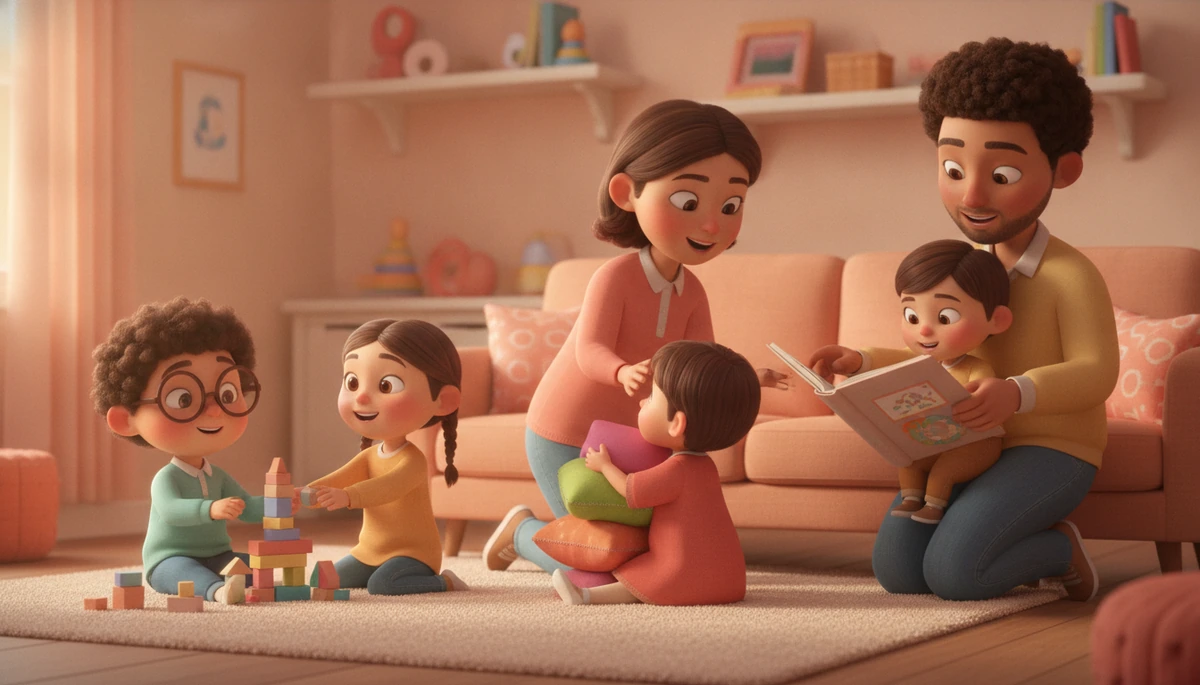
Sibling relationships are among the longest-lasting connections in our lives. They offer a unique context for social-emotional learning (SEL), which encompasses skills like self-awareness, self-management, social awareness, relationship skills, and responsible decision-making. By viewing sibling dynamics through the SEL lens, parents can transform sibling rivalry into an opportunity for growth and connection.
In This Guide
- Why 'Just Share!' Backfires Between Siblings - Discover why simple sharing directives often fail and what strategies work better.
- Sibling Rivalry vs Healthy Conflict - Learn to distinguish between normal rivalry and constructive conflict.
- Different Ages, Different Needs: Managing the Sibling Gap - Navigate the challenges and benefits of age differences among siblings.
- When One Sibling Is Neurodivergent: A Family SEL Guide - Explore strategies for supporting neurodivergent siblings within the family dynamic.
Understanding Sibling Rivalry
Sibling rivalry is a common aspect of childhood that can manifest as fighting, jealousy, and competition. These interactions, though challenging, are a natural part of children's development. They provide a platform for children to learn and practice SEL skills.
The Developmental Context
Sibling rivalry often arises from a combination of developmental stages and individual personalities. Young children, for instance, may struggle with sharing due to their developing sense of self and ownership 1. As children grow, these conflicts can evolve into more complex interactions, requiring a nuanced understanding of each child's needs.
In my practice, I've observed that children often mimic their siblings' behavior. This mirroring can either escalate conflicts or foster cooperation, depending on how parents mediate the interactions. For instance, when parents model problem-solving and calm discussions, children are more likely to emulate these behaviors.
The Role of Parents
Parents play a critical role in navigating these dynamics. By modeling SEL skills, such as empathy and emotional regulation, parents can guide their children through conflicts. Encouraging open communication and validating feelings are essential steps in fostering a positive sibling relationship.
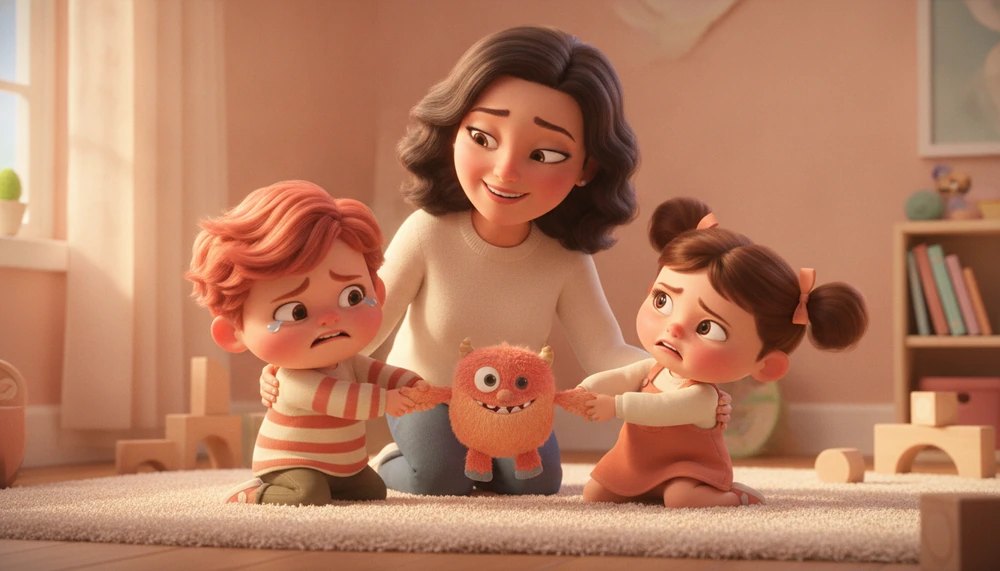
Example: Imagine your child feels frustrated because their sibling took their toy. Instead of immediately intervening, you might say, "I see you're upset because you were playing with that toy. Let's talk about how we can solve this together." This approach encourages children to express their feelings and think critically about solutions.
SEL Skills in Action
- Self-awareness: Recognize and articulate one's emotions during conflicts.
- Self-management: Develop strategies to calm down and resolve disputes.
- Social awareness: Understand siblings' perspectives and feelings.
- Relationship skills: Communicate effectively and negotiate shared solutions.
- Responsible decision-making: Choose actions that consider the well-being of everyone involved.
Strategies to Foster Positive Sibling Relationships
To nurture a harmonious sibling relationship, parents can employ several strategies that encourage cooperation and empathy.
Encourage Cooperative Play
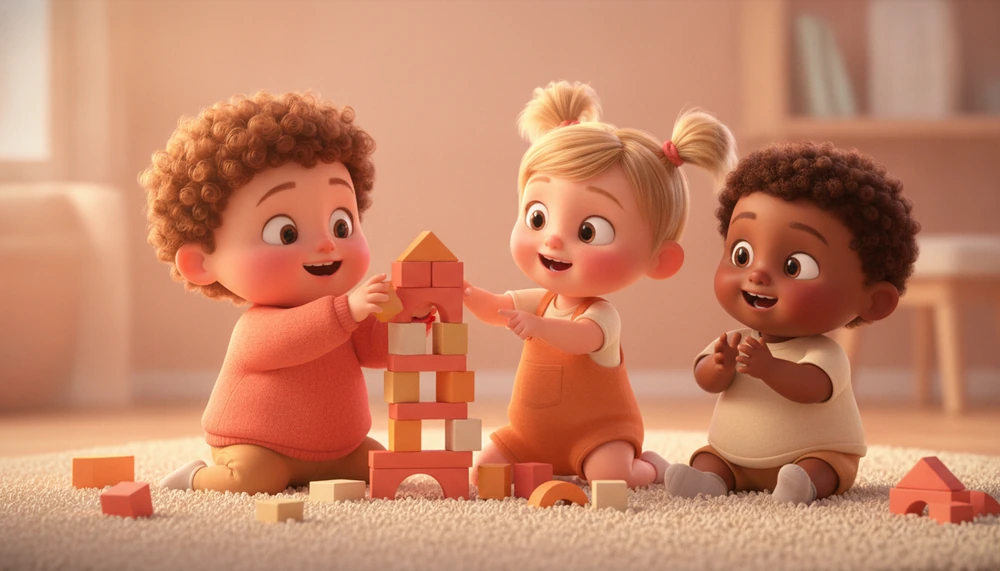
Cooperative play is a powerful tool for building strong sibling bonds. Through shared activities, children learn to work together, understand each other's strengths, and develop mutual respect.
Example: Set up a game where siblings must work together to achieve a common goal, like building a block tower. Praise their teamwork and highlight moments of cooperation.
In my practice, I've seen families create simple cooperative games, such as treasure hunts or obstacle courses, that require siblings to rely on one another. These activities not only build cooperation but also enhance problem-solving skills.
Model Empathy and Understanding
Children learn empathy by observing their parents. Demonstrating empathy in everyday interactions teaches children to recognize and respond to others' emotions.
Example: When one child feels left out, you might say, "I see you're feeling sad because your brother didn't include you in the game. Let's find a way to include everyone." This helps children understand the impact of their actions on others.
Use Social Stories to Teach Sharing
Social stories are effective tools for teaching complex concepts like sharing. They provide a narrative that children can relate to, making abstract ideas more concrete.
- Explore Calm Down with Charlie: Learning to Share to help your child understand sharing through engaging scenarios.
By integrating social stories into your routine, you provide a consistent framework for children to navigate social dynamics. These stories can become a reference point during real-life conflicts, helping children recall and apply learned strategies.
Create Family Rituals
Family rituals offer structured opportunities for siblings to connect. Whether it's a weekly game night or a shared bedtime story, these rituals foster a sense of belonging and togetherness.
Example: Implement a "buddy system" where siblings partner up for certain activities. This encourages teamwork and strengthens their bond.
In many families I've worked with, establishing a routine "sibling time" has proven beneficial. During this time, siblings engage in activities of their choice, promoting autonomy and mutual enjoyment.
Managing Conflict Constructively
Conflict is an inevitable part of sibling relationships, but it can be managed constructively to promote SEL skills.
Set Clear Boundaries
Establishing rules and boundaries helps children understand acceptable behavior and the consequences of crossing those boundaries.
Example: Create a "peace corner" where siblings can go to cool down and reflect when emotions run high. Equip it with calming tools like books or sensory items.

Facilitate Problem-Solving
Encouraging children to resolve their conflicts teaches them valuable problem-solving skills. Guide them through the process by asking questions and prompting them to consider different perspectives.
Example: During a dispute over sharing toys, you might ask, "How do you think we can make sure everyone gets a turn?" This prompts children to think about fairness and compromise.
Use Emotion Coaching
Emotion coaching involves helping children recognize and articulate their feelings. This process builds emotional intelligence and resilience.
Example: During a disagreement, you might say, "I see you're both feeling upset. Let's talk about what's happening and how we can make it better." This encourages open dialogue and mutual understanding.
In a recent session, I guided a family through this process, and the parents noted significant improvements in their children's ability to express emotions and resolve conflicts amicably.
Supporting Neurodivergent Siblings
Families with neurodivergent children may face unique challenges in managing sibling dynamics. It's important to recognize and address these needs with empathy and understanding.
Tailor Strategies to Individual Needs
Each child's needs are different, especially in neurodiverse families. Tailor your approach to accommodate these differences while fostering inclusive family dynamics.
Explore more in When One Sibling Is Neurodivergent: A Family SEL Guide.
Example: If one child requires more sensory input, consider activities that can engage all siblings, such as a sensory-rich obstacle course in the backyard.
Encourage Inclusive Activities
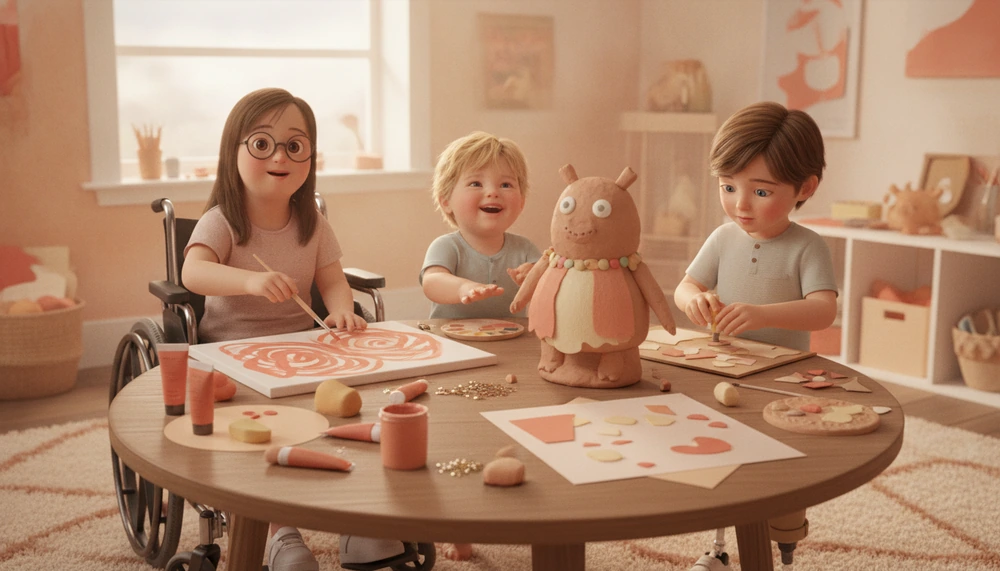
Incorporate activities that all siblings can enjoy together, regardless of their individual abilities. This strengthens the family bond and promotes inclusivity.
Example: Organize a family art project where each sibling contributes according to their ability. Celebrate each contribution to show that every effort matters.
Building Lasting Connections
Sibling relationships are foundational for developing SEL skills that extend beyond childhood. By nurturing positive dynamics, parents can help their children build lasting connections and prepare them for future relationships.
Celebrate Differences
Recognize and celebrate the unique qualities each sibling brings to the family. This appreciation fosters respect and understanding.
Example: Highlight each child's strengths during family meetings or discussions. This not only boosts individual self-esteem but also teaches siblings to value diverse talents.
Cultivate Gratitude and Appreciation
Encourage siblings to express gratitude for one another. Simple acts of kindness and expressions of appreciation can strengthen their bond.
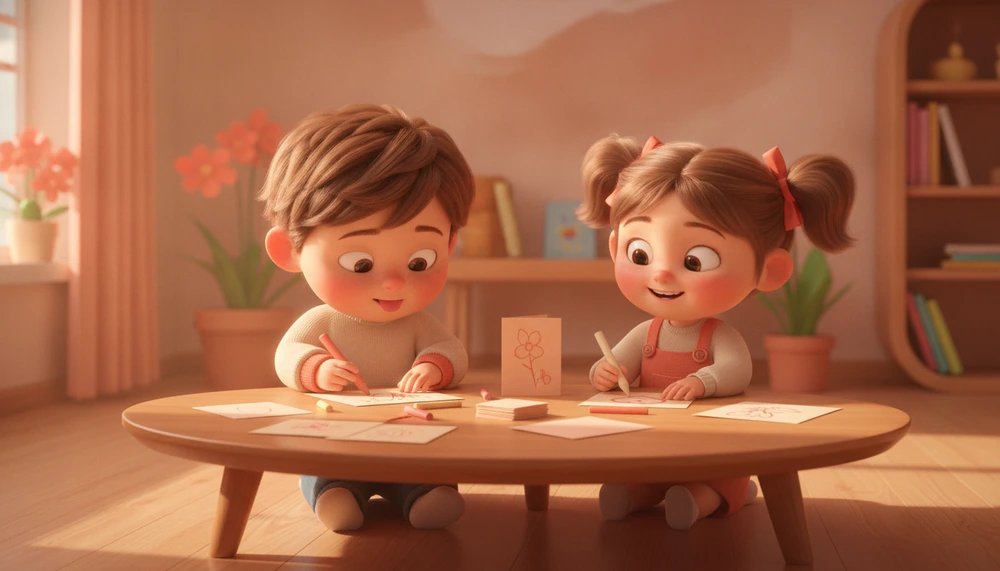
Example: Encourage your children to write "thank you" notes to each other for acts of kindness, fostering an environment of gratitude.
In my practice, families who incorporate gratitude practices report a noticeable increase in positive interactions and reduced conflicts.
References
1 Faber, A. & Mazlish, E. (1980). How to Talk So Kids Will Listen.
2 Gottman, J. (1997). Raising an Emotionally Intelligent Child.
3 Markham, L. (2012). Peaceful Parent, Happy Kids.
4 Whiteman, S. et al. (2011). Theoretical perspectives on sibling relationships. Journal of Family Theory & Review 3:124.
Try It This Month
Reading is the easy part. Skills build through small, repeated practice — here's a low-pressure plan you can try with your child.
- 1Create a Peace CornerThis weekendSet up a calming space where siblings can go to cool down. Use books and sensory items to help them reflect and self-regulate.👉 What this looks likeDesignate a corner of the living room as a 'peace corner.' Decorate it with soft pillows, a small bookshelf with favorite stories, and a basket of sensory toys like stress balls. Explain to your kids that when they feel overwhelmed, they can use this space to relax and think about their feelings. Demonstrate how to take deep breaths and use a stress ball when emotions run high.
- 2Incorporate Cooperative GamesOnce this weekIntroduce games that require siblings to work together, fostering teamwork and communication skills.read more on cooperative play →👉 What this looks likePlan a family game night with games that require cooperation, such as building a puzzle together or playing a team-based board game. Highlight moments of collaboration and communicate how working together makes achieving goals easier and more fun. Praise your children when they encourage each other or share ideas.
- 3Use Social Stories for SharingDaily, 10 minRead social stories focused on sharing to help children understand and practice this concept.use this story →👉 What this looks likeEach day, read a page from 'Calm Down with Charlie: Learning to Share' together. Discuss the story and ask your children how they might handle similar situations. Encourage them to practice these sharing strategies during playtime and acknowledge their efforts when they share successfully.
- 4Model Empathy in Daily InteractionsDailyShow empathy in your everyday conversations to teach children how to recognize and respond to emotions.learn more about empathy modeling →👉 What this looks likeWhen your child expresses frustration about a sibling's actions, say, 'I can see that really upset you because you wanted a turn. Let’s talk about how you feel.' Use these moments to guide your child in understanding and verbalizing emotions, reinforcing empathy by acknowledging their feelings.
- 5Host a Family Art ProjectNext weekendOrganize an inclusive art project where all siblings can contribute, celebrating each child's abilities.👉 What this looks likeGather art supplies like paint, brushes, and canvases. Encourage each sibling to contribute their unique artistic flair to a collective family mural. Discuss each child’s contribution, emphasizing how their different styles make the mural special and valuable. Celebrate the completed artwork with a small family exhibit in the living room.
- 6Establish a Weekly Family RitualWeeklyCreate a consistent family ritual to promote bonding and routine.👉 What this looks likeChoose a day of the week for a family movie night. Let siblings take turns picking the movie and preparing snacks. Ensure that this time is free from other distractions, allowing everyone to enjoy and bond over shared interests. Discuss the movie afterward, encouraging each sibling to share their favorite parts.
- 7Promote Gratitude with NotesOnce a weekEncourage siblings to write thank you notes to each other to express appreciation and gratitude.👉 What this looks likeProvide each child with colorful paper and markers to write thank you notes to their siblings. Guide them in identifying specific acts of kindness or support they appreciated during the week. Read the notes aloud during family time, reinforcing positive interactions and celebrating their bond.
Frequently Asked Questions
How can I teach my children to resolve conflicts on their own?
What are effective ways to teach empathy to siblings?
How do I support a neurodivergent child in sibling interactions?
How can I reduce fights over sharing between my kids?
What are some family rituals that can strengthen sibling bonds?
References