Dolls and Stuffed Animals: Essential Tools for Social-Emotional Learning
Why Dolls + Stuffies Are Perfect SEL Practice Partners
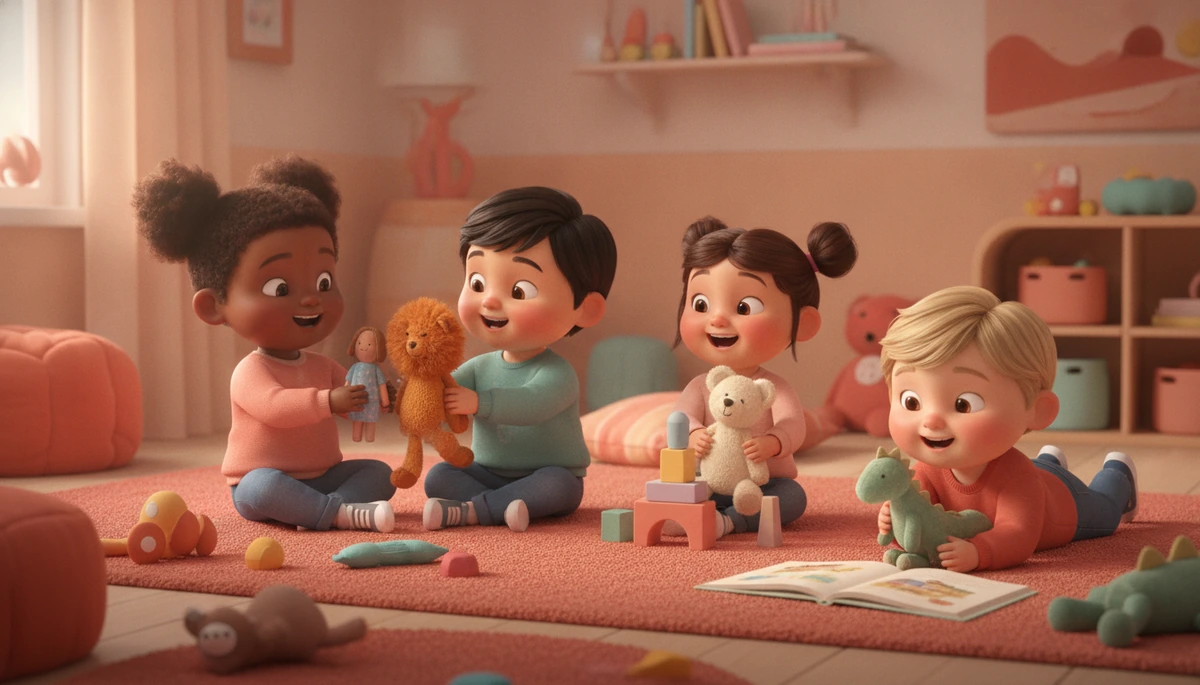
Dolls and stuffed animals are more than just toys; they are essential tools for emotional development in young children. These play partners allow kids to express themselves, practice empathy, and explore emotions in a safe environment. In fact, doll play helps children develop self-awareness and social awareness, key components of the CASEL framework for SEL.
This article is part of our complete guide to Role-Play and Pretend Play as SEL Tools. By incorporating dolls and stuffed animals into playtime, parents can provide opportunities for their children to practice emotional skills and navigate social scenarios they might encounter in real life.
The Power of Pretend
Research by Lillard emphasizes that pretend play, including doll play, fosters cognitive and emotional growth in children 1. When kids engage in pretend scenarios, they practice responsible decision-making and relationship skills by taking on different roles and perspectives. Pretend play allows them to experiment with various outcomes, which can significantly enhance their problem-solving abilities. I've seen many children gain confidence as they navigate pretend scenarios, learning to manage emotions and understand others' feelings.
Additionally, pretend play with dolls can encourage language development. Children naturally narrate their play, which can expand their vocabulary and improve communication skills. This verbal expression is crucial for emotional regulation, as it allows them to articulate feelings and negotiate conflicts verbally rather than physically.
The 'Sportscaster' Technique (Narrating)
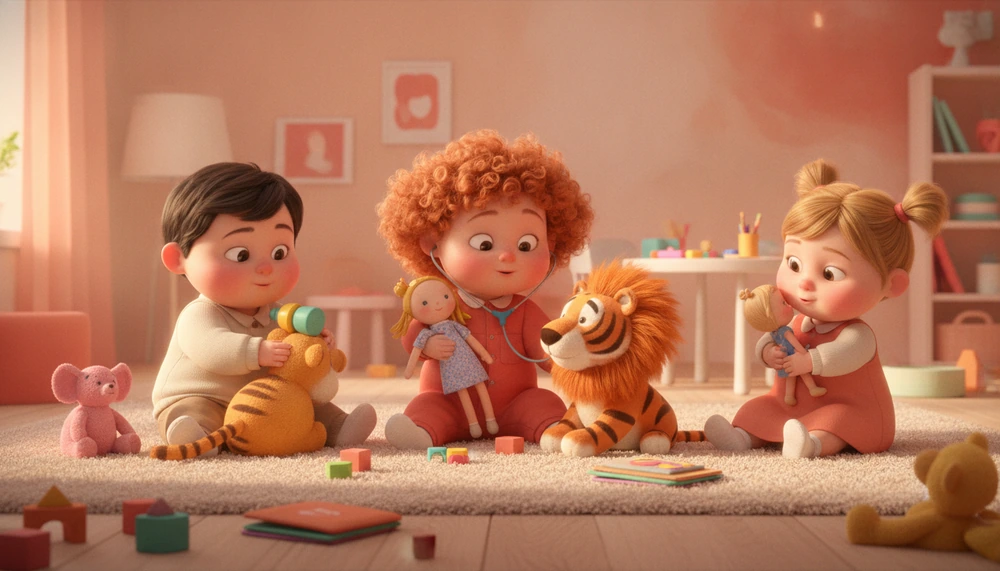
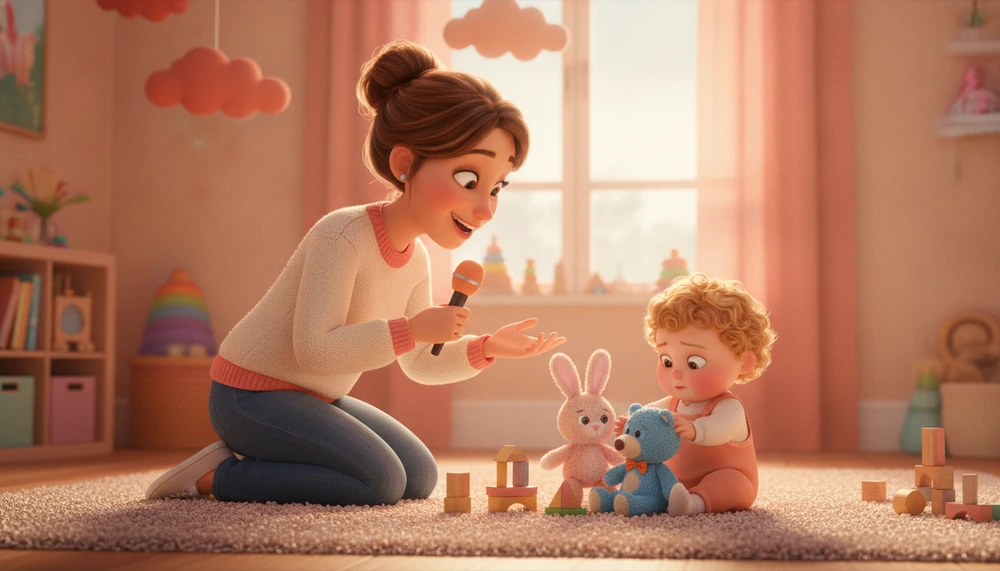
One effective way to enhance emotional learning through doll play is by using the "sportscaster" technique. This involves narrating what the child and their dolls are doing, providing language to describe emotions and actions.
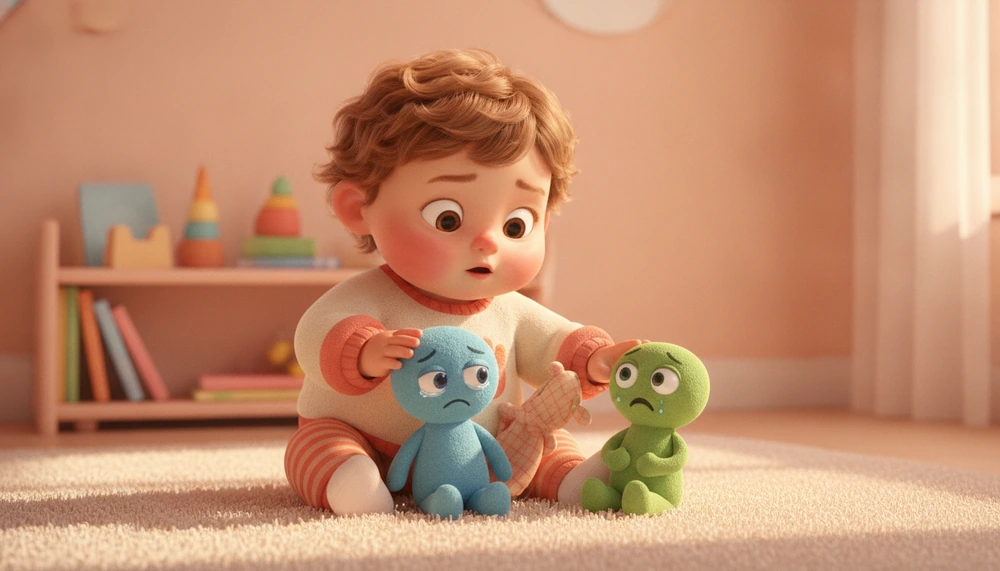
Picture this: Your child is playing with a teddy bear and a doll. The bear is sad because the doll took its favorite blanket. As a "sportscaster," you might say, "The teddy bear looks sad because the doll took its blanket. What do you think the teddy bear should do?" This technique helps children develop emotion vocabulary and encourages problem-solving.
In My Practice
In my practice, I've seen many parents use the sportscaster technique to great effect. One parent narrated their child's play with a toy dinosaur and a stuffed rabbit, helping their child express feelings of jealousy and anger. Over time, the child began using emotion words independently, illustrating the power of this approach. This method can also provide parents with insights into their child's emotional state, creating opportunities for valuable discussions about feelings and experiences.
Scripts for 4 Common Scenarios
Using dolls and stuffed animals, you can guide your child through various scenarios to build emotional skills. Here are scripts for four common situations:
Sharing
- Situation: Two dolls want to play with the same toy.
- Script: "Oh no, both dolls want the same toy. The first doll says, 'Can we take turns?' The second doll replies, 'Sure, I'll wait my turn.'"
Hurt Feelings
- Situation: A stuffed animal feels left out.
- Script: "The stuffed animal looks sad. The doll notices and says, 'I'm sorry I didn't include you. Let's play together now.'"
Scared
- Situation: A doll is afraid of the dark.
- Script: "The doll is scared because it's dark. The teddy bear says, 'It's okay, I'm here with you. Let's find a nightlight.'"
Excited
- Situation: A doll is excited about a birthday party.
- Script: "The doll is jumping up and down, saying, 'I can't wait for the party!' The stuffed animal says, 'Me too! Let's get ready together.'"
These scenarios not only help children understand and manage their emotions but also teach them how to empathize with others. By acting out these scripts, kids learn to identify feelings in themselves and others, a crucial component of social awareness.
Letting Your Kid Lead (Don't Over-Direct)
While it's helpful to guide play, it's equally important to let your child take the lead. Allowing them to direct the play fosters self-management and builds confidence. It also gives insight into what they're processing in their own lives.
Real-Life Script
Imagine your child is playing house with dolls. Instead of directing the play, watch and listen. They might create a scenario where the doll feels sad about school. This can be a window into their own feelings about school, allowing you to support them without directly intervening. This autonomy in play supports their ability to manage emotions independently and develop confidence in their decision-making.
When Dolls Show YOU What Your Kid Is Processing
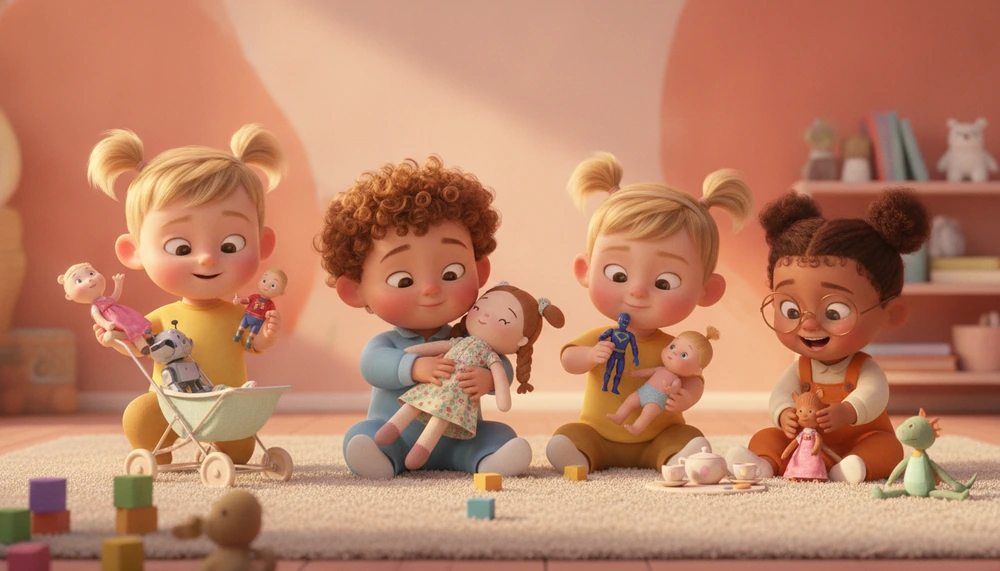
Children often project their own feelings and experiences onto their dolls. This projection can be a valuable tool for understanding what they are going through.
Example
During a session, a child played with a doll that was "afraid" of a thunderstorm. Upon discussing with the parents, it became clear the child had experienced a recent storm that left them uneasy. By observing this play, parents learned more about their child's fears and were able to address them. This understanding can guide parents in providing reassurance and support specific to their child's emotional needs.
Boys + Dolls (And the Gender-Script Trap)
It's crucial to encourage all children, regardless of gender, to play with dolls. This inclusive approach helps dismantle gender stereotypes and promotes emotional literacy in boys. Social awareness is enhanced when boys are encouraged to express emotions through play.
In My Practice
In my practice, I've seen boys thrive emotionally when given the freedom to play with dolls. One boy, initially hesitant, eventually used doll play to express feelings of frustration he had been bottling up. This not only helped him manage his emotions better but also improved his interactions with peers. Breaking away from gender scripts allows boys to explore a full range of emotions, leading to healthier emotional development.
When to Introduce Emotion Words via Doll Play
Introducing emotion words during doll play should be natural and context-driven. Start by naming emotions your child might already be expressing through play, then gradually introduce new vocabulary.
Example
If your child is pretending a doll is sad, you might say, "The doll looks sad. What do you think would help?" Over time, introduce words like "frustrated" or "overwhelmed" as they become more comfortable with basic emotions. This gradual introduction helps children build a robust emotional vocabulary, which is essential for effective communication and emotional regulation.
References
Try It This Week
Reading is the easy part. Skills build through small, repeated practice — here's a low-pressure plan you can try with your child.
- 1Narrate Play DailyDaily, 5 minNarrate your child's play with dolls to introduce emotion vocabulary and problem-solving. This builds emotional understanding.Use this guide →👉 What this looks likeDuring play, say, "I see the teddy bear looks sad. What do you think happened?" Encourage your child to explore solutions and express feelings. By the end of the week, notice if your child starts using new emotion words without prompts.
- 2Create a Sharing ScenarioThis weekendUse dolls to practice sharing and taking turns, important for relationship skills and empathy.Explore sharing stories →👉 What this looks likeSet up a scenario with two dolls wanting the same toy. Guide your child with, "The dolls want the same toy. How can they share?" Encourage your child to come up with solutions like taking turns or finding a new toy.
- 3Encourage Free PlayDay 2-3Let your child lead the play to foster self-management and confidence. Avoid directing the play too much.👉 What this looks likeProvide a variety of dolls and props. Observe as your child creates a story. They might explore feelings about a recent event, giving you insight into their emotions without intervention.
- 4Introduce New Emotion WordsDaily, 5 minIntroduce one new emotion word during doll play each day to expand vocabulary.👉 What this looks likeWhen playing, if a doll is frustrated, say, "The doll seems frustrated. What could help?" This teaches your child to recognize and name emotions, enhancing emotional literacy over the week.
- 5Discuss Play AfterDay 4-5After playtime, discuss the scenarios played out to reinforce emotional learning and understanding.👉 What this looks likeAsk questions like, "What happened in your story today?" or "How did the dolls solve their problem?" Use this time to discuss any emotions that came up, reinforcing learning and empathy.
Frequently Asked Questions
How do dolls help with emotional development?
Can boys benefit from playing with dolls?
What is the sportscaster technique in doll play?
When should I introduce emotion words during doll play?
How does pretend play support SEL?
References