Unleashing Potential: Role Play Activities for Kids and SEL
Introduction
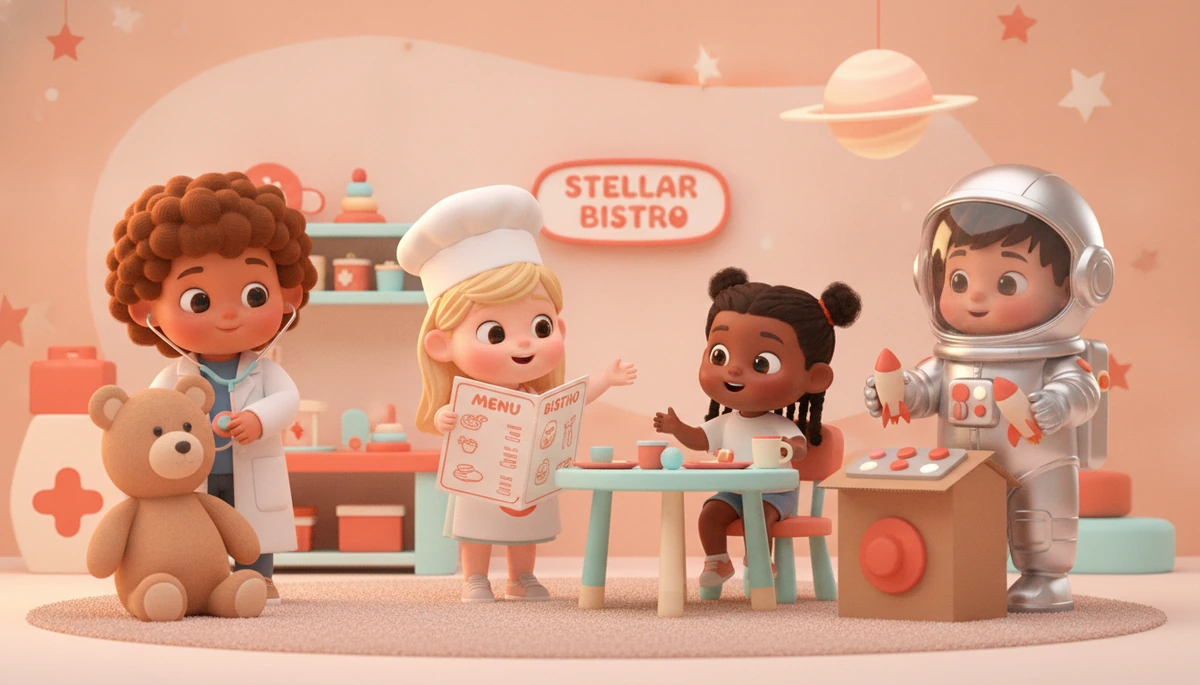
Role-play and pretend play are not just fun activities for children but powerful tools for developing social-emotional learning (SEL) skills. Through imaginative play, children explore different roles, practice communication, and learn emotional regulation. Role play activities for kids can serve as a deliberate SEL practice, enhancing their ability to understand and express emotions, develop empathy, and solve problems creatively.
In This Guide
- The 3-Step Role-Play Method: Discover the structured approach to effective role-play.
- Doll and Stuffed-Animal Play: Learn how toys can enhance emotional skills.
- Role-Playing Tough Conversations: Scripts for navigating tricky social situations.
- When Pretend Play Stops Being SEL Practice: Understand the transition and what comes next.
The Importance of Role-Play in SEL
Role-play allows children to step into others' shoes, providing a safe environment to experiment with social interactions and emotions. According to Vygotsky, pretend play is crucial in the zone of proximal development, where children advance their learning by imitating and practicing what they've observed in others 2. This aligns with Bandura’s Social Learning Theory, which emphasizes the role of modeling in learning new behaviors 1.
Pretend play emotional development is significant as it helps children process feelings and situations they encounter daily. For instance, when children enact a story where a character is sad because they lost a toy, they practice identifying and discussing emotions, leading to better emotional regulation. This process of understanding and expressing emotions forms the foundation of SEL, allowing children to become more adept at handling real-life social interactions.
In my practice, I've seen how pretend play can transform a child's ability to empathize. For example, a child who regularly engages in role-play scenarios where they care for a hurt animal often shows increased sensitivity and concern for peers who are upset or in distress.
Implementing Role-Play Activities
Creating a Role-Play Environment
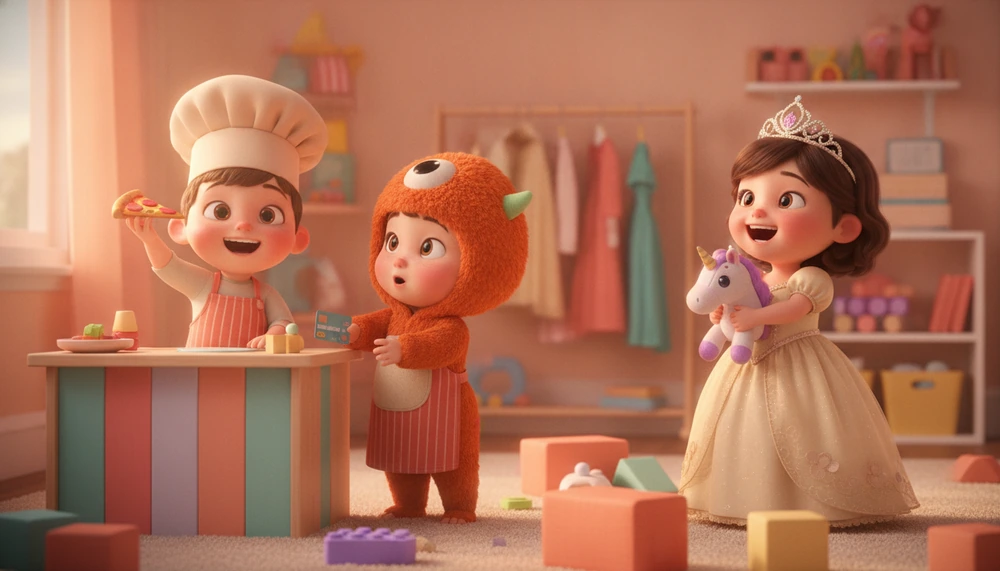
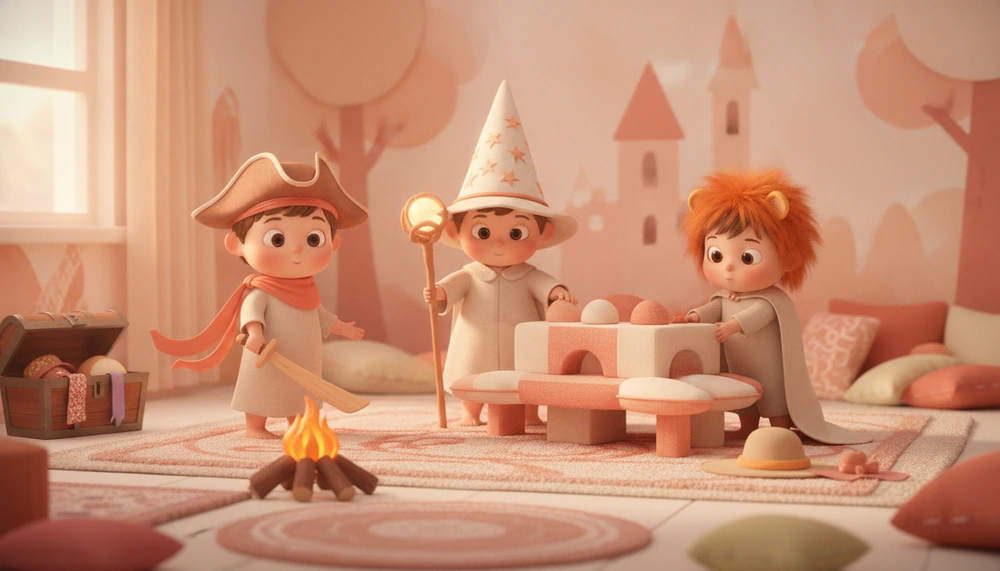
Setting up a conducive environment is the first step in implementing role-play activities. Designate a specific area with props and costumes that encourage imagination. This area should be flexible, allowing children to transform it into various settings, such as a grocery store or a doctor's office.
Example: Imagine setting up a mini restaurant with menus, play food, and a cash register. Children can take turns being the chef, customer, and cashier, practicing language skills and turn-taking.
- Variety of Props: Include items like hats, scarves, and simple costumes.
- Flexible Space: Use furniture that can be easily moved to create different scenarios.
- Inclusive Themes: Choose themes that reflect diverse cultures and experiences.
Creating such environments not only enhances the play experience but also allows children to explore various social roles and settings. By having a diverse array of props and themes, children can engage in role-play that mirrors the world around them, promoting better social awareness and empathy.
Role-Play Scripts for Social Situations
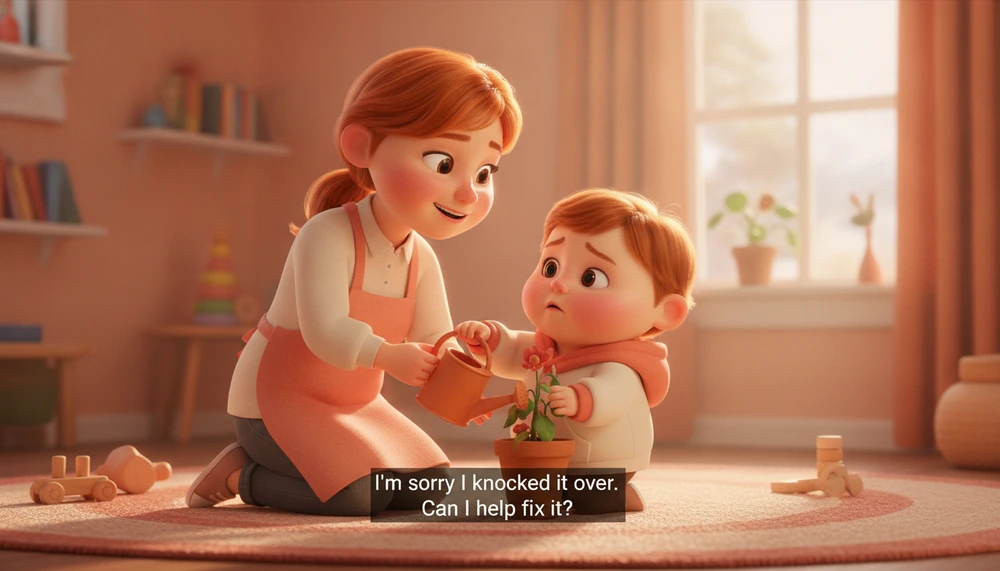
Scripts can guide children through complex social interactions. These scripts provide a framework for children to understand and practice conversations around topics like apologies, asking for help, or saying no effectively.
Example Script: Apologizing
- Situation: Jamie accidentally bumps into a friend and makes them drop their book.
- Scripted Dialogue: “I’m sorry I bumped into you. I didn’t mean to make you drop your book. Can I help you pick it up?”
Using scripts helps children anticipate various outcomes and understand the nuances of verbal and non-verbal communication. This practice not only aids in immediate interactions but also builds a foundation for future social encounters.
In my practice, I've seen many parents use role-play scripts to help their children prepare for new social settings, like starting a new school. The familiarity gained from these rehearsals can significantly reduce anxiety and build confidence in real-world interactions.
To make these scripts more effective, it's beneficial to incorporate elements that are relevant to the child's everyday life. For example, using a script about sharing toys can be directly applicable during playdates, helping children to navigate these experiences with more ease.
The 3-Step Skill-Transfer Protocol
Step 1: Replay
Begin with a simple scenario where children are familiar with the roles and settings. Encourage them to mimic behaviors they have observed or experienced. This step is about building confidence through repetition.
Step 2: Variation
Introduce changes to the scenario to encourage flexibility. For example, if the original scenario was ordering food at a restaurant, vary it by introducing a new element like a forgotten order.
Step 3: Real-Life Application
Finally, support children in applying what they've learned in real-life contexts. This might involve encouraging them to order their meal at an actual restaurant or initiate a conversation with a peer.
Example: A child practices ordering at a play restaurant, then applies these skills during a family outing.
The 3-Step Skill-Transfer Protocol is designed to scaffold learning by gradually increasing the complexity of scenarios. This method ensures that children not only practice skills in a controlled environment but also feel equipped to transfer these skills to real-world situations. By repeatedly engaging in role-play with varying levels of complexity, children gain confidence and adaptability.
Benefits of Pretend Play for Emotional Development
Pretend play is a cornerstone of emotional development, allowing children to explore, express, and manage emotions. Lillard’s research highlights that pretend play fosters creativity, problem-solving, and emotional understanding, which are essential for SEL 3.
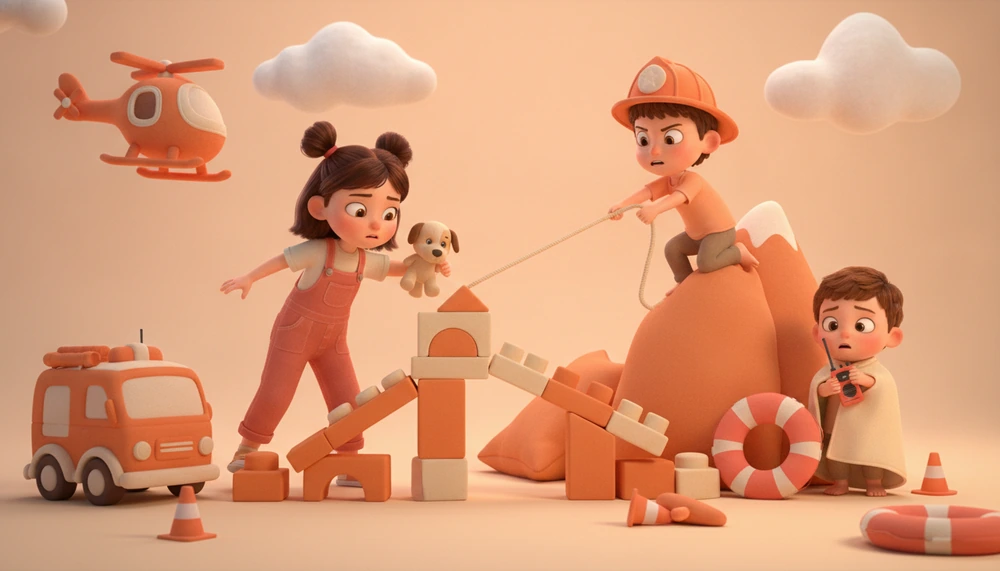
Example: During a pretend rescue mission, children might express bravery, fear, and relief. These experiences help them label and process emotions.
Role of Adults: Adults can facilitate these play sessions by joining in, asking open-ended questions, and modeling positive behaviors.
In my practice, I've observed that when adults participate in pretend play by modeling emotional responses or guiding discussions, children are more likely to engage deeply with the experience. This active participation helps children to better understand complex emotions and to see modeled behaviors they can emulate.
Advanced Techniques in Role-Play
For older children, role-play can become more sophisticated, integrating advanced SEL concepts like negotiation and empathy. This involves more complex scenarios and encourages deeper reflection.
Negotiation Role-Play
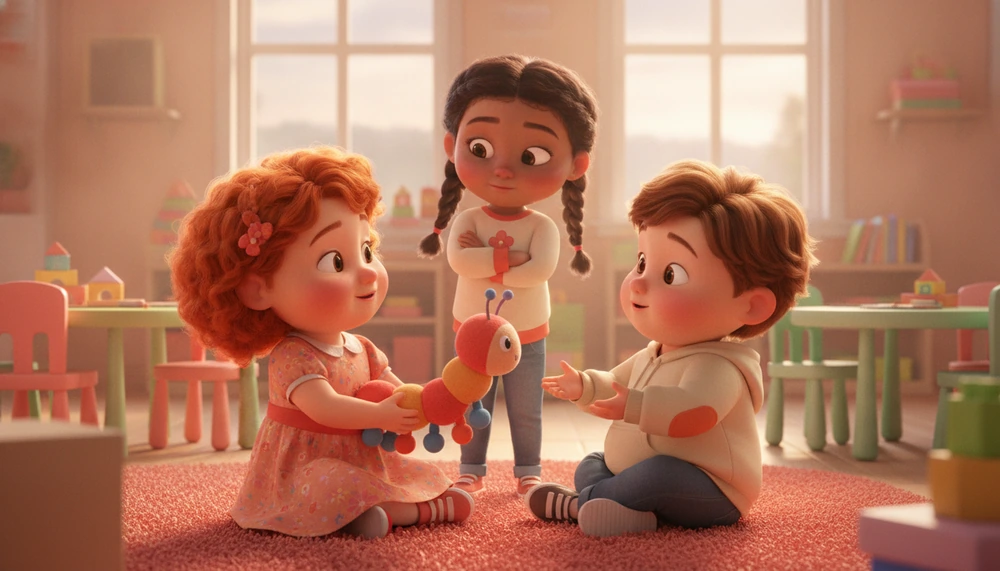
- Scenario: Two friends want the same toy.
- Activity: Facilitate a discussion where they negotiate sharing the toy or taking turns.
Empathy Building: Use role reversal, where each child experiences the other's perspective, to deepen empathy.
Example: During a class project, students role-play different perspectives in a debate, fostering understanding and collaboration.
Advanced role-play activities can be particularly beneficial in classroom settings, where children are exposed to diverse perspectives and are encouraged to consider the feelings and viewpoints of others. Such activities promote a collaborative environment and help children develop critical thinking skills as they negotiate and resolve conflicts.
Incorporating Role-Play with Other SEL Tools
Role-play can be seamlessly integrated with other SEL tools like social stories, emotion wheels, and visual schedules. For example, using a social story before a role-play session can set the stage and provide context.
Example: A child reads Adam Learns to Pause and Play: A Social Story to understand taking breaks during play. They then role-play scenarios where they practice pausing during intense play sessions.
Integrating these tools allows for a more comprehensive approach to SEL. By linking role-play with other strategies, children can see how these practices interconnect, reinforcing their learning and understanding of emotional and social concepts.
Conclusion
Role-play and pretend play are invaluable tools in the SEL toolkit, offering children opportunities to explore emotions, practice communication, and build empathy. By structuring play activities deliberately, parents and educators can enhance their children’s social-emotional growth, preparing them for real-world challenges.
References
Try It This Month
Reading is the easy part. Skills build through small, repeated practice — here's a low-pressure plan you can try with your child.
- 1Set up a role-play cornerDay 1Designate a space at home for role-play with props and costumes. This helps children engage in diverse scenarios, enhancing SEL skills.👉 What this looks likeCreate a small corner in the living room with a box of hats, scarves, and homemade props like cardboard phones. Encourage your child to transform this space into different settings, such as a pirate ship or a grocery store. This approach invites creativity and provides a dedicated area for imaginative play.
- 2Practice an apology scriptDay 3Teach your child a simple apology script. Practicing apologies helps them understand empathy and responsibility.use this story →👉 What this looks likeRole-play a scenario where your child accidentally knocks over a sibling's tower of blocks. Guide them to say, 'I'm sorry I knocked over your tower. Can I help rebuild it?' This practice encourages empathy and problem-solving in social situations.
- 3Role-play a negotiationDay 5Facilitate a role-play session where children negotiate sharing a toy. This builds negotiation and empathy skills.in the SocialBlossom app →👉 What this looks likeSet up a scenario with two children wanting the same toy. Encourage them to discuss, 'How about we take turns using it for 10 minutes each?' This exercise teaches them the value of compromise and understanding each other's perspectives.
- 4Integrate a social storyThis weekendUse a social story to introduce a new role-play scenario, linking storytelling with practice.Adam Learns to Pause and Play →👉 What this looks likeBefore a play session, read 'Adam Learns to Pause and Play' together. Discuss the story, then role-play a game where they practice taking breaks, mirroring the story's lessons. This helps connect narrative understanding with active play.
- 5Host a role-play playdateOnce this monthInvite friends over for a themed role-play session, encouraging social interaction and shared learning.in the SocialBlossom app →👉 What this looks likeOrganize a 'Superhero Day' where each child chooses a superhero to portray. Provide capes and masks for costumes, and set up a mission scenario. This event fosters teamwork and imagination, allowing children to practice social skills in a group setting.
Frequently Asked Questions
What are the benefits of role play activities for kids?
How can pretend play support emotional development?
What are some examples of role play scripts for kids?
How can I set up a role-play environment at home?
What is the 3-step skill-transfer protocol in role play?
Can adults participate in children's role-play activities?
How do role-play activities fit with other SEL tools?
References