Emotional Regulation Strategies for Children with ADHD: A Comprehensive Guide

Understanding Emotional Regulation in ADHD
Emotional regulation is a core challenge for children with ADHD. Unlike what some might think, it's not just a side effect but a primary feature of ADHD itself. As Dr. Hallowell points out, emotional dysregulation is central to the ADHD experience 1. Understanding this can help parents reframe their child's emotional outbursts not as misbehavior, but as difficulties in managing overwhelming feelings.
Research highlights that children with ADHD often experience emotions more intensely than their peers. This heightened sensitivity can lead to what is known as rejection sensitive dysphoria (RSD), where the fear of rejection can trigger intense emotional reactions 3. This emotional intensity can make everyday tasks, such as school assignments or social interactions, more challenging for children with ADHD. They may react explosively to small setbacks, perceiving them as significant failures. Understanding these reactions as part of their emotional landscape can shift parental responses from frustration to empathy.
The 30% Delay Rule: Developed by Dr. Barkley, this guideline suggests that children with ADHD are emotionally about 30% behind their peers in development 2. This perspective helps parents adjust their expectations and provides a more compassionate lens through which to support their children. For instance, a 10-year-old child with ADHD may emotionally function more like a 7-year-old, needing additional support and patience.
In This Guide
- Rejection Sensitive Dysphoria (RSD) in Kids: What Parents Often Miss
- Discover how RSD impacts kids and strategies to support them.
- The 30% Rule: Why ADHD Kids Are Behind on Emotional Regulation
- Learn about developmental delays in emotional regulation for ADHD kids.
- ADHD Meltdowns: Why They Look Different (and What Helps)
- Understand the unique nature of ADHD meltdowns and effective interventions.
- When ADHD and Anxiety Overlap: A Parent's Guide
- Explore the common co-occurrence of ADHD and anxiety in children.
Emotional Dysregulation and Its Impact
Big Feelings and ADHD
Children with ADHD often experience emotions like anger, frustration, or sadness more intensely, which can lead to emotional dysregulation. This intensity means they might have stronger reactions to everyday situations, often described as "big feelings." These emotions can be overwhelming for both the child and the parent.
In my practice, I've seen many parents initially confused by their child's intense reactions to seemingly minor incidents. For example, a small change in daily routine might trigger a meltdown. Understanding that this is part of the emotional landscape of ADHD can shift the focus from frustration to empathy. Parents often find that by acknowledging their child's feelings and providing reassurance, they can help the child navigate these intense emotions more effectively.
Rejection Sensitive Dysphoria
RSD is a term used to describe the extreme emotional sensitivity and pain triggered by the perception of rejection or criticism. For children with ADHD, even a slight hint of disapproval can result in an emotional storm. As Dr. Dodson notes, this sensitivity is not about being "overly emotional" but reflects a genuine neurological response 3.
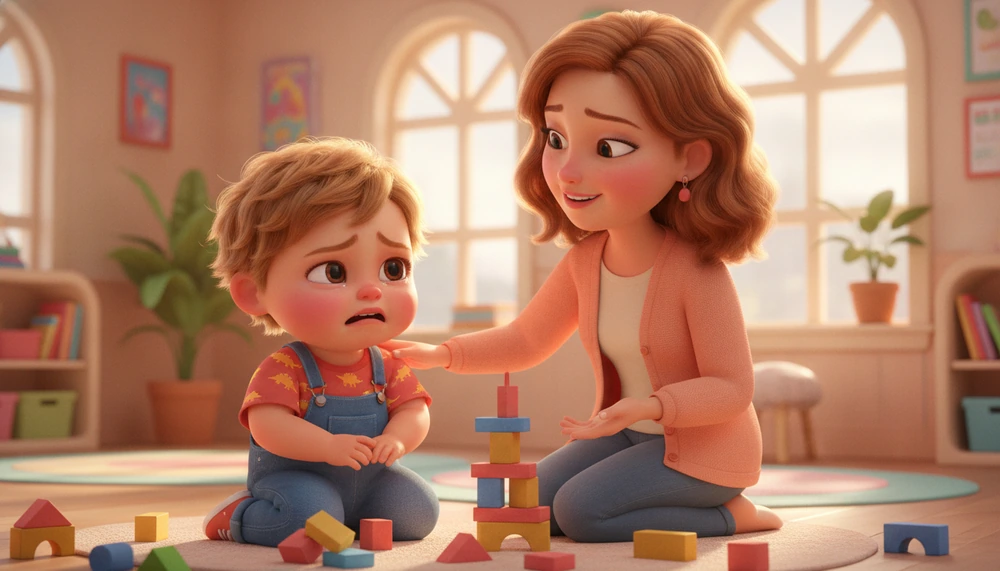
Imagine this scenario: Maya, a 9-year-old with ADHD, is told by her teacher that her handwriting needs improvement. Though meant constructively, Maya perceives it as harsh criticism, leading to an emotional outburst. Understanding RSD helps parents and teachers frame feedback in a supportive way, reducing the emotional fallout.
The Role of Self-Awareness
Self-awareness is another critical component of emotional regulation. Children with ADHD may struggle to identify and understand their emotions. This lack of self-awareness can exacerbate emotional dysregulation, as they may not recognize their emotions until they have already escalated.
Parents can support self-awareness by encouraging children to express their feelings and helping them label their emotions. For instance, using a feelings chart can be an effective tool. When a child appears upset, parents might say, "Can you show me how you're feeling on the chart?" This practice not only aids in emotion identification but also promotes a dialogue about feelings, which is fundamental to SEL.
Strategies for Supporting Emotional Regulation
Building Self-Management Skills
Self-management is a key aspect of Social-Emotional Learning (SEL) that involves regulating one's emotions and behaviors. For children with ADHD, developing these skills can be particularly beneficial. According to CASEL, self-management includes managing stress, controlling impulses, and setting goals 5.
One effective technique is to teach children breathing exercises to help manage stress and anxiety. Simple techniques like "dragon breaths"—where a child inhales deeply and exhales slowly like a dragon breathing fire—can be both fun and calming. Social stories like Dragon Breaths to Calm Down can provide a playful framework for practicing these skills.
Practice Through Play
Play is an excellent medium for children with ADHD to practice self-management. Activities such as role-playing scenarios or engaging in cooperative games can reinforce these skills. For example, a game of "Simon Says" can teach impulse control, while role-playing can help children practice responding to different social cues.
These activities also provide opportunities for parents to model self-management. During a game, a parent might say, "I felt frustrated when I lost, but I took a deep breath. Let's try again!" This models a healthy response to setbacks and encourages children to do the same.
Enhancing Executive Functioning
Executive function skills are crucial for planning, focusing attention, remembering instructions, and juggling multiple tasks. These skills often lag in children with ADHD, contributing to their emotional dysregulation 2. Parents can support the development of these skills through structured routines and visual schedules.
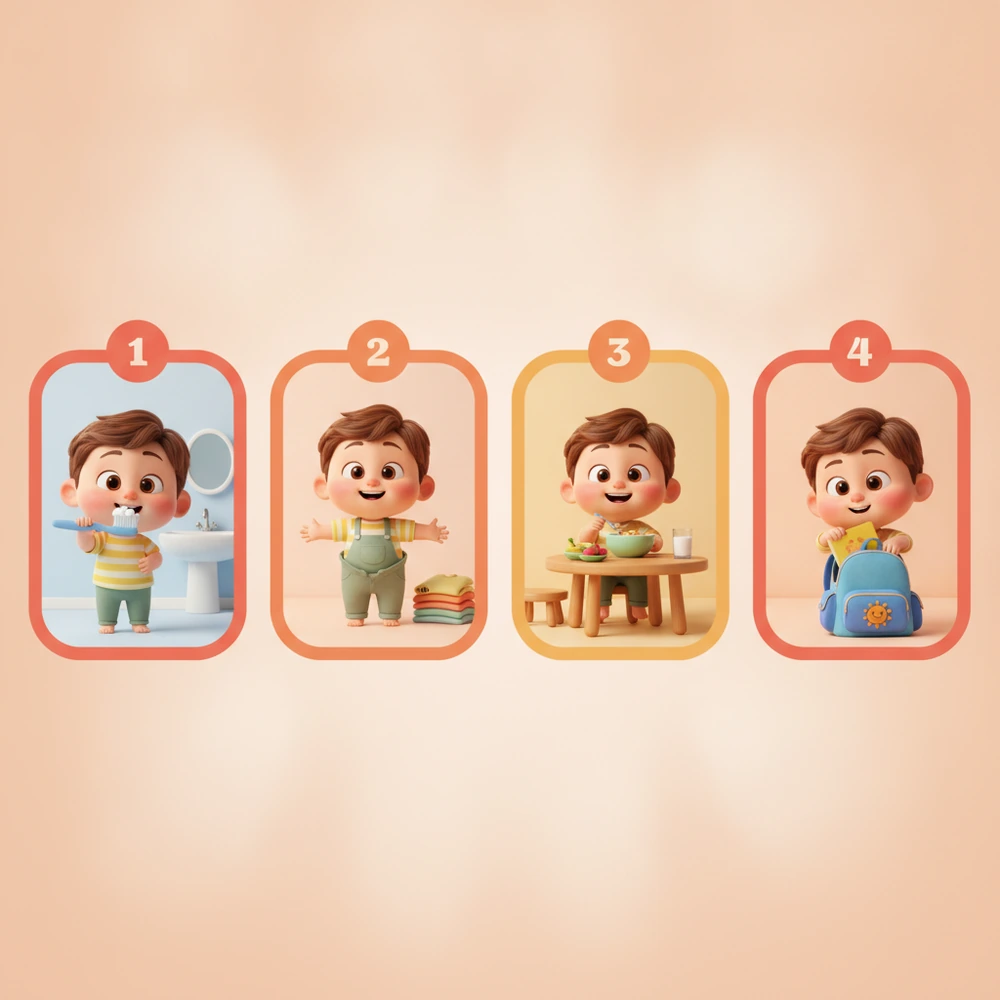
Consider creating a morning routine chart. Break down each task into small, manageable steps, and use visual aids to remind your child of the sequence. For example, a chart might include images of brushing teeth, getting dressed, and packing a backpack in order. This not only aids memory but also reduces the anxiety associated with transitions.
Real-Life Example: Morning Routine
Imagine this: It’s a typical school day morning. Your child struggles to get ready on time, often feeling overwhelmed. Implementing a visual schedule can transform this chaotic routine. Start with a simple chart: "First, we brush our teeth (picture of a toothbrush). Next, we get dressed (picture of clothes)." As your child completes each step, they can place a sticker on the chart. This turns a stressful time into a series of small victories, boosting both confidence and executive functioning.
Navigating the Intersection of ADHD and Anxiety
Understanding the Overlap
It's common for children with ADHD to also experience anxiety. This combination can amplify emotional dysregulation, making everyday challenges feel insurmountable. Understanding this overlap is crucial for parents seeking to support their children effectively.
Picture this: Alex, a 7-year-old, feels anxious about an upcoming school presentation. His ADHD makes it hard for him to organize his thoughts, which heightens his anxiety. By recognizing this intersection, parents can help Alex plan his presentation step by step, reducing his stress and building his confidence.
Co-Regulation: A Collaborative Approach
Co-regulation involves adults providing support to help children manage their emotions. It's a collaborative process where parents model calmness and help their children navigate emotional storms. During a meltdown, a parent's soothing presence can be a powerful tool.
Example: During a supermarket visit, your child becomes overwhelmed by the noise and activity. Instead of reacting to their distress, try co-regulating by kneeling to their level and saying, "I see this is a lot right now. Let's take deep breaths together." This approach validates their feelings and provides a pathway to emotional regulation.

Building Trust Through Consistent Support
Consistency is key in supporting a child with ADHD and anxiety. Regularly practicing co-regulation and other strategies helps build trust between the parent and child. This trust is crucial as it reassures the child that they have a reliable support system.
In my practice, I've observed that children who experience consistent support in managing their emotions often develop greater resilience over time. For instance, a family I worked with established a "calm down corner" at home, where the child could retreat and practice self-regulation techniques. Over time, this child learned to approach the corner independently, using it as a resource to manage their emotions.
Tools and Resources for Parents
Utilizing Social Stories
Social stories are a powerful tool for helping children understand and manage their emotions. They provide relatable scenarios and coping strategies in a narrative format. For example, Cool Down: Fun Ways to Calm Angry Feelings offers engaging scenarios that teach children how to manage anger constructively.
Apps and Interactive Tools
Interactive tools, like the SocialBlossom app, can offer engaging ways to practice emotional regulation skills. Apps often include stories, games, and exercises designed to help children develop self-management and emotional awareness.
Building a Support Network
Creating a support network can be invaluable for parents of children with ADHD. This network might include teachers, therapists, and other parents who understand the challenges of ADHD. Joining support groups or online forums can provide a platform for sharing experiences and strategies.
Conclusion
Supporting children with ADHD in emotional regulation is a journey that involves understanding, patience, and empathy. By leveraging SEL strategies, parents can help their children build critical skills for managing emotions, leading to improved well-being and relationships. Encouragingly, as children develop these skills, they often become more resilient, capable of handling life's challenges with greater ease and confidence.
References
- Hallowell, E. & Ratey, J. (2021). ADHD 2.0 — emotional dysregulation as core ADHD.
- Barkley, R. (2012). Executive Functions: What They Are, How They Work, and Why They Evolved. Guilford.
- Dodson, W. (2017). Emotional Regulation Disorder & Rejection Sensitivity in ADHD. ADDitude Magazine.
- Brackett, M. (2019). Permission to Feel — Yale RULER.
- CASEL.org — Self-Management competency definition.
Try It This Month
Reading is the easy part. Skills build through small, repeated practice — here's a low-pressure plan you can try with your child.
- 1Start a Daily Breathing ExerciseDaily, 5 minIntroduce a simple breathing exercise, like "dragon breaths," to practice daily with your child to manage stress.use this story →👉 What this looks likeEach evening before bed, sit with your child and introduce "dragon breaths." Say, "Let's pretend we're dragons. Big inhale through the nose, and exhale slowly like we're breathing fire." Do this together, modeling slow, deep breaths. This routine can help them wind down and manage stress.
- 2Create a Visual Routine ChartWeekend activityDesign a visual chart for daily routines to help your child manage transitions smoothly.👉 What this looks likeSpend a weekend morning creating a visual chart for your child's morning routine. Include pictures for each task, like brushing teeth or getting dressed. Place it where they can see it daily. This visual aid helps them understand and anticipate each step, reducing morning chaos.
- 3Practice Co-Regulation TechniquesOnce a weekEngage in co-regulation by modeling calm behavior during your child's emotional moments.👉 What this looks likeDuring a moment of your child's frustration, calmly say, "Let's sit together and take a few deep breaths." Model those breaths for them. If they resist, simply sit quietly and breathe. The presence and your calmness will help them learn to self-regulate through observation.
- 4Use Social Stories for Emotional UnderstandingTwice a weekRead social stories with your child to explore emotions and reactions together.use this story →👉 What this looks likeChoose a social story like "Cool Down: Fun Ways to Calm Angry Feelings" and read it with your child. After reading, discuss what the characters might feel and how they handle their emotions. This helps your child relate and learn from the stories.
- 5Join a Parent Support GroupThis monthConnect with other parents of children with ADHD to share experiences and strategies.👉 What this looks likeFind a local or online support group for parents of children with ADHD. Attend a meeting and share your experiences. This community can offer valuable insights and emotional support, making the journey of parenting a child with ADHD less isolating.
- 6Introduce a "Calm Down Corner" at HomeThis weekendSet up a designated space where your child can practice self-regulation techniques independently.👉 What this looks likeFind a quiet corner in your home and set it up as a "calm down corner" with soft pillows, a small tent, or calming toys. When your child feels overwhelmed, guide them to this space and suggest, "Let's take a moment here to breathe or read a calm book."
- 7Model Self-Regulation DailyDailyDemonstrate self-regulation by narrating your emotional management in daily situations.👉 What this looks likeWhen you feel stressed, narrate your response: "I dropped the milk, and I'm frustrated. I'm taking a deep breath to calm down." This models how to handle stress and can encourage your child to emulate these behaviors in their own life.
Frequently Asked Questions
What is emotional dysregulation in ADHD?
How does rejection sensitive dysphoria affect children with ADHD?
What are some strategies to help children with ADHD improve emotional regulation?
How can parents use social stories to help manage ADHD symptoms?
Why is it important to understand the overlap between ADHD and anxiety?
How can building a support network benefit parents of children with ADHD?
References
- Hallowell, E. & Ratey, J. (2021). ADHD 2.0 — emotional dysregulation as core ADHD.
- Barkley, R. (2012). Executive Functions: What They Are, How They Work, and Why They Evolved. Guilford.
- Dodson, W. (2017). Emotional Regulation Disorder & Rejection Sensitivity in ADHD. ADDitude Magazine.
- Brackett, M. (2019). Permission to Feel — Yale RULER.
- CASEL.org — Self-Management competency definition.