Celebrating Father's Day: The Emotional Work of Great Dads

This article is part of our complete guide to Major Days for SEL Families: Mother's, Father's, World Autism, Disabilities Day. As Father's Day approaches, it’s a perfect moment to celebrate not just the presence of fathers, but the unseen emotional labor many dads undertake. This labor is pivotal in raising emotionally healthy children and aligns with key social-emotional learning (SEL) competencies.
What 'Emotional Work' Actually Means in Parenting
Emotional work in parenting goes beyond the tangible tasks like changing diapers or attending school events. It's about engaging in the relational and emotional aspects of child-rearing. This includes being attuned to a child's emotions, practicing empathy, and nurturing emotional intelligence. Dads who engage in emotional work help their children develop crucial SEL skills such as self-awareness and emotional regulation.
Many fathers excel at this. They might not always be the ones leading the PTA, but they excel in the daily nuances of emotional support. For example, one dad I worked with made it a point to ask his daughter open-ended questions about her feelings each night, fostering a safe space for emotional expression.
Engaging in such emotional work helps children feel seen and understood, which is critical for developing a strong sense of self-awareness. This foundational SEL skill enables children to recognize their own emotions and understand how those emotions affect their behavior. Moreover, fathers who model emotional work teach their children valuable lessons in empathy. By actively listening and providing emotional validation, they demonstrate how to respect and understand others' feelings, which is essential for building positive relationships.

5 SEL Practices Great Dads Model
- Active Listening: Great dads don't just hear—they listen. They take the time to understand their child's feelings and thoughts.
- Empathy Building: By showing empathy, dads teach their children to understand and respect others' perspectives.
- Emotional Regulation: Dads who manage their emotions effectively demonstrate self-management, a key SEL skill.
- Conflict Resolution: These dads model how to resolve disagreements calmly and constructively.
- Encouraging Independence: By supporting children to make their own decisions, dads foster responsible decision-making skills.
A Scripted Dialogue Example
Instead of saying, "Stop crying," a dad might say:
- "I see you're upset that the toy broke. That's hard. I'm here if you want to talk about it."
This approach validates the child's feelings and opens up space for emotional growth.
These practices are not just theoretical; they have practical impacts. Many parents find that a father's active listening can transform a child's confidence. One father regularly set aside "talk time" with his son, where his son could express anything on his mind without judgment or interruption. Over time, this not only improved their relationship but also significantly boosted the child's self-esteem and communication skills.
Activities Kids Can Do to Honor Emotional Dads
Celebrating Father's Day can be a family bonding experience. Here are some activities children can do to honor their dads:
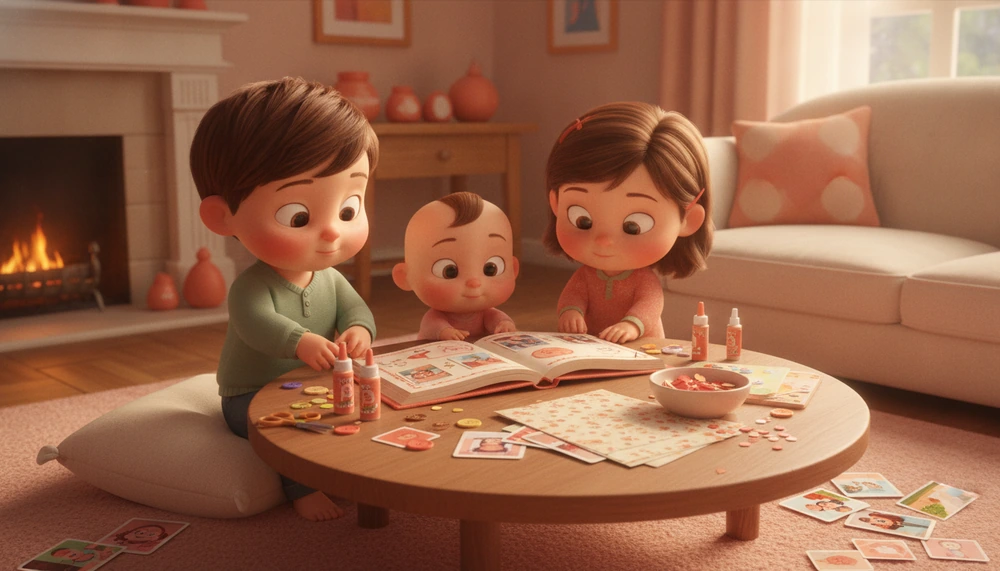
- Create a Memory Book: Fill it with photos and notes about special times shared.
- Plan a Family Activity: Engage in something dad loves, such as hiking or board games.
- Write a Thank You Note: Encourage kids to express gratitude for the emotional support their dad provides.
- Gift a Social Story: Use Let's Build a Mud House Together! - Social Story PDF to show appreciation for teamwork and collaboration.
Consider organizing a family talent show where each member performs something special for dad. This not only entertains but also allows children to express their creativity and appreciation in a unique way. The act of performing or showcasing a talent can be a powerful gesture of love and acknowledgment of a dad's emotional support.
Father's Day for Kids Whose Dads Are Absent, Estranged, or Grieving
Father's Day can be challenging for children whose dads are not present. It's important to validate these feelings and provide alternative ways to honor this day.
Supporting Other Relationships: Encourage children to write letters or draw pictures for a grandfather, uncle, or family friend who plays a supportive role.
Real-life Script
"It's okay to feel sad today. Let's talk about who else is important in our lives and how we can celebrate them."
In situations where a father is absent, it is crucial to focus on the existing positive relationships in a child’s life. Children often flourish when they nurture bonds with other supportive adults. One example is a young girl who celebrated Father's Day by spending time with her uncle, who had always been a constant source of encouragement and love.
Step-dad and Chosen-dad Celebrations
Recognizing the role of step-dads and chosen dads is equally important. These figures often provide emotional support and guidance.
- Plan a Special Day: Organize an activity that highlights the unique bond shared.
- Create a Personalized Gift: Something that reflects shared interests or memories.
Step-dads and chosen dads often navigate complex family dynamics, which makes their emotional contributions even more significant. Planning a day that acknowledges these efforts can strengthen family bonds and help children appreciate the diverse forms of fatherly support.

Helping Your Child Make a Meaningful Gesture
Empower children to make gestures that reflect their feelings. This not only honors their dad but also helps children practice SEL skills like empathy and relationship building.
- Encourage Homemade Gifts: These gifts can be more meaningful than store-bought ones.
- Facilitate a Heartfelt Conversation: Guide your child to express their appreciation verbally.
In-my-practice Moment
Many families find value in crafting simple but meaningful gestures. One child wrote a poem for their step-dad, highlighting moments where he made them feel loved and supported.
Another family I worked with developed a tradition of writing thank-you notes on Father's Day. Each family member would write a note expressing gratitude for specific instances of emotional support throughout the year. This practice not only celebrated the father’s contributions but also encouraged children to reflect on their own experiences and feelings.

The Honest Review: Dads and Emotional Labor
Research indicates that involved fathers positively influence their children's social and emotional development 1. However, societal expectations often overlook the emotional contributions of fathers.
A study by Cabrera et al. found that children's social skills improved significantly with active father involvement 1. Another study by Gottman highlights the importance of fathers in fostering emotional intelligence in children 2.
Fathers who are actively involved in their children's lives contribute significantly to their development, beyond just providing financially or materially. Children with emotionally involved fathers often tend to have better self-regulation skills and demonstrate greater empathy towards peers. Celebrating these contributions is essential not just on Father's Day, but throughout the year.
References
1 Cabrera, N. et al. (2018). Why father involvement matters: a multi-method study. Pediatrics. Retrieved from https://pubmed.ncbi.nlm.nih.gov/
2 Gottman, J. (1997). Raising an Emotionally Intelligent Child. Retrieved from https://www.gottman.com/
Try It This Week
Reading is the easy part. Skills build through small, repeated practice — here's a low-pressure plan you can try with your child.
- 1Create a Memory BookThis weekendWork with your child to create a memory book filled with photos and notes about special times shared with their dad.use this story →👉 What this looks likeGather your child and a stack of family photos. Sit together at the kitchen table and start by asking, 'What do you remember about this day?' Encourage your child to write a short note or draw a picture next to each photo. This turns into a collaborative activity that honors dad and builds family stories.
- 2Plan a Family ActivityOnce this weekChoose an activity your family enjoys and plan to do it together, focusing on strengthening your family bond.👉 What this looks likeInvite your child to help plan a family picnic. Ask, 'What snacks should we bring? What games would be fun?' Let them take part in decision-making processes, promoting independence and teamwork. This shared experience emphasizes collaboration and joy.
- 3Write a Thank You NoteDay 2-3Guide your child in writing a thank you note to their dad, highlighting specific instances of emotional support.👉 What this looks likeSit with your child and say, 'Let's think of a time when Dad really helped you feel better. What did he do?' Prompt them to write, 'Thank you for...'. This helps children focus on gratitude and recognize emotional contributions.
- 4Facilitate a Heartfelt ConversationDay 4Encourage your child to express their appreciation through a sincere conversation with their dad.👉 What this looks likeHelp your child start the conversation with, 'Dad, I really liked when you helped me with...' This practice builds communication skills and deepens emotional connections, reinforcing the child's confidence in expressing feelings.
- 5Create a Personalized GiftDay 5Help your child create a homemade gift that reflects shared interests or memories with their dad.👉 What this looks likeGuide your child in making a handcrafted card or a simple craft that reflects a shared hobby, like a model car if they build together. Say, 'What do you and Dad love doing together?' This personal touch shows thoughtfulness and appreciation.
Frequently Asked Questions
What is emotional work in parenting?
How can fathers model SEL skills?
What activities can children do for Father's Day?
How can children celebrate Father's Day if their dad is absent?
Why is celebrating step-dads important?
How can homemade gifts be meaningful?
References
