Celebrating Special Days with Neurodivergent Families: A Social-Emotional Learning Approach
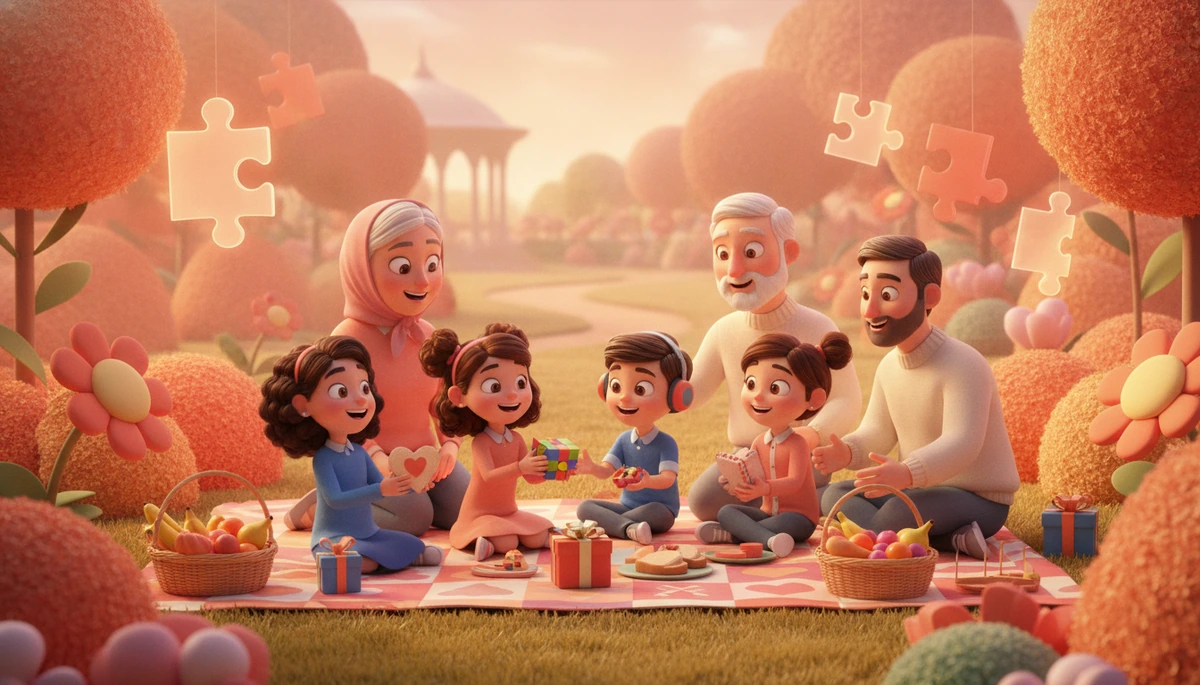
In This Guide
- World Autism Day (April 2): A Family Activity Guide — Discover meaningful activities to celebrate World Autism Day with your family.
- Mother's Day for Moms of Neurodivergent Kids: An Honest Take — Explore the unique challenges and joys of Mother's Day for moms of neurodivergent children.
- Father's Day SEL: Dads Who Do the Emotional Work — Learn how dads can engage in emotional work on Father's Day.
- International Day of Persons with Disabilities (Dec 3): A Family SEL Guide — Celebrate the day with activities focused on empathy and inclusion.
Celebrating World Autism Day (April 2)
World Autism Day, celebrated on April 2nd, offers an opportunity for families to raise awareness and understanding about autism. Established in 2007, this day is recognized worldwide to encourage a more inclusive society 1. For neurodivergent families, this day can be a chance to foster self-awareness and social awareness within their communities.
Making the Day Meaningful
On World Autism Day, consider activities that highlight the strengths and talents of individuals with autism. Storytelling can be powerful. Share stories about famous individuals with autism and their contributions to society.
Example: Celebrating Achievements
Imagine you're hosting a small gathering at home. You share a video of Temple Grandin, an autistic advocate, discussing her work in animal science. Discuss with your child how Grandin’s unique perspective has shaped her contributions. This not only boosts self-awareness but also fosters social awareness in understanding diverse abilities.

To deepen the experience, engage your child in a creative activity that aligns with their interests. For example, if they enjoy drawing, encourage them to create a piece of art inspired by an autistic individual's achievements. Discuss the emotions and thoughts they express through their art, which can enhance their self-awareness.
Community Engagement
Involving your community in World Autism Day can broaden understanding and acceptance. Host a community event or participate in local Autism Awareness activities. Use social stories to prepare your child for these events, which can help manage expectations and reduce anxiety. Consider creating a community mural that showcases the talents of neurodivergent individuals, inviting both neurodivergent and neurotypical children to contribute. This not only builds community but also promotes social awareness and empathy.
Honoring Mothers on Mother's Day
Mother's Day is a time to appreciate the nurturing role of mothers. However, for moms of neurodivergent kids, it can be a complex day filled with mixed emotions. Using self-management and relationship skills can help navigate these feelings.
Acknowledging Emotional Complexity
Mother's Day often brings societal expectations of perfect families. But for many, it can be a reminder of challenges and unmet expectations. In my practice, I've seen mothers face feelings of guilt and burnout on this day. It's essential to acknowledge these emotions and find ways to celebrate that are authentic to your family.

Example: Creating a Personal Celebration
Instead of a traditional brunch, plan a day that reflects your family's unique dynamics. Spend the day doing activities your child enjoys, like hiking or crafting. This creates a genuine celebration without the pressure of societal norms.
Consider starting a new tradition, such as planting a tree or creating a family time capsule. These activities can symbolize growth and unity, reinforcing relationship skills.
Embracing Fatherhood on Father's Day
Father's Day provides a platform to recognize the emotional contributions of dads, especially those engaging in responsible decision-making and emotional labor. Celebrating this day with activities that emphasize these roles can be meaningful.
Celebrating Emotional Labor
Fathers often engage in behind-the-scenes emotional work that goes unnoticed. Acknowledge this effort by planning activities that highlight emotional connections, such as sharing a social story about teamwork or empathy.

Example: Emotional Connection Activities
Plan a day of teamwork games with your child. Use the Teamwork Makes Tasks Easier - Printable Social Story to introduce activities. Discuss how working together strengthens your bond. Reflect on the day by creating a "Dad and Me" scrapbook, capturing moments of teamwork and shared emotions.
Recognizing the International Day of Persons with Disabilities (Dec 3)
This day, celebrated on December 3rd, emphasizes the importance of inclusion and accessibility for all individuals 2. For families, it's an opportunity to discuss social awareness and relationship skills, fostering an inclusive environment.
Promoting Inclusion in Daily Life
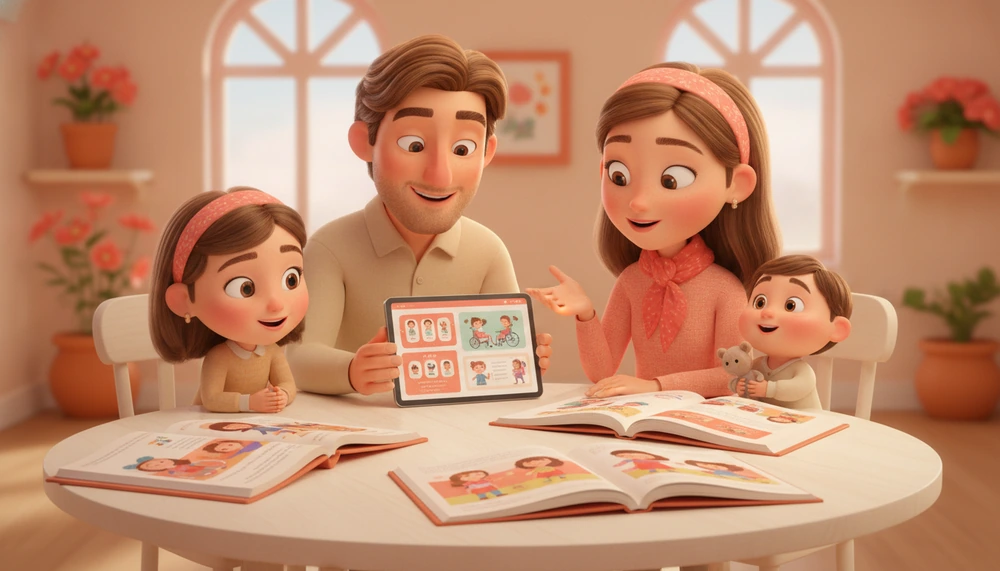
Discuss with your family how you can make your surroundings more inclusive. This might involve learning about accessibility needs or volunteering with organizations focused on disability advocacy. Use social stories to help your child understand these concepts.
Example: Family Discussions on Inclusion
Have an open family discussion about disabilities. Use resources like Understanding Our Feelings with Renzo - Social Story PDF to explore feelings and empathy towards those with disabilities. Encourage each family member to share their thoughts or experiences, fostering a deeper understanding and empathy.
Creating a Kind World on World Kindness Day
World Kindness Day is about spreading kindness and fostering social awareness. Engage in family activities that encourage empathy and kindness towards others.
Acts of Kindness
Plan small, achievable acts of kindness as a family. This could be writing thank-you notes or volunteering locally. These activities not only foster kindness but also build relationship skills.

Example: Kindness Jar
Create a "Kindness Jar" where each family member writes down acts of kindness they observe or receive. Review the notes together weekly to discuss how these acts impacted your family and others. This practice not only strengthens family bonds but also encourages a culture of kindness and gratitude.
In my practice, I've seen families who regularly engage in acts of kindness report increased empathy and emotional resilience in their children. The simple act of recognizing kindness can transform family dynamics.
References
1 Autism Speaks/UN. (2007). World Autism Awareness Day est. 2007 (UN A/RES/62/139). 2 The Compassionate Friends. Grief on holidays. Retrieved from compassionatefriends.org Gottman, J. (1997). Raising an Emotionally Intelligent Child.
Try It This Month
Reading is the easy part. Skills build through small, repeated practice — here's a low-pressure plan you can try with your child.
- 1Celebrate a Neurodivergent HeroDay 1Research a famous autistic person's achievements with your child and discuss their impact.👉 What this looks likeBegin by watching a documentary or reading a book about Temple Grandin with your child. Afterward, sit together and discuss what you both learned. Ask questions like, 'What do you admire about Temple Grandin?' and 'How does her story inspire you?' This not only boosts self-awareness but also encourages an appreciation for diverse perspectives.
- 2Create a Family Time CapsuleThis weekendMake a time capsule reflecting your family's unique journey. Open it next Mother's Day.👉 What this looks likeGather as a family to select items that symbolize your current experiences and joys. Include drawings, letters, or small mementos. Encourage each family member to contribute something meaningful. Bury the capsule in the backyard or store it safely, planning to revisit it in a year. This strengthens family bonds and provides a tangible way to reflect on growth.
- 3Plan a Teamwork Game DayDay 5Organize a day dedicated to games that require teamwork and collaboration.Teamwork Makes Tasks Easier - Social Story →👉 What this looks likeSet up a series of backyard games like a three-legged race or a trust fall activity. Use the 'Teamwork Makes Tasks Easier' social story to introduce the idea of working together. Discuss how each game requires different skills and how everyone contributes uniquely to the team's success.
- 4Host an Inclusion DiscussionDay 10Have a family talk about inclusion and accessibility using social stories.Understanding Our Feelings with Renzo - Social Story →👉 What this looks likeUse the 'Understanding Our Feelings with Renzo' social story as a starting point. Sit together and read the story, then ask each family member to share a time they felt included or excluded. Discuss what you can do as a family to support inclusion in your community. This promotes empathy and social awareness.
- 5Start a Kindness ChallengeDaily, 5 minEncourage family members to perform acts of kindness daily for a week.👉 What this looks likeCreate a chart to track each act of kindness performed by family members. These can be simple, like helping with chores or writing a thank-you note. Discuss these acts at the end of the week, reflecting on how they impacted each person and the family as a whole. This cultivates empathy and gratitude.
- 6Reflect with a Kindness JarWeeklyCreate a 'Kindness Jar' to collect moments of kindness observed by family members.👉 What this looks likeEach week, gather as a family to add new notes to the jar. Each note should describe an act of kindness someone witnessed or received. At the end of the month, review the notes together, discussing how these acts made you feel and what you learned. This reinforces the importance of kindness and strengthens family ties.
- 7Document Family SEL MomentsOnce a weekKeep a journal of social-emotional learning moments each family member experiences.👉 What this looks likeEncourage each family member to jot down a moment where they felt they learned something about their emotions or social interactions. Share these moments during a family meeting, discussing what each experience taught you. This practice enhances self-awareness and relationship skills by reflecting on personal growth and family dynamics.
Frequently Asked Questions
What are some activities for World Autism Day?
How can I make Mother's Day special for a neurodivergent family?
What are some ways to celebrate Father's Day with a focus on SEL?
How can we promote inclusion on the International Day of Persons with Disabilities?
What is a simple kindness activity for families?
References