Harnessing the Power of First-Then Boards for Children
What is a First-Then Board?
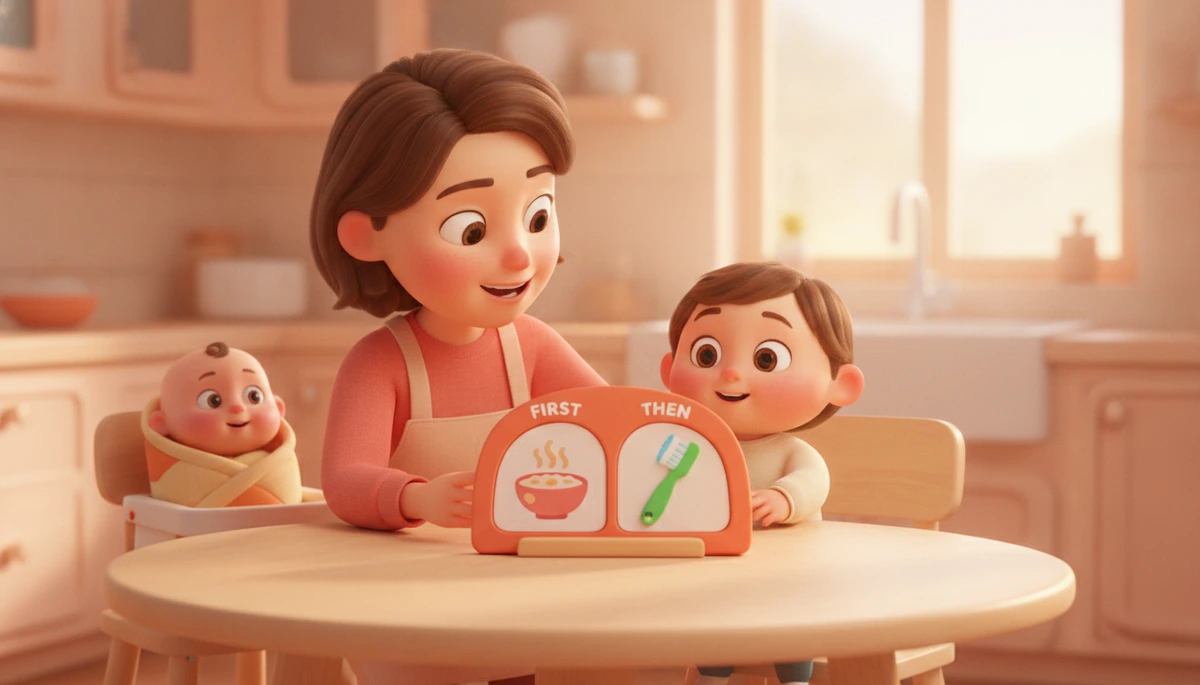
A first-then board is a simple visual tool consisting of two sections: one labeled "First" and the other "Then." It helps children understand what activity they need to do first and what comes next. This basic structure is particularly beneficial for children who thrive on predictability and routine.
In my practice, I've seen many parents find success with first-then boards, especially for children who may feel overwhelmed by a full schedule. The simplicity of the board reduces anxiety and makes transitioning between tasks smoother.
Moreover, first-then boards are not just limited to children with specific needs. They can be advantageous for any child learning to navigate daily routines. The board empowers children by giving them a sense of control and clarity over their activities, enhancing their self-management skills.
Why Simplicity Beats Complexity
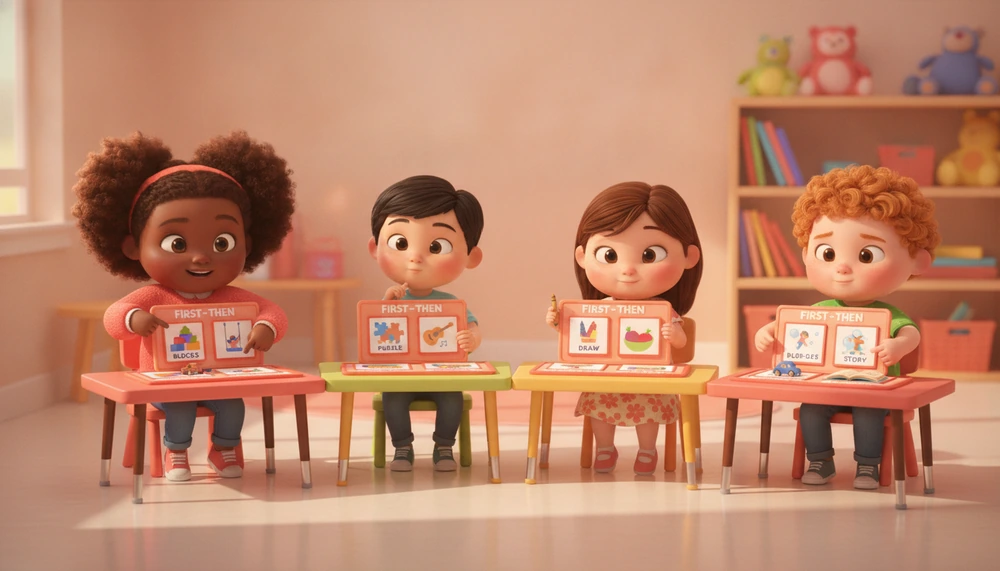
Research shows that simple visual supports are often more effective for young children and those with neurodivergent conditions like autism 1. The SCERTS Model underscores the importance of predictable routines in fostering emotional regulation [C1]. A first-then board's straightforward design allows children to focus on immediate tasks without being distracted by a longer list.
Self-awareness is another crucial aspect enhanced by first-then boards. When children see their tasks visually represented, it helps them recognize their abilities and limitations. This awareness can gradually improve their confidence and willingness to engage in new activities.
Example: Morning Routine
Imagine your child, Alex, struggles with morning routines. Instead of listing every task, you use a first-then board: "First, brush teeth. Then, have breakfast." Alex finds it easier to concentrate on brushing teeth without worrying about what's next.
5 Use Cases for First-Then Boards
- Transitions Between Activities
- Ideal for moving from playtime to bedtime.
- Homework Time
- Helps children break down tasks: "First, do math. Then, play outside."
- Mealtimes
- Useful for picky eaters: "First, eat veggies. Then, dessert."
- Bedtime Routine
- Simplifies the process: "First, put on pajamas. Then, read a story."
- Public Outings
- Eases anxiety: "First, visit the doctor. Then, go for ice cream."
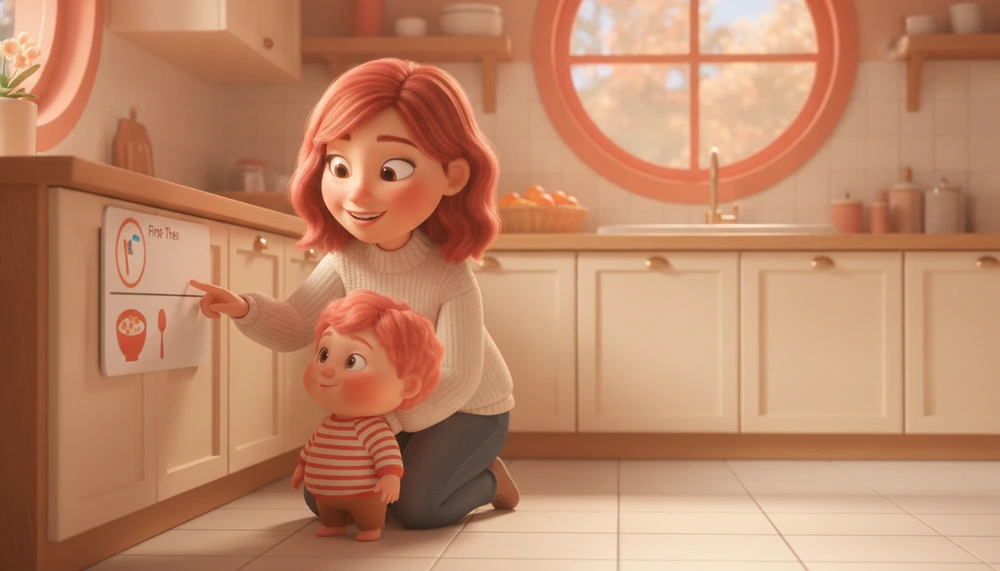
These scenarios demonstrate the board's versatility. Parents often find that the clear structure helps children manage expectations and reduces resistance.
Social awareness is fostered as children learn to anticipate and respect shared activities, which can strengthen family dynamics. For example, using a board during mealtimes not only aids the child but also harmonizes the family routine.
When to Use First-Then vs Full Visual Schedule
While first-then boards are excellent for many situations, a full visual schedule might be necessary for more complex routines. First-then boards work best for:
- Young children who need simple instructions
- Specific transitions or short sequences
A full visual schedule is better when:
- The child needs to see the entire day's activities
- More detailed planning is required, such as during vacation trips
In My Practice: Gradual Transition
In my practice, I've seen families start with a first-then board for daily routines and slowly add more tasks. One family added "First, clean up toys. Then, snack time. Later, screen time." This gradual expansion helped their child adjust without feeling overwhelmed.
The transition from a first-then board to a full schedule can be an excellent way to introduce responsible decision-making. As children become more adept at managing simple tasks, they can gradually take on more responsibility, fostering independence.
Common Mistakes with First-Then Boards
One common mistake is using the board as a form of bribery, such as "First, clean your room. Then, get a treat." This approach can undermine the board's purpose by shifting focus to rewards rather than routine.
Instead, use intrinsic motivations: "First, finish homework. Then, let's play your favorite game together." This reinforces positive behavior without external rewards.
Another mistake is not updating the board regularly. Keeping the board static can lead to disengagement. Regular updates ensure the board remains relevant and engaging, contributing to the child's relationship skills as they learn to communicate their preferences and needs.
Free Download: Blank + Filled First-Then Templates
To help you get started, we've created free downloadable templates for first-then boards. These include both blank templates and filled examples to inspire your own designs. Download here.
Using these templates can be a stepping stone towards creating a personalized system that evolves with your child’s needs and preferences.
References
1 Prizant, B. et al. (2006). The SCERTS Model.
[C1] Prizant, B. et al. (2006). The SCERTS Model
[C2] Gray, C. (2010). The New Social Story Book (Future Horizons)
Try It This Week
Reading is the easy part. Skills build through small, repeated practice — here's a low-pressure plan you can try with your child.
- 1Create a Morning Routine BoardDay 1Start with a simple morning routine board. It sets the day’s tone and helps establish a calming start.👉 What this looks likeOn Monday morning, set up a first-then board: 'First, get dressed. Then, enjoy breakfast.' Place it in the kitchen. Discuss it with your child while preparing breakfast. Use phrases like, 'Let's see what's first today!' to integrate the board into the morning chat.
- 2Use a Board for HomeworkDay 2-3Streamline homework time with a board to break down tasks, reducing overwhelm and improving focus.👉 What this looks likeAfter school on Tuesday, set a board: 'First, finish math homework. Then, playtime.' Use it right after snack time when your child is transitioning from school mode to home mode. Encourage them by saying, 'Let's tackle math first, then you can choose a game!'
- 3Introduce Mealtime BoardsThis weekendHelp picky eaters by structuring mealtimes with a board. It encourages trying new foods.👉 What this looks likeDuring Saturday dinner, use a board: 'First, try a vegetable. Then, dessert.' Make it a fun challenge: 'Let's see which veggie we try today!' Encourage your child by adding small rewards like a sticker for trying new foods, emphasizing the experience over the reward.
- 4Plan a Public Outing BoardOnce this weekPrepare your child for outings with a board to manage expectations and reduce anxiety.👉 What this looks likeBefore a doctor's visit on Thursday, set a board: 'First, visit the doctor. Then, ice cream treat.' Discuss the plan during breakfast to set expectations, saying, 'Remember, after the doctor, we get ice cream!' This sets a positive tone for the outing.
- 5Experiment with Bedtime BoardsDailySimplify bedtime by using a board to create a calm, predictable routine.👉 What this looks likeEvery night, set a board: 'First, put on pajamas. Then, storytime.' Place it in the bedroom where your child can see it. During bedtime, say, 'Okay, pajamas first, then we get to choose a story!' This structure helps wind down the day smoothly.
Frequently Asked Questions
What age is appropriate to start using first-then boards?
Can first-then boards be used for teenagers?
How often should I update a first-then board?
Are first-then boards effective for neurotypical children?
What if my child ignores the board?
References