Navigating Cliques and Social Dynamics for Kids Aged 8-11
Why Cliques Peak at 8-11
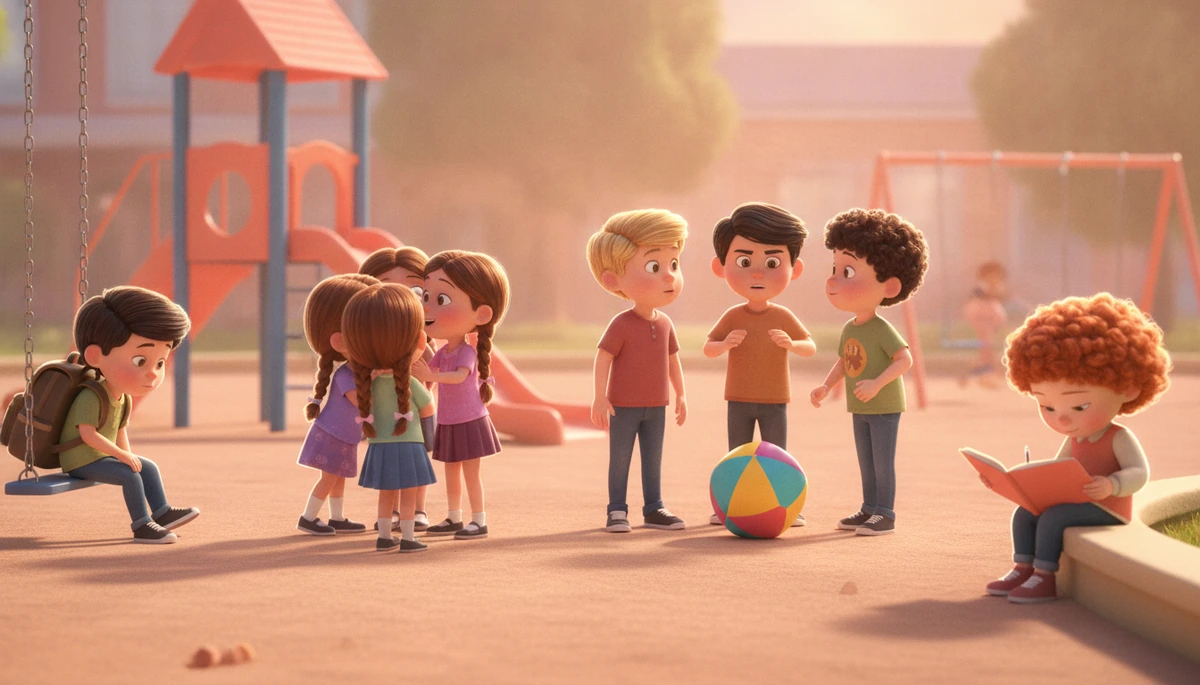
As children reach the ages of 8-11, they begin to form more complex social structures, often manifesting as cliques. This is a critical developmental stage where children seek to establish their social identity and a sense of belonging. According to Selman’s stages of friendship, this period reflects a shift from egocentric to more reciprocal relationships, where children start to value the opinions and feelings of their peers 1. This need for belonging is a fundamental part of their social-emotional learning (SEL), as it helps them develop self-awareness and social awareness.
Children at this age begin to understand and explore their place within peer groups, often leading to the formation of tight-knit friend circles or cliques. These groups can provide a sense of security and identity but can also lead to exclusion and social hierarchies. Understanding these dynamics is crucial for parents who want to support their children through this challenging yet formative phase.
Example: Imagine a child, Alex, who finds comfort in a group of friends who all share a love for soccer. This clique helps Alex feel part of a team, boosting his confidence and self-esteem. However, when the group starts to exclude others who aren't as skilled in soccer, Alex faces a dilemma. Here, parents can guide Alex to understand the value of inclusivity and empathy, reinforcing these SEL competencies.
What's Normal vs Concerning
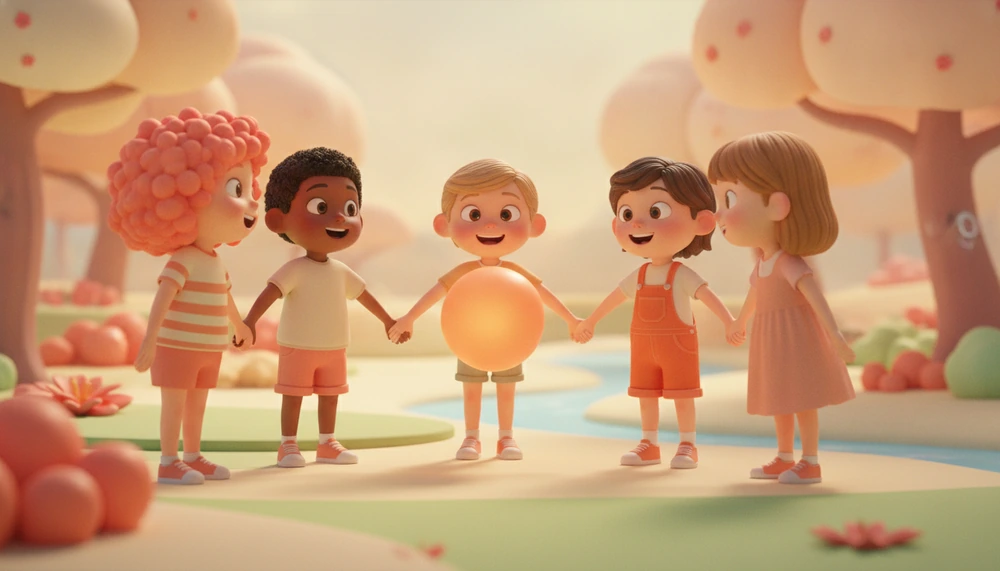
During this age, it's normal for children to experience fluctuating friendships. They may have best friends today and shift to new ones tomorrow. Normal behaviors include:
- Forming small groups based on shared interests
- Having disagreements and making up
- Seeking peer approval
However, certain behaviors may warrant a closer look, such as:
- Persistent exclusion or bullying
- Extreme distress over friendship issues
- Avoidance of social situations
In my practice, I've seen many parents worry when their child is left out of a group. It's important to distinguish between temporary setbacks and patterns that might need more attention. For example, if a child frequently avoids social situations and expresses fear or anxiety about school, it might be time to have a deeper conversation with them and possibly involve school guidance counselors.
When Your Kid Is Left Out
Being left out can be painful for children, but it also presents an opportunity to develop resilience and empathy. Encourage your child to express their feelings and help them brainstorm ways to navigate these challenges. You might say:
- "I see you're upset about not being included. Let's talk about what happened."
- "How do you think you could approach this situation next time?"
Example Scenario: Imagine your child comes home upset because they weren't invited to a classmate's birthday party. Sit with them and say, "I know it hurts to be left out. Let's think about some fun things we can do together tomorrow or maybe plan a get-together with a friend you enjoy." This approach helps them feel heard and supported, encouraging them to manage their emotions and think about positive alternatives or solutions.
For more on supporting children in these scenarios, consider exploring our Sharing Toys with Friends Social Story.
When Your Kid IS the Leaver-Out
Sometimes, your child might be the one excluding others. This can be an uncomfortable situation but is an important learning opportunity. Discuss the value of inclusivity and empathy. You might approach it like this:
- Acknowledge: "I noticed that you and your group didn't include Jamie today. Can we talk about that?"
- Explore: "How do you think Jamie felt? How would you feel in his place?"
- Guide: "Let's think about ways we can make everyone feel included."
Scripted Dialogue:
- Parent: "Why do you think it's important to include everyone?"
- Child: "Because it makes them feel good."
- Parent: "Exactly, and it helps us make more friends too."
In my practice, I've seen children who learn to include others develop stronger leadership and cooperation skills. They become more empathetic and are often seen as positive role models by their peers.
Helping the Lonely-Only-Friend Kid
Some children prefer one-on-one interactions and may struggle with larger groups. Encourage them to develop their relationship skills by maintaining a few close friendships and gradually expanding their social circle. One-on-one playdates can be a great starting point to help them feel more comfortable.
Example: Picture Maya, who often plays alone at recess. Her parents encourage her to invite one friend over for a playdate, fostering a deeper connection. Over time, Maya feels more confident in group settings. This gradual exposure helps her build social confidence and develop important social skills, which are key components of SEL.
Talking to School About Social Dynamics
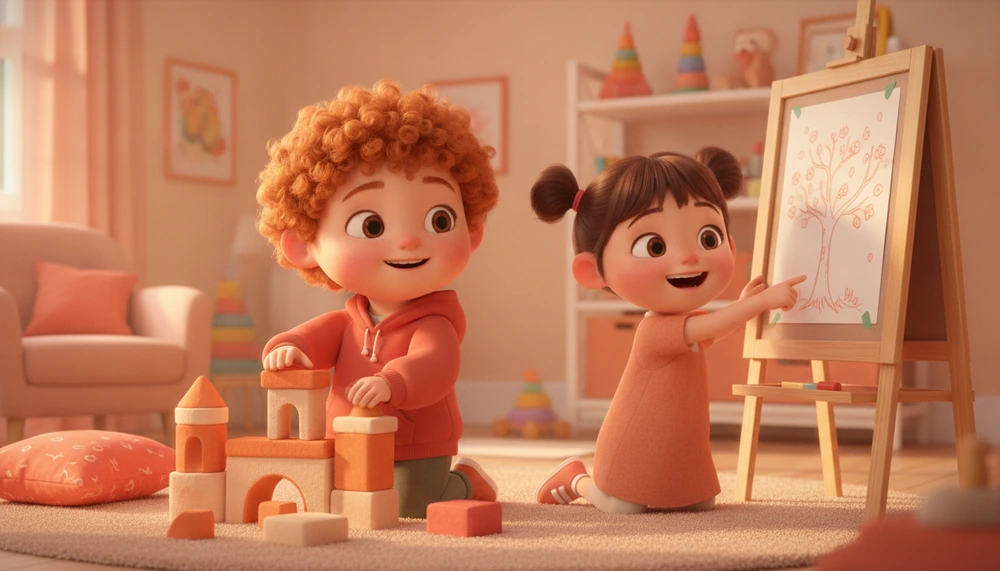
If your child is struggling with cliques and social dynamics, collaborating with their school can be invaluable. Schools can provide resources like guidance counselors and peer support programs. Here’s how to approach the conversation:
- Prepare: List specific incidents and concerns to discuss.
- Communicate: Arrange a meeting with the teacher or counselor.
- Collaborate: Work together on strategies to support your child, such as introducing social stories Say Hello, Make a Friend! Printable Social Story.
Example: A parent notices their child, Sam, is increasingly withdrawn and reluctant to attend school. They schedule a meeting with Sam's teacher and the school counselor. During the meeting, they discuss Sam's social interactions and collaboratively develop a plan that includes regular check-ins with a peer buddy and the use of social stories to practice social scenarios. This proactive approach helps Sam feel more supported and gradually improves his social interactions.
When Friend Turnover Is Healthy
Friendships naturally change as children grow. It's healthy for children to explore different friendships, which helps them learn about themselves and others. Encourage your child to see change as a positive opportunity for growth.
In my practice, I've observed that children who are able to adapt to changing friendships tend to develop stronger self-management and decision-making skills over time. Supporting them through these transitions is key. For instance, when a child like Emma finds herself in a new friend group, her parents encourage her to reflect on what she enjoys about her new friends and what she misses from her previous friendships. This reflection helps Emma become more self-aware and develop a balanced perspective on relationships.
References
1 Selman, R. (1980). The Growth of Interpersonal Understanding — friendship stages. Retrieved from Wikipedia
2 Brown, B. (2004). Adolescents' relationships with peers. In Handbook of Adolescent Psychology. Retrieved from PubMed
Try It This Week
Reading is the easy part. Skills build through small, repeated practice — here's a low-pressure plan you can try with your child.
- 1Spend time with different friendsDailyEncourage your child to engage with different peers each day to develop flexibility in friendships.use this story →👉 What this looks likeAfter school, suggest your child invite a different friend over for a short playdate each day of the week. Discuss each experience, asking, 'What did you enjoy about today?' This helps them appreciate diverse interactions.
- 2Model inclusivityThis weekendShow by example how to include others during family activities or outings.👉 What this looks likeDuring a family game night, make sure to ask everyone for their game choice, especially if someone seems left out. Say, 'We haven't heard from you yet, Jamie. What game do you want to play?' This models inclusivity and consideration.
- 3Discuss feelings openlyDay 1Create a safe space for your child to share their feelings about friendships.👉 What this looks likeAt dinner, start a conversation by saying, 'Let's share one good thing and one challenging thing that happened with friends today.' Encourage each family member to participate, showing that it's okay to have mixed emotions about friends.
- 4Role-play social scenariosThis weekUse role-play to practice how to handle being left out or including others.in the SocialBlossom app →👉 What this looks likeSet up a scenario where one family member pretends to exclude another. Pause and discuss, 'How does that feel? How can we change this situation?' Practice responses like, 'Can I join you?' or 'Let's invite Alex to play too.'
- 5Reflect on the weekDay 7End the week by reflecting on changes in friendships and feelings.👉 What this looks likeSit down with your child and ask, 'What was something new you learned about friends this week?' Encourage them to think about how they felt in different situations and what they might do differently next time.
Frequently Asked Questions
What age do cliques typically form?
How can I help my child if they are left out?
What should I do if my child is excluding others?
How can schools support children with social dynamics?
Is it normal for kids to change friends often?
References