Understanding Early Friendships: SEL Insights for Parents
When 'Best Friend' Becomes Meaningful (Around Age 6-7)
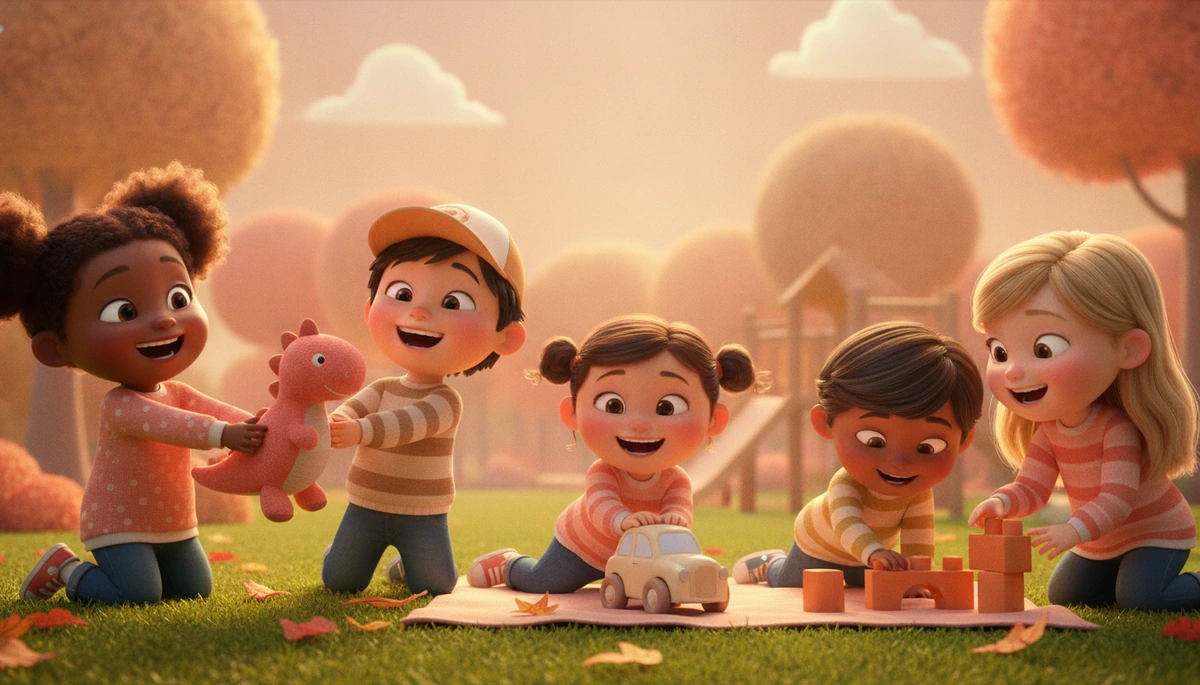
Children at the age of 6 to 7 begin to form the concept of a "best friend," a pivotal moment in their social-emotional development. During this stage, they start to understand relationships in a more nuanced way. Having a "best friend" often signifies the child's ability to form stronger, more exclusive bonds compared to earlier years.
This article is part of our complete guide to Early Elementary SEL (Ages 5-8), where we dive deeper into the social-emotional learning milestones typical for this age range.
Why Friendship is Important
Friendships at this age help children develop critical SEL skills like empathy, cooperation, and conflict resolution. These interactions are foundational for their emotional and social growth. As children navigate these relationships, they learn to express their feelings and understand the perspectives of others.
In My Practice: I've seen many children who, through friendships, learn to articulate their emotions better. For instance, a child might initially express frustration by saying, "I don't like you!" but over time, they learn to say, "I felt sad when you didn't play with me." This shift is significant in their social-emotional development.
Selman's Stage 2: Fair-Weather Friends
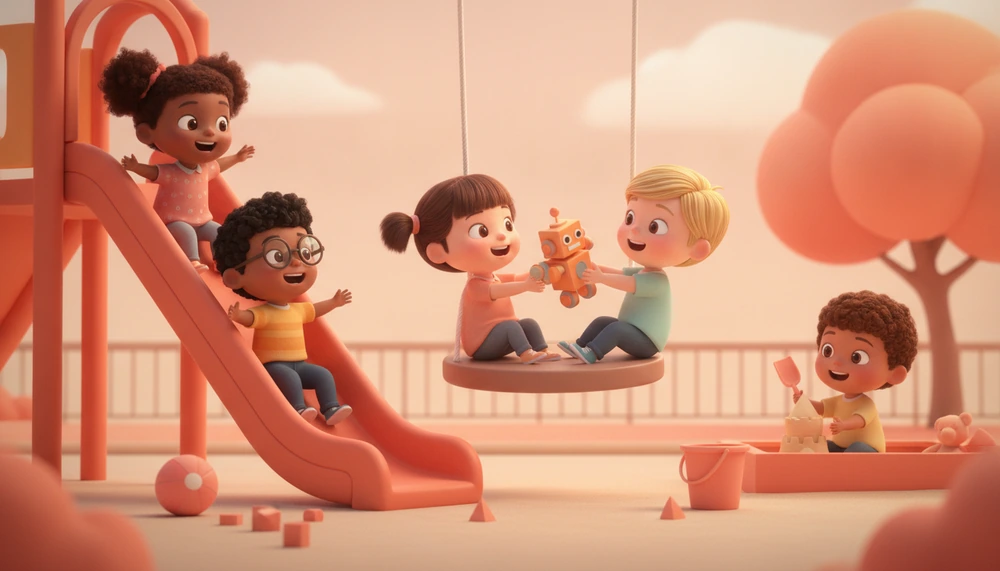
According to Selman's stages of friendship development, children in this age group typically experience what is known as "fair-weather friendships" 1. At this stage, friendships are often based on shared interests and activities. Kids are drawn to peers who enjoy similar games or hobbies, and these bonds can be quite fluid.
Understanding Fair-Weather Friends
Children might say, "You're not my friend anymore," when disagreements occur. These statements often reflect the temporary nature of friendships at this stage. Understanding these dynamics can help parents guide their children through the ups and downs of early friendships.
Example: Imagine your child, Lily, comes home upset because her friend Emma didn't want to play the same game. Explain to Lily that it's normal for friends to have different interests sometimes, and that's okay.
- Encourage Empathy: Ask your child, "How do you think Emma felt when you wanted to play something else?"
- Promote Problem-Solving: Suggest, "What game could you both agree on next time?"
Selman's Stage 3: Mutual Sharing Emerging
As children approach 8 years old, they transition into Selman's stage 3, where mutual sharing becomes more prominent in friendships 1. This stage involves recognizing that friendships require more give-and-take, and children begin to appreciate the feelings and needs of their friends.
Encouraging Mutual Sharing
At this stage, kids begin to understand the value of sharing and reciprocity in relationships. Encouraging activities that promote these skills, like group projects or team sports, can be beneficial.
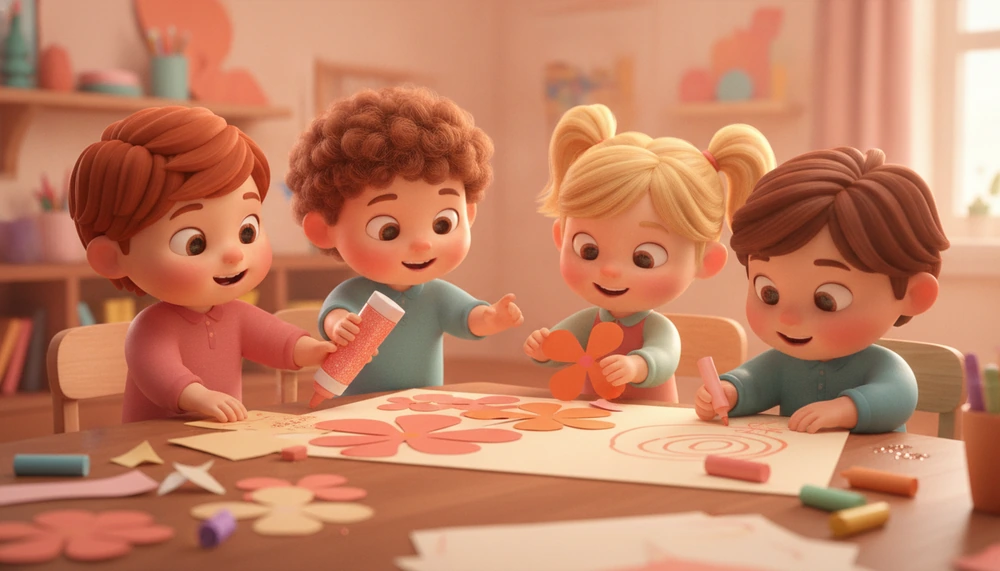
In My Practice: I've seen many parents foster these skills by organizing playdates where children can practice sharing and teamwork. For instance, setting up a small art project can encourage kids to work together and share materials. I've also observed that children, when given the chance to collaborate, often come up with creative solutions to share resources, like taking turns or dividing tasks.
The "I'm Not Your Friend" Meltdown
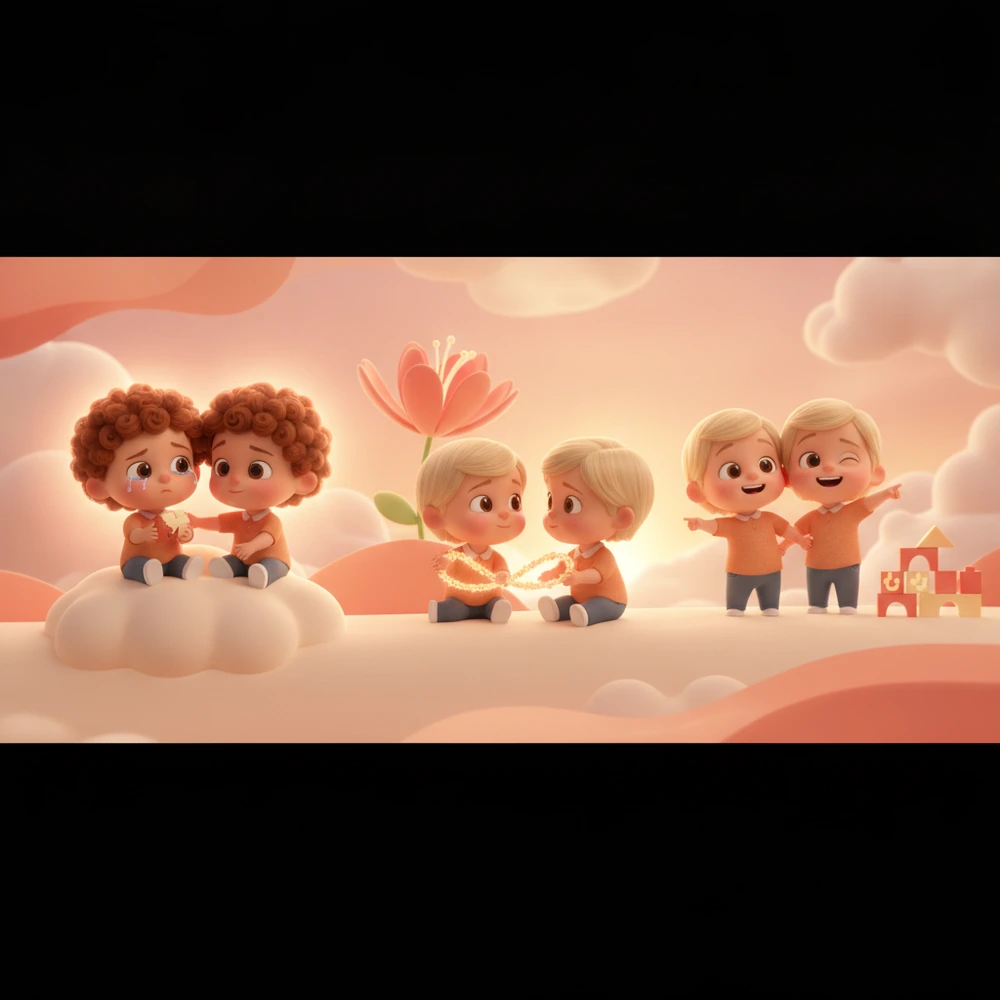
One of the most challenging aspects of friendships at this age is handling conflicts. The phrase "I'm not your friend anymore" can be distressing for both children and parents.
Script for Parents
When your child faces such a meltdown, it’s crucial to provide support and understanding. Here's a script that might help:
- Validate Feelings: "I see you're upset because your friend said they don't want to play with you. That can feel really hard."
- Encourage Communication: "Have you talked to your friend about how you feel? Maybe you can say, 'I felt sad when you said you didn't want to play with me. Can we talk about it?'"
- Reframe the Situation: "Sometimes friends say things they don't mean because they're upset. Let's think of ways to make things better."
Example: Picture this: Your child, Max, is in tears because his friend didn't share a toy. You sit down with Max and say, "Let's talk about what happened. How did you feel when your friend didn't share?" Encourage Max to express his feelings and think about how he might approach his friend to resolve the issue.
Multi-Friend Friendships vs One BFF
At this age, children often oscillate between having multiple friends and focusing on one "best friend forever." Both scenarios offer unique benefits and challenges.
Balancing Friendships
Encourage your child to maintain a balance between having one close friend and multiple friendships. This helps them learn diverse social skills and reduces the pressure on any single relationship.
Example: Suggest to your child, "Why not invite both Alex and Jamie to play? That way, you can all have fun together!" This also prevents the exclusivity that sometimes leads to jealousy or feelings of exclusion.
- Promote Inclusivity: Encourage your child to include others in play. "Let's find a game everyone can play together."
- Build Diverse Skills: Explain how different friends can teach different games and skills.
Jealousy + Exclusion at Age 6-8
Jealousy and exclusion are common issues that arise within friendships at this age. Children may feel left out if their friend plays with someone else.
Managing Jealousy
Teach your child to express their feelings constructively. Encourage them to talk about their feelings rather than acting out.
Scripted Dialogue: If your child is feeling jealous, you might say, "It's okay to feel upset if you see your friend playing with someone else. You can tell them, 'I felt left out when I saw you playing together. Can we all play next time?'"
Example: During a playdate, if your child, Sam, feels left out when his friend plays with another child, suggest saying, "I liked it when we all played together. Can we do that again?" This approach helps Sam express his feelings without creating conflict.
When to Intervene vs Let Kids Work It Out
Knowing when to step in and when to let children resolve their own conflicts is a delicate balance. It's important to allow them the opportunity to develop problem-solving skills while providing guidance when necessary.
Guidelines for Intervention
- Intervene if: The conflict involves aggression or bullying. In such cases, adult intervention is necessary to ensure safety and teach appropriate behavior.
- Let them work it out if: The disagreement is minor, like choosing a game to play.
In My Practice: I've observed that children often find creative solutions when given the chance to resolve minor disagreements on their own. Encourage your child to think of ways to compromise and find a mutually enjoyable activity. For instance, if two children argue over a toy, suggest they take turns or come up with a new game that incorporates the toy differently.
References
- Selman, R. (1980). The Growth of Interpersonal Understanding — friendship stages.
- Damon, W. (1977). The Social World of the Child — classic developmental.
Try It This Week
Reading is the easy part. Skills build through small, repeated practice — here's a low-pressure plan you can try with your child.
- 1Encourage EmpathyDaily, 5 minPrompt your child to consider others' feelings during play. This builds empathy.in the SocialBlossom app →👉 What this looks likeDuring playtime, ask your child to think about how their friend might feel. For example, if a friend is upset, say, 'How do you think Alex feels right now? What can we do to help?' This helps your child build empathy by considering others' perspectives.
- 2Promote Inclusive PlayThis weekendOrganize a playdate that encourages inclusivity. This fosters diverse social skills.use this story →👉 What this looks likeInvite a group of children to play a game that requires teamwork, like building a fort with cushions. Encourage your child to include everyone by saying, 'Let's make sure everyone has a role in building our fort!' This promotes inclusivity and teamwork.
- 3Model Conflict ResolutionDay 2-3Demonstrate how to resolve minor conflicts with peers.👉 What this looks likeWhen a minor disagreement arises, such as deciding what game to play, say, 'How about we play your game first, and then we can play mine?' Modeling this compromise shows your child how to resolve conflicts amicably.
- 4Teach Constructive ExpressionDailyGuide your child to express feelings constructively.👉 What this looks likeIf your child is upset because they feel excluded, help them articulate this by saying, 'I felt sad when I wasn't included. Can I join next time?' This teaches them to express feelings without aggression.
- 5Balance FriendshipsOnce this weekEncourage diverse friendships to reduce pressure on a single relationship.👉 What this looks likeSuggest your child spend time with different friends. Say, 'How about inviting both Sam and Mia to the park? Different friends can bring different kinds of fun!' This encourages your child to diversify their friendships.
Frequently Asked Questions
What are the stages of childhood friendship?
How can I help my child make friends?
When should I intervene in my child's friendships?
What if my child feels jealous of other friends?
How do friendships influence SEL development?
References