Supporting Social Emotional Learning in Early Elementary Years
Understanding Early Elementary Social Emotional Development
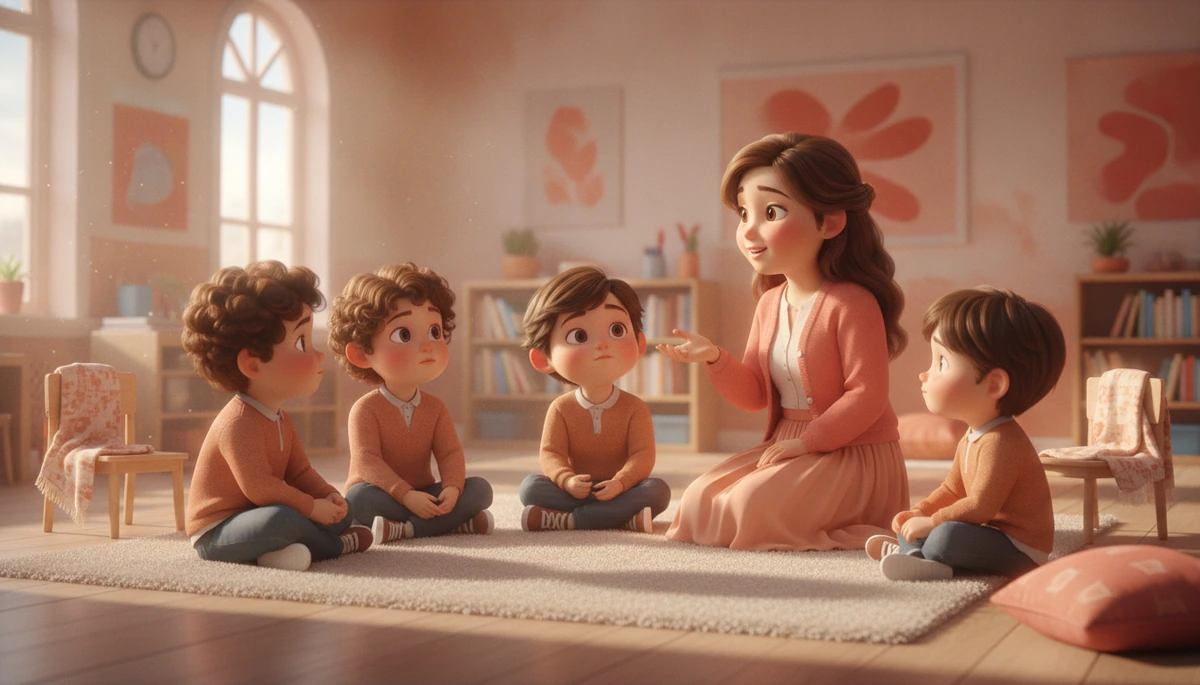
During the early elementary years, children aged 5-8 begin to refine their social emotional skills. This stage, often referred to as the 'comparison era,' marks a critical period where children start to measure themselves against their peers. According to Selman's stages of friendship, this is when children move from seeing friendships as momentary playmates to recognizing them as lasting relationships 1.
Typical Milestones
In this phase, children typically exhibit:
- Increased empathy: They begin to understand and respond to others' feelings.
- Better emotion regulation: Children start to manage their emotions more effectively.
- Complex friendships: Friendships evolve beyond just playing together to include loyalty and understanding.
For example, a 7-year-old might comfort a peer who is upset about losing a game, demonstrating an understanding of emotions and empathy.
Children in this age group also start developing a deeper sense of self-awareness. They begin to recognize their own strengths and weaknesses, which plays a crucial role in building confidence and self-esteem. This awareness helps in forming a positive self-image, crucial for emotional resilience.
Common Challenges and Red Flags
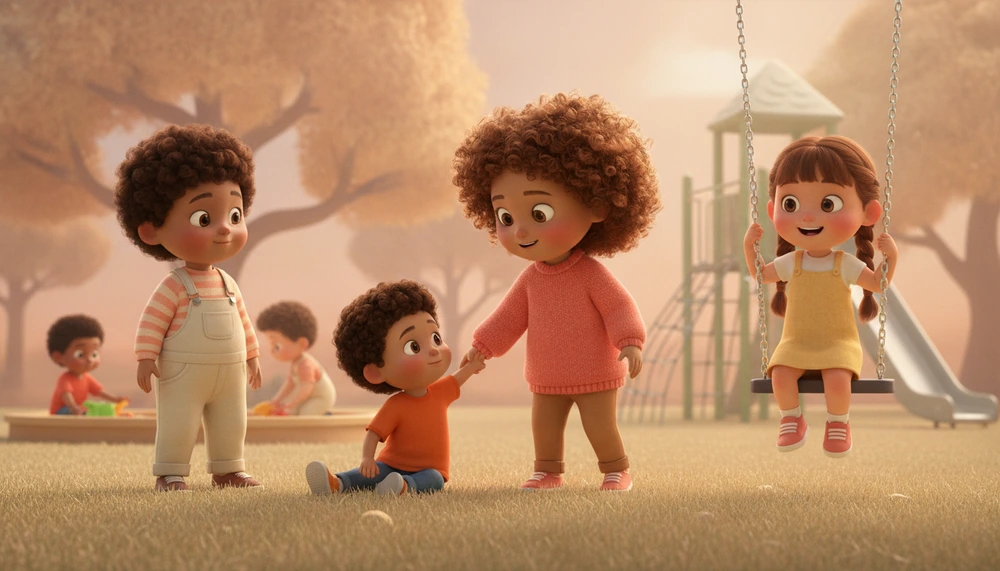
As children navigate these years, parents often worry about what behaviors are typical and which might need attention. While it's normal for children to experience a range of emotions and social situations, certain behaviors might warrant a closer look.
Possible Red Flags
- Difficulty making friends: Struggling to form connections might indicate a need for support.
- Frequent emotional outbursts: While occasional tantrums are normal, regular emotional dysregulation could be a concern.
- Challenges in understanding social cues: Difficulty interpreting body language or tone of voice.
In My Practice: I've seen many parents concerned about their child being overly shy or withdrawn in social settings. Often, with supportive environments and gentle encouragement, these children gradually open up and engage more with their peers.
If you're concerned about your child's social emotional development, it's beneficial to talk to your pediatrician or consult with an SLP or child psychologist. 3
Supporting Your Child's Social Emotional Growth
Parents play a crucial role in nurturing their child's SEL development. Here are age-appropriate activities to support growth in self-awareness, self-management, and relationship skills.
Activities to Foster Growth
- Emotion Charades: Play a game where each family member acts out different emotions. This helps children recognize and label emotions in themselves and others.
- Storytime Discussions: After reading a book, discuss the characters' feelings and choices. This encourages empathy and responsible decision-making.
- Friendship Role-plays: Practice scenarios like introducing oneself or sharing toys to build confidence in social interactions.
Real-life Example
Imagine your child is at a birthday party and feels shy about joining a group. Encourage them by saying, "It's okay to feel shy. Let's find one friend and start with a smile or a wave." Over time, these small steps build confidence and social skills.
Building Emotional Vocabulary
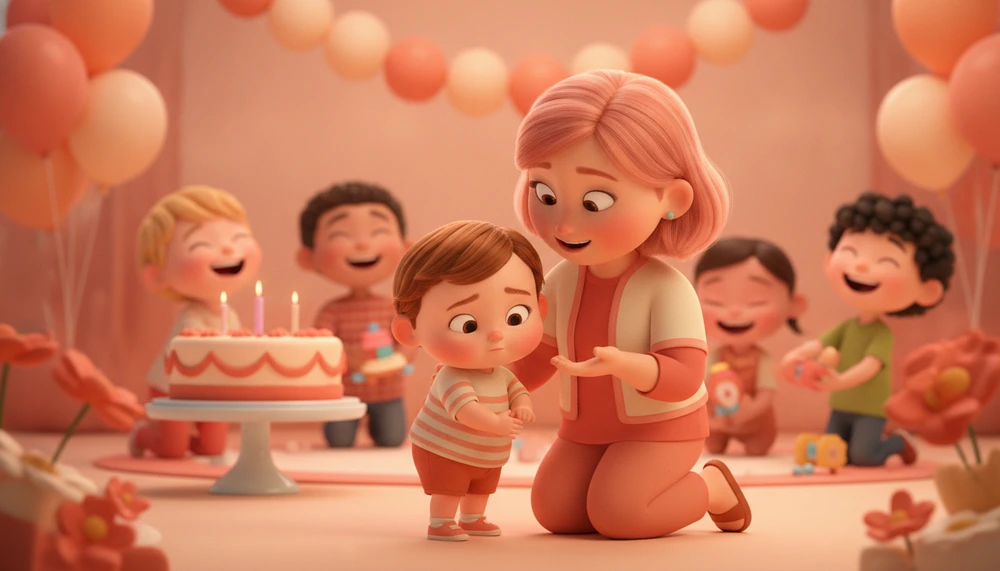
Expanding your child's emotional vocabulary is vital. Use everyday moments to label feelings: "I can see you're frustrated because your tower fell. That's okay; we can try building it again." This not only validates their feelings but also teaches them to express emotions verbally rather than through behavior.
Navigating Friendships in Early Elementary
Building friendships during early elementary years forms the foundation of social skills. Children begin to understand the importance of friendships and the concept of being a good friend.
Stages of Friendship Development
According to Selman's stages, children in this age group start moving from play-based friendships to those based on shared interests and trust 1. A 6-year-old might say, "He's my friend because we both like dinosaurs," indicating a deeper connection beyond just playing together.
Encouraging Positive Friendships
- Model Positive Behavior: Show your child how to be a good friend through your interactions.
- Facilitate Social Opportunities: Arrange playdates or group activities to help your child practice social skills.
- Discuss Friendship Qualities: Talk about what makes a good friend, like kindness and honesty.
In My Practice: I've observed that children who see their parents engaging positively with others often mimic these interactions in their own friendships. Modeling kindness and respect can significantly impact how children choose and maintain friends.
For more on fostering these relationships, check out our article on friendship rules.
Addressing Common Parent Concerns
Parents often have concerns about their child's social interactions, emotional management, and overall SEL progress. It's essential to approach these concerns with understanding and guidance.
Handling Teasing and Bullying
Teasing can be common at this age, but it's crucial to distinguish between teasing and bullying. Teasing is often playful, while bullying is hurtful and repeated. If your child is experiencing bullying, it's vital to take action by communicating with their teacher or school counselor.
For more insights, read our guide on teasing vs bullying.
Managing School Anxiety
Starting school can be overwhelming, leading to anxiety. Encourage open conversations about school experiences and reassure your child. Listening to their concerns and validating their feelings can significantly help.
In My Practice: A parent shared how their child was anxious about going to school. We worked on creating a morning routine that included a few minutes of quiet time, where the child could express any worries before heading out. This small change had a big impact on reducing morning anxiety.
For practical strategies, visit our article on school anxiety vs school refusal.

The Role of Parents in SEL
Parents are their children's first teachers. Your involvement in your child's SEL journey is invaluable. By modeling positive emotional and social behaviors, you help your child develop these skills naturally.
Strategies for Parents
- Model Emotional Expression: Share your feelings openly and appropriately to teach children to do the same.
- Encourage Problem-Solving: When conflicts arise, guide your child through problem-solving steps.
- Validate Emotions: Acknowledge your child's feelings to foster emotional intelligence.
In My Practice: I've seen many parents who worry about their child's emotional outbursts. By modeling calmness and discussing emotions openly, parents often notice improvements in their child's emotional regulation.
Building Resilience
Encourage resilience by allowing your child to experience minor setbacks and learn from them. Support them in finding solutions and emphasize the effort they put into tasks rather than just the outcome. This helps build a growth mindset and encourages perseverance.
References
1 Selman, R. (1980). The Growth of Interpersonal Understanding. Retrieved from https://en.wikipedia.org/wiki/Selman%27s_Stages_of_Friendship#The_Growth_of_Interpersonal_Understanding 2 Erikson, E. (1950). Childhood and Society. Retrieved from https://en.wikipedia.org/wiki/Erikson%27s_stages_of_psychosocial_development 3 AAP Bright Futures: Guidelines for Health Supervision (4th ed.). Retrieved from https://www.aap.org/en-us/Documents/periodicity_schedule.pdf 4 Gottman, J. (1997). Raising an Emotionally Intelligent Child. Retrieved from https://www.gottman.com/parents/raising-an-emotionally-intelligent-child/
Try It This Week
Reading is the easy part. Skills build through small, repeated practice — here's a low-pressure plan you can try with your child.
- 1Play Emotion CharadesDay 1Act out different emotions as a family game. Helps children recognize and name emotions.👉 What this looks likeGather your family for a fun game of emotion charades. Take turns acting out different emotions like 'happy', 'sad', and 'angry'. Encourage your child to guess the emotions and discuss situations where they might feel them. This activity helps improve emotional vocabulary and recognition.
- 2Discuss Story CharactersDay 2-3Talk about feelings and choices of characters after storytime. Builds empathy.👉 What this looks likeAfter reading a bedtime story, ask your child questions like, 'How do you think the character felt when they lost their toy?' or 'What could they have done differently?' This encourages your child to think about emotions and decision-making, developing empathy and insight.
- 3Practice Friendship SkillsThis weekendRole-play friendship scenarios to build confidence in social settings.use this story →👉 What this looks likeRole-play with your child how to introduce themselves to a new friend at the park: 'Hi, I'm Alex! I like your sandcastle. Can I help?' Practicing these interactions helps your child feel more comfortable and confident in social situations.
- 4Set Up a Calm CornerDay 4Create a space for your child to unwind and manage emotions.👉 What this looks likeDesignate a corner in your home with cushions and favorite books for your child's 'calm corner'. Explain, 'This is your special place to relax when you feel upset or need quiet time.' Encourage your child to use it whenever they need to self-regulate emotions.
- 5Model Problem SolvingDaily, 5 minDemonstrate solving minor conflicts or issues calmly.👉 What this looks likeNext time you're faced with a minor problem, like a missing sock, narrate your thought process: 'Hmm, I can't find my sock. Let me check the laundry basket.' This models a calm approach to problem-solving, showing your child how to think through challenges.
Frequently Asked Questions
What are key social emotional skills for ages 5-8?
How can I help my child with social anxiety at school?
What activities support SEL development at home?
How can I identify if my child is being bullied?
Why is modeling behavior important for SEL?
What is the difference between teasing and bullying?
References