Rethinking Eye Contact: Autistic Communication and Connection
Why Eye Contact ≠ Engagement
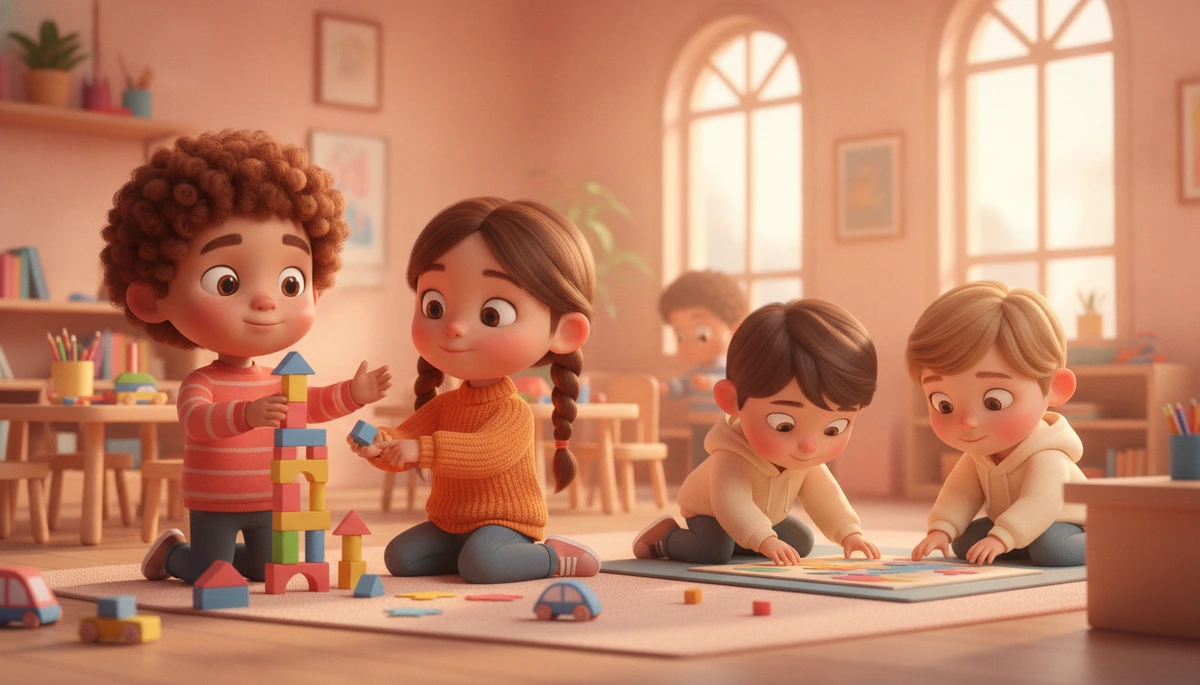
For many neurotypical individuals, eye contact is seen as a fundamental aspect of communication. However, for many autistic people, eye contact can feel overwhelming or intrusive. Rather than focusing on eye contact as a marker of engagement, it's important to understand that autistic children have other ways of showing connection and interest. This article is part of our complete guide to Social Skills for Autistic Kids — Without Masking.
Understanding Different Communication Styles
Autistic individuals often communicate and connect through different cues than their neurotypical peers. Research indicates that autistic people may find eye contact distracting, making it difficult for them to process verbal information simultaneously 1. Understanding these different styles can help us appreciate the diverse ways in which connection is expressed.
In my practice, I've observed that when parents shift their focus from enforcing eye contact to recognizing other engagement signals, their children feel more understood and less pressured. This shift often leads to more genuine interactions.
8 Ways Autistic Kids Signal Connection (Without Eye Contact)
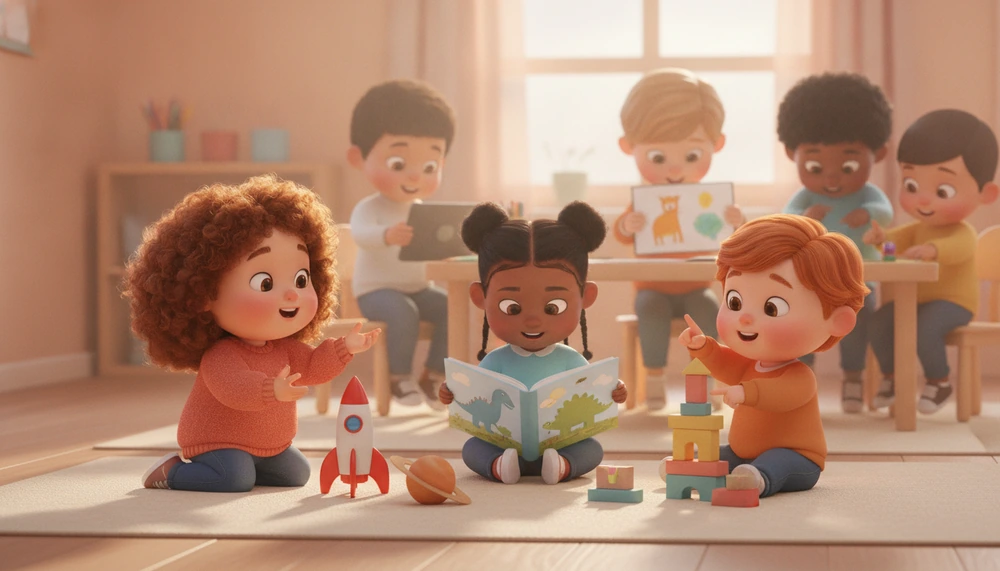
Autistic children often develop unique ways to signal their interest and engagement in social interactions. Here are eight alternatives to eye contact:
- Parallel Orientation: Standing or sitting side-by-side to show presence and engagement.
- Leaning In: Physically leaning towards someone to show attentiveness.
- Mirroring: Copying behaviors or movements to signal connection.
- Shared Interests: Discussing or participating in activities related to mutual interests.
- Gestures: Using hand movements or nods to communicate understanding.
- Verbal Acknowledgments: Saying things like "I hear you," to confirm active listening.
- Use of Technology: Texting or using apps to maintain conversations.
- Facial Expressions: Smiling or nodding to indicate emotions and reactions.
Example: Mirroring in Action
Imagine Maya, a 7-year-old autistic girl, who enjoys playing with blocks. When her friend builds a tower, Maya starts building a similar one right next to it. This mirroring shows her interest without needing to make eye contact.
Shared Interests as Bridges: Autistic children often find that sharing interests can be a powerful connector. For instance, if a child loves trains, talking about or playing with trains with a peer can create a bond that doesn't rely on eye contact.
Parallel Play as a Friendship Style
Parallel play is often associated with toddlers, but for autistic individuals, it remains a meaningful way to engage socially throughout life. Parallel play allows children to be together without the pressure of direct interaction, which can be comforting and less overwhelming.
In My Practice...
In my practice, I've seen many autistic children thrive in environments where parallel play is encouraged. For instance, in group settings, children engage in activities like drawing or building blocks side-by-side, finding joy in shared presence rather than verbal interaction.
Consider a classroom setting where children are engaged in different activities but within the same space. An autistic child might not verbally interact but feels a strong sense of belonging and connection just by being part of the group.
Special Interests as Friendship Currency
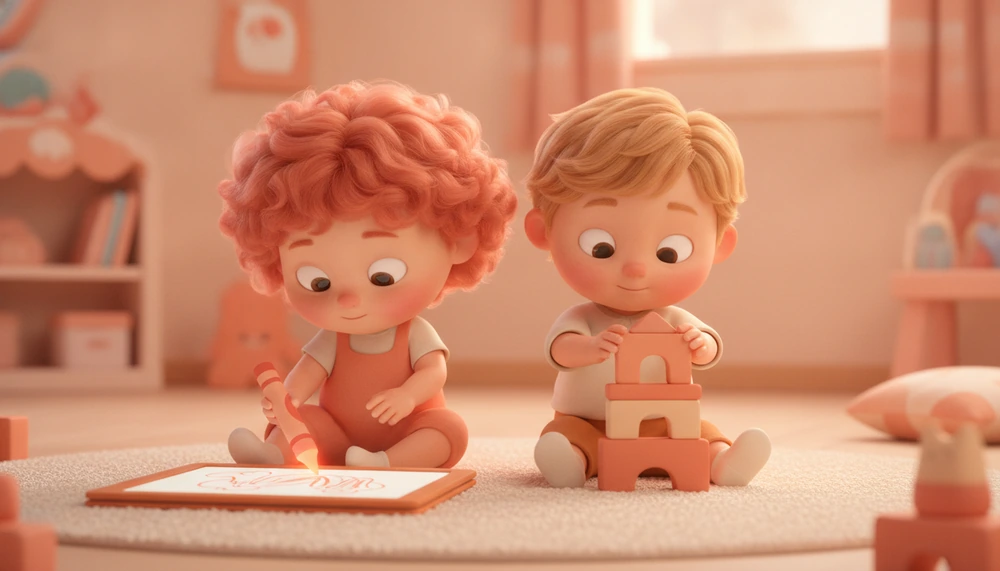
Special interests are often intense and absorbing for autistic children, and they can serve as a powerful tool for building friendships. Shared hobbies or passions can be a bridge to connection, offering a common ground for interaction.
Case Study: Special Interests
Consider Alex, who has a profound interest in dinosaurs. By sharing this interest with his peers, Alex finds a way to connect with others who have a similar fascination, turning a solo interest into a social currency.
Building on Common Ground: When children share their special interests, they often find peers who appreciate and understand them, fostering friendships that respect their unique passions and communication styles.
Scripts for Joining a Group
Navigating group dynamics can be challenging for autistic children. Using scripts can help them feel more confident. Here’s a simple script:
- "Hi, can I join you in your game?"
- "I love playing with blocks too."
- "Can I help you build that?"
These scripts can be practiced at home using social stories like Playing Nicely with Friends at Preschool - Social Story.
Practical Application: Parents can role-play these scripts with their children, providing them with the confidence to approach peers in real-life scenarios. Regular practice can make these interactions feel more natural.
When Friendships Look Different (And That's OK)
Friendships among autistic and neurotypical children can look different, and that's perfectly okay. It's crucial to recognize and celebrate these differences without enforcing neurotypical standards of interaction.
Real-Life Example: Celebrating Differences
Picture two friends, Sam and Olivia, who enjoy spending time together by sitting quietly in the same room, each engaged in their own activity. This form of interaction provides comfort and connection without traditional social norms.
Acceptance in Practice: By recognizing that friendships can thrive in diverse forms, we allow children to form connections that are genuine and fulfilling, free from the pressure to conform to standard social expectations.
Helping NT Kids Understand
Educating neurotypical (NT) kids about autism can foster inclusive environments. Encouraging understanding and empathy helps bridge the 'double empathy problem' 1.
Practical Tips
- Promote Understanding: Use resources like Kind Words with Nina: A Printable Social Story to teach kids about empathy and communication.
- Model Acceptance: Demonstrate inclusive behaviors and celebrate diverse friendships.
By fostering environments where different styles of communication are understood and respected, we support all children in building meaningful relationships.
Engaging NT Kids: Through activities and discussions, NT kids can learn to appreciate and value the diverse ways their autistic peers express connections, further promoting inclusivity.
References
1 Milton, D. (2012). On the ontological status of autism: the 'double empathy problem'. Disability & Society 27:883. doi:10.1080/09687599.2012.710008
2 Crompton, C. et al. (2020). Autistic peer-to-peer information transfer is highly effective. Autism 24:1704. doi:10.1177/1362361320919286
Try It This Month
Reading is the easy part. Skills build through small, repeated practice — here's a low-pressure plan you can try with your child.
- 1Recognize non-verbal cuesDaily, 5 minObserve and acknowledge your child's unique ways of showing engagement, like gestures or shared interests.use this story →👉 What this looks likeDuring playtime, notice how your child uses gestures to communicate. If they point to a toy, acknowledge by saying, 'I see you're interested in that toy.' This simple acknowledgment helps validate their communication style and encourages more engagement.
- 2Practice parallel playThis weekendSet up play dates or activities that encourage parallel play, allowing comfort without direct interaction.👉 What this looks likeArrange a play date with a friend's child where both kids can engage in separate activities like drawing or building blocks. Sit them at the same table but with their own materials. Observe how they find comfort in each other's presence without needing to directly interact.
- 3Share special interestsOnce a weekEncourage sharing of special interests with peers to build connections.in the SocialBlossom app →👉 What this looks likeIf your child loves dinosaurs, schedule a 'dinosaur day' where they can share their collection with a friend who also likes dinosaurs. Facilitate a conversation about their favorite dinosaur facts to help them connect through shared interests.
- 4Use scripts for social situationsTwice a weekRole-play scripts at home to prepare for social interactions, building confidence.Playing Nicely with Friends at Preschool →👉 What this looks likeBefore going to the park, practice saying, 'Can I play with you?' with your child. Use a stuffed animal to simulate the interaction. This rehearsal helps your child feel more prepared and less anxious about approaching peers.
- 5Celebrate diverse friendshipsOnce a monthAcknowledge and celebrate the unique ways your child forms connections with others.👉 What this looks likeHost a 'Friendship Celebration' where your child can invite friends over for a casual gathering. Encourage activities that allow each child to express themselves in their preferred way, like a 'show and tell' of favorite toys or interests. This celebration reinforces the value of diverse friendships.
Frequently Asked Questions
How can I encourage my autistic child to engage socially?
Why might eye contact be difficult for autistic individuals?
What are some alternatives to eye contact for showing engagement?
How can neurotypical children learn to interact with autistic peers?
What is the 'double empathy problem'?
References