Empathy Games for Kids: Building Emotional Intelligence Through Play
Introduction to Empathy Games
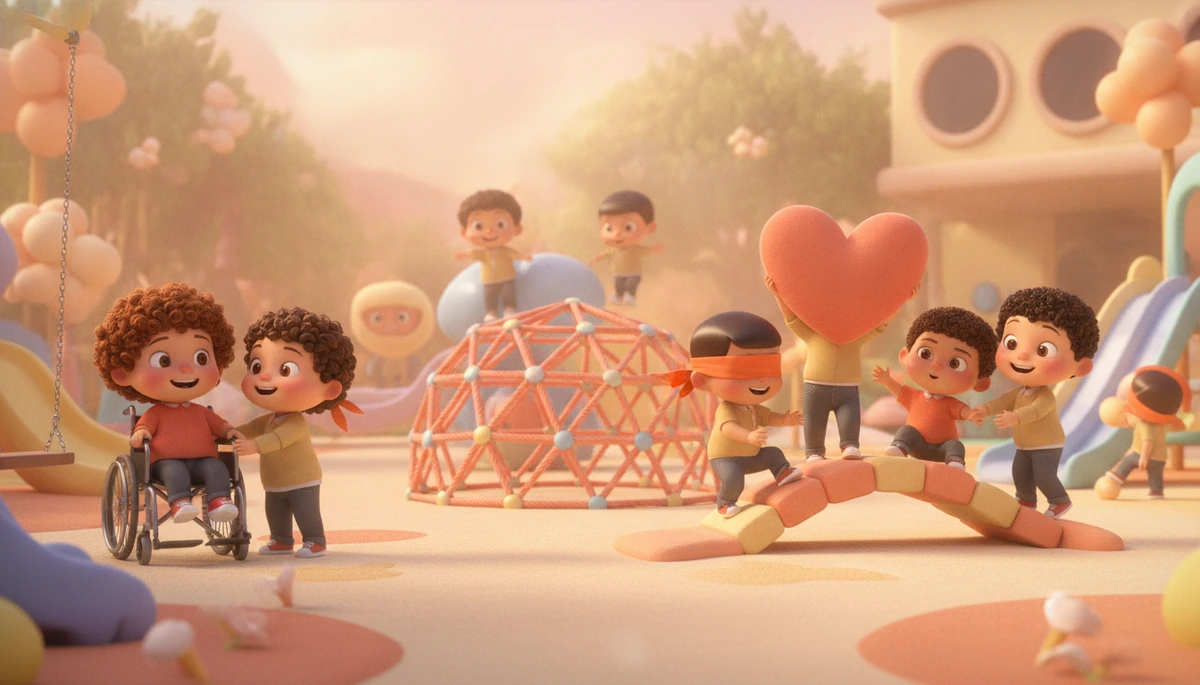
Empathy, the ability to understand and share the feelings of another, is a crucial skill for children to develop. One effective way to nurture this skill is through play. Empathy games for kids are designed to teach children how to recognize emotions, develop social skills, and understand different perspectives. Social Awareness in Kids: Empathy, Perspective-Taking & Cultural Competence offers more insights into how empathy fits into broader social awareness.
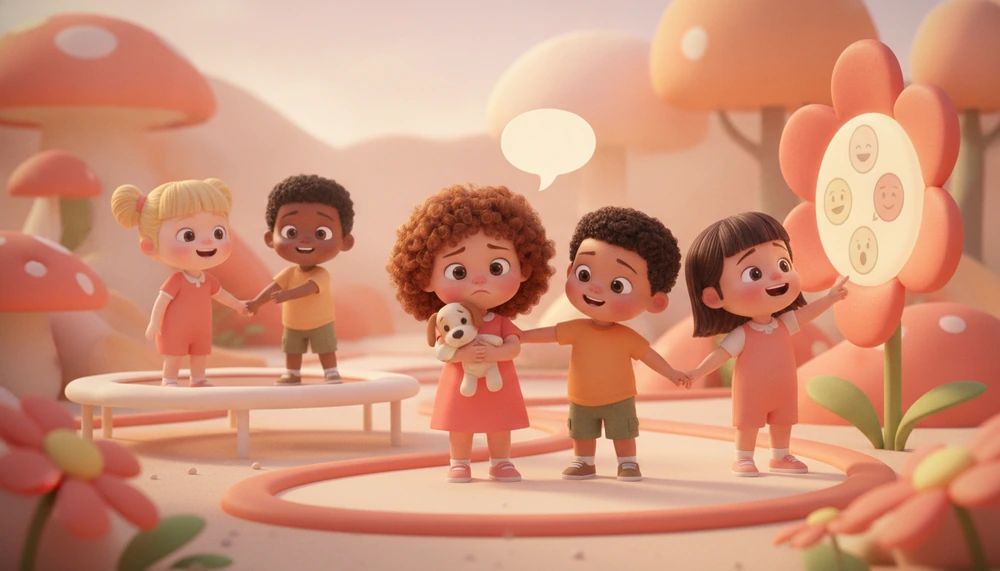
Empathy is not just about recognizing emotions; it’s about connecting with others on a deeper level. Children who play empathy games often demonstrate improved conflict resolution skills and show more compassion in everyday interactions. This development of empathy is integral to building strong relationships and fostering an inclusive environment where everyone feels valued and understood.
How Empathy Games Benefit Kids
Playing empathy games can significantly enhance a child's emotional intelligence. These games encourage children to think about how others feel and to react accordingly. According to the Child Mind Institute, play is a powerful tool for development, aiding in emotional and social growth 2.
Imagine a scenario where children are playing a game that involves identifying different emotions. By engaging in such activities, they learn to recognize and name emotions, which is a foundational step in developing empathy. This practice fosters self-awareness and social awareness, core components of the CASEL 5 framework [C1].
- Improved Emotional Recognition: Children learn to identify and understand emotions in themselves and others.
- Enhanced Communication Skills: Encourages open dialogue about feelings and thoughts.
- Increased Cooperation: Promotes teamwork and collaboration.
Consider a classroom environment where students regularly engage in empathy games. Over time, teachers might notice a decrease in conflicts and an increase in collaborative projects. Students support each other, reflecting the empathetic skills developed through these games. For additional strategies, see our article on Emotional Intelligence Activities for Kids.
Choosing the Right Game for Your Child
When selecting empathy games for your child, consider their age, interests, and developmental stage. Games should be engaging enough to hold their attention while being simple enough to understand.
- Age Appropriateness: Ensure the game's content is suitable for your child's age.
- Interests: Choose games that align with your child’s hobbies or interests to maintain engagement.
- Skill Level: Consider games that match your child’s current abilities while offering a slight challenge.
Example: For a child interested in animals, a game like "Caring for Our Animal Friends Every Day - Social Story" could be an excellent choice. This story helps children learn empathy through caring for animals, which can be especially relatable for young pet lovers. Caring for Our Animal Friends Every Day - Social Story
Imagine you are choosing a game for a child who loves storytelling. In this case, storytelling games where they can create their own narrative and develop characters can be highly effective. Games like "Story Cubes" that prompt imaginative storytelling can help children explore emotions and empathy creatively.
Adapting Games for Neurodivergent Kids
Adapting empathy games to be inclusive for neurodivergent children ensures everyone can participate and benefit. Neurodivergent children may have unique needs or preferences, and empathy games can be tailored to accommodate these differences.
- Simplify Instructions: Use clear, concise language and visual aids.
- Use Visual Supports: Incorporate pictures or social stories to illustrate concepts. [Let's Listen and Share! Printable Social Story](/products/lets-listen-and-share)
- Provide Flexibility: Allow children to engage at their own pace without pressure.
Scenario: Imagine a child with ADHD who struggles with staying focused. By breaking the game into shorter segments or adding movement-based elements, you can maintain their engagement while teaching empathy.
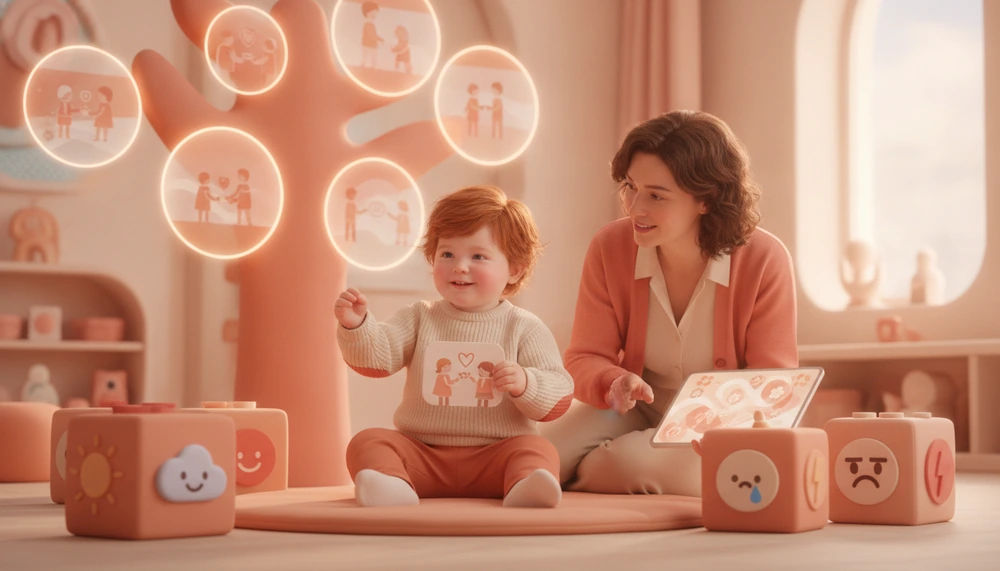
Consider a game session where visual supports like emotion cards are used to help children with autism understand and express different feelings. These cards can provide a concrete way to link emotions with facial expressions, making the concept of empathy more accessible.
Examples of Empathy Games
Here are some popular games designed to nurture empathy in children:
- Emotion Charades: Players act out emotions without words, and others guess the emotion. This helps children recognize and interpret emotional cues.
- The Empathy Board Game: A game where children move around a board and discuss scenarios that require empathetic responses.
- Storytelling with Puppets: Encourage children to create stories using puppets, focusing on characters expressing and understanding emotions.
Concrete Example: Imagine playing Emotion Charades at a family gathering. A child pulls a card with the emotion "sadness" and acts it out by slumping their shoulders and frowning. Other players guess the emotion, and the child explains what might make someone feel that way, fostering discussion about emotions.
Another engaging option is "Feelings Bingo," where each square represents an emotion. As players draw cards, they must match them with the correct emotion on their boards, prompting discussions about when they have felt these emotions and how they managed them.
How to Facilitate Empathy Game Sessions
Facilitating empathy games involves creating a supportive environment where children feel safe to express themselves. As a facilitator, you can guide discussions and encourage children to share their thoughts.
- Set Clear Guidelines: Explain the game and its purpose at the start.
- Encourage Open Discussion: Allow children to express their feelings and thoughts.
- Model Empathy: Show empathy in your interactions to provide a model for children to emulate.
Scripted Dialogue Example: Facilitator: "What do you think this character is feeling?" Child: "I think they’re feeling left out because they’re not playing with the others." Facilitator: "That’s a great observation. How could we make them feel included?"
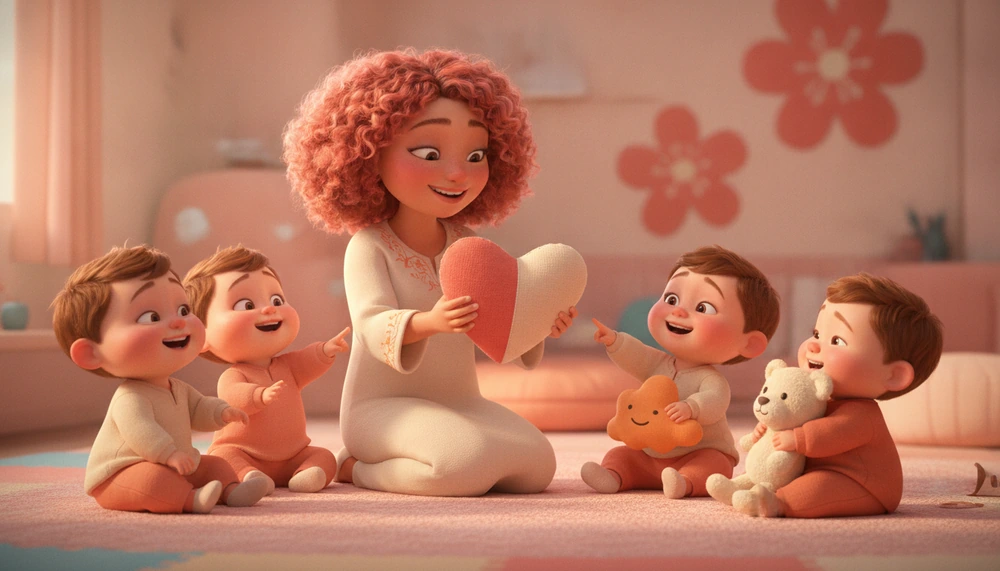
Imagine a session where children are asked to role-play a scenario. For instance, "Imagine you're at school and notice a classmate sitting alone. How might you approach them?" This role-play can lead to meaningful discussions on inclusion and empathy, and children can practice responses in a safe setting.
Building Empathy Skills Over Time
Empathy is not a skill developed overnight; it requires consistent practice and reinforcement. As children continue to engage in empathy games, they will gradually build stronger empathy skills.
- Regular Practice: Incorporate empathy games into regular playtime.
- Reflect on Experiences: After games, discuss what was learned and how it can apply to real-life situations.
- Celebrate Empathy Moments: Recognize and praise empathetic behavior when observed.
Example: After playing "The Empathy Board Game," discuss a time when your child showed empathy at school. This reflection helps reinforce the skills learned during the game.
Consider setting aside a specific time each week for empathy games, making them a routine part of your child's activities. Over time, this regular engagement can lead to noticeable improvements in how children relate to others.
Conclusion: Beyond the Games
Empathy games are a powerful tool to help children develop empathy, but they are just one part of a larger picture. Encouraging empathy in daily interactions, modeling empathetic behavior, and providing opportunities for discussion are all critical components of nurturing empathetic children. For more strategies on teaching empathy to neurodivergent kids, explore our article on Teaching Empathy to Autistic Kids: A Strengths-Based Approach.
References
- [C1] CASEL - Empathy in SEL
- [C2] Child Mind Institute - Play and Development
- [C3] Playworks - Social Skills Through Play
Try It This Week
Reading is the easy part. Skills build through small, repeated practice — here's a low-pressure plan you can try with your child.
- 1Play Emotion CharadesDay 1Use Emotion Charades to help your child recognize and express emotions. This game encourages understanding and empathy.Let's Listen and Share! Printable Social Story →👉 What this looks likeGather your family and play Emotion Charades. Each person takes turns acting out a feeling like 'joy' or 'frustration'. Encourage your child to guess the emotion and discuss when they have felt similarly. This helps link emotions to personal experiences.
- 2Discuss Empathy ScenariosDay 2-3Talk about scenarios where empathy can be applied. This encourages children to think about others' feelings.in the SocialBlossom app →👉 What this looks likeDuring dinner, discuss a scenario such as "What would you do if you saw someone drop their books?" Encourage your child to think of ways to help and relate it to times they needed help. This builds empathy and problem-solving skills.
- 3Create a Story with PuppetsThis weekendUse puppets to create a story focusing on empathy. This helps children express and understand emotions.Caring for Our Animal Friends Every Day →👉 What this looks likeSet up a puppet stage and let your child create a story where characters experience emotions like sadness or happiness. Guide them to express these feelings through the puppets and discuss how the characters might help each other. This activity enhances emotional vocabulary and empathy.
- 4Reflect on Empathetic ActionsOnce this weekReflect on moments when your child showed empathy. This reinforces the importance of these actions.Teaching Empathy to Autistic Kids: A Strengths-Based Approach →👉 What this looks likeAfter a day at school, ask your child about a time they helped a friend or classmate. Discuss how it felt and why it was important. This reflection reinforces the value of empathy and encourages continued empathetic behavior.
- 5Model Empathy in Daily LifeDaily, 5 minDemonstrate empathy in your interactions to provide a model for your child.👉 What this looks likeWhen a family member expresses frustration, show empathy by acknowledging their feelings: 'I see you're upset. That sounds tough. How can I help?' This models empathetic communication for your child and shows them how to respond empathetically in similar situations.
Frequently Asked Questions
What age are empathy games suitable for?
How do empathy games help neurodivergent children?
Can empathy games be used in schools?
How can I measure the impact of empathy games?
Are there digital empathy games available?
References
