Bridging the Gap: Supporting Skill Generalization in Neurodivergent Children
Introduction
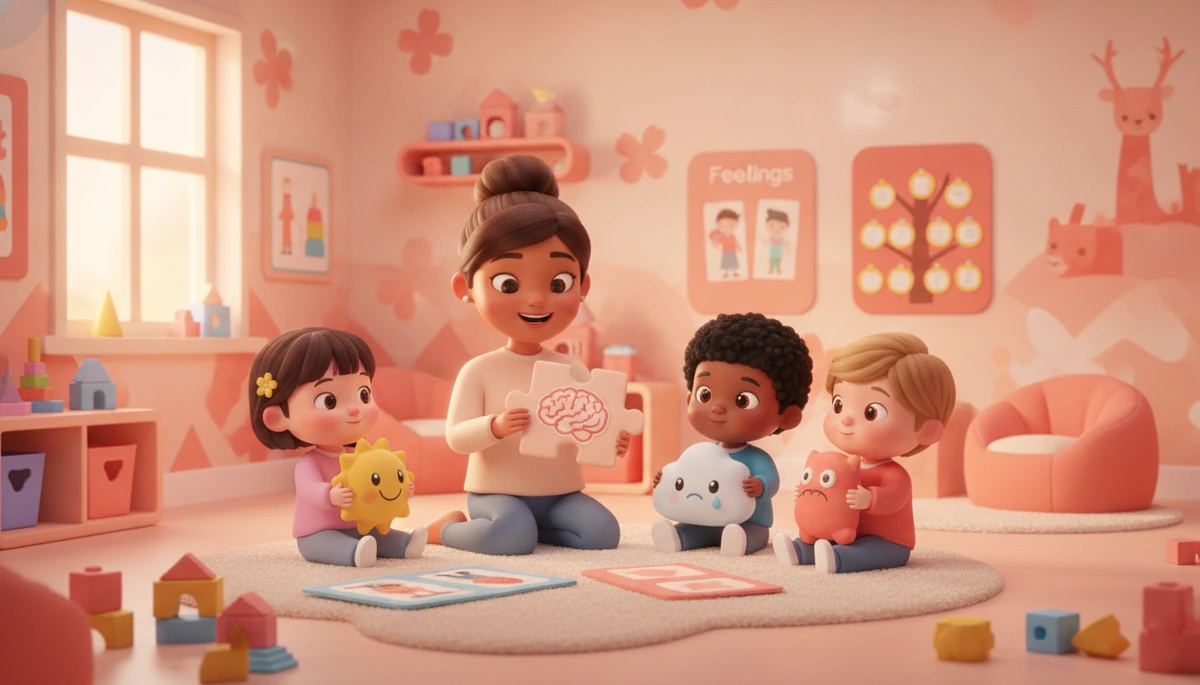
Imagine your child mastering a skill in a therapy session, beaming with confidence and pride. Yet, when they return home, the skill seems to vanish. This is the challenge of generalization, where skills practiced in therapy don't transfer seamlessly to everyday life.
Understanding why this happens and learning how to assist your child in carrying over these skills is crucial. This guide will explore the barriers to generalization and provide practical strategies to bridge the gap between therapy and real life.
In This Guide
- Why Kids 'Do It in Therapy' But Not at Home: Discover reasons behind the disconnect and how to address them.
- Carryover Plans That Actually Work: Practical templates for effective skill transfer.
- Sharing Data Between Home, School, and Therapy: Learn how to communicate effectively without overstepping privacy boundaries.
- When to Switch Therapists: Know when it's time to consider a change in your child's therapeutic team.
Understanding Generalization
Generalization refers to the ability to apply skills learned in one setting to various environments and situations. It's a common challenge in pediatric therapy, often leaving parents and educators puzzled why skills don't transfer from therapy sessions to home or school.
Research by Stokes and Baer highlights the complexity of generalization, emphasizing the need for intentional strategies to encourage skill transfer 4. In therapy, skills are practiced in a controlled environment, which may not reflect the unpredictable nature of real life.
The Role of SEL in Generalization
Social-Emotional Learning (SEL) plays a pivotal role in promoting generalization. SEL competencies like self-awareness, self-management, and responsible decision-making are foundational to applying skills across settings. By integrating SEL, children can become more adaptable and responsive to different situations.
In my practice, I've observed that children who are nurtured with SEL principles tend to show better adaptability and resilience. For example, when a child learns to recognize their emotions and manage them effectively, they are more likely to use these skills in various environments. This is because SEL fosters a deeper understanding of self and others, which is crucial for skill application beyond therapy.
Barriers to Skill Transfer
Several factors contribute to the struggle with generalization:
- Context-Specific Learning: Skills are learned in a specific context and may not be easily applied elsewhere.
- Lack of Motivation: Children may not see the relevance of the skill outside therapy.
- Inconsistent Reinforcement: Skills are reinforced differently at home and school, leading to confusion.
Context-Specific Learning
In therapy, children are often exposed to structured routines and clear expectations. This setting contrasts with the fluid and unpredictable nature of home and school environments. In my practice, I've observed that children who excel in therapy may struggle to adapt when these conditions change.
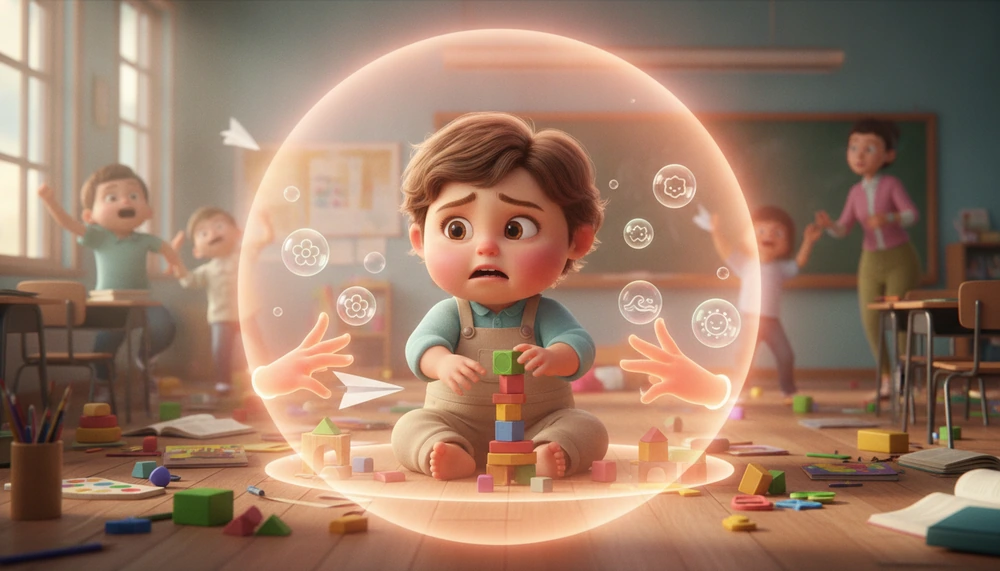
For instance, a child might follow a therapist's instructions perfectly in a therapy room but feel overwhelmed by the chaos of a busy classroom. The consistency and predictability of therapy sessions provide a comfort zone that isn't always present in other settings.
Lack of Motivation
Children may not feel motivated to use skills outside therapy if they don't see the immediate benefit or relevance. This often happens when skills are not aligned with their interests or daily routines.
Example: Imagine a child who practices turn-taking in therapy but struggles at home because they don't see how it helps them play with siblings. Creating scenarios where turn-taking leads to enjoyable outcomes can foster motivation.
To enhance motivation, it's crucial to link the skills to the child's personal goals and interests. For example, if a child loves dinosaurs, using dinosaur-themed games to practice turn-taking can make the skill more engaging and relevant.
Inconsistent Reinforcement
The way skills are reinforced at home may differ from therapy. For instance, a child might receive praise for using "inside voice" in therapy but not at home, leading to inconsistent application.
Example: Consider a child who receives stickers as a reward in therapy for completing a task. At home, the same task might not be acknowledged, causing confusion about its importance. Aligning reinforcement strategies across settings can help maintain consistency.
Strategies for Effective Carryover
To bridge the gap between therapy and real life, consider the following strategies:
- Collaborate with Therapists: Maintain open communication with your child's therapists to align goals and strategies.
- Create Consistent Routines: Implement routines at home that mirror therapy sessions.
- Use Visual Supports: Visual aids like social stories can help reinforce skills in various settings.
Collaborate with Therapists
Work closely with therapists to understand the skills being taught and how they can be supported at home. Sharing data between home, school, and therapy can be achieved without overstepping boundaries 3.
Example: Attend regular meetings with your child's therapist to discuss progress and challenges. Use these sessions to align strategies and reinforce skills consistently across settings.
In my experience, building a collaborative relationship with therapists can significantly enhance a child's progress. When parents, therapists, and educators work as a team, they create a unified approach that supports the child's development across all environments.
Create Consistent Routines
Establishing routines that align with therapy sessions can facilitate skill transfer. For instance, if a child practices social skills during group therapy, encourage similar interactions at home through playdates or family activities.
A consistent routine provides children with a sense of security and helps reinforce the skills learned in therapy. This predictability allows children to anticipate what comes next, reducing anxiety and promoting skill application.
Use Visual Supports
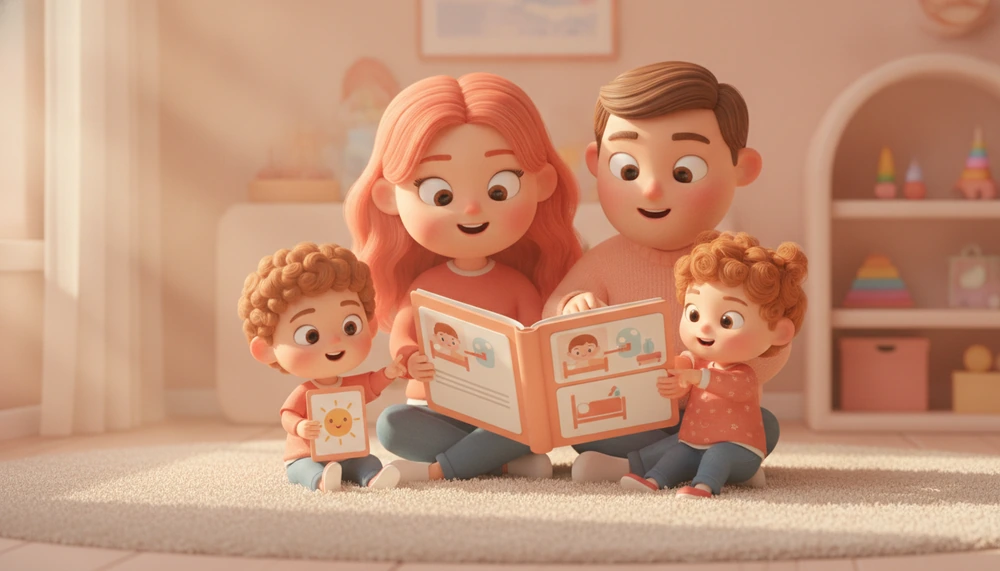
Visual aids such as social stories are effective tools for reinforcing skills. These stories provide scenarios that children can relate to, helping them understand how to apply skills in different contexts.
Example: Use the Smiles and Names: Making New Friends - Social Story to help your child learn about making friends in various settings.
Visual supports can also include charts, schedules, and picture cues, which serve as reminders of expected behaviors and routines.
Practical Examples of Generalization
Example 1: Generalizing Communication Skills
Imagine a child learning to communicate needs during therapy. At home, parents can encourage this skill by setting up scenarios where the child needs to express their desires, such as choosing between snacks. By reinforcing this communication, the child learns to generalize the skill beyond therapy.
To further support communication skills, parents can introduce "choice boards" at home. These boards present options visually, empowering children to make decisions and express preferences.
Example 2: Generalizing Emotional Regulation
A child practices emotional regulation techniques like deep breathing in therapy. Parents can support this by modeling the technique during stressful situations at home, showing the child how to apply it in real life.
In my practice, I've found that when parents narrate their own emotional regulation processes, children are more likely to adopt similar strategies. For example, saying, "I feel a bit stressed, let's take a deep breath together," can be very effective.
The Role of Schools in Generalization
Schools play a crucial role in supporting the generalization of skills. By integrating SEL into the curriculum, schools can create environments that reinforce skills learned in therapy.
Working with School Staff
Parents and educators should work collaboratively to ensure that strategies used in therapy are being reinforced in the classroom. This cooperation is vital for creating consistent expectations and supports.
- IEP and 504 Plans: These plans can include specific goals for generalization, ensuring that skills are supported across settings [C3].
- Ongoing Communication: Regular communication between home and school helps monitor progress and adapt strategies as needed.
Collaboration with school staff is essential to ensure that the strategies being practiced in therapy are also applied in the classroom. This can be achieved through regular meetings and updates on the child's progress.
Generalization and ABA Therapy
Applied Behavior Analysis (ABA) often emphasizes generalization as a goal. Techniques like reinforcement and modeling are used to encourage skill transfer across contexts 4.
Strategies in ABA
- Naturalistic Teaching: Embedding teaching moments in everyday activities helps children apply skills naturally.
- Parent Training: Equipping parents with strategies to reinforce skills at home is crucial.
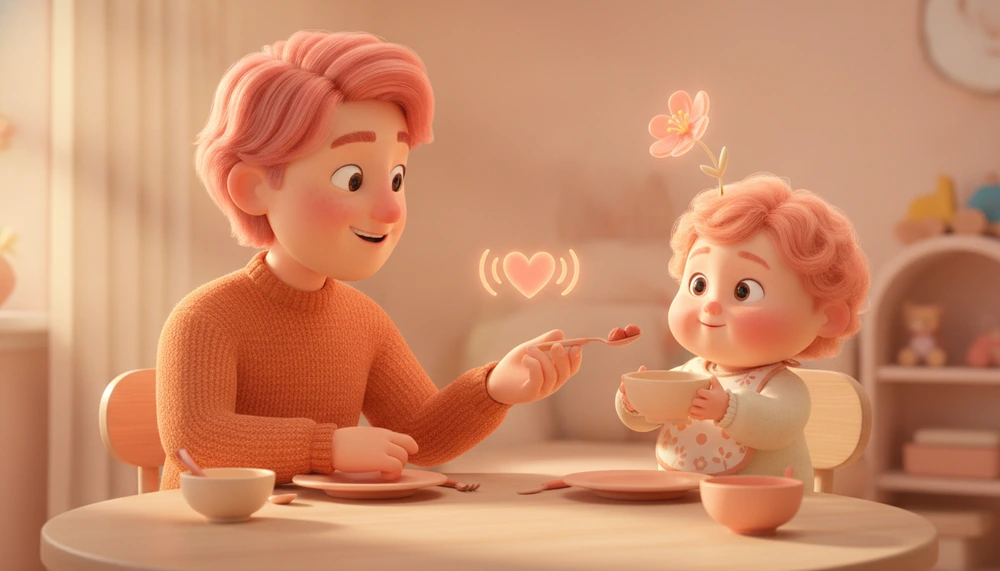
Example: During mealtime, a parent might encourage a child to use manners learned in ABA therapy by consistently modeling and reinforcing "please" and "thank you."
In ABA, the focus on breaking down skills into small, manageable steps makes it easier for children to understand and apply them in different settings. This approach is particularly effective in promoting skill generalization.
Conclusion
Generalization is a complex yet essential aspect of therapy. By understanding the barriers and implementing practical strategies, parents and educators can support children in applying skills across various settings. Through collaboration, consistency, and the integration of SEL, we can help children bridge the gap between therapy and real life.
References
1 Greenspan, S. & Wieder, S. (2006). Engaging Autism — DIR/Floortime + generalization. 2 Prizant, B. et al. (2006). The SCERTS Model. 3 ASHA — School-based services for SLPs. Retrieved from asha.org 4 Stokes, T. & Baer, D. (1977). An implicit technology of generalization. Journal of Applied Behavior Analysis, 10:349. doi:10.1901/jaba.1977.10-349.
Try It This Month
Reading is the easy part. Skills build through small, repeated practice — here's a low-pressure plan you can try with your child.
- 1Identify a Skill to Focus OnDay 1Choose one skill your child is learning in therapy to reinforce at home. Focus simplifies skill transfer.👉 What this looks likeSelect a skill such as 'asking for help' that your child practices in therapy. Begin by modeling and practicing this skill at home. For example, during dinner prep, ask your child to request a specific utensil politely. This practice reinforces the skill in a familiar setting.
- 2Create a Visual ScheduleThis weekDevelop a daily schedule using pictures or icons. Helps children anticipate and apply skills.use this story →👉 What this looks likeUse a visual schedule to outline the day's activities, including therapy practice times. For instance, include 'playtime' with a picture of toys, followed by 'practice time' showing a book or puzzle. Consistency and visual cues help children prepare for and engage in skill practice.
- 3Model Emotions and ActionsDaily, 5 minShow your child how to express emotions and actions. Watching you helps them learn.👉 What this looks likeNext time you're feeling an emotion like frustration, express it out loud: 'I'm feeling frustrated because I can't find my keys. I'm going to take a deep breath.' By modeling this, you teach emotional regulation and problem-solving, which children can mimic.
- 4Role-play Common ScenariosOnce this weekAct out scenarios where your child can apply skills. Reinforces learning in a fun way.👉 What this looks likeSet up a role-play session where your child practices greeting someone new. Use toys or family members as practice partners. Say, 'When you meet someone, you can say, "Hi, I'm Alex." Let's practice together!' This helps them become comfortable with social interactions.
- 5Reinforce with Positive FeedbackDailyProvide positive feedback when your child uses a skill. Encouragement boosts confidence.read more about praise →👉 What this looks likeWhenever your child applies a learned skill, such as sharing toys, acknowledge it: 'I really like how you shared your toys with your brother. That was very kind.' This reinforcement encourages them to continue using the skill in different situations.
Frequently Asked Questions
Why do skills learned in therapy not transfer to home?
How can I help my child generalize skills at home?
What role do schools play in skill generalization?
How does ABA therapy support skill generalization?
What are visual supports and how do they help?
How can SEL aid in skill generalization?
When should I consider switching therapists?
References
- Greenspan, S. & Wieder, S. (2006). Engaging Autism — DIR/Floortime + generalization.
- Prizant, B. et al. (2006). The SCERTS Model.
- ASHA — School-based services for SLPs. Retrieved from asha.org
- Stokes, T. & Baer, D. (1977). An implicit technology of generalization. Journal of Applied Behavior Analysis, 10:349. doi:10.1901/jaba.1977.10-349.