Why Skills Don't Generalize from Therapy to Real Life: A Parent's Guide
Why Generalization is the #1 Therapy Problem
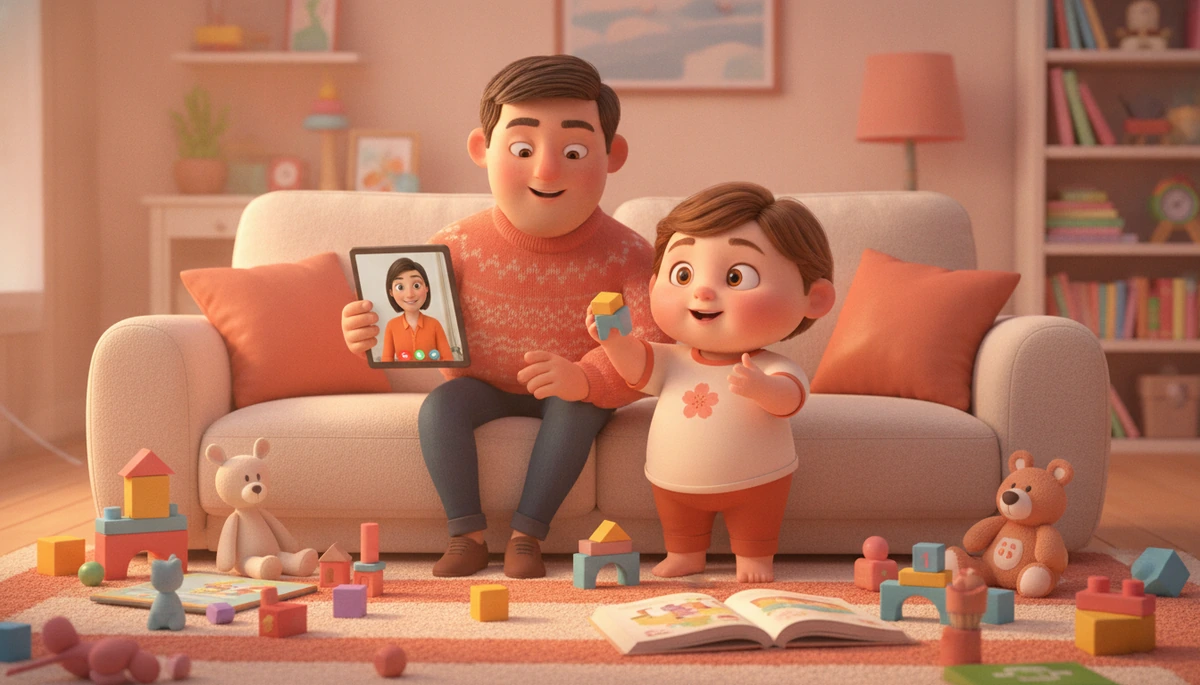
For many parents, the frustration of seeing their child excel in a therapy session but struggle to replicate those skills at home is all too familiar. This article is part of our complete guide to Generalization: From Therapy to Real Life. Understanding why skills don't generalize from therapy to home is crucial for supporting your child's development.
Imagine your child perfectly articulates their needs during a session with the speech therapist, but when they get home, communication becomes a challenge. This discrepancy isn't uncommon. Skills often don't transfer from the controlled environment of therapy to the unpredictability of everyday life.
Generalization, or the ability to apply learned skills in different settings, is a significant hurdle in therapy. The principles of generalization, detailed by Stokes and Baer, provide a framework for understanding and addressing this issue 1.
Stokes & Baer's Principles (In Parent Words)
Stokes and Baer's research on generalization emphasizes the importance of practicing skills in varied contexts. Their principles suggest that skills are more likely to generalize if they are taught using diverse examples and settings 1.
Train Loosely: This principle advocates for flexibility in teaching methods. Rather than rigidly adhering to a single way of learning, encourage variations. For instance, if your child is learning to request help, practice this skill not just in therapy but also at home, in the park, or during playdates. The key is diversity.
In my practice, I've noticed that when children are encouraged to use a skill in multiple settings, they tend to retain it better. One parent shared that their child became more confident in social situations after practicing greetings not just at home, but at the grocery store and during family gatherings.
Train Sufficient Exemplars: Stokes and Baer also highlight the importance of using multiple examples to teach a concept. If a child learns a social skill with one specific toy or scenario, they might not apply it elsewhere. By introducing a variety of situations and objects, the child can better generalize the skill.
In my practice, I've seen many parents successfully implement these principles by creating "learning adventures" at home. They would take everyday tasks, like setting the table, and turn them into practice sessions for communication and cooperation.
The 'Train Sufficient Exemplars' Principle
The concept of "train sufficient exemplars" can be a game-changer for parents and educators. This approach involves exposing children to various situations where a skill can be applied, ensuring they don't associate the skill with just one context.
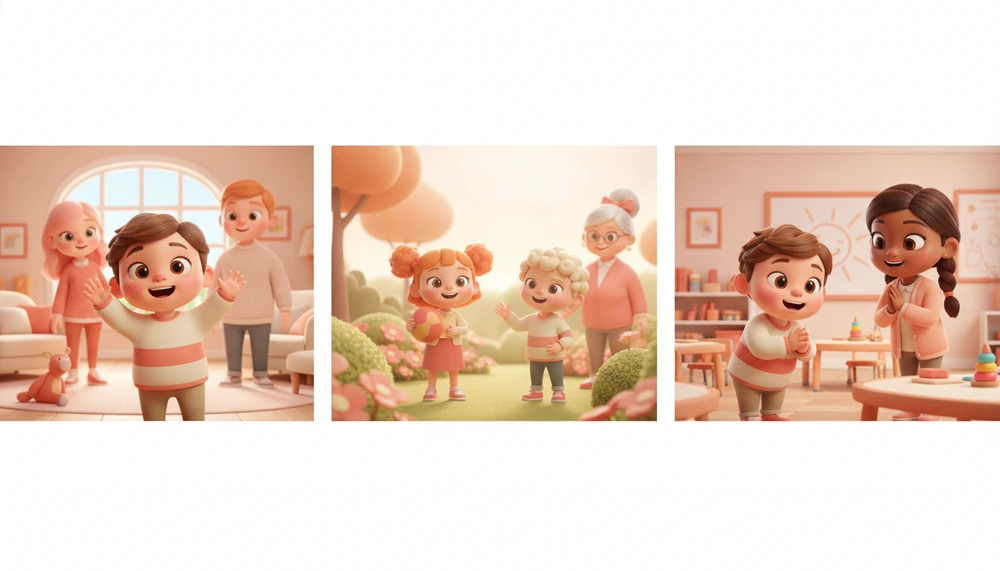
For example, if a child is learning to greet others, practice this skill with different people: family members, neighbors, and friends. Use different greetings like "hello," "hi," or "good morning." The goal is to make the skill adaptable and not tied to a single scenario.
To further illustrate, consider a child who is learning to share toys. By practicing sharing in diverse settings—during playdates, at the park, or with siblings at home—the child learns to apply sharing in different contexts naturally.
Why One-Setting Therapy Fails
Therapy sessions often occur in controlled environments, which can limit a child's ability to generalize skills to other settings. The structured nature of therapy is beneficial for learning new skills but can create a disconnect when those skills are needed in less predictable environments like home or school.
Consider a child who practices turn-taking with a therapist but struggles during playdates. The therapy room's predictability doesn't reflect the dynamic nature of a playground. That's why it's essential to practice skills across different settings and with various people.
Real-Life Example: A Playground Challenge Imagine a child who excels at taking turns with toys in therapy but struggles on the playground. The therapist's room is calm, with predictable rules, but the playground is bustling with sounds and activities. By practicing turn-taking at the playground, the child learns to adapt the skill to a more chaotic environment.
What Home Practice Should Look Like (Variety!)
Home practice should be diverse and engaging, incorporating different activities and settings. Here are some practical suggestions:
- Incorporate SEL into Daily Routines: Use morning routines, meals, or bedtime as opportunities for practice. For instance, asking your child what they're thankful for during dinner can promote social awareness and gratitude.
- Use Social Stories: These tools can help children understand different scenarios. For example, Playing Nicely with Friends at Preschool - Social Story can reinforce positive social skills.
- Mix Up the People and Places: Practice skills with different family members, friends, and in various locations. This variety helps the child apply skills in new contexts.
Example: Practicing Greetings
Imagine your child is learning to greet others. You might practice this by:
- Saying "hello" to family members during breakfast.
- Greeting a neighbor during a walk.
- Saying "good morning" to a teacher at school.
These varied experiences help solidify the skill and make it more likely to generalize across settings.
When to Ask Therapist for Carryover Plans
Effective communication with your child's therapist is crucial for ensuring skills learned in therapy transfer to home and school. Don't hesitate to ask for a carryover plan. This plan should outline specific strategies and activities you can implement at home to support your child's progress.
- Regular Updates: Stay informed about what skills are being practiced in therapy.
- Collaborate on Goals: Work with the therapist to set realistic and achievable goals for home practice.
- Ask for Resources: Request social stories, visual schedules, or any other tools the therapist recommends.
In My Practice: Collaborating with Therapists
In my practice, I've seen the positive impact of regular communication between parents and therapists. One family I worked with created a weekly update system with their therapist. This allowed them to adjust home practices based on the child's progress in therapy, leading to more seamless skill transfer.
For more detailed guidance on creating effective carryover plans, check out our article on Carryover Plans That Actually Work.
What Progress Looks Like Across Settings
Progress isn't always linear, and it might look different at home compared to therapy. Here's what to expect:
- Initial Hesitation: It's common for children to hesitate when trying new skills at home.
- Gradual Improvement: Look for small signs of progress, like more frequent attempts to use a skill.
- Feedback Loop: Regularly discuss your child's progress with their therapist to adjust strategies as needed.
In My Practice: A Story of Progress
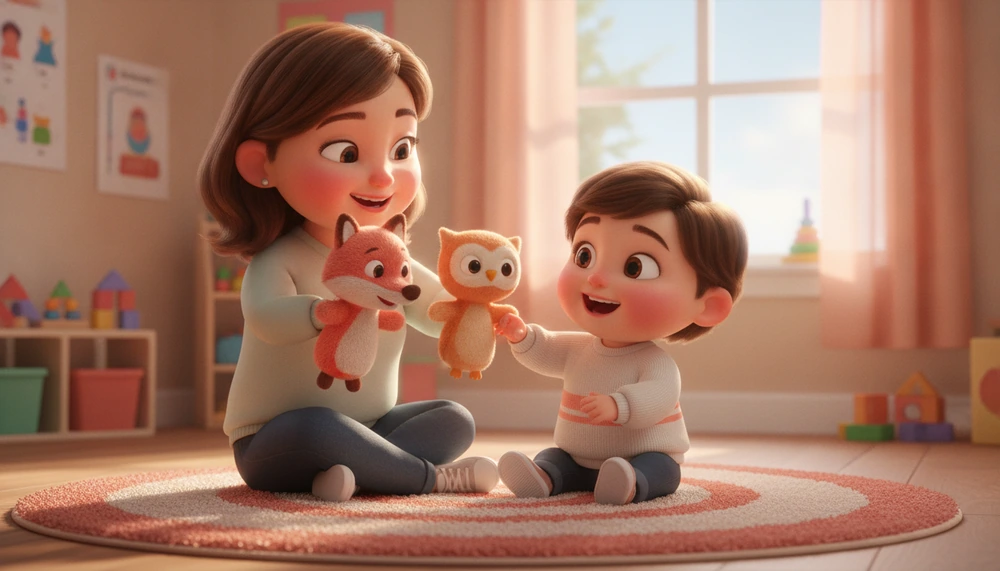
In my practice, a child named Liam had difficulty using his words to express frustration. Initially, he only did this in therapy. With a carryover plan, his parents began practicing different scenarios at home. They would role-play using puppets, and gradually, Liam started to express himself at home and even at school.
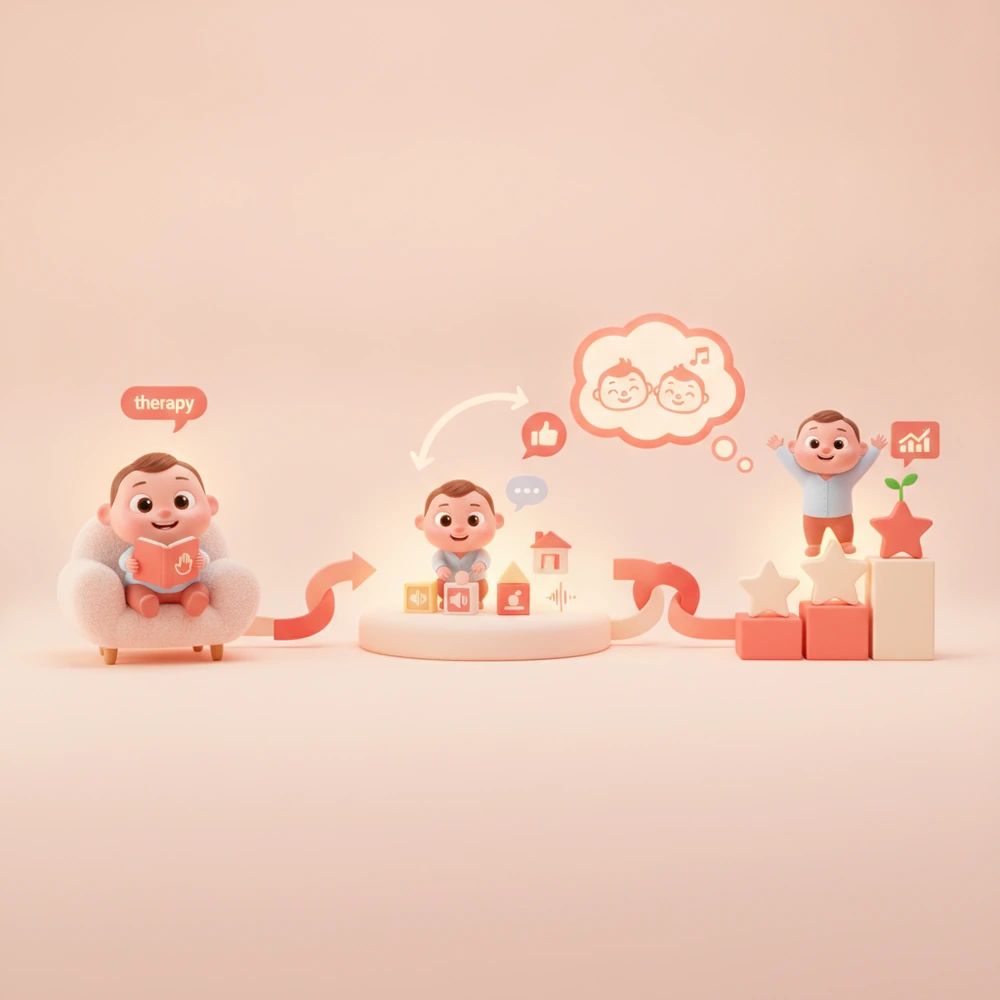
This example highlights the importance of persistence and patience. Over time, with consistent practice and support, children can learn to generalize skills across various settings.
References
1 Stokes, T. & Baer, D. (1977). An Implicit Technology of Generalization. Retrieved from https://en.wikipedia.org/wiki/Generalization_(psychology)
2 Prizant, B. et al. (2006). The SCERTS Model: A Comprehensive Educational Approach for Children with Autism Spectrum Disorders. Retrieved from https://pubmed.ncbi.nlm.nih.gov/16444175/
3 Greenspan, S. & Wieder, S. (2006). Engaging Autism: Helping Children Relate, Communicate and Think with the DIR Floortime Approach. Retrieved from https://pubmed.ncbi.nlm.nih.gov/16897777/
Try It This Week
Reading is the easy part. Skills build through small, repeated practice — here's a low-pressure plan you can try with your child.
- 1Create a Greeting RoutineDaily, 5 minPractice greetings daily in different settings to promote skill generalization.👉 What this looks likeEach morning, encourage your child to greet family members at breakfast. During a walk, have them say hello to neighbors. At school drop-off, they can greet their teacher. This repetition in varied contexts helps solidify the skill.
- 2Use Social Stories DailyDaily, 10 minReinforce skills using social stories that mirror daily experiences.explore our social stories →👉 What this looks likeRead a social story about sharing with your child before a playdate. Discuss the story's scenarios and encourage your child to apply the lessons during play. This prepares them for real-life interactions.
- 3Plan a Role-Playing SessionThis weekendUse role-play to practice specific skills in a safe environment.👉 What this looks likeSet up a mock store at home. Have your child practice asking for items and paying with play money. This role-play helps them learn to navigate real-world situations, enhancing their decision-making skills.
- 4Join a PlaygroupOnce this weekEncourage social interaction by joining a local playgroup.find local resources →👉 What this looks likeVisit a local playgroup where your child can practice sharing and turn-taking. Observe how they apply these skills with peers and provide gentle guidance when needed.
- 5Discuss Emotions at DinnerEvenings, 15 minUse dinner time to discuss daily emotions, building emotional awareness.👉 What this looks likeDuring dinner, ask each family member to share a moment from their day and how it made them feel. Encourage your child to express their own emotions, fostering emotional literacy and communication skills.
Frequently Asked Questions
Why don't therapy skills transfer to home?
How can I help my child generalize skills?
What is a carryover plan?
How do I communicate with my child's therapist?
What are examples of SEL activities at home?
References
- Stokes, T. & Baer, D. (1977). An Implicit Technology of Generalization.
- Prizant, B. et al. (2006). The SCERTS Model: A Comprehensive Educational Approach for Children with Autism Spectrum Disorders.
- Greenspan, S. & Wieder, S. (2006). Engaging Autism: Helping Children Relate, Communicate and Think with the DIR Floortime Approach.