Navigating Halloween: A Sensory-Friendly Guide for Neurodivergent Children
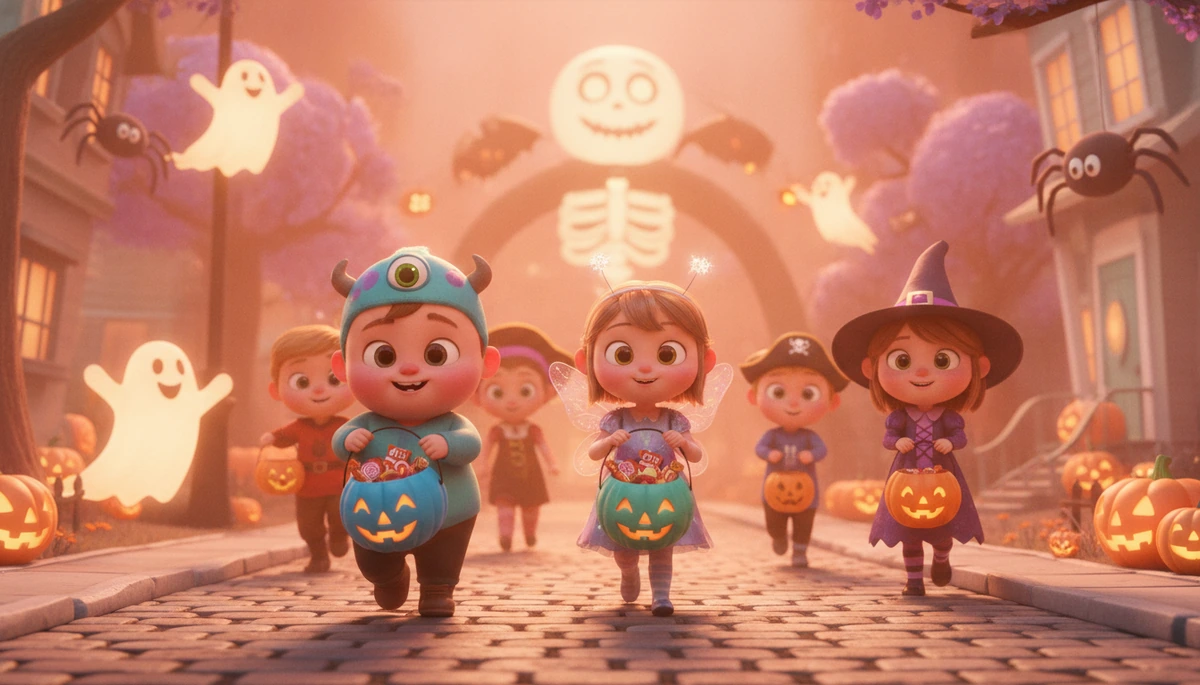
Halloween can be a thrilling yet overwhelming time for sensory-sensitive children. With the right strategies and preparations, your child can enjoy this festive occasion with confidence and joy. This article is part of our complete guide to Holidays + Sensory-Heavy Events: A Year-Round Survival Guide for ND Families.
Why Halloween is Uniquely Overwhelming
Halloween presents a unique blend of sensory experiences that can be challenging for some children. The combination of costumes, noisy streets, and unfamiliar interactions can overwhelm a child's senses. Self-awareness is crucial here, as children need to understand their comfort levels and boundaries.
Many parents find themselves concerned about Halloween. They often worry about their child's ability to navigate a busy, unpredictable environment filled with new sensory inputs. The key is to prepare and equip them with strategies to manage these situations.
Children with neurodivergent conditions might find the unpredictability of Halloween especially daunting. However, with proactive planning and support, it's possible to make the experience enjoyable. By focusing on enhancing social awareness and relationship skills, parents can guide their children to approach Halloween with a sense of adventure rather than anxiety.
Strategies for Overcoming Sensory Overload
- Create a Quiet Space: Designate a room in your home where your child can retreat if they feel overwhelmed.
- Use Noise-Canceling Headphones: These can help drown out the noise of crowded streets and parties.
- Practice Mindfulness Techniques: Teach simple breathing exercises to help your child calm down if they start feeling anxious.
Costume Considerations (Sensory, Mask, Fit)
Choosing a costume that respects your child's sensory sensitivities is vital. Costumes should be comfortable and free of scratchy materials. Avoid masks if possible, as they can feel confining and obscure vision.
- Opt for Soft Fabrics: Choose costumes made from natural fibers like cotton. Avoid tags and seams that might irritate.
- Simple Designs: Avoid costumes with multiple layers or pieces that can feel overwhelming.
- Test Beforehand: Have your child wear the costume around the house before Halloween to ensure comfort.
Consider integrating elements of self-management by involving your child in the costume selection process. This not only empowers them to express their preferences but also enhances their self-awareness of what feels right.
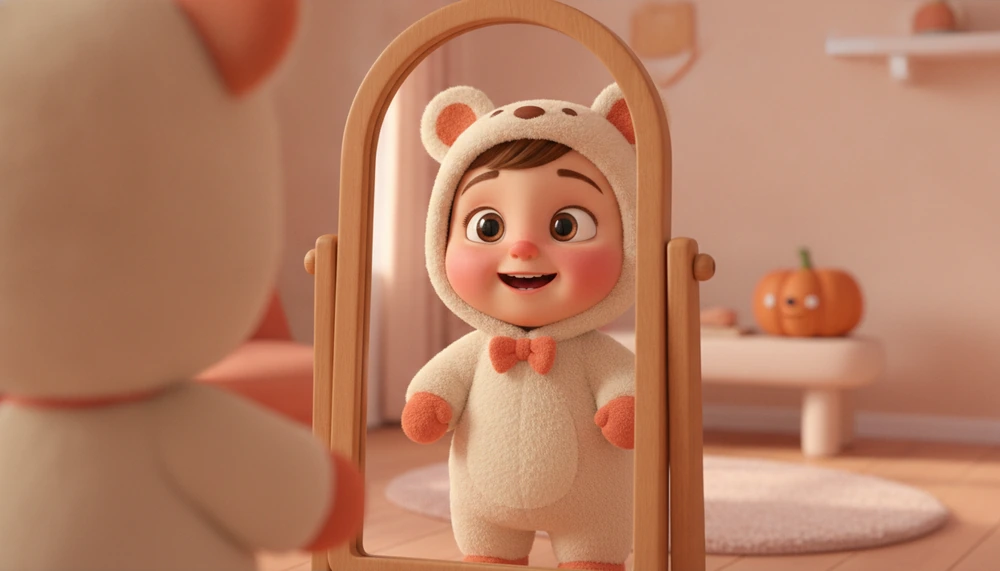
Personalize the Costume Experience
Involve your child in customizing their costume. Whether adding a favorite patch or choosing a specific color, personal touches can make costumes more meaningful and comfortable.
- DIY Elements: Allow your child to decorate or add elements to their costume that reflect their personality.
- Flexible Costumes: Consider costumes that can be worn over regular clothes for added comfort.
Pre-event: Rehearse the Route via Social Story
Preparation is key to a successful Halloween experience. Social stories are an excellent tool to help children anticipate what will happen during trick-or-treating. They can illustrate the sequence of events and familiarize children with the concept of responsible decision-making and social awareness.
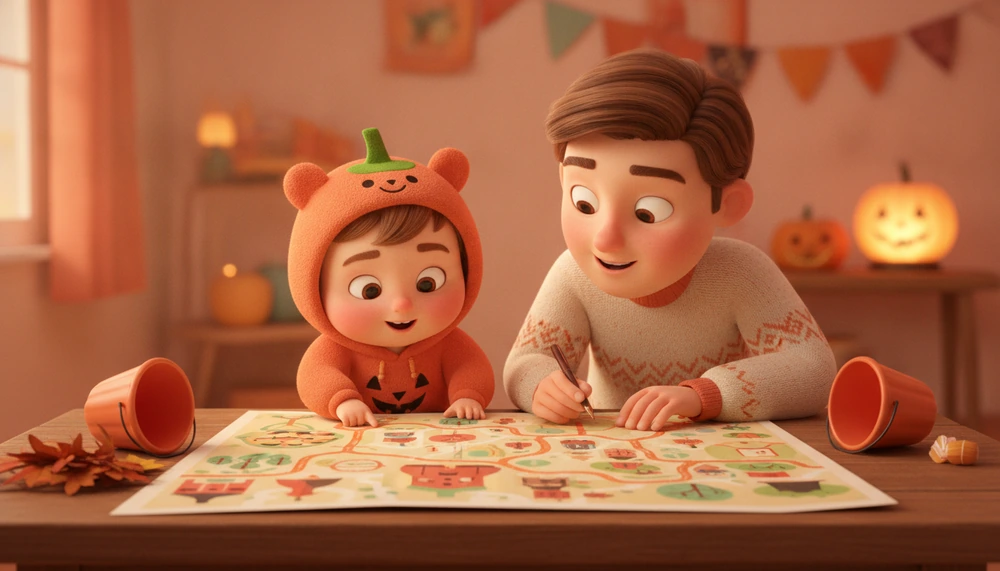
Imagine planning a trick-or-treat route with your child. You might say, "Let's look at the map of our neighborhood. We'll start at Mr. Smith's house and then go to Ms. Lee's house." Practice the route with the Friendly Neighborhood Helper Social Story PDF to build familiarity.
Route Rehearsal Success: Tips for Parents
I've guided families in using route rehearsals as a confidence-building exercise. One family found that walking the route the day before Halloween reduced their child's anxiety significantly.
- Set Expectations: Discuss the sequence of events, such as starting at familiar houses.
- Incorporate Fun: Turn rehearsals into a game, rewarding your child for remembering the route.
The Blue Pumpkin (Autism Awareness Signal)
Carrying a blue pumpkin can signal to others that a child is on the autism spectrum. This is a discreet way to communicate that your child might need extra patience or understanding.
- Community Education: Inform your neighbors about the blue pumpkin's meaning.
- Encourage Empathy: Use it as an opportunity to discuss autism with your child.
The blue pumpkin enhances social awareness by fostering understanding and empathy in the community. This simple signal can make interactions smoother and more enjoyable.
Example: Embracing the Blue Pumpkin
Imagine your child proudly holding a blue pumpkin as they approach a neighbor’s door. The neighbor smiles warmly, understanding the signal. This small gesture promotes an inclusive environment and supports your child’s social interactions.
The Teal Pumpkin (Food Allergy Awareness)
The Teal Pumpkin Project promotes safety and inclusion for children with food allergies. Homes with teal pumpkins offer non-food treats, ensuring everyone can participate safely.
- Promote Inclusivity: Choose non-food treats like stickers or small toys.
- Spread Awareness: Educate neighbors about the significance of a teal pumpkin.
For more information, visit the Teal Pumpkin Project website 2. This project aligns with the SEL competencies of social awareness and relationship skills, as it encourages inclusive practices.
Practical Steps for Implementing Teal Pumpkin
- Prepare Non-Food Treats: Organize a selection of stickers, glow sticks, or small toys.
- Inform Guests: Put up a sign explaining the teal pumpkin’s significance.
Trick-or-Treat Scripts
Helping your child prepare for interactions is crucial. Scripted dialogues can ease anxiety and build relationship skills. Practice different scenarios with your child, such as:
- "Hi! Trick or treat!"
- "Thank you so much! Happy Halloween!"
- "I don't like chocolate, thank you."
Role-playing these interactions can boost your child's confidence and comfort. Encourage them to express themselves and practice self-management during these exchanges.
Practice with Siblings or Friends
Pair your child with a sibling or friend to practice their scripts. This not only enhances their communication skills but also strengthens their relationship skills through cooperative play.
Candy + ADHD: Managing the Sugar-Stim Spiral
For children with ADHD, managing candy consumption is crucial to prevent a sugar-induced energy spike. Self-management and responsible decision-making are key here. Discuss a plan for candy consumption, emphasizing balance and moderation.
- Set Limits: Decide how many pieces of candy are acceptable each day.
- Healthy Alternatives: Offer fruits or nuts as snacks.
Families can establish candy rules together, making it a collaborative effort. This empowers children to participate in creating guidelines, enhancing their self-regulation.
Example: Collaborative Candy Management
Imagine sitting down with your child to discuss candy limits. "You can choose three candies for tonight," you say. Together, you sort candies into 'today' and 'later' piles, fostering a sense of control and decision-making.
Free Download: 'Going Trick-or-Treating' Social Story
To further support your child, download our free social story, 'Going Trick-or-Treating'. This resource illustrates the sequence of events and expected behaviors, promoting self-awareness and social skills. The story is also available in the SocialBlossom app, where it can be explored interactively.
References
1 Prizant, B. et al. (2006). The SCERTS Model — sensory considerations for events. 2 Teal Pumpkin Project. (n.d.). Retrieved from https://www.foodallergy.org/education-awareness/teal-pumpkin-project 3 Kidpower — child personal safety on Halloween/strangers. Retrieved from https://www.kidpower.org
Try It This Week
Reading is the easy part. Skills build through small, repeated practice — here's a low-pressure plan you can try with your child.
- 1Plan a quiet retreatBefore HalloweenDesignate a quiet space for your child to retreat if overwhelmed during Halloween.👉 What this looks likeBefore Halloween, create a quiet retreat in your home. Set up a cozy corner in a bedroom with cushions and soft lighting. Tell your child, 'This is your special quiet spot if you need a break.' Practice using it by spending five minutes there together, reading or just relaxing.
- 2Involve your child in costume choiceThis weekEmpower your child by letting them choose costume elements that fit their sensory needs.👉 What this looks likeThis week, encourage your child to participate in costume selection. Lay out a few options made from soft materials. Ask, 'Which costume feels best to you?' Let them try on each one and express their preferences. This not only empowers them but also builds excitement for Halloween.
- 3Rehearse the trick-or-treat routeDay before HalloweenWalk through your planned route together to build familiarity and confidence.Friendly Neighborhood Helper Social Story PDF →👉 What this looks likeThe day before Halloween, walk the trick-or-treat route with your child. Start at a familiar house, like a friend’s, and move on to others. Say, 'We’ll start here, and then go to the next house.' This rehearsal can ease anxiety and make the actual event feel less daunting. Use the [Friendly Neighborhood Helper Social Story PDF](/products/friendly-neighborhood-helper) for added preparation.
- 4Practice Halloween scriptsDaily, 5 minUse scripted dialogues to prepare your child for trick-or-treat interactions.👉 What this looks likeSpend five minutes each day practicing Halloween scripts. Use phrases like, 'Trick or treat!' or 'Thank you, happy Halloween!' Role-play with stuffed animals or siblings to make it fun and engaging. This not only prepares your child for the event but also enhances their communication skills.
- 5Discuss candy rules togetherThis weekendCollaboratively decide on candy consumption rules with your child to promote responsible decision-making.👉 What this looks likeThis weekend, sit down with your child to discuss candy rules. Say, 'Let’s decide how much candy we’ll eat each day.' Create a chart together, allowing them to mark off candies as they enjoy them. This activity fosters decision-making and gives them a sense of control over their choices.
Frequently Asked Questions
How can I help my child feel more comfortable on Halloween?
What is the blue pumpkin's significance?
How do I implement the Teal Pumpkin Project?
How can we manage candy consumption for children with ADHD?
What are some costume considerations for sensory-sensitive children?
References
