Fostering Emotional Recognition in Autistic Children: A Comprehensive Guide

Understanding Emotional Recognition in Autistic Children
Recognizing and understanding emotions can be challenging for autistic children. Unlike typical emotional development, autistic children often follow a unique trajectory, emphasizing strengths like pattern recognition and logical reasoning. This article is part of our complete guide to Emotion Regulation in Autistic Kids: A Parent's Complete Guide.
Emotional recognition is a critical part of social-emotional learning (SEL), which focuses on developing skills like self-awareness and relationship-building. Autistic children might need different strategies to identify their emotional states due to differences in processing social cues and sensory information 1. By focusing on their strengths and using tools like visual aids and sensory cues, parents can foster emotional understanding in their children.
Example: Recognizing Emotions in Daily Life
Imagine a child who is unsure how to express their feelings about a new situation. A parent can say, "Let's figure out how you feel about this together. Can you point to the face that shows how you're feeling?" Through this dialogue, the child learns to connect emotions with expressions, enhancing their self-awareness.
Role of Visual Aids in Emotion Identification
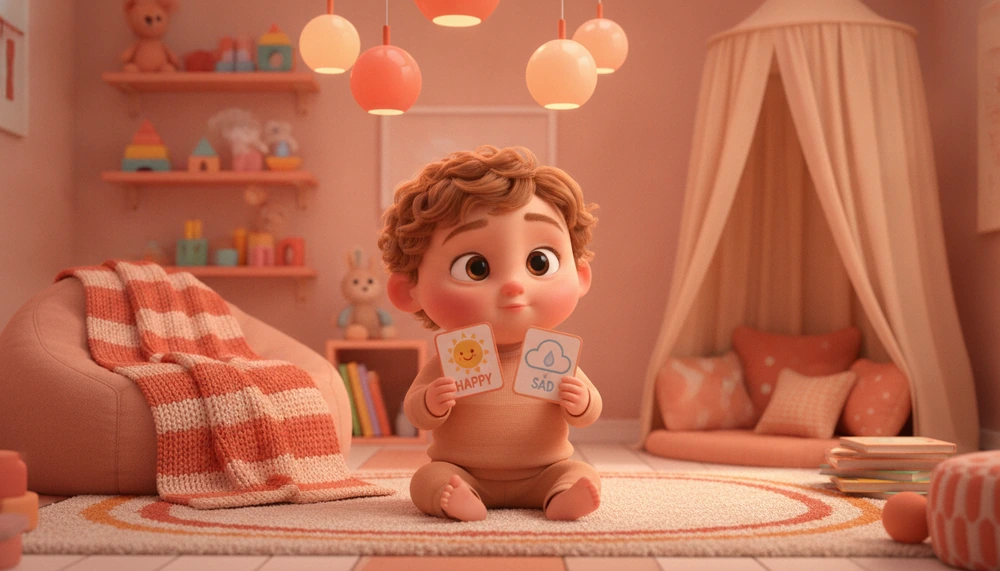
Visual aids are powerful tools for helping autistic kids recognize emotions. These tools leverage the visual strengths many autistic children possess, providing concrete representations of abstract concepts like feelings. Picture cards, emotion wheels, and illustrated stories can be used to visually represent emotions.
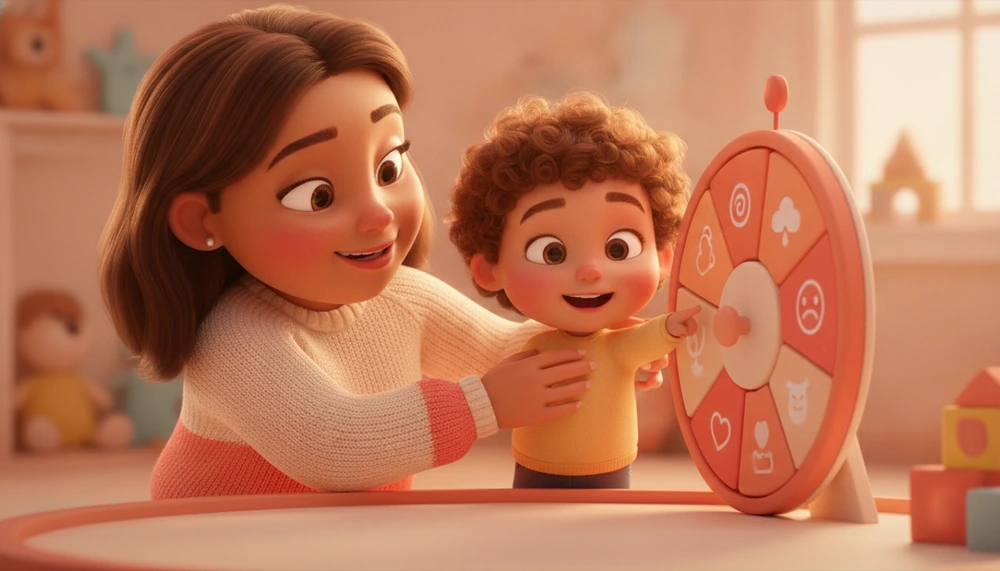
For instance, imagine using an emotion wheel with pictures representing different feelings—happy, sad, angry, or surprised. A child might point to or select a picture that matches their current emotion. This approach not only helps in labeling emotions but also in understanding the association between feelings and expressions.
Example: Using Emotion Cards
A parent might say, "Let's look at these cards together. Can you show me how you feel right now?" The child can choose a card with a smiling face to indicate happiness or a frowning face for sadness. Over time, this practice helps the child associate facial expressions with emotions, enhancing their emotional vocabulary.
Benefits of Visual Aids
- Concrete Representation: Visual aids provide a tangible way to explore emotions.
- Consistent Practice: Regular use helps reinforce emotional vocabulary.
- Engagement: Visuals can capture attention and make learning more engaging.
Sensory Cues and Their Impact on Emotions
Emotion recognition isn't just about visuals; sensory cues play a significant role too. Autistic children often experience heightened sensory sensitivities, which can affect their emotional states. Recognizing how sensory inputs like sound, light, or texture influence emotions can be transformative.
For example, a loud noise might lead to anxiety, while a soft blanket can provide comfort. Understanding these sensory-emotion connections allows parents to anticipate and address emotional changes proactively.
Example: Identifying Sensory Triggers
Imagine a child becoming overwhelmed in a noisy supermarket. A parent might say, "I see the noise is bothering you. Let's cover our ears or find a quieter place." This not only validates the child's feelings but also offers a practical solution, fostering self-regulation.
Creating a Sensory-Friendly Environment
- Soft Lighting: Reduces visual overstimulation and creates a calming atmosphere.
- Comfort Items: Incorporate blankets or soft toys to provide tactile comfort.
- Quiet Zones: Designate areas in the home where the child can retreat to when overstimulated.
Step-by-Step Guide to Teaching Emotional Recognition
Here's a structured approach to teaching emotional recognition:
- Introduce Visual Aids: Start with simple tools like emotion cards or wheels. Explain each emotion with relatable examples.
- Engage in Emotion Naming: Encourage your child to name emotions they observe in themselves or others.
- Use Sensory Cues: Discuss how different environments or sensations affect emotions. Create a list of calming and triggering sensory inputs.
- Practice with Social Stories: Use social stories to explore emotions in various scenarios. Stories like Using Words to Share Our Feelings and Needs can be particularly helpful.
- Reinforce Through Play: Incorporate games that involve identifying and acting out emotions, which can make learning fun and engaging.
Example: Using Role-Playing to Enhance Learning
Consider a role-playing game where a child pretends to be different characters experiencing various emotions. A parent could guide this by saying, "Let's pretend we're feeling excited like we're going on a big adventure! What does your excited face look like?" This reinforces emotional expression through imagination and play.
Creating a Personalized Emotion Recognition Toolkit
Every child is unique, so it's essential to tailor tools and strategies to fit individual needs. A personalized toolkit might include:
- Emotion Cards: Custom-designed cards featuring the child's favorite characters expressing various emotions.
- Sensory Items: Include objects like stress balls or weighted blankets to help manage emotional states.
- Interactive Apps: Consider apps that allow interactive exploration of emotions, like the SocialBlossom app.
Example: Building a Toolkit
A parent might collect their child's favorite toys and create a matching game with emotion cards. As they play together, the child learns to associate each toy with a specific emotion, reinforcing their understanding in a fun, engaging way.
Incorporating Emotion Recognition into Daily Routines
Integrating emotion recognition into everyday activities can reinforce learning and make it a natural part of life. Here are some strategies:
- Morning Check-In: Start the day by asking your child how they feel and encourage them to pick an emotion card.
- Bedtime Reflection: Discuss the day's emotions during bedtime, reinforcing emotional vocabulary.
- Role-Playing: Use role-playing at home to practice identifying and expressing emotions.
Daily Routine Example
During breakfast, a parent might say, "Let's choose a card that shows how you feel about today." This routine helps the child start their day with emotional awareness and gives the parent insight into their child's emotional state.
Tracking Progress and Celebrating Successes
Monitoring your child's progress helps you adjust strategies and celebrate achievements. Keep track of new emotions they identify, and celebrate their success with positive reinforcement.
- Emotion Journal: Maintain a journal to document the emotions your child recognizes each week.
- Celebrate Milestones: Acknowledge their progress with small rewards or special outings.
Example: Celebrating Milestones
When a child successfully identifies a new emotion, a parent might say, "Great job recognizing that you were feeling excited today! Let's celebrate with a trip to the park."
Encouraging Continued Growth
- Weekly Review: Spend time each week reviewing the emotions recognized and setting new goals.
- Positive Reinforcement: Use verbal praise or small rewards to encourage continued effort.
References
Try It This Month
Reading is the easy part. Skills build through small, repeated practice — here's a low-pressure plan you can try with your child.
- 1Start with Morning Check-InsDaily 5 minBegin each day by asking your child to select an emotion card that represents how they feel. This builds self-awareness and emotional vocabulary.👉 What this looks likeEach morning during breakfast, say, "Let's pick a card that shows how you feel today." Your child might choose a card with a smiling face, indicating excitement, or a neutral face for calmness. This simple routine helps them articulate their emotions and gives you insight into their day.
- 2Create a Calm Down KitThis weekendAssemble a kit with sensory-friendly items like stress balls and soft blankets to help your child manage emotions when overwhelmed.use this story →👉 What this looks likeGather items like a soft blanket, a few stress balls, and a favorite toy. Explain to your child, "These are your special items when you need to calm down." Practice using the kit when they're feeling upset or anxious, reinforcing that these tools can help them manage their emotions.
- 3Practice Role-Playing Emotions2-3 times a weekRole-play different scenarios to help your child practice identifying and expressing emotions. This builds empathy and emotional understanding.👉 What this looks likeDuring a play session, say, "Let's pretend we're at a birthday party and you're feeling excited. Show me your excited face!" Encourage your child to express this emotion through facial expressions and actions, enhancing their emotional vocabulary and understanding.
- 4Maintain an Emotion JournalWeeklyKeep a weekly journal documenting the emotions your child recognizes. Reflect on this together to reinforce learning.👉 What this looks likeAt the end of each week, review the journal with your child, saying, "Look at all the emotions you recognized! How did it feel to learn them?" This reflection celebrates progress and sets goals for identifying new emotions, fostering a sense of achievement.
- 5Use Social Stories for LearningOnce a weekIntroduce social stories to explore emotions in relatable scenarios. These stories simplify complex emotions and scenarios.in the SocialBlossom app →👉 What this looks likeChoose a story like "Using Words to Share Our Feelings and Needs" and read it with your child. Discuss the emotions in the story, saying, "How do you think the character felt when they shared their feelings?" This encourages empathy and understanding through relatable narratives.
Frequently Asked Questions
What are visual aids for emotion recognition?
How do sensory cues affect emotions?
What is an emotion recognition toolkit?
How can I incorporate emotion recognition into daily routines?
Why is it important to track progress in emotion recognition?
References
- National Autistic Society - Emotional Understanding. Retrieved from https://www.autism.org.uk/advice-and-guidance/topics/communication/understanding-emotions
- Autism Speaks - Emotional Development. Retrieved from https://www.autismspeaks.org/emotional-development
- Journal of Autism and Developmental Disorders - Emotional Processing. Retrieved from https://link.springer.com/journal/10803
