Understanding and Setting Boundaries for Autistic Kids: A Comprehensive Guide

Introduction: Why Boundaries Matter for Autistic Kids
Understanding and setting personal boundaries is crucial for everyone, including autistic children. Boundaries help define what feels comfortable and safe, ensuring emotional and physical well-being. For autistic kids, establishing boundaries is a vital part of self-advocacy, empowering them to communicate needs effectively. This article is part of our complete guide to Building Self-Advocacy in Autistic Kids: A Parent's Guide.
Research shows that autistic children often develop social-emotional skills on different trajectories. Their approaches are varied and unique, emphasizing strengths over deficits 1. By focusing on boundary setting, we can support children in becoming confident self-advocates capable of expressing their needs and preferences.
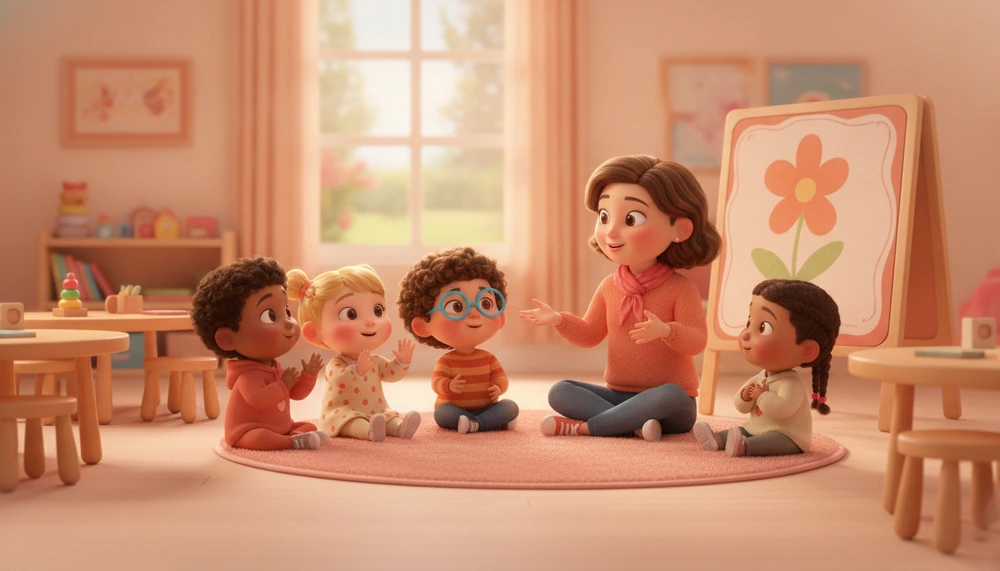
Identifying Personal Boundaries: A Step-by-Step Guide
Helping autistic kids identify personal boundaries starts with understanding what boundaries are. Boundaries can be physical, such as personal space, or emotional, like privacy and respect. Here's a simple guide to help children recognize these boundaries:
- Discuss Personal Feelings: Encourage children to express what makes them feel comfortable or uncomfortable. Use simple language to prompt discussion.
- Use Visual Aids: Tools like pictures or social stories can illustrate scenarios where boundaries might be crossed. Respecting My Space and Yours - Printable Social Story can be a great resource.
- Role-Playing Scenarios: Practice setting boundaries through role-play. This method allows children to experience real-life situations safely.
Example: Identifying a Boundary
Imagine a child named Alex who feels overwhelmed when classmates hug too tightly. Through discussion and role-play, Alex learns to say, "I like high-fives instead of hugs." This empowers Alex to communicate needs clearly.
Additional Step: Personal Boundary Chart
Create a personal boundary chart with your child. This visual tool can include columns for "What I Like" and "What I Dislike," helping children to articulate their boundaries. Revisiting the chart regularly encourages open communication and adjustment as preferences change.
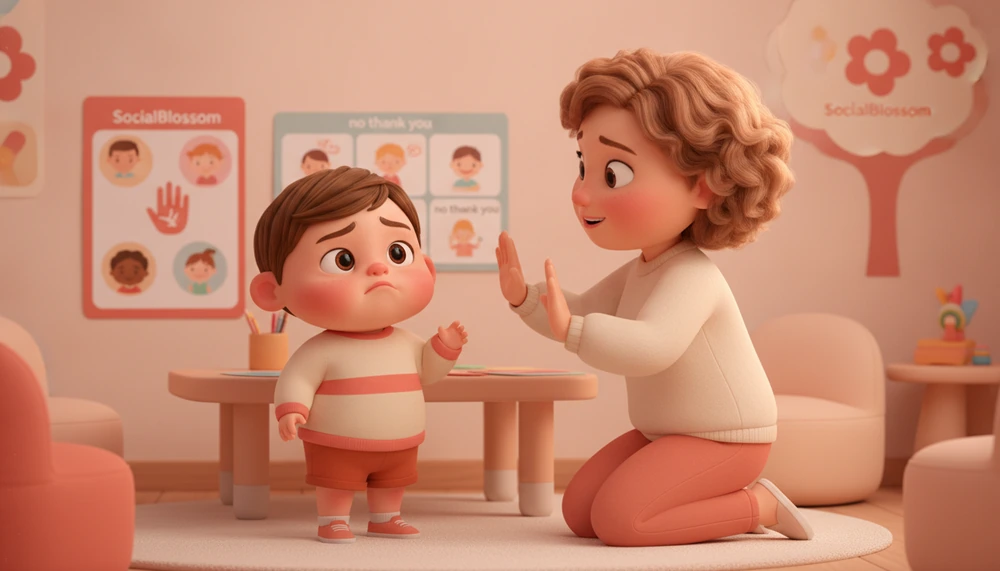
Communicating Boundaries: Language and Tools
Once children understand their boundaries, the next step is effective communication. Teaching autistic kids to articulate their boundaries involves both verbal and non-verbal cues.
- Use Clear Language: Encourage direct phrases like "I don't like that" or "Please stop."
- Incorporate Visual Supports: Tools like picture cards or apps can help children express boundaries without words.
- Practice with Social Stories: Social stories, like Using Honest Words to Ask for What You Want, provide structured scenarios to practice communication.
Scripted Dialogue
Instead of saying "Stop doing that," a child can say:
- "I need some space, please."
- "I feel uncomfortable when you touch my hair."
- "Can we talk about something else?"
Additional Strategy: Practice Through Play
Incorporate boundary communication into playtime. For example, during a game, pause and ask, "Is everyone comfortable with this game? How do we ask if someone isn't?" This habitual practice reinforces skills in a relaxed setting.
Visual Supports for Boundary Setting
Visual supports are invaluable in helping autistic children set and understand boundaries. They provide a concrete representation of abstract concepts, making it easier for children to grasp.
- Charts and Diagrams: Use visual boards to illustrate personal space and emotional boundaries.
- Apps and Digital Tools: Interactive apps can engage children in learning about boundaries in a fun, interactive way.
- Social Stories: Explore our collection of social stories to find tools that teach boundary setting in various contexts.
Example: Visualizing Personal Space
For instance, a "personal bubble" chart can help children visualize the concept of personal space. This can be reinforced with the Understanding Our Personal Bubbles Social Story.
Infographic: Steps to Create a Personal Bubble Chart
- Step 1: Draw a large circle on a board.
- Step 2: Place the child's photo at the center.
- Step 3: Use different colors to mark "close friends," "acquaintances," and "strangers".

Role of Parents in Boundary Support
Parents play a crucial role in reinforcing boundary setting. They can help by:
- Modeling Boundaries: Demonstrate setting boundaries in daily interactions.
- Providing Praise and Encouragement: Acknowledge when children successfully set boundaries.
- Creating a Safe Environment: Ensure home is a space where children feel comfortable expressing their boundaries.
Example: Modeling Boundary Setting
At a family gathering, a parent can model setting a boundary by saying, "I need a few minutes of quiet time before we start." This shows children that it's okay to express their needs.
Additional Tip: Daily Boundary Check-In
Introduce a daily check-in where you ask, "Did anyone set a boundary today? How did it feel?" This routine normalizes boundary discussions and provides space to reflect and adjust.

Common Challenges and How to Overcome Them
Setting boundaries isn't always easy, especially for autistic children. Here are common challenges and strategies to address them:
- Difficulty Articulating Boundaries: Use visual aids or simple scripts to support communication.
- Inconsistent Boundaries: Reinforce boundaries through repetition and practice.
- Peer Pressure: Encourage children to stand firm by role-playing peer scenarios.
Example: Overcoming Peer Pressure
If a child struggles with maintaining boundaries with friends, parents can role-play situations where the child practices saying, "No, I don't want to play that game."
Additional Strategy: Peer Support Groups
Consider joining or forming a peer support group for your child. These groups provide a safe environment to practice boundary setting with peers who understand and respect similar challenges.

Celebrating Success: Acknowledging Boundary Setting Achievements
Celebrating small successes in boundary setting reinforces positive behavior. Recognize achievements with:
- Verbal Praise: Simple acknowledgments like "Great job expressing your needs!"
- Rewards and Incentives: Use charts or stickers to track progress.
- Reflective Conversations: Discuss what made them feel good about setting boundaries.
Example: Acknowledging Achievements
After successfully communicating a boundary, a parent might say, "I saw you told your friend you needed space, and that was very brave."
Additional Celebration: Boundary Achievement Journal
Encourage your child to keep a journal of boundary successes. Reflecting on these moments reinforces positive self-awareness and growth.
References
1 Autism Society [C1]
2 Journal of Autism and Developmental Disorders [C2]
3 Autistic Self Advocacy Network [C3]
Try It This Week
Reading is the easy part. Skills build through small, repeated practice — here's a low-pressure plan you can try with your child.
- 1Discuss Personal FeelingsDay 1Encourage your child to talk about what makes them comfortable or uncomfortable. This builds self-awareness and communication skills.Read more on self-awareness →👉 What this looks likeDuring dinner, ask your child, "What was something that made you feel good today? What about something uncomfortable?" Listen attentively and validate their feelings without judgment.
- 2Create a Personal Boundary ChartDay 2-3Help your child list 'likes' and 'dislikes' on a visual chart. Refer to it regularly to reinforce boundary recognition.Use a printable chart →👉 What this looks likeSpend an afternoon creating a colorful chart together. Include items like 'I like high-fives' and 'I dislike loud noises.' Place it somewhere visible as a daily reminder.
- 3Practice Role-Playing BoundariesThis weekendUse role-play to help your child practice expressing boundaries verbally and non-verbally.Explore role-play scenarios →👉 What this looks likeSet up a role-play where you pretend to be a classmate who wants a hug. Guide your child to say, "I prefer a wave, thank you," and practice until they're comfortable.
- 4Explore Social Stories TogetherDaily, 5 minRead social stories that depict boundary setting. Discuss the scenarios and how they relate to real-life experiences.Browse social stories →👉 What this looks likeChoose a social story like 'Respecting My Space and Yours' and read it together each night. Discuss how the story's scenarios apply to your child's experiences.
- 5Model Boundaries in Daily LifeOnce this weekDemonstrate setting boundaries yourself. Show your child how to express needs respectfully and clearly.Learn more about modeling →👉 What this looks likeNext time you need quiet, say, "I'm going to take a break for five minutes." Explain to your child why setting this boundary is important for everyone.
Frequently Asked Questions
How can I help my autistic child set boundaries?
What tools can assist in teaching boundaries to autistic kids?
What are common challenges in boundary setting for autistic children?
How can parents model boundary setting?
Why are boundaries important for autistic children?
References
