Transforming Family Mealtime: SEL Approaches for Every Child

Understanding Satter's Division of Responsibility
Navigating family mealtime with kids can sometimes feel like a battleground. However, applying Satter's Division of Responsibility can transform this time into a nurturing experience. Ellyn Satter's model suggests that parents are responsible for what, when, and where the food is offered, while children decide whether they will eat and how much 1. This approach respects a child's autonomy, fostering self-awareness and self-management.
In my practice, I often see parents overwhelmed by the pressure to ensure their children eat "enough" or "healthy" foods. By shifting the focus from control to responsibility, parents can alleviate stress and create a positive mealtime environment. I've seen families where children, once pressured, find joy in exploring new foods when given the freedom to choose.
Implementing the Model
- Provide a variety of foods: Offer different textures and tastes without pressure.
- Set consistent mealtimes: Establish a routine that children can rely on.
- Create a pleasant atmosphere: Encourage conversation and relaxation.
This approach not only promotes healthy eating habits but also empowers children to make decisions, a crucial aspect of responsible decision-making. In my practice, I've observed children developing better eating habits and more positive attitudes towards food when they feel in control of their choices.

Why Food Battles Destroy SEL Practice
Food battles often arise from a place of concern but can inadvertently damage the social-emotional learning (SEL) environment. Conflict at the table can undermine a child's sense of security and belonging, critical components of social awareness and relationship skills.
Example: Imagine Jake, a 6-year-old, who refuses his vegetables. Instead of demanding he eat them, his parents could say, "It's okay if you don't want them. Would you like to tell us about your day at school instead?" This shift from conflict to conversation helps maintain a positive atmosphere.
Key Points to Avoid Conflicts:
- Avoid coercion: Pressuring children to eat can lead to resistance.
- Encourage expression: Allow children to express their likes and dislikes without judgment.
- Focus on connection: Use mealtime to connect through shared stories or interests.
Expanding on this, consider how each meal is an opportunity to practice empathy and understanding. For instance, by saying, "I understand you don't like peas; let's find something else you enjoy," parents validate their child's feelings while keeping the dialogue open.
Mealtime Conversation Starters by Age
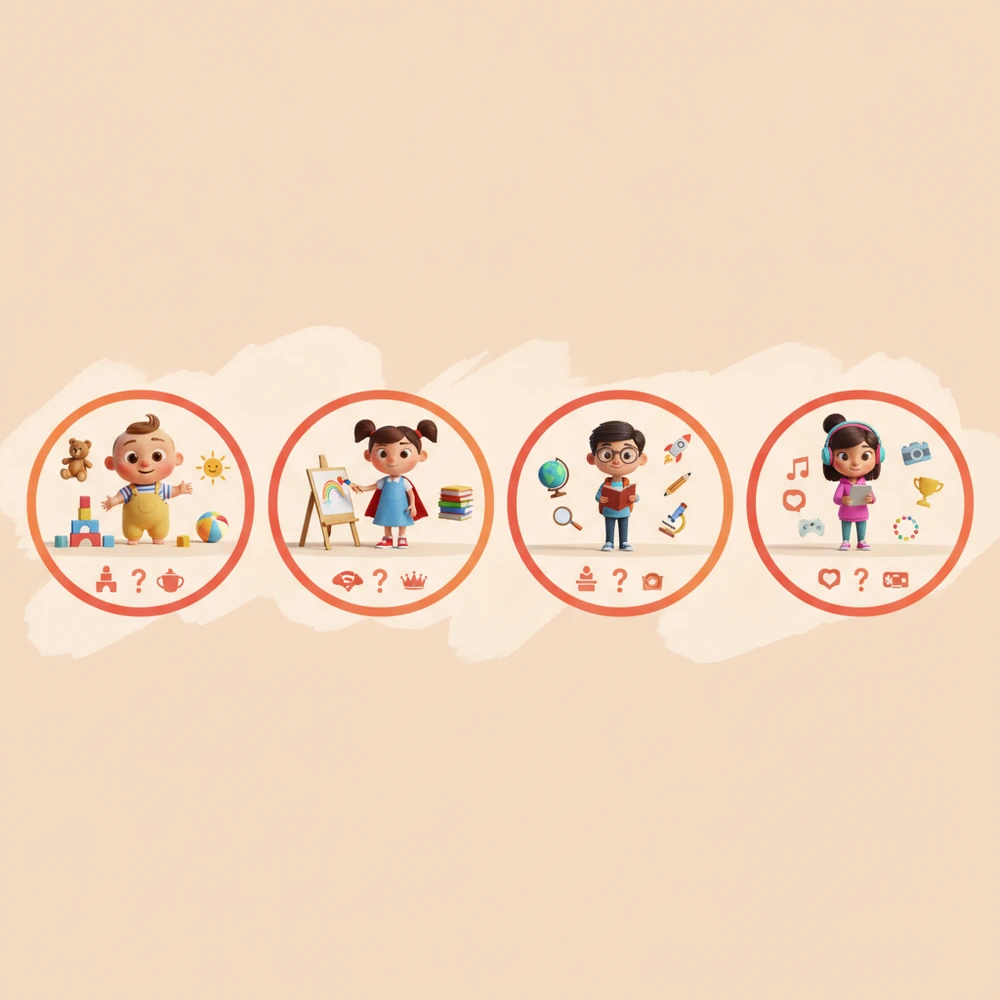
Engaging children in conversation during meals can boost their communication skills and deepen family bonds. Here are some age-appropriate conversation starters:
-
Toddlers (Ages 2-3):
- "What color is your favorite food on the plate?"
- "Can you show me how big or small your bite is?"
-
Preschoolers (Ages 4-5):
- "What was the happiest part of your day?"
- "If your food could talk, what would it say?"
-
School-age (Ages 6-10):
- "What is something new you learned today?"
- "If you could eat one food forever, what would it be?"
-
Tweens (Ages 11-13):
- "What is a goal you have for this week?"
- "If you could invite anyone to dinner, who would it be and why?"
These questions encourage self-awareness and the sharing of thoughts and feelings, enhancing SEL. In my experience, such conversations often reveal insights into a child’s world, enhancing mutual understanding.
The 'High Low' Family Ritual
One powerful SEL practice is the 'High Low' ritual, where each family member shares a high point and a low point of their day. This simple yet effective activity promotes emotional expression and empathy.
Example: During dinner, each person takes turns sharing their day's highlights and challenges. This practice fosters a supportive environment where children learn to listen actively and express empathy.
Research indicates that such rituals enhance a child's ability to understand and manage emotions, key components of emotional intelligence. Additionally, it builds a routine of emotional check-ins that helps children feel valued and heard.
Screen-Free Meals — Even Briefly
In today's digital age, screens often intrude into family time, but even brief periods of screen-free meals can significantly enhance family connection. Eliminate distractions during meals to allow for focused interaction and engagement.
Example: Set a timer for 10-15 minutes of screen-free time at the start of the meal. Use this opportunity to practice mindful eating and conversation. Over time, your family may find these moments of connection more rewarding than screen time.
Benefits of Screen-Free Meals:
- Improved focus on food and family
- Enhanced communication skills
- Better awareness of hunger cues
These benefits contribute to a child's self-regulation and social awareness, essential SEL components.
When Eating Itself is a Struggle
For some families, the act of eating can be challenging, whether due to picky eating or sensory issues. It's important to approach these situations with patience and understanding.
Strategy for Picky Eaters:
- Introduce new foods slowly: Offer them alongside familiar favorites.
- Use positive reinforcement: Celebrate small victories without pressure.
- Remain patient: Allow time for adaptation without stress.
Approaching meals as a low-pressure environment can help children explore foods at their own pace, fostering self-management and decision-making.

Mealtime and Neurodivergent Kids
For neurodivergent children, mealtime can present unique sensory challenges. Understanding these needs is crucial for creating a supportive environment.
Sensory Considerations:
- Texture sensitivity: Offer a variety of textures to explore.
- Noise sensitivity: Keep the environment calm and predictable.
- Routine: Stick to familiar routines to reduce anxiety.
In My Practice: I've seen many parents successfully use sensory tools, like noise-canceling headphones or fidget items, to help their children feel more comfortable at the table. These small adjustments can make a big difference in a child's willingness to participate in meals.
For more strategies on supporting neurodivergent children during transitions, explore our article on First-Then Boards.
References
1 Satter, E. (2008). Secrets of Feeding a Healthy Family — Division of Responsibility.
Gottman, J. (1997). Raising an Emotionally Intelligent Child.
Try It This Month
Reading is the easy part. Skills build through small, repeated practice — here's a low-pressure plan you can try with your child.
- 1Implement Consistent MealtimesDay 1Establish a regular meal schedule to provide predictability and routine, which aids in children's self-management and decision-making.👉 What this looks likeChoose set times for breakfast, lunch, and dinner. Announce the schedule to your child: 'Breakfast at 7:30, lunch at 12, and dinner at 6.' Children thrive on routine and knowing what to expect can reduce anxiety and resistance.
- 2Introduce a New Food WeeklyWeeklyEncourage exploration by offering a new food alongside familiar favorites each week. This builds curiosity and openness.👉 What this looks likeAt Sunday dinner, introduce a new vegetable like asparagus with a familiar favorite, such as chicken nuggets. Say, 'Tonight we're trying asparagus. It's next to your nuggets, so you can taste it if you're curious.'
- 3Practice Screen-Free DinnersDailyDedicate 10-15 minutes at each meal for screen-free time. Enhance focus on family and food, improving communication and connection.👉 What this looks likeDuring dinner, say, 'Let's put our phones away for 15 minutes and see what happens.' Use this time to ask each family member about their day or to share a fun fact.
- 4Use 'High Low' RitualsDailyIncorporate the 'High Low' ritual in your dinners to promote emotional sharing and empathy. It enhances family bonds.👉 What this looks likeDuring dinner, each person shares one high and one low from their day. Encourage responses like, 'That sounds exciting!' or 'That must have been tough.' This practice helps children articulate emotions and develop empathy.
- 5Adapt Meals for Sensory NeedsAs neededOffer sensory tools like noise-canceling headphones or fidget toys to support neurodivergent children. Consider their comfort.explore more strategies →👉 What this looks likeBefore dinner, ask your child, 'Would you like your headphones?' If they agree, set them up at their seat with the headphones and say, 'These will help you feel more comfortable while we eat.'
Frequently Asked Questions
What is Satter's Division of Responsibility?
How can I reduce mealtime battles?
Why are screen-free meals important?
How do I support a picky eater?
What are sensory considerations for neurodivergent kids?
References