Mindfulness and Deep Breathing: Choosing the Right Tool for Emotional Support
Different Tools for Different Jobs
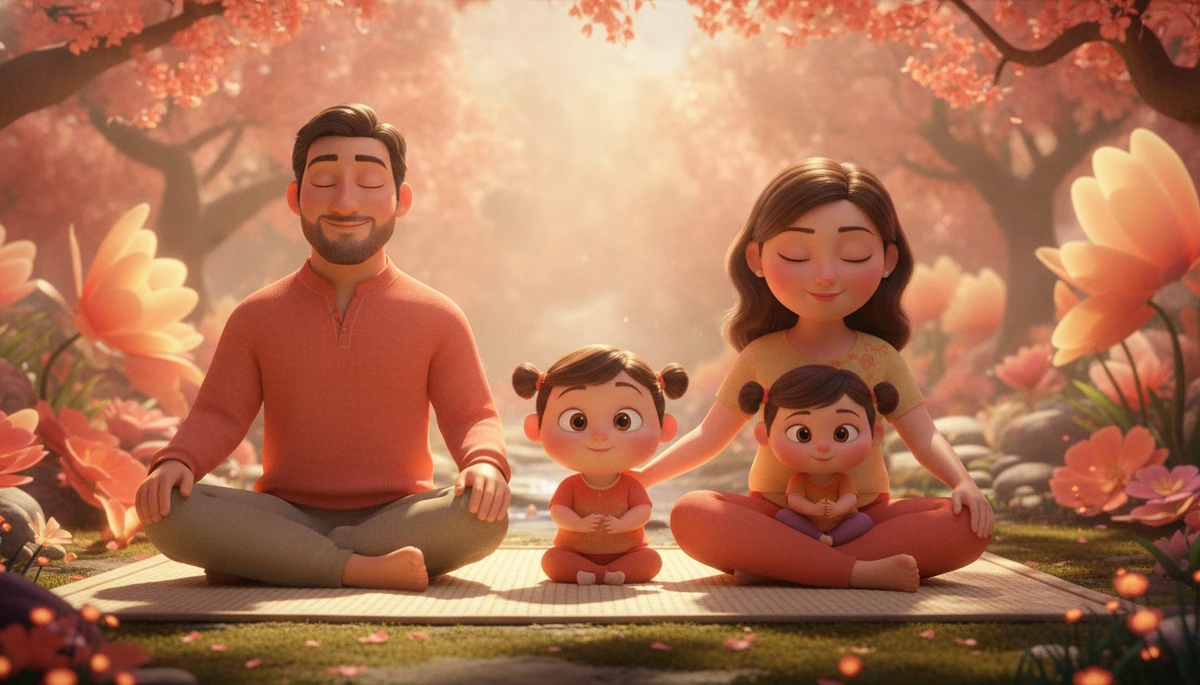
In the realm of Social-Emotional Learning (SEL), both mindfulness and deep breathing exercises offer valuable benefits, yet they serve different purposes. Understanding these differences can empower parents and educators to choose the right tool for the right moment. This article is part of our complete guide to Mindfulness for Kids: An SEL Tool, Not a Trend.
Mindfulness involves paying deliberate attention to the present moment without judgment. It's about building awareness over time. In contrast, deep breathing exercises focus on calming the body by activating the vagal nerve, providing immediate relief during stressful situations.
Let's explore how each technique operates, their unique benefits, and when to apply them effectively in everyday life.

Deep Breathing: Vagal-Nerve Activation
Deep breathing is a powerful tool for calming the nervous system. By engaging the vagal nerve, deep breathing helps reduce stress and anxiety quickly. This technique is particularly effective in moments of acute distress, providing a sense of immediate relief.
Imagine a situation where your child is overwhelmed by a crowded, noisy environment. In such moments, teaching them to take slow, deep breaths can help activate their parasympathetic nervous system, promoting calmness and reducing the fight-or-flight response.
How It Works
- Inhale deeply through the nose, allowing the abdomen to expand.
- Exhale slowly through the mouth, feeling the tension release.
- Repeat this process several times until a sense of calm is restored.
In my practice, I often guide parents to model this behavior. For instance, during a family outing, if a child becomes agitated, a parent might say, "Let's take five deep breaths together." This shared activity not only calms the child but also strengthens the parent-child relationship.
A Real-Life Scenario
Consider a family visit to a busy amusement park. The child becomes overwhelmed with the noise and crowd. The parent notices the child's discomfort and suggests a quiet spot to sit together. "Let's try our breathing exercise," the parent says, modeling the deep breath. As they breathe together, the child visibly relaxes, and the moment becomes a bonding experience rather than a meltdown.
Mindfulness: Attention Training
Mindfulness, on the other hand, is a practice of focusing one's full attention on the present moment. Unlike deep breathing, which is a quick fix, mindfulness is about building skills over time. It enhances self-awareness, helping children recognize and manage their emotions more effectively.
Research by Kabat-Zinn 2 shows that regular mindfulness practice can lead to improved emotional regulation and reduced stress. This long-term benefit makes mindfulness a valuable skill for children to develop.
Practicing Mindfulness
- Start small: Engage in short, daily mindfulness exercises.
- Focus on sensations: Encourage children to pay attention to sounds, smells, or the feeling of their breath.
- Use guided meditations: These can be helpful tools for beginners.
Consider a child sitting quietly, noticing the sensation of a soft breeze or the sounds of nature. These simple acts of attention foster a sense of peace and clarity, enhancing their ability to focus and manage emotions.
An Example from Practice
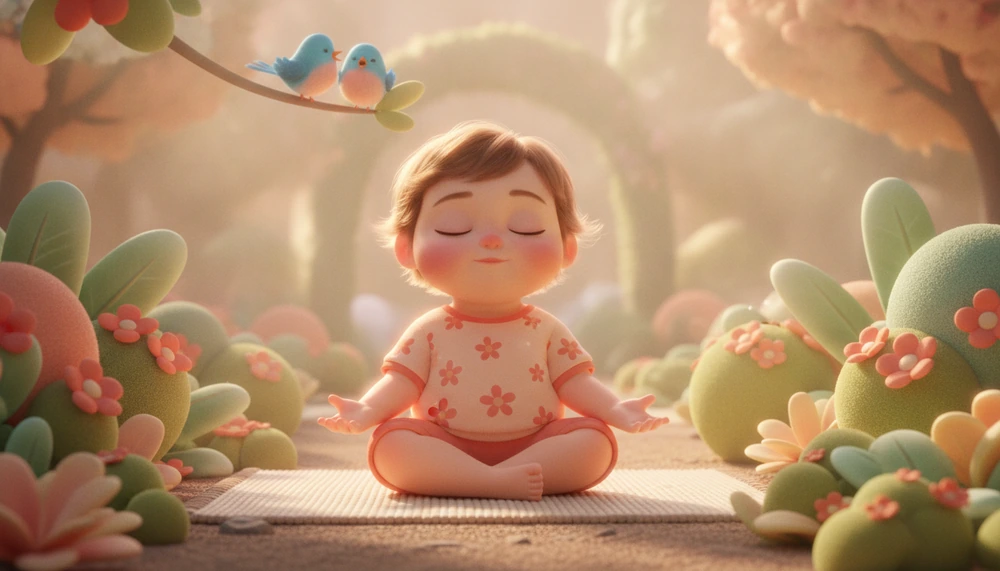
In my practice, I have seen the transformative power of mindfulness in children with high anxiety. One parent introduced a "mindful moment" every evening, where the family would pause and spend five minutes listening to calming music while focusing on their breathing. Over weeks, the child exhibited fewer anxiety symptoms and developed a more positive outlook on daily challenges.
When to Use Breathing: Acute Distress
Deep breathing is particularly useful during acute emotional distress. It provides quick relief by slowing the heart rate and calming the mind. This technique can be a lifesaver in moments of intense emotion.
Real-Life Example
Imagine your child is frustrated because a favorite toy isn’t working. Instead of escalating into a meltdown, you can guide them by saying, "Let's breathe together to help our minds feel better." This approach transforms a challenging moment into an opportunity for co-regulation.
- Step 1: Acknowledge the feeling: "I see you're upset."
- Step 2: Model deep breathing: "Watch me breathe slowly."
- Step 3: Breathe together: "Let's do this together."
This method not only helps the child calm down but also teaches essential self-management skills.
Another Scenario
During homework time, your child expresses frustration with a difficult math problem. Encourage a break for deep breathing: "Let's step away and breathe for a minute." This practice not only eases frustration but also improves focus and problem-solving skills.
When to Use Mindfulness: Skill-Building
Mindfulness is ideal for skill-building over time. It's not a quick solution but a practice that enhances emotional intelligence, helping children to become more self-aware and empathetic.
Scripted Dialogue
Imagine a morning routine where mindfulness is woven into daily activities. As your child gets ready for school, you might say:
- "Let's notice how the toothpaste feels when we brush our teeth."
- "What sounds do you hear as we walk to school?"
These simple prompts encourage children to engage fully with their senses, fostering a habit of mindfulness that can enhance their emotional resilience over time.
In My Practice
I recall working with a child who struggled with transitions. The parents incorporated mindfulness into morning routines, focusing on the sensations of getting dressed and eating breakfast. Over time, the child became more adaptable and less resistant to changes, illustrating mindfulness's power in building emotional flexibility.
Combining Them: Yes You Can
Mindfulness and deep breathing are not mutually exclusive. In fact, they can complement each other beautifully. For example, a mindfulness practice can start or end with deep breathing, helping to anchor attention and soothe the nervous system.
In my practice, I often recommend starting a mindfulness session with a few deep breaths to center and focus the mind. Combining these practices provides both immediate relief from stress and long-term emotional benefits.
Practical Application
Consider a bedtime routine where mindfulness and deep breathing are used together. Begin with a few moments of deep breathing to help your child settle, then move into a mindfulness exercise, such as a body scan or listening to calming sounds. This routine can enhance sleep quality and emotional regulation.
Decision Tree (Free Download)
To help decide whether mindfulness or deep breathing is more appropriate for a given situation, we’ve created a handy decision tree. This tool guides you through choosing the right practice, whether your child is experiencing immediate stress or you're looking to build emotional skills over time.
Download your free decision tree here.
References
1 Porges, S. (2011). The Polyvagal Theory. New York: W.W. Norton & Company.
2 Kabat-Zinn, J. (1990). Full Catastrophe Living: Using the Wisdom of Your Body and Mind to Face Stress, Pain, and Illness. New York: Delacorte Press.
Try It This Week
Reading is the easy part. Skills build through small, repeated practice — here's a low-pressure plan you can try with your child.
- 1Introduce Deep BreathingDay 1Teach deep breathing by modeling it. Use moments of stress as opportunities to practice together.👉 What this looks likeDuring a stressful homework session, pause and say, 'Let's try some deep breathing to calm our minds.' Sit together, take a deep breath in through the nose, and slowly exhale through the mouth. Repeat until your child feels calmer.
- 2Create a Mindful MomentDaily, 5 minSet aside time each day for a 'mindful moment' to build self-awareness and emotional regulation.👉 What this looks likeAfter dinner, gather as a family for a 5-minute mindful listening session. Sit quietly and pay attention to the sounds around you, like the hum of the fridge or distant traffic. Share what you noticed afterward to encourage awareness.
- 3Model Mindfulness with Daily TasksDay 3Incorporate mindfulness into daily routines to enhance focus and presence.👉 What this looks likeWhile brushing teeth, say out loud, 'Let's feel the toothbrush on our teeth and notice the minty taste.' Encourage your child to focus on these sensations, making the activity a mindful experience.
- 4Use Guided MeditationsThis weekendIntroduce guided meditations as a tool for mindfulness practice, especially for beginners.use this story →👉 What this looks likeFind a short, child-friendly guided meditation online. Together, listen to it before bedtime. Discuss how it made both of you feel and decide if it's something you'd like to continue.
- 5Combine Breathing and MindfulnessOnce this weekPractice combining deep breathing with mindfulness exercises for holistic emotional support.👉 What this looks likeBefore bed, sit with your child and start with three deep breaths. Then, move into a mindfulness exercise like a body scan, asking them to notice how each part of their body feels. This activity promotes relaxation and emotional awareness.
Frequently Asked Questions
How can I introduce mindfulness to my child?
What if my child resists deep breathing?
Can mindfulness help with my child's focus?
How often should we practice deep breathing?
Are there specific times for mindfulness exercises?
What's the difference between mindfulness and meditation?
References
- Porges, S. (2011). The Polyvagal Theory. New York: W.W. Norton & Company.
- Kabat-Zinn, J. (1990). Full Catastrophe Living: Using the Wisdom of Your Body and Mind to Face Stress, Pain, and Illness. New York: Delacorte Press.