Mindfulness for Kids: A Practical Guide for Parents
In This Guide
- Why Traditional Meditation Fails Kids (and What Works Instead): Exploring why adult-style meditation doesn't fit.
- Body Scan for Kids: A 5-Minute Activity (with Script): A simple body scan exercise tailored for children.
- Mindfulness for ADHD Kids: Realistic Expectations: Adapting mindfulness practices for children with ADHD.
- Mindfulness vs Deep Breathing: When Each One Helps: Understanding the differences and benefits of both practices.
Understanding Mindfulness for Kids
Mindfulness, often associated with meditation and adult practices, is gaining popularity in schools and homes as a tool for social-emotional learning (SEL). It involves paying attention to the present moment with acceptance and without judgment. But, how does this translate for children? Unlike adults, children often require different approaches to mindfulness that are engaging and suitable for their developmental stages.
Why Mindfulness is Important for Kids
Mindfulness supports children in developing self-awareness, a core SEL competency. By learning to focus on the present moment, children can better understand their feelings, thoughts, and impulses. Research indicates that mindfulness practices can help improve attention, emotional regulation, and even academic performance 3.
In my practice, I've seen many children benefit from even simple mindfulness exercises. One nine-year-old, Jake, struggled with anxiety during tests. By practicing mindful breathing, he learned to anchor himself during stressful moments, which improved his confidence and focus.
Moreover, mindfulness can enhance social awareness by helping children recognize emotions in themselves and others. This understanding fosters empathy and strengthens relationships. As children become more aware of their internal experiences, they develop a greater capacity for emotional regulation and responsible decision-making.
The Gap: Adult vs. Child Mindfulness
While mindfulness has been adapted for kids, many approaches simply miniaturize adult techniques, expecting stillness and silence. However, children's mindfulness thrives when it involves movement, creativity, and brevity. For instance, exercises that incorporate play or special interests resonate more with young minds.
Example: Imagine Maya, a six-year-old, who loves dinosaurs. Instead of asking her to sit still, we engage her in a "dinosaur walk"—slow, deliberate steps with mindful attention to each movement. This approach not only holds her interest but also integrates mindfulness into her play.
In another instance, Sam, a seven-year-old who enjoys art, was encouraged to draw his emotions. By assigning colors to different feelings, he could express and visually navigate his emotional landscape, making mindfulness a part of his creative process.
Effective Mindfulness Exercises for Kids
Mindful Breathing for Children
Mindful breathing is a cornerstone of mindfulness practice. For children, it can be a fun and calming exercise that helps them manage their emotions. It can transform a stressful situation into a moment of calm.
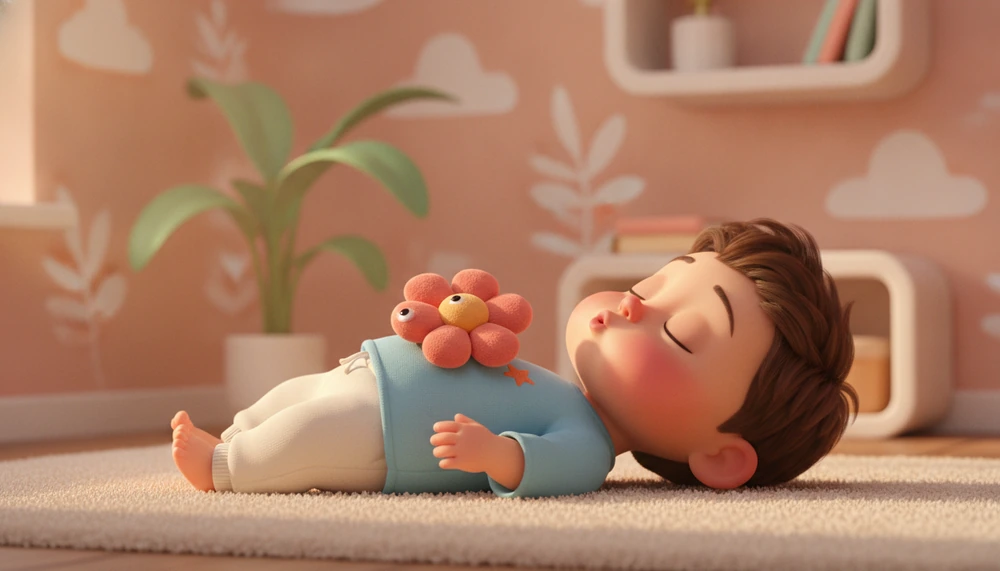
- Belly Breathing: Have your child lie down and place a small stuffed animal on their belly. Ask them to breathe in deeply through their nose and watch the toy rise, then breathe out through their mouth and watch it fall.
- Dragon Breaths: Encourage your child to imagine they are a dragon. Inhale deeply, then exhale with a roar, like a dragon breathing fire. This can be a playful way to engage them in controlled breathing.
Practicing these exercises daily can improve a child’s ability to self-manage their emotions and reactions, which is crucial for their overall development.

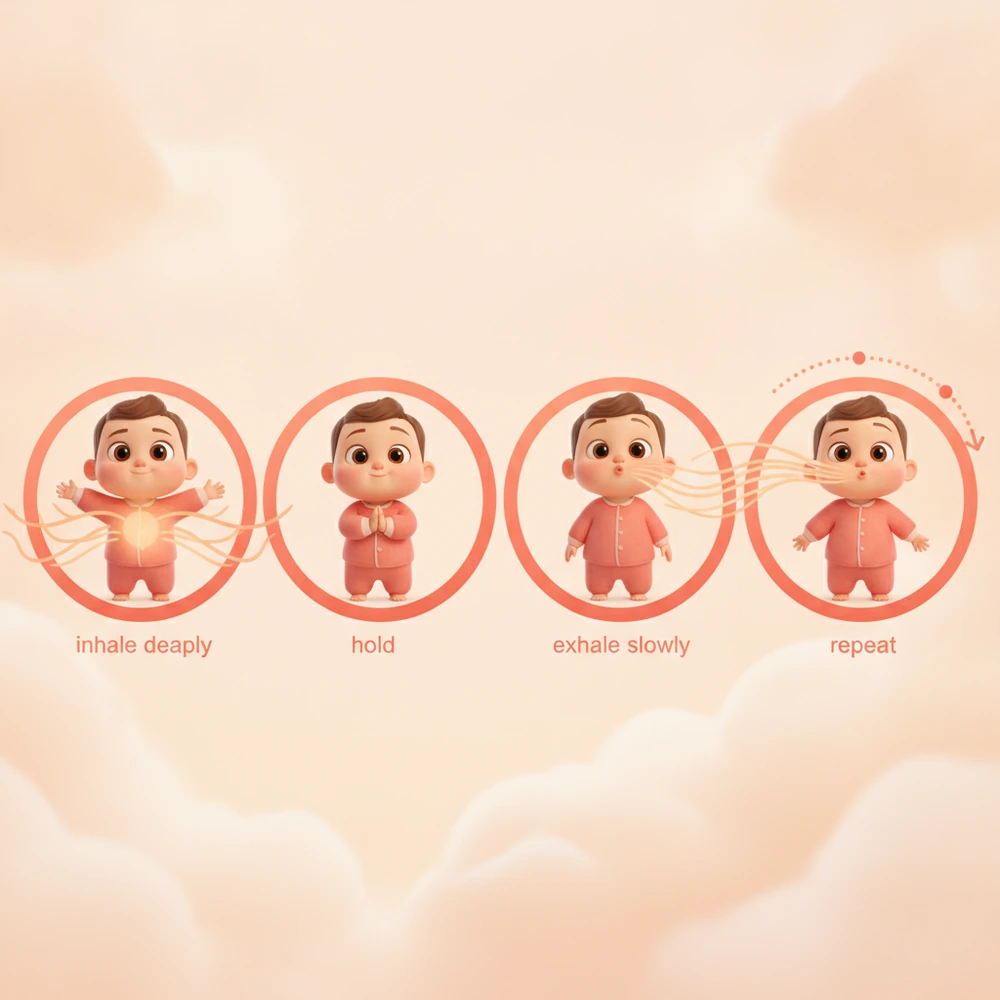
Infographic: Steps for Mindful Breathing
Visualizing Calm: The Snow Globe Method
This activity helps children visualize and understand emotions by comparing them to a shaken snow globe, where the swirling snow represents their thoughts and feelings.
- Begin by shaking a real or imaginary snow globe and explaining how it represents their mind when upset or excited.
- As the snow settles, discuss how sitting quietly and breathing can help their thoughts settle too.
This method not only illustrates emotional regulation but also provides a visual and interactive way for kids to engage in mindfulness.
Example: During a particularly hectic day, Lisa, a ten-year-old, was feeling overwhelmed by multiple assignments. Her teacher used the snow globe method to help her visualize calming down. By focusing on her breath and watching the snow settle, Lisa was able to regain focus and tackle her tasks with a clearer mind.
Mindfulness in Movement
Children are naturally energetic, and incorporating movement into mindfulness practices can be highly effective. Yoga and Tai Chi are excellent ways to introduce mindfulness in a physical format.
Simple Yoga Poses for Mindfulness
- Tree Pose: Encourage your child to stand tall, place one foot on the opposite leg, and balance like a tree. Focus on breathing and maintaining balance.
- Starfish Pose: Have your child stretch out on the floor like a starfish, focusing on the sensation of each limb touching the ground.
These exercises not only promote body awareness but also provide a structured, calming activity.
In my practice, I often recommend parents incorporate these poses into playtime. For example, during a game of "Freeze Dance," when the music stops, children can strike a yoga pose. This playful integration encourages mindfulness without disrupting their natural energy flow.
Incorporating Mindfulness into Daily Routines
Mindfulness doesn't have to be a standalone activity. Integrating it into daily routines can make it a natural part of life. Here’s how you can incorporate mindfulness into your child's day:
Morning Mindfulness Routine
Start the day with a calm, focused mind by introducing a short mindful exercise during your morning routine.
- Mindful Breakfast: Encourage your child to eat slowly, noticing the texture and taste of their food. This can set a peaceful tone for the day.
- Mindful Dressing: Turn getting dressed into a mindful activity by focusing on the sensation of the fabric and the movements involved.
These activities foster self-management by helping kids start their day with intention and calm. Explore our Morning Routine for a Calm Start story.
For children like Alex, who often feels rushed in the morning, these mindful activities have significantly improved his mood and readiness for school. By focusing his mind on the present, Alex transitions into his day with less stress and more enthusiasm.

Mindfulness for Kids with Special Needs
Mindfulness can be particularly beneficial for children with special needs, such as ADHD or autism. However, these practices must be adapted to suit their unique requirements.
Adapting Mindfulness for ADHD
Children with ADHD often find it challenging to stay still or focus for extended periods. Mindfulness practices for them should be short and engaging.
- Five Senses Exercise: Ask your child to identify something they can see, hear, touch, taste, and smell. This exercise can help ground them in the present moment and improve their attention span.
For more tailored strategies, see our guide on Mindfulness for ADHD Kids: Realistic Expectations.
Example: During a play session, nine-year-old Ethan was guided through the Five Senses Exercise. By focusing on the immediate environment, Ethan was able to calm his mind and engage more fully with his activities.
Free Mindfulness Resources for Parents
To make mindfulness accessible, we've created a variety of free resources you can use at home or in the classroom. From printable guides to interactive activities, these tools are designed to support your child's SEL journey.
Printable Mindfulness Activities
Explore our collection of printable social stories about mindfulness and regulation. These resources are perfect for helping children understand and practice mindfulness in a fun and engaging way.
In my practice, I've found that parents who regularly use these resources report noticeable improvements in their children's ability to manage stress and emotions.
Encouraging Mindfulness in Schools
Schools are increasingly adopting mindfulness as part of their curriculum due to its benefits in improving student focus and reducing stress. Teachers can incorporate short mindfulness breaks, breathing exercises, and mindful listening activities to enhance the school environment.
Implementing Mindfulness in the Classroom
- Mindful Listening: Use a bell or chime at the start of a lesson. Ask students to close their eyes and listen to the fading sound, focusing their attention.
- Breathing Buddies: Pair students up to practice belly breathing with a buddy, reinforcing the practice through social interaction.
These strategies not only support academic learning but also foster relationship skills and a collaborative classroom environment.
Moreover, teachers have reported that incorporating mindfulness has led to a decrease in disruptive behaviors and an increase in student engagement. When children practice mindfulness together, they learn to appreciate quiet moments and respect each other’s space and feelings.
References
1 Greenland, S. (2010). The Mindful Child. 2 Kabat-Zinn, J. (1990). Full Catastrophe Living. 3 Zenner, C. et al. (2014). Mindfulness-based interventions in schools — systematic review. Frontiers in Psychology.
Try It This Month
Reading is the easy part. Skills build through small, repeated practice — here's a low-pressure plan you can try with your child.
- 1Introduce Mindful BreathingDay 1Teach your child mindful breathing using the dragon breath technique. It helps them manage emotions through fun and engagement.dragon breath technique →👉 What this looks likeAfter school, invite your child to sit with you. Say, 'Let's pretend to be dragons!' Inhale deeply together, then exhale with a gentle roar. Repeat three times. This playful approach eases into mindfulness without pressure.
- 2Practice the Snow Globe MethodDay 3Use the snow globe method to visualize calming down. It helps children understand and regulate their emotions visually.snow globe method →👉 What this looks likeDuring a moment of frustration, show your child a snow globe. Shake it and say, 'Your thoughts are like this. Let's watch them settle.' Sit quietly and breathe together, watching the snow fall. This visual cue aids emotional understanding.
- 3Incorporate Mindfulness into PlayWeekendBlend mindfulness with play, such as yoga poses during games. It integrates mindfulness into their natural activities.yoga poses →👉 What this looks likeDuring a game of 'Simon Says,' include yoga poses like the Tree or Starfish Pose. Say, 'Simon says, be a tree!' This fun twist introduces mindfulness seamlessly into playtime.
- 4Create a Mindful Morning RoutineDaily, MorningStart the day with mindful activities like a slow breakfast or mindful dressing to set a peaceful tone.mindful morning routine →👉 What this looks likeAs you prepare breakfast, invite your child to notice the colors and textures of the food. Ask, 'What do you notice about the toast today?' This practice fosters a calm start, enhancing focus for the day ahead.
- 5Adapt Mindfulness for Special NeedsWeeklyUse short, engaging exercises for children with ADHD or autism. Tailor practices to their unique needs.Mindfulness for ADHD →👉 What this looks likeGuide your child through the Five Senses Exercise. Ask, 'What do you hear right now?' This practice grounds them in the present, improving focus and attention.
Frequently Asked Questions
How can I introduce mindfulness to my child?
What are the benefits of mindfulness for children?
Are there specific mindfulness exercises for children with ADHD?
How can schools implement mindfulness practices?
Can mindfulness help with anxiety in children?
References