Natural, Logical, and Punitive Consequences: An SEL Perspective

Understanding Natural, Logical, and Punitive Consequences
In the realm of parenting, understanding the differences between natural, logical, and punitive consequences is crucial. Natural consequences are the outcomes that happen without any intervention. For example, if a child refuses to wear a coat on a cold day, they will feel cold. Logical consequences, on the other hand, are imposed by parents and are directly related to the child's action. For instance, if a child spills milk, they clean it up. Lastly, punitive consequences are unrelated punishments, such as taking away video games for spilling milk, which often do not teach the intended lesson.
This article is part of our complete guide to Discipline Without Damage: An SEL-Based Approach, where we delve deeper into the SEL lens on discipline.
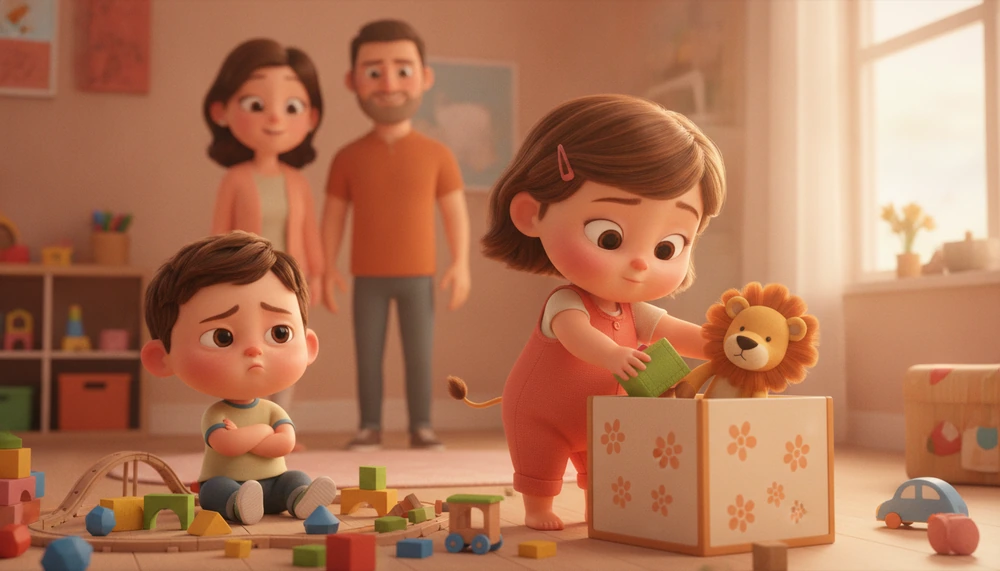
To further illustrate, imagine a typical day with siblings arguing over a toy. Instead of removing the toy as a punishment (punitive), parents can guide the children towards a logical consequence, like taking turns or setting a timer to share. This method not only addresses the immediate conflict but also teaches valuable relationship skills.
Why Punishment Teaches the Wrong Lesson
Research suggests that punitive methods often teach children the wrong lessons. According to Alfie Kohn, rewards and punishments can undermine intrinsic motivation and self-regulation 2. Instead of fostering understanding and empathy, punitive consequences may lead to resentment or fear.
In my practice, I've seen many parents transition from punitive to natural and logical consequences. One family noticed their child's behavior improved significantly when they stopped using time-outs as a punishment. Instead, they focused on discussing the natural outcomes of their child’s actions, which encouraged self-awareness and responsible decision-making.
- They often create a cycle of negative behavior.
- They can damage the parent-child relationship.
- They may lead to increased anxiety or defiance.
Consider a child who breaks a vase while playing indoors. A punitive response might be a harsh scolding or grounding. However, using this as a teaching moment to discuss safe play areas and the importance of being careful helps the child internalize the lesson without fear.
When Natural Consequences Are Safe
Natural consequences can be powerful teachers when used safely. They help children develop self-awareness by understanding the direct results of their actions. For example, if a child forgets their homework, experiencing the teacher's disappointment can be a natural consequence.
- Ensure the consequence is not harmful.
- Discuss the outcome with your child to foster learning.
Imagine your child leaves their bike out in the rain. The next day, it’s rusty. This situation naturally teaches responsibility and care for belongings. This approach aligns with CASEL's goal of fostering self-management skills by allowing children to experience the direct impact of their actions in a controlled manner.
When Natural Consequences Are NOT Safe
There are times when stepping in is necessary. When natural consequences pose a safety risk or have long-term negative effects, parents should intervene. For example, if a child runs into the street, the natural consequence could be dangerous.
In these cases, focus on social awareness and explain why certain actions require immediate intervention. Use this moment to guide them through understanding the potential dangers and safer choices.
In my practice, I recall a parent who used role-playing to teach street safety. They acted out scenarios with toy cars and dolls, allowing their child to explore the concept of danger in a safe, controlled environment. This method encouraged the child to think critically about their actions without exposing them to real-world risks.
Logical Consequences: A Careful Framework
Logical consequences can be an effective tool when implemented with care. They should be related to the behavior and introduced with empathy. According to Jane Nelsen, logical consequences should be respectful, reasonable, and related to the behavior 1.
Steps to implement logical consequences:
- Identify the behavior: Ensure the consequence is directly related.
- Communicate clearly: Explain the consequence in a calm and understanding manner.
- Follow through: Be consistent with the consequence.
Example: The Forgotten Lunch
Imagine your child forgets their lunch at home. A logical consequence could involve them helping to prepare their lunch for the rest of the week, teaching responsibility and planning.
Logical consequences not only address the immediate issue but also integrate learning opportunities, fostering responsible decision-making. This approach is crucial in developing a child's ability to reflect and adapt, key components of self-management.

Examples by Age
Different ages require different approaches to consequences. Here are age-specific examples to guide you:
Toddlers (Ages 2-4)
- Scenario: A toddler throws toys.
- Natural Consequence: Toys are unavailable to play with until they learn to play gently.
- Script: "When toys are thrown, they take a break so they don’t get broken."
Young Children (Ages 5-7)
- Scenario: A child refuses to tidy up.
- Logical Consequence: They cannot find their favorite toy until the area is cleaned.
- Script: "Let’s tidy up so you can find your toys next time."
Older Children (Ages 8-10)
- Scenario: A child neglects homework.
- Natural Consequence: They face the teacher’s reaction and possibly lower grades.
By tailoring consequences to developmental stages, parents can support their child’s growth in self-awareness and social responsibility. This alignment with SEL competencies helps children internalize learning in a meaningful way.
What to Do When YOU Caused the Consequence
Sometimes, parents inadvertently cause a situation that leads to a natural consequence. For instance, forgetting a child’s raincoat on a rainy day can lead to discomfort.
Steps to handle these situations:
- Acknowledge the mistake: "I forgot your coat today, I’m sorry."
- Model problem-solving: "Let’s think of ways to stay warm until we get home."
- Discuss future solutions: "How can we remember your coat next time?"
This approach teaches responsible decision-making and shows children that everyone makes mistakes and learns from them. It also models how to handle errors with grace and humility, important aspects of emotional intelligence.
In my practice, I encourage parents to use these moments to build trust and resilience within the family unit. By acknowledging their own mistakes, parents teach children it is safe to make and learn from errors, fostering a supportive learning environment.
References
1 Nelsen, J. (2006). Positive Discipline. Retrieved from https://www.positivediscipline.com
2 Kohn, A. (2005). Unconditional Parenting. Retrieved from https://www.alfiekohn.org/
3 Bandura, A. (1991). Social cognitive theory of self-regulation. Retrieved from https://pubmed.ncbi.nlm.nih.gov/
Try It This Week
Reading is the easy part. Skills build through small, repeated practice — here's a low-pressure plan you can try with your child.
- 1Discuss Consequences DailyDaily, 5 minSet aside a moment each day to talk with your child about the consequences they experienced, focusing on learning and growth.👉 What this looks likeOver dinner, ask your child about their day. "What was something that didn't go as planned? What did you learn from it?" Encourage them to share both positive and negative moments, emphasizing understanding and reflection over judgment.
- 2Role-Play Safety ScenariosThis weekendPractice safety scenarios with your child to prepare them for real-life situations.👉 What this looks likeGather toy cars and dolls to set up a mini street. Role-play crossing the street with your child, using the toys to show safe and unsafe behaviors. Say, "Let’s pretend this doll wants to cross. What should it do first?" Help them identify safe actions like looking both ways.
- 3Prepare Lunch TogetherDay 2-3Involve your child in preparing their lunch to teach planning and responsibility.👉 What this looks likeInvite your child to the kitchen. "Let’s make your lunch for tomorrow together." Guide them in choosing items and packing them. As they work, discuss why each food is chosen. "We pack fruit for energy and a sandwich for protein." This activity fosters planning and independence.
- 4Reflect on Parental MistakesOnce this weekModel learning from mistakes by sharing your own with your child.👉 What this looks likeShare a recent mistake with your child. "I was in a hurry and forgot to lock the car. Next time, I’ll double-check before leaving." Discuss what you learned and how you’ll remember next time. Encourage your child to do the same with their experiences.
- 5Set Up a Toy TimeoutDay 4-5Teach gentle play by using a toy timeout method with your toddler.👉 What this looks likeWhen your toddler throws a toy, say, "Toys need a timeout when they’re thrown." Place the toy out of reach for a few minutes. Afterward, return it and say, "Let’s try playing gently this time." This teaches respect for belongings without anger or punishment.
Frequently Asked Questions
What are natural consequences?
How do logical consequences differ from punitive ones?
When should I avoid letting natural consequences happen?
How can I implement logical consequences effectively?
How do I handle a consequence caused by my mistake?
References