Integrating Social-Emotional Learning into Positive Discipline

In This Guide
- Time-Out vs Time-In: What Actually Works — Explore alternatives to traditional time-outs and learn how time-ins can foster connection.
- Natural Consequences vs Punishment: A Parent's Guide — Discover how natural consequences teach responsibility without punishment.
- The Repair Conversation After a Hard Moment — Learn scripts to repair and reconnect after challenging moments.
- Setting Limits Without Shame — Set boundaries effectively while preserving your child's dignity.
Understanding Positive Discipline
Discipline is often misunderstood as synonymous with punishment. However, its root meaning is "to teach." Positive discipline reframes this concept by emphasizing teaching and guiding rather than punishing. This approach aligns with the principles of Social-Emotional Learning (SEL), which focus on self-awareness, self-management, social awareness, relationship skills, and responsible decision-making.
The SEL Framework for Discipline
The CASEL framework guides SEL by integrating these competencies into everyday interactions 1. By adopting an SEL-based discipline approach, parents can foster a supportive environment where children learn from their experiences. This method encourages children to understand their emotions, empathize with others, and make responsible decisions without fear of punitive measures.

In my practice, I've observed that children respond more positively to discipline strategies that focus on teaching rather than punishing. For instance, when parents switch from time-outs to constructive discussions, children tend to show increased willingness to cooperate and learn from their mistakes.
The Importance of Self-Awareness in Discipline
Self-awareness is the foundation of SEL. It involves recognizing one's emotions and understanding how they influence behavior. For children, developing self-awareness can be transformative in managing their actions and reactions.
Encouraging Emotional Expression
Teaching children to identify and express their emotions is crucial. Instead of saying "stop crying," try "I see you're upset. Can you tell me more about it?" This approach validates their feelings and opens the door for honest communication.
Example: Imagine your child is upset because a toy broke. Instead of dismissing their feelings, acknowledge their disappointment and discuss ways to address it. This helps them process emotions and find solutions.
In My Practice: I've guided families through exercises where children draw their emotions. One child, for example, drew a storm to represent anger. This visual expression helped both the child and parent discuss the feelings more openly.
Building Self-Management Skills
Self-management involves regulating one's emotions and behaviors in various situations. It's an essential skill for navigating challenges and achieving personal goals.
Techniques for Self-Regulation
- Deep Breathing: Teach your child simple breathing techniques to calm down.
- Mindfulness Exercises: Encourage practices like counting or sensory focus when feeling overwhelmed.
- Modeling Behavior: Demonstrate self-regulation in your daily actions. Narrate your thought process when handling frustrating situations.
Example: During a supermarket visit, your child begins to feel overwhelmed by the noise. Guide them to take deep breaths and focus on a specific object, helping them manage their stress.

In my practice, I've seen how parents practicing mindfulness with their children can transform chaotic moments into opportunities for bonding and learning. One parent shared how they used a "calm corner" at home, where the child could retreat and practice breathing exercises when feeling overwhelmed.
Social Awareness: Understanding Others
Social awareness involves recognizing and respecting others' perspectives and emotions. It's about fostering empathy and understanding.
Encouraging Empathy
- Role-Playing: Use social stories to act out different scenarios and discuss feelings.
- Perspective-Taking: Ask questions like "How would you feel if...?" to encourage empathy.
In My Practice: I've seen many parents use role-playing effectively to help their children understand different perspectives. This method not only enhances empathy but also strengthens parent-child bonds. For instance, acting out a scenario where a friend feels left out can help children understand the importance of inclusion and kindness.
Relationship Skills: Building Strong Connections
Healthy relationships are built on trust and communication. Teaching children how to interact positively with others is a core aspect of SEL.
Fostering Positive Interactions
- Active Listening: Show genuine interest in your child's thoughts and feelings.
- Respectful Communication: Encourage open dialogue without judgment.
- Conflict Resolution: Teach problem-solving skills by discussing solutions together.
Example: Picture a sibling disagreement over toys. Instead of intervening with punishment, guide a conversation where each child expresses their feelings and suggests fair ways to share.
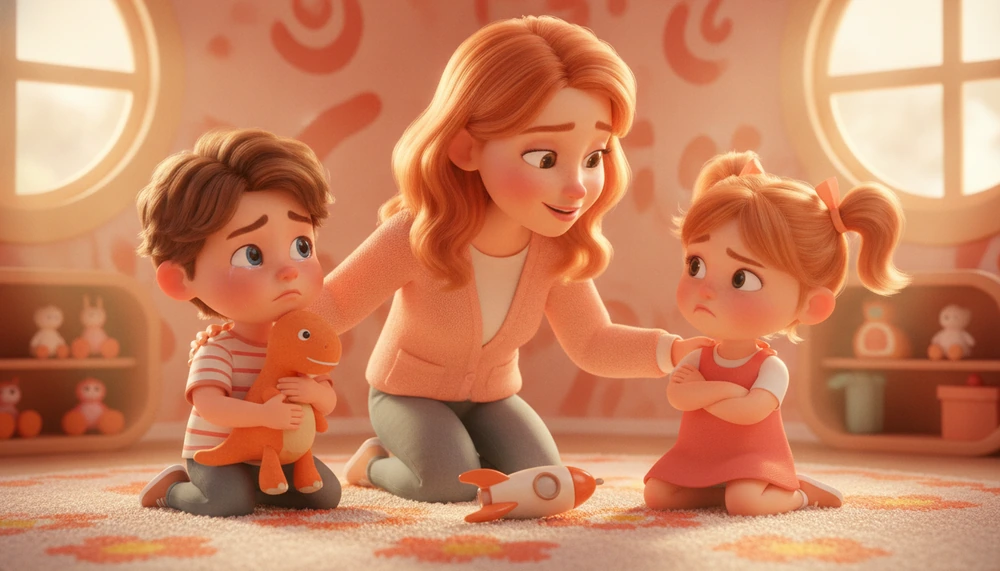
Practicing active listening can significantly enhance family dynamics. One parent recounted how dedicating just five minutes daily to listen to their child without interruptions improved their relationship and the child's self-esteem.
Responsible Decision-Making
This competency focuses on making ethical and constructive choices about personal and social behavior. It's about considering the well-being of oneself and others.
Teaching Natural Consequences
Allow children to experience the natural outcomes of their actions, which can be powerful learning tools.
- Logical Outcomes: Explain the cause and effect of actions. For example, "If you forget your lunch, you might be hungry later."
- Safe Failures: Let children make low-risk mistakes to learn resilience and problem-solving.
Example: If a child refuses to wear a coat, let them experience the cold briefly. This teaches them to make better clothing choices without a lecture.
In My Practice: I've advised parents to let children face natural consequences in a safe environment. One family allowed their child to manage their own homework schedule, leading to a valuable lesson in time management when the child forgot an assignment.
Gentle Discipline: Beyond Punishment
Gentle discipline focuses on guidance and teaching rather than control. It aligns with SEL by supporting emotional and social growth.
Alternatives to Punishment
- Time-In: Instead of isolating a child, stay with them to discuss their feelings and actions 2.
- Repair Conversations: After a challenging moment, engage in a conversation to repair and learn from the situation 3.
- Collaborative Problem-Solving: Work with your child to find solutions to issues, fostering responsibility and cooperation.
Example: After a tantrum, instead of a timeout, sit with your child. Say, "Let's talk about what happened. How can we do better next time?"

In practice, I've observed that repair conversations can transform a child's understanding of their behavior. One parent shared how discussing a meltdown helped their child articulate feelings better and reduced future outbursts.
Applying SEL in Daily Routines
Incorporating SEL into daily routines provides consistent opportunities for practice and reinforcement.
Morning Routines
Start the day with a positive tone by using Morning Routine for a Calm Start to Day Support. This helps children transition smoothly from home to school.
Mealtimes as Learning Moments
Turn mealtimes into opportunities for discussing emotions and practicing gratitude. Encourage children to share one good thing that happened during the day.
In My Practice: I've guided families in using mealtime discussions to enhance emotional expression. One family began a tradition of sharing "the best part of my day," which improved communication and family bonding.
Conclusion
By integrating SEL into your discipline approach, you create a nurturing environment that prioritizes teaching over punishment. This method not only guides children towards better behavior but also equips them with vital life skills. Remember, the goal is to support, not control.
References
- CASEL. (n.d.). What is the CASEL Framework? Retrieved from https://casel.org/fundamentals-of-sel/what-is-the-casel-framework/
- Nelsen, J. (2006). Positive Discipline.
- Kohn, A. (2005). Unconditional Parenting.
- Kazdin, A. (2008). The Kazdin Method for Parenting the Defiant Child.
- Markham, L. (2012). Peaceful Parent, Happy Kids.
Try It This Month
Reading is the easy part. Skills build through small, repeated practice — here's a low-pressure plan you can try with your child.
- 1Encourage Daily Emotional Check-InsDaily, morningStart each day with an emotional check-in. Ask your child how they're feeling to build self-awareness and open communication.👉 What this looks likeEvery morning during breakfast, ask your child, 'How are you feeling today?' Use a feelings chart to help them express emotions. This simple practice helps children start their day with emotional awareness, preparing them for social interactions at school.
- 2Use Time-Ins Instead of Time-OutsOnce a weekWhen conflicts arise, choose time-ins to discuss emotions and solutions together, fostering responsibility.Use this story →👉 What this looks likeDuring a disagreement, instead of a time-out, sit with your child and say, 'Let's talk about what just happened. How are you feeling? What can we do differently next time?' This approach helps children process emotions and encourages constructive problem-solving.
- 3Practice Mindful Breathing TogetherThis weekendIntroduce mindful breathing exercises to manage stress and build self-management skills.👉 What this looks likeSet aside 10 minutes on Saturday morning to practice mindful breathing with your child. Sit together, close your eyes, and take slow breaths in through the nose and out through the mouth. Narrate the process: 'Inhale calm, exhale worry.' This shared activity can become a calming ritual for stressful times.
- 4Role-Play Empathy ScenariosDay 3Use role-playing scenarios to build empathy and understanding of others' perspectives.Explore social stories →👉 What this looks likeAct out a scenario where a friend feels left out. Ask your child, 'How do you think they feel? What could you do to help?' This exercise helps children practice empathy and consider others' feelings, enhancing social awareness.
- 5Model Conflict ResolutionDay 5Demonstrate conflict resolution by navigating disagreements with respect and understanding.👉 What this looks likeNext time a disagreement arises at home, model respectful dialogue: 'I hear you and understand your point. Let's find a solution together.' Narrate your thought process and invite your child to contribute ideas. This teaches them how to resolve conflicts effectively and respectfully.
- 6Introduce Logical ConsequencesWeeklyLet children experience logical consequences to teach decision-making and responsibility.👉 What this looks likeWhen your child forgets to bring their homework, instead of rescuing them, allow them to face the consequence of explaining it to their teacher. Discuss what can be done differently next time. This natural learning experience encourages self-responsibility without punishment.
- 7Foster Open Mealtime ConversationsDaily, dinnerUse mealtimes as opportunities for emotional expression and gratitude.👉 What this looks likeDuring dinner, go around the table and have each family member share 'the best part of my day.' This routine encourages open communication and helps children articulate positive experiences, fostering a supportive family environment.
Frequently Asked Questions
How does SEL improve discipline?
What are some examples of positive discipline?
How can I encourage self-awareness in my child?
Why are natural consequences effective?
What are alternatives to time-outs?
References
- CASEL. (n.d.). What is the CASEL Framework? Retrieved from https://casel.org/fundamentals-of-sel/what-is-the-casel-framework/
- Nelsen, J. (2006). Positive Discipline.
- Kohn, A. (2005). Unconditional Parenting.
- Kazdin, A. (2008). The Kazdin Method for Parenting the Defiant Child.
- Markham, L. (2012). Peaceful Parent, Happy Kids.